
Harvest the Sky: Build a Rainwater Collection System
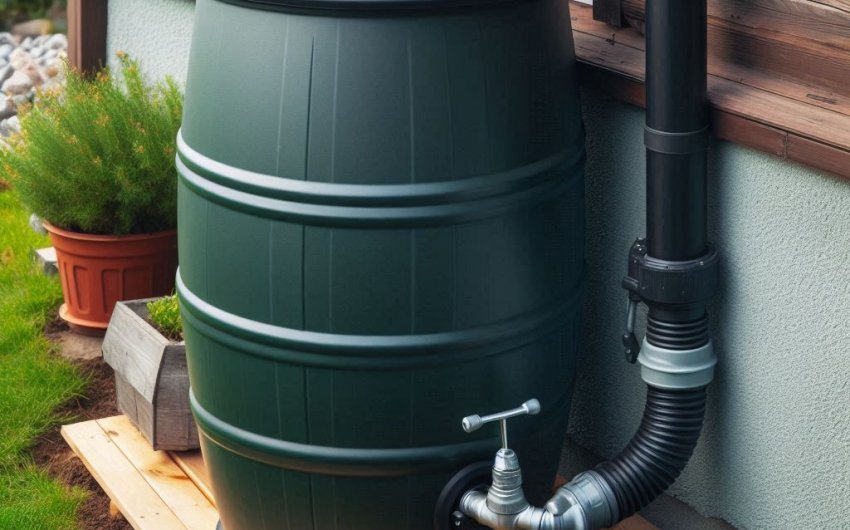
To build a rainwater collection system, you'll need a clean catchment surface (like a roof), a conveyance system (gutters and downspouts), and a storage container (rain barrel or cistern) that ideally includes a first flush diverter and overflow. This eco-friendly setup allows you to harvest free, high-quality water for garden irrigation and other non-potable uses.
Why Build a Rainwater Collection System?
Deciding to build a rainwater collection system for your home or garden is a smart, sustainable choice with numerous benefits that extend beyond simply saving water. It's an investment in environmental responsibility, resourcefulness, and self-sufficiency.
What are the Benefits of Rainwater Harvesting?
- Environmental Sustainability:
- Conserves Potable Water: Reduces your reliance on municipal or well water for non-drinking uses like garden irrigation, car washing, or toilet flushing. This is crucial as freshwater resources become increasingly strained.
- Reduces Stormwater Runoff: Capturing rainwater prevents it from becoming runoff, which can pick up pollutants (pesticides, fertilizers, oil) as it flows over impervious surfaces, eventually contaminating local rivers, lakes, and oceans. It also reduces erosion and strain on stormwater drainage systems.
- Groundwater Recharge: While direct impact is localized, promoting infiltration in your garden with harvested water can contribute to replenishing local aquifers.
- Cost Savings:
- Lower Water Bills: By using free rainwater for outdoor tasks, you can significantly reduce your monthly water utility bills, especially during dry seasons when irrigation needs are high.
- Free Resource: Rainwater is essentially a free resource falling from the sky. Once your system is built, the "fuel" costs nothing.
- Superior Water Quality for Plants:
- Chlorine-Free: Unlike treated tap water, rainwater is naturally free of chlorine, chloramines, and other chemicals that can be detrimental to delicate plants, soil microbes, and beneficial insects over time.
- Optimal pH: Rainwater typically has a slightly acidic pH (around 5.5-6.5), which is ideal for most plants, as it helps with nutrient uptake.
- Soft Water: Rainwater is naturally soft, preventing mineral buildup on leaves and soil that can occur with hard tap water.
- Drought Preparedness:
- Backup Water Supply: A rainwater collection system provides a valuable backup water source during drought conditions or water restrictions, ensuring your garden, trees, and shrubs remain hydrated.
- Increased Resilience: Enhances your household's overall resilience to water shortages.
- Reduced Demand on Infrastructure:
- By reducing your household's demand on municipal water supplies, you ease the burden on public water treatment and distribution systems.
- Educational Value:
- A rainwater collection system serves as a visible example of sustainable practices, educating family members and neighbors about water conservation and resource management.
Are There Any Downsides to Rainwater Collection?
While highly beneficial, it's good to be aware of potential considerations:
- Initial Setup Cost: Building a system requires an upfront investment in materials (barrels, gutters, diverters).
- Space Requirements: Storage containers, especially larger cisterns, can take up considerable space.
- Maintenance: Regular cleaning of gutters, filters, and the storage tank is necessary to prevent clogs, mosquito breeding, and contamination.
- Legality/Regulations: Some areas may have local ordinances or HOA rules regarding rainwater harvesting. Always check local regulations before installing.
- Contamination (for potable use): Rainwater collected from roofs is generally not suitable for drinking without extensive filtration and purification due to potential contaminants (bird droppings, roof materials, air pollution). It's primarily for non-potable uses.
Despite these considerations, the long-term benefits and environmental positive impact make the decision to build a rainwater collection system an excellent choice for many homeowners.
What are the Essential Components of a Rainwater Collection System?
To effectively build a rainwater collection system, you need to understand and acquire its core components. Each part plays a vital role in capturing, conveying, storing, and accessing the harvested water.
Key Components Explained:
Catchment Surface (Collection Area):
Advertisement- What it is: The surface that captures the rainwater. Typically, this is a roof, but it could also be a shed, garage, or greenhouse roof.
- Considerations:
- Material: Asphalt shingles are common and generally safe for non-potable use. Metal roofs are excellent as they shed water cleanly. Avoid roofs treated with chemicals, or those with lead flashing, tar, or asbestos, if you intend to use the water on edibles.
- Size: The larger the catchment surface, the more water you can collect. (See "Calculating Potential Rainfall" section).
- Cleanliness: Keep your roof clean of debris (leaves, twigs, bird droppings) to maintain water quality.
Conveyance System:
- What it is: The system of gutters and downspouts that directs water from the catchment surface to your storage container.
- Gutters: Must be clean, free of clogs, and properly sloped towards the downspout.
- Downspouts: Carry water down from the gutters. You'll typically divert one or more downspouts to your collection barrel.
Leaf Screen/Gutter Guard:
- What it is: A mesh screen or filter placed over or in the gutters and downspout opening.
- Purpose: Prevents large debris (leaves, twigs, bird nests) from entering the downspout and ultimately clogging your system or contaminating your water.
- Location: Usually at the top of the downspout or along the length of the gutter.
First Flush Diverter (Highly Recommended):
- What it is: A crucial device that diverts the initial flow of rainwater (the "first flush") away from your storage container.
- Purpose: The "first flush" of rain washes accumulated dust, pollen, bird droppings, and other contaminants off your roof. A diverter ensures this dirtiest water is flushed out before cleaner water enters your barrel.
- Location: Installed in the downspout before it reaches the storage container.
- A Rain Barrel First Flush Diverter is a key component for water quality.
Inlet Screen/Mosquito Screen:
- What it is: A fine mesh screen placed over the opening where the downspout or diverter connects to the storage container.
- Purpose: Prevents small debris and, most importantly, mosquitoes and other insects from entering the barrel and breeding.
- Location: At the top inlet of the rain barrel.
Storage Container (Rain Barrel or Cistern):
- What it is: The vessel that holds the collected rainwater.
- Types:
- Rain Barrels: Typically 50-80 gallons (approx. 190-300 liters), suitable for residential use and garden irrigation. Many are made from recycled food-grade plastic or repurposed drums.
- Cisterns: Much larger, hundreds to thousands of gallons, often buried or placed underground, for larger-scale collection or whole-house non-potable use.
- Considerations:
- Material: Food-grade plastic, recycled plastic, concrete, fiberglass, galvanized steel.
- Opaque: Choose an opaque or dark-colored container to prevent algae growth.
- Secure Lid: Must have a tight-fitting, child-proof lid.
- Spigot/Outlet: For accessing the water.
- Overflow: Critical for redirecting excess water when the barrel is full.
Overflow Mechanism:
- What it is: A pipe or opening near the top of the storage container that directs excess water away once the barrel is full.
- Purpose: Prevents flooding around your foundation or overflowing onto areas where it could cause erosion.
- Location: Near the top of the rain barrel. Direct the overflow pipe away from the foundation and towards a garden bed or storm drain.
Spigot/Outlet Faucet:
- What it is: A tap installed near the bottom of the rain barrel for easy access to the water.
- Purpose: To fill watering cans or connect a garden hose.
By understanding these essential components, you're well on your way to planning and successfully building a rainwater collection system that meets your needs.
How Do I Choose the Right Rain Barrel or Cistern?
Choosing the right rain barrel or cistern is a pivotal decision when you build a rainwater collection system. The size, material, and features of your storage container will directly impact your system's efficiency, longevity, and ease of use.
Key Factors for Choosing Storage:
Capacity (Size):
- How much do you need? This depends on your average rainfall, roof size, and intended use.
- Formula: For a quick estimate, calculate your roof section's square footage that drains to a downspout (length x width). In one inch of rain, approximately 0.62 gallons of water fall per square foot of catchment area.
- Example: A 100 sq ft roof section (10x10 ft) with 1 inch of rain yields about 62 gallons.
- Typical Rain Barrels: Range from 50-80 gallons (approx. 190-300 liters). This is a good size for typical garden irrigation for a small to medium yard.
- Large Cisterns: Can range from 200 gallons up to thousands of gallons. These are for larger properties, whole-house non-potable use, or areas with very intermittent rainfall where long-term storage is necessary.
- Consider Multiple Barrels: If you need more capacity than a single barrel, you can connect multiple rain barrels in series.
- How much do you need? This depends on your average rainfall, roof size, and intended use.
Material:
- Recycled Plastic (most common):
- Pros: Lightweight, durable, rust-proof, often food-grade (if repurposed from food containers), UV-resistant (if opaque). Many are designed to mimic wood or stone aesthetically.
- Cons: Can crack in extreme cold if not properly winterized.
- Example: RTS Home Accents Impressions Rain Barrel
- Repurposed Food-Grade Barrels (e.g., blue HDPE drums):
- Pros: Very affordable, highly durable, safe for water storage if cleaned properly.
- Cons: Often not aesthetically pleasing unless painted or concealed.
- Wood (e.g., whiskey barrels):
- Pros: Natural, rustic aesthetic.
- Cons: Requires liner to be truly watertight, heavier, can rot over time, may leach tannins into water.
- Concrete/Fiberglass/Galvanized Steel (for larger cisterns):
- Pros: Extremely durable, long-lasting, can be buried.
- Cons: Very heavy, high cost, permanent installation.
- Recycled Plastic (most common):
Color and Opacity:
- Opaque/Dark Color: Choose a dark or opaque barrel. This prevents sunlight from penetrating the water, which inhibits algae growth within the barrel. Algae can clog spigots and turn water green.
- Aesthetic: Consider a color that blends with your home or garden decor.
Outlet (Spigot) Location and Type:
- Location: Look for a spigot installed near the bottom for easy access (e.g., to fill a watering can). Some have a second overflow spigot higher up for connecting barrels.
- Type: A brass spigot is generally more durable and less prone to leaking than plastic.
Lid and Inlet:
- Secure, Child-Proof Lid: Absolutely essential for safety, especially if you have children or pets. The lid should fit tightly to prevent accidental falls and keep out debris.
- Mosquito Screen/Inlet Filter: The inlet where the downspout connects should have a fine mesh screen to prevent mosquitoes from breeding inside and to filter out larger debris.
Overflow Mechanism:
- Ensure the barrel has a clear overflow spout near the top. This is critical for directing excess water away from your home's foundation once the barrel is full, preventing erosion or flooding. Direct the overflow to a French drain, a garden bed, or away from your house.
Support Base:
- A full 50-gallon barrel weighs over 400 pounds. You need a sturdy, level base (e.g., concrete blocks, a wooden stand) to elevate the barrel (for easier spigot access) and to prevent it from sinking or tipping.
By carefully considering these factors, you can select the most appropriate rain barrel or cistern for your specific needs when you decide to build a rainwater collection system.
How Do I Install a Rain Barrel System?
Installing a basic rain barrel system is a straightforward DIY project that can be completed in an afternoon. This step-by-step guide will walk you through the process of how to build a rainwater collection system effectively.
Step-by-Step Installation Guide:
Choose Your Location:
- Proximity to Downspout: Select a downspout that receives significant rainfall from your roof (e.g., from a large section of your roof).
- Level Ground: The ground where the barrel will sit must be level.
- Accessibility: Choose a location that's easy to access for watering, cleaning, and maintenance.
- Drainage: Ensure the overflow can be directed away from your home's foundation.
Prepare the Base:
- A full 50-gallon rain barrel can weigh over 400 lbs (180 kg), so a sturdy, level base is essential.
- Elevate the Barrel: Use concrete blocks, bricks, or a purpose-built stand to elevate the barrel. This increases the water pressure from the spigot, making it easier to fill watering cans, and allows a hose to be attached. Aim for a height of 1-2 feet (30-60 cm).
- Level it: Use a level to ensure your base is perfectly flat and stable.
Measure and Mark the Downspout:
- Place the rain barrel on its prepared base.
- Hold the downspout diverter (or the barrel itself if connecting directly) next to the downspout.
- Mark the spot on the downspout where it needs to be cut so that the diverter or barrel inlet aligns correctly. Leave enough room for the diverter and connections.
- Consider a diverter: A Rain Barrel Downspout Diverter is recommended as it's easier to install and allows winter bypass.
Cut the Downspout:
- Using a hacksaw or tin snips, carefully cut the downspout at the marked spot. Wear safety glasses and gloves.
- Remove any sharp edges or burrs.
Install the Downspout Diverter:
- Most diverters come with instructions. They typically fit directly into the cut section of the downspout.
- Secure the diverter to the downspout using screws or pop rivets.
- Connect the hose/pipe from the diverter to the inlet of your rain barrel. Ensure a tight, leak-proof connection.
Prepare the Rain Barrel Inlet:
- If your barrel doesn't come with a pre-drilled inlet, you'll need to drill a hole (usually near the top) for the downspout diverter hose. Use a hole saw, following the diverter kit's instructions for the correct size.
- Install the inlet fitting and screen (if separate) into the barrel. This screen keeps out debris and mosquitoes.
Install the Overflow:
- Most rain barrels have an overflow port near the top. Attach a hose or pipe to this port.
- Direct the overflow away from your house's foundation to prevent water damage. You can direct it to a garden bed, a gravel trench, or a French drain.
Install the Spigot:
- Most rain barrels come with a pre-installed spigot near the bottom. If not, you'll need to install one using a drill and appropriate fittings (usually a bulk-head fitting and a threaded spigot). Use plumber's tape or sealant for a watertight seal.
- Ensure the spigot is low enough to drain most of the barrel's water.
Test the System:
- Wait for rain or test with a garden hose running onto your roof.
- Check for leaks at all connection points (diverter, inlet, spigot, overflow).
- Observe that the barrel fills and the overflow works correctly.
By following these steps, you can confidently build a rainwater collection system that provides a sustainable water source for your home.
How Do I Maintain a Rainwater Collection System?
Regular maintenance is crucial to ensure your rainwater collection system remains efficient, safe, and productive for years. Neglecting maintenance can lead to clogs, contamination, and even mosquito breeding.
Essential Maintenance Tasks:
Clean Gutters Regularly:
- Frequency: At least twice a year (spring and fall), or more often if you have many deciduous trees nearby.
- Why: Clogged gutters prevent water from reaching your collection system, can cause overflow near your foundation, and introduce excessive debris into your barrel.
- Method: Remove leaves, twigs, and other debris from gutters. Flush them with water to ensure free flow.
Inspect and Clean Gutter/Downspout Screens:
- Frequency: Monthly, especially during rainy seasons.
- Why: Leaf screens and gutter guards can become clogged with small debris, reducing flow to the barrel.
- Method: Clear any accumulated debris from the screens.
Check and Clean the First Flush Diverter:
- Frequency: At least once or twice a season, or after heavy storms.
- Why: The diverter traps the dirtiest water. If it remains full, cleaner water cannot enter your barrel effectively.
- Method: Follow the manufacturer's instructions for draining and cleaning the diverter chamber. This usually involves opening a valve or cap at the bottom.
Inspect and Clean the Barrel Inlet Screen/Mosquito Screen:
- Frequency: Monthly.
- Why: These fine meshes can collect small debris or algae, slowing water entry. They are also crucial for preventing mosquito breeding.
- Method: Lift the lid and gently brush off any debris from the screen. Rinse if necessary.
Clean the Inside of the Rain Barrel:
- Frequency: Annually, or if you notice sediment buildup, algae growth, or persistent odor.
- Why: Sediment can clog spigots, and algae can grow if the barrel is exposed to light.
- Method:
- Completely drain the barrel.
- Use a brush and a solution of water with a small amount of bleach (1 tablespoon per gallon) or white vinegar to scrub the interior.
- Rinse thoroughly multiple times to remove any cleaning solution residue before refilling.
- Note: If using for edibles, avoid bleach; stick to vinegar or just scrubbing.
Inspect Spigot and Overflow:
- Frequency: Monthly.
- Why: Ensure spigot isn't clogged and overflow pipe is clear.
- Method: Clear any debris. Ensure connections are tight.
Winterize Your System (for Freezing Climates):
- When: Before the first hard freeze.
- Why: Water expands when it freezes, which can crack or burst your rain barrel or damage diverters/pipes.
- Method:
- Drain Completely: Drain all water from the rain barrel and all associated pipes/hoses.
- Bypass the Barrel: If you have a diverter, switch it to bypass mode so water flows directly down the downspout. If you connected directly, disconnect the downspout connection and replace the removed section of the downspout or use a temporary extension.
- Store Indoors: If possible, move smaller plastic barrels into a shed or garage. Larger barrels should be left empty, unattached, and potentially tilted slightly to ensure no water collects inside.
- Protect Spigot: Open the spigot to ensure it drains fully and doesn't trap water.
By consistently performing these maintenance tasks, your efforts to build a rainwater collection system will continue to provide a sustainable and valuable water source for years to come.
What are Common Problems with Rainwater Collection Systems and How to Fix Them?
Even after meticulously planning and installing your system to build a rainwater collection system, you might encounter some common issues. Knowing how to troubleshoot and fix these problems ensures your system remains efficient and trouble-free.
Common Problems and Their Solutions:
Problem: Low Water Pressure from Spigot
- Cause:
- Insufficient Elevation: The barrel is not elevated enough above the ground.
- Clogged Spigot/Filter: Debris or sediment has built up in the spigot or the filter immediately above it.
- Empty/Low Barrel: There's simply not much water left in the barrel.
- Fix:
- Increase Elevation: If building a new system, ensure the base is sufficiently high (1-2 feet is a good minimum). For existing barrels, you might need to build a taller, sturdier base.
- Clean Spigot: Close the spigot, then open it and use a wire or small brush to clear any debris. For internal clogs, you might need to remove the spigot and clean it thoroughly, perhaps flushing the barrel.
- Check Water Level: Wait for more rain!
- Cause:
Problem: Barrel is Not Filling (or Fills Very Slowly)
- Cause:
- Clogged Gutters/Downspout: Leaves, twigs, or other debris are blocking the flow.
- Clogged Leaf Screen/Gutter Guard: Debris is building up on the screen over the downspout.
- Clogged First Flush Diverter: The diverter is full of debris and preventing cleaner water from flowing into the barrel.
- Downspout Diverter Issues: The diverter might be misaligned or not working properly (e.g., stuck in bypass mode).
- Inlet Screen Clogged: The screen on top of the barrel where the downspout connects is blocked.
- Fix:
- Clean All Components: Thoroughly clean gutters, downspout screens, the first flush diverter (drain it!), and the barrel inlet screen. This is the most common reason for a non-filling barrel.
- Inspect Diverter: Ensure the diverter is properly installed and functioning as per its instructions.
- Cause:
Problem: Overflowing Barrel When Not Full
- Cause:
- Clogged Inlet Screen: Preventing water from entering the barrel faster than it flows in.
- Hose from Diverter Kinked/Blocked: The connecting hose might be bent or have debris inside.
- Fix:
- Clean Inlet Screen: Clear any debris from the screen at the top of the barrel.
- Clear Connecting Hose: Check for kinks or blockages in the hose from the diverter to the barrel.
- Cause:
Problem: Mosquitoes Breeding in the Barrel
- Cause: Uncovered barrel opening, or a damaged/missing mosquito screen on the inlet or overflow.
- Fix:
- Secure All Openings: Ensure the lid is tight-fitting and every opening (inlet, overflow) has a fine mesh screen (1/16 inch or less) securely attached.
- Add Mosquito Dunks: For persistent issues, add a Mosquito Dunk (Bacillus thuringiensis israelensis) to the water. This is a natural, safe biological larvicide that kills mosquito larvae but is harmless to humans, pets, and other wildlife.
- Consider a Pump: If you use a pump to draw water, the constant movement can also deter mosquitoes.
Problem: Algae Growth in Barrel (Green Water)
- Cause: Sunlight penetrating the barrel, or debris providing nutrients for algae.
- Fix:
- Ensure Opacity: If your barrel is translucent, paint it a dark, opaque color.
- Clean Barrel: Drain and thoroughly scrub the inside of the barrel (as per maintenance section).
- Prevention: Always use an opaque barrel. Keep debris out with screens and diverters.
Problem: Leaks at Connections
- Cause: Loose fittings, cracked seals, or damaged pipes.
- Fix:
- Tighten Fittings: Use a wrench to tighten spigots and hose connections.
- Apply Plumber's Tape: For threaded connections, wrap plumber's tape (PTFE tape) around the threads before tightening.
- Replace Seals/Gaskets: If O-rings or gaskets are cracked or worn, replace them.
- Use Sealant: For more permanent fixes, outdoor-grade silicone sealant can be used.
By understanding these common issues and implementing the appropriate solutions, your efforts to build a rainwater collection system will yield consistent and valuable results for your garden and beyond.