
Grow Smarter: Your Companion Planting Chart for Vegetables
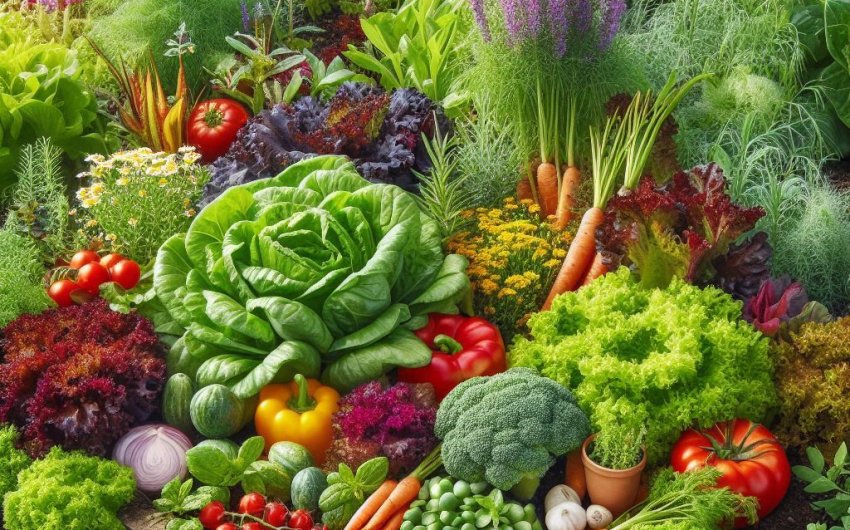
Unlock the secrets to a more vibrant and productive garden by understanding the power of plant partnerships. Learning about a companion planting chart for vegetables can transform your approach to gardening, allowing you to harness nature's own wisdom to deter pests, attract beneficial insects, improve soil health, and even enhance flavors. This ancient technique, often passed down through generations, provides a natural and sustainable way to boost your harvest without relying on harsh chemicals.
What is companion planting and why does it work?
Companion planting is the practice of growing different plants together for mutual benefit. It's like building a harmonious community in your garden, where neighbors help each other thrive. This isn't just folklore; there are scientific reasons why certain plant combinations work well together.
How Does It Work?
- Pest Deterrence: Some plants release chemicals or odors that repel harmful insects. Others might confuse pests, making it harder for them to find their target crop.
- Attracting Beneficial Insects: Certain flowering plants or herbs attract predatory insects (like ladybugs or lacewings) that feed on common garden pests. They also draw in pollinators, which are essential for many fruiting vegetables.
- Improved Soil Health: Legumes (like beans and peas) have roots that host bacteria which "fix" nitrogen from the air into the soil, making it available for other plants. Some plants have deep taproots that break up compacted soil, allowing other plants to access water and nutrients more easily.
- Weed Suppression: Densely planted companions can create a living mulch, shading out weeds and reducing competition for resources.
- Shade and Support: Taller plants can provide natural shade for smaller, sun-sensitive plants. Stronger, upright plants can act as living trellises for vining crops.
- Flavor Enhancement: While often anecdotal, many gardeners believe certain pairings can actually improve the taste of vegetables.
How do I use a companion planting chart effectively?
A companion planting chart for vegetables is a powerful tool, but it's most effective when you understand its principles and apply them thoughtfully. It's not about rigid rules, but about understanding the interactions.
Understanding the Categories
Companion planting relationships typically fall into these main categories:
- Good Companions (Beneficial): These pairs offer one or more of the benefits listed above. They might deter pests, attract good bugs, improve growth, or enhance flavor. These are the pairings you want to actively encourage.
- Bad Companions (Incompatible): These are plants that should not be grown near each other. They might inhibit growth, attract the same pests, compete too aggressively for nutrients, or even release chemicals that harm their neighbors. Avoiding these pairings is just as important as encouraging good ones.
- Neutral: Many plants simply don't have a strong positive or negative effect on each other. You can grow them together without much concern, but they won't offer special benefits.
Planning Your Garden Layout
Before you sow a single seed, grab a pencil and paper (or use a garden planning app).
- Map Your Space: Draw out your garden beds, containers, or rows.
- List Your Crops: Write down all the vegetables, herbs, and flowers you intend to grow.
- Consult the Chart: Go through your list and use the companion planting chart for vegetables to identify good and bad pairings.
- Arrange: Strategically place your plants. For example, if you're growing carrots, plan to intersperse them with rosemary or lettuce. If you're growing beans, make sure to keep onions far away.
- Rotation: Remember that companion planting works hand-in-hand with crop rotation. Don't plant the same vegetables in the same spot year after year, even with good companions.
Key Considerations
- Sunlight Needs: Ensure all plants in a grouping receive adequate sunlight. Don't let a tall companion completely shade out a sun-loving plant.
- Water Needs: Group plants with similar watering requirements. For example, drought-tolerant herbs shouldn't be right next to water-loving cucumbers.
- Nutrient Needs: While some companions improve soil, be mindful of plants that are heavy feeders (like corn or tomatoes) and ensure they have enough nutrients.
- Spacing: Companion planting doesn't mean overcrowding. Ensure adequate air circulation to prevent fungal diseases.
Companion Planting Chart for Common Vegetables
This comprehensive companion planting chart for vegetables provides a quick reference for popular garden crops. Remember, these are general guidelines, and local conditions can sometimes influence results.
Alliums (Onions, Garlic, Leeks, Chives)
- Good Companions:
- Carrots: Alliums repel carrot rust fly.
- Beets: Improve beet growth.
- Chamomile: Enhances growth and flavor.
- Lettuce: Generally beneficial.
- Brassicas (Cabbage, Broccoli, Kale): Can deter cabbage worms and aphids.
- Tomatoes: Garlic can help repel spider mites.
- Bad Companions:
- Beans & Peas: Alliums can stunt the growth of legumes.
- Asparagus: Can inhibit asparagus growth.
- Sage: Reduces growth.
Beans & Peas (Bush, Pole, Snap, Lima, Green, Snow)
- Good Companions:
- Carrots: Light soil loosening.
- Corn: Corn provides a natural trellis for pole beans (the "Three Sisters" method).
- Cucumber: Mutual benefits.
- Potatoes: Can deter Colorado potato beetles.
- Radishes: General benefit.
- Strawberries: Helps growth.
- Summer Savory: Deters bean beetles and improves bean flavor.
- Marigolds: Repel nematodes.
- Bad Companions:
- Alliums (Onions, Garlic, Chives, Leeks): Stunt bean/pea growth.
- Fennel: Can inhibit growth.
- Gladiolus: Can stunt growth.
Brassicas (Cabbage, Broccoli, Kale, Kohlrabi, Brussels Sprouts, Cauliflower)
- Good Companions:
- Chamomile: Enhances growth and flavor.
- Dill: Attracts beneficial wasps that prey on cabbage worms.
- Mint: Deters cabbage moths.
- Nasturtiums: Trap aphids, luring them away from brassicas.
- Potatoes: General benefit.
- Rosemary: Deters cabbage moths.
- Thyme: Deters cabbage worms.
- Onions/Garlic: Can deter cabbage worms and aphids.
- Bad Companions:
- Strawberries: Can inhibit growth.
- Tomatoes: Can inhibit growth.
- Pole Beans: Can stunt growth.
Carrots
- Good Companions:
- Rosemary: Deters carrot rust flies.
- Lettuce: Provides ground cover, suppresses weeds, and keeps soil cool.
- Radishes: Break up soil, making it easier for carrots to grow. Radishes mature faster, harvested before carrots need the space.
- Chives: Repel carrot rust fly.
- Beans & Peas: Nitrogen fixation helps carrots.
- Marigolds: Repel nematodes.
- Bad Companions:
- Dill: Can attract spider mites and inhibit growth.
- Fennel: Can inhibit growth.
Corn
- Good Companions:
- Beans & Peas: Beans use corn as a trellis, and provide nitrogen (the "Three Sisters" method).
- Squash/Pumpkins: Large squash leaves provide living mulch, suppress weeds, and keep soil cool, while protecting roots (the "Three Sisters" method).
- Cucumbers: Similar benefits to squash.
- Potatoes: General benefit.
- Melons: Similar benefits to squash.
- Marigolds: Repel nematodes.
- Borage: Deters corn earworms and attracts pollinators.
- Bad Companions:
- Tomatoes: Can attract the same pests (corn earworms) and compete for nutrients.
Cucumbers
- Good Companions:
- Beans & Peas: Mutual benefit.
- Corn: Corn provides shade for cucumbers in hot weather.
- Radishes: General benefit.
- Sunflowers: Provide a trellis and shade.
- Marigolds: Repel nematodes.
- Nasturtiums: Act as a trap crop for aphids and cucumber beetles.
- Dill: Attracts beneficial insects.
- Bad Companions:
- Potatoes: Can compete for nutrients.
- Sage: Can inhibit growth.
Lettuce (Loose-leaf, Romaine, Butterhead)
- Good Companions:
- Carrots: Provides ground cover and keeps soil cool.
- Radishes: Grow quickly, harvested before lettuce needs space.
- Mint: Deters slugs and snails (grow in pots nearby).
- Strawberries: Good ground cover, benefits from shade.
- Most Herbs: General benefit.
- Asparagus: Mutual benefits.
- Bad Companions:
- None widely reported.
Melons (Watermelon, Cantaloupe, Honeydew)
- Good Companions:
- Corn: Provides shade.
- Radishes: Breaks up soil.
- Nasturtiums: Trap crop for aphids.
- Marigolds: Repel nematodes.
- Bush Beans: Nitrogen fixation.
- Bad Companions:
- None widely reported.
Peppers (Bell, Chili, Hot)
- Good Companions:
- Tomatoes: Generally good neighbors, though some argue for separation.
- Carrots: General benefit.
- Onions/Garlic: Can deter pests.
- Spinach: Provides ground cover.
- Basil: Deters some pests and is said to improve flavor.
- Marigolds: Repel nematodes.
- Geraniums: Deters Japanese beetles.
- Bad Companions:
- Fennel: Can inhibit growth.
- Beans: Can inhibit pepper growth.
Potatoes
- Good Companions:
- Beans & Peas: Can deter Colorado potato beetles.
- Brassicas: General benefit.
- Corn: General benefit.
- Flax: Can deter Colorado potato beetles.
- Horseradish: Said to increase disease resistance.
- Marigolds: Repel nematodes.
- Nasturtiums: Act as a trap crop for aphids and beetles.
- Bad Companions:
- Tomatoes: Attract the same blights and pests. Avoid planting together.
- Cucumbers: Can compete for nutrients.
- Squash: Can compete for nutrients.
- Sunflowers: Can inhibit growth.
- Raspberries: Can increase blight risk.
Radishes
- Good Companions:
- Carrots: Break up heavy soil, allowing carrots to grow easier.
- Lettuce: Fast-growing, harvested before lettuce needs space.
- Beans & Peas: Mutual benefits.
- Spinach: Mutual benefits.
- Nasturtiums: Trap crop for aphids.
- Cucumbers: General benefit.
- Bad Companions:
- None widely reported.
Spinach
- Good Companions:
- Strawberries: Mutual benefits, provides shade.
- Beans & Peas: Nitrogen fixation.
- Brassicas: General benefit.
- Radishes: General benefit.
- Peppers: General benefit.
- Bad Companions:
- None widely reported.
Squash & Pumpkins (Summer Squash, Winter Squash, Zucchini, Pumpkins)
- Good Companions:
- Corn: Provides a trellis for vining squash, and corn roots provide stability (part of "Three Sisters").
- Beans & Peas: Provide nitrogen to heavy-feeding squash (part of "Three Sisters").
- Nasturtiums: Act as a trap crop for squash bugs and cucumber beetles.
- Radishes: Break up soil.
- Marigolds: Repel nematodes.
- Borage: Deters squash vine borers.
- Bad Companions:
- Potatoes: Can compete for nutrients.
Tomatoes
- Good Companions:
- Basil: Said to improve tomato flavor and deter tomato hornworms and flies.
- Carrots: Helps to loosen the soil.
- Borage: Deters tomato hornworms and attracts pollinators.
- Marigolds (French): Repel nematodes (especially useful for preventing root-knot nematodes).
- Lettuce: Provides ground cover and keeps soil cool.
- Onions/Garlic: Can deter spider mites.
- Nasturtiums: Act as a trap crop for aphids.
- Chives: Repel aphids.
- Parsley: Attracts beneficial insects.
- Bad Companions:
- Brassicas (Cabbage, Broccoli, etc.): Can stunt growth.
- Corn: Share common pests (corn earworms/tomato fruitworms) and diseases.
- Fennel: Can inhibit growth.
- Potatoes: Both are in the nightshade family and susceptible to the same blights (e.g., late blight), which can spread easily between them.
- Walnut Trees: Release juglone, which is toxic to tomatoes.
Integrating Herbs and Flowers into Your Companion Planting Strategy
Herbs and flowers are not just pretty additions; they are powerful allies in the garden, enhancing your companion planting chart for vegetables by attracting beneficial insects, repelling pests, and sometimes even improving soil or flavor.
Beneficial Herbs
- Basil:
- Good for: Tomatoes (enhances flavor, deters hornworms and flies), peppers.
- How it works: Strong aroma confuses pests, attracts beneficial insects.
- Borage:
- Good for: Tomatoes (deters hornworms), squash (deters squash vine borers), strawberries (increases yields), cabbage.
- How it works: Attracts pollinators (bees), deters pests. Said to improve the disease resistance of some plants.
- Chamomile:
- Good for: Cabbage, onions, beans.
- How it works: Acts as a "nurse plant," enhancing the growth and flavor of nearby plants, and attracting beneficial insects.
- Chives:
- Good for: Carrots (deters rust fly), tomatoes, apples, roses.
- How it works: Repels aphids and other pests with its strong odor.
- Dill:
- Good for: Cabbage, broccoli, lettuce, corn, cucumbers.
- How it works: Attracts beneficial insects like ladybugs, lacewings, and parasitic wasps that prey on aphids and cabbage worms.
- Bad for: Carrots (can attract spider mites to carrots and inhibit growth).
- Mint:
- Good for: Cabbage, tomatoes (deters cabbage moths, flea beetles, ants).
- How it works: Strong scent repels many pests. Caution: Mint is aggressive and should be grown in containers to prevent it from taking over your garden.
- Parsley:
- Good for: Tomatoes, asparagus, corn, roses.
- How it works: Attracts beneficial insects, including predatory wasps and hoverflies.
- Rosemary:
- Good for: Carrots (deters carrot rust fly), cabbage (deters cabbage moth), beans, sage.
- How it works: Strong scent repels various pests.
- Sage:
- Good for: Cabbage, carrots, rosemary.
- How it works: Deters cabbage moths, carrot rust fly.
- Bad for: Cucumbers, onions.
- Summer Savory:
- Good for: Beans (deters bean beetles, improves flavor and growth).
- How it works: Repels bean beetles.
- Thyme:
- Good for: Cabbage (deters cabbage worms).
- How it works: Repels cabbage worms with its aroma.
Beneficial Flowers
- Marigolds (French Tagetes):
- Good for: Tomatoes (repel nematodes), beans, potatoes, squash, cucumbers, strawberries, corn.
- How it works: Their roots release chemicals that deter nematodes (tiny parasitic worms). Also deters some beetles and other pests.
- Note: Not all marigolds are effective against nematodes; French Marigolds (Tagetes patula) are most effective.
- Nasturtiums:
- Good for: Squash, cucumbers, tomatoes, radishes, cabbage, beans.
- How it works: Act as a "trap crop," luring aphids away from other vegetables. Also repels squash bugs and cucumber beetles.
- Sunflowers:
- Good for: Cucumbers, pole beans (can use as a trellis), corn.
- How it works: Provide natural support for vining plants and shade for sun-sensitive plants in hot climates.
- Alyssum (Sweet Alyssum):
- Good for: Nearly all vegetables.
- How it works: Forms a low-growing mat, suppressing weeds. Its tiny flowers attract beneficial insects like hoverflies and parasitic wasps that prey on aphids.
- Cosmos:
- Good for: General garden beneficial.
- How it works: Attracts beneficial insects.
- Dianthus:
- Good for: General beneficial.
- How it works: Attracts beneficial insects.
- Zinnias:
- Good for: Attracting pollinators like butterflies and bees.
- How it works: Pollinators help with fruit set on many vegetables.
Advanced Companion Planting Techniques and Considerations
Once you've mastered the basics of a companion planting chart for vegetables, you can explore more nuanced strategies to maximize your garden's potential.
The "Three Sisters" Method
This is a classic example of companion planting, originating from Native American agricultural practices.
- The Trio: Corn, Pole Beans, and Squash (or pumpkins/melons).
- How it Works:
- Corn: Planted first, it grows tall and provides a natural living trellis for the pole beans.
- Pole Beans: Planted after the corn is a few inches tall, the beans vine up the cornstalks. As legumes, they fix nitrogen in the soil, which is beneficial for the heavy-feeding corn and squash.
- Squash: Planted last, the large, sprawling leaves of the squash plant provide a living mulch that shades the soil, suppresses weeds, retains moisture, and deters pests (like raccoons) from getting to the corn and beans.
- Benefits: A highly efficient and sustainable system that provides mutual support and improves soil health.
Trap Cropping
Using certain plants to lure pests away from your main crops.
- How it Works: Plant a "trap crop" that pests prefer more than your valuable vegetables. The pests congregate on the trap crop, which you can then remove or treat, leaving your main crop largely untouched.
- Examples:
- Nasturtiums: Excellent for luring aphids away from almost any vegetable.
- Mustard Greens: Can attract flea beetles and harlequin bugs away from other brassicas.
- Dill: Can attract tomato hornworms away from tomatoes (though less common than other trap crops).
Beneficial Insectaries
Creating a "bug hotel" for the good guys.
- How it Works: Dedicate a small area or intersperse plants specifically known to attract beneficial insects (predators and pollinators).
- Plants to include: Dill, fennel, cilantro (let it flower!), cosmos, zinnias, calendula, sunflowers, sweet alyssum, borage, yarrow.
- Benefits: By providing nectar and pollen, you encourage these beneficial insects to stay in your garden and help control pest populations naturally.
Repellent Planting
Using strong-smelling plants to deter pests.
- How it Works: The strong aromas of certain herbs or flowers can mask the scent of your vegetables, confusing pests and making it harder for them to find their desired food source.
- Examples: Marigolds, garlic, onions, chives, mint, rosemary, thyme, basil.
Soil Improvement
Beyond nitrogen fixers, some plants help improve soil structure.
- Deep Taproots: Plants like daikon radishes, alfalfa, or dandelions (though consider carefully before purposefully planting dandelions!) have deep roots that can break up compacted soil, allowing for better water penetration and root growth for shallower-rooted vegetables. These are often used as cover crops.
- Biomass: Plants that produce a lot of leafy growth can be chopped and dropped (left on the soil surface) or lightly tilled in to add organic matter to the soil, improving its structure and fertility.
Avoiding Allelopathy
- What it is: Allelopathy is when one plant produces biochemicals that influence the growth, survival, or reproduction of other organisms. Some "bad companions" exhibit allelopathic effects.
- Example: Walnut trees produce a chemical called juglone, which is toxic to many garden plants, including tomatoes, peppers, and blueberries. Avoid planting sensitive plants near walnut trees.
- Fennel: Is notorious for its allelopathic properties, inhibiting growth of many other plants.
By thoughtfully applying the information in a companion planting chart for vegetables, you can cultivate a more resilient, productive, and naturally beautiful garden. This age-old wisdom, combined with modern understanding, empowers you to create a thriving ecosystem where your plants support each other, leading to healthier growth and more abundant harvests for you to enjoy.