
What Should I Do If My Ferns Are Turning Brown and Crispy?
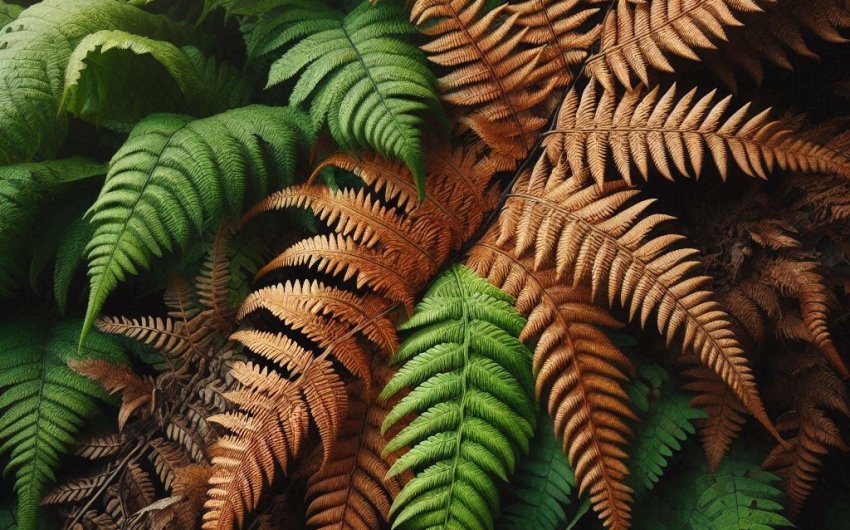
Ferns, with their delicate, feathery fronds, bring a touch of the forest floor's tranquility into our homes. They are cherished for their lush green textures and their ability to thrive in shaded corners where other plants might struggle. However, anyone who has cared for a fern knows that they can be a bit particular. One of the most common and disheartening problems fern owners face is seeing those beautiful green fronds start to turn brown and crispy.
When your fern leaves begin to dry out and lose their vibrant color, it's a clear sign that something is amiss in their environment or care routine. It's often a cry for help, indicating that their fundamental needs aren't being met. Don't despair, though! This common issue is usually fixable once you understand the root cause. This guide will help you pinpoint why your fern is turning brown and crispy and provide actionable steps to bring it back to its lush, green glory. Let's uncover the secrets to a happy and healthy fern.
Why Are My Ferns Turning Brown and Crispy?
The crispy, brown edges on your fern's fronds are almost always a symptom of environmental stress, primarily related to moisture – or the lack thereof. Ferns are native to humid, damp environments, so mimicking those conditions indoors is key.
Insufficient Humidity: The Number One Culprit
This is by far the most common reason ferns turn brown and crispy. Ferns are tropical plants that thrive in the moist air of rainforests or shady, damp woodlands. Our homes, especially with heating or air conditioning running, are often much drier than what a fern needs.
- How it Happens: When the air around the fern is too dry, moisture rapidly evaporates from the fronds (a process called transpiration). If the plant can't take up water fast enough from its roots to replace what's lost from its leaves, the fronds will start to dry out, leading to crispy brown tips and edges.
- Symptoms: You'll typically see the browning start at the tips and edges of the fronds, and it will feel very dry to the touch. The entire frond might eventually crisp up.
- Solution: Increase the humidity around your fern. This is crucial.
Underwatering: Thirsty Roots
While closely related to humidity, underwatering refers to insufficient moisture in the soil, preventing the roots from absorbing enough water for the plant's needs.
- How it Happens: If you don't water your fern often enough, or if you water too lightly, the soil will dry out completely. The roots won't be able to provide the fronds with the hydration they need.
- Symptoms: The entire frond might wilt and then start to turn uniformly brown and crispy, often from the base upwards, or appear limp and lifeless before crisping. The soil will feel dry and hard.
- Solution: Adjust your watering schedule and technique.
Direct Sunlight or Too Much Light: Sunburn
While ferns like bright, indirect light, they absolutely cannot tolerate direct sun.
- How it Happens: Direct sun exposure, especially through a window that magnifies the heat, acts like a sunburn on delicate fern fronds. The intense light and heat quickly dry out the leaf tissue.
- Symptoms: You'll see brown, scorched patches directly where the sun hit the fronds. These patches might look bleached or faded before turning crispy. This browning will be more localized compared to the general crisping from low humidity.
- Solution: Move your fern to a more suitable location with indirect light.
Old Fronds Dying Naturally: Normal Plant Cycle
Sometimes, a bit of browning is perfectly normal, especially at the base of the plant.
- How it Happens: As ferns grow, their older, lower fronds eventually age and die off to make way for new growth.
- Symptoms: You'll see a few isolated fronds, usually older ones at the bottom, turning yellow and then brown. The rest of the plant will look healthy and be producing new fronds.
- Solution: Simply prune off the dead fronds to keep the plant tidy. This is a natural process and not a cause for alarm if it's just a few fronds.
Fertilizer Burn: Too Much of a Good Thing
Over-fertilizing can damage a fern's roots and leaves.
- How it Happens: Too much fertilizer, or fertilizer applied to dry soil, can cause a buildup of salts that literally burn the plant's roots and leaf tissue.
- Symptoms: Brown or crispy leaf tips and edges, sometimes accompanied by yellowing. The browning might look like a darker, crispier border around the frond.
- Solution: Flush the soil thoroughly with water, and adjust your fertilizing schedule and dosage.
Cold Drafts: Chilling Damage
Ferns are sensitive to cold temperatures and sudden drops.
- How it Happens: Exposure to cold drafts from windows, doors, or air conditioning vents can shock the plant and damage its sensitive fronds.
- Symptoms: Fronds might turn brown or black, often appearing wilted or lifeless before crisping. This can happen quite suddenly.
- Solution: Move your fern away from drafty areas.
How Can You Fix a Crispy, Brown Fern?
Once you've identified the likely cause, it's time to take action. Most fixes involve adjusting the fern's environment to better mimic its natural habitat.
Increase Humidity Immediately
This is the most crucial step for a crispy fern.
- Pebble Tray: Place a layer of pebbles in a shallow tray and add water until it just covers the pebbles, without touching the bottom of the plant pot. As the water evaporates, it creates a more humid microclimate around the fern.
- Humidifier: For very dry homes or multiple ferns, a room humidifier is the most effective solution. Place it near your fern. You can find excellent options like a LEVOIT Humidifier.
- Grouping Plants: Plants release moisture into the air through transpiration. Grouping several plants together can create a mini-humid environment.
- Misting: While often recommended, misting provides only a very temporary boost in humidity. For lasting effect, use one of the methods above. If you do mist, use distilled or filtered water to avoid mineral spots on the leaves. Use a fine plant mister.
Adjust Your Watering Routine
Getting watering right is essential for a happy fern.
- Check Soil Moisture: Don't water on a schedule. Instead, feel the soil. Water your fern when the top inch or two of the potting mix feels barely damp or just dry.
- Water Thoroughly: When you do water, water slowly and thoroughly until water starts to drain out of the bottom of the pot. Make sure your pot has drainage holes! This is critical to prevent root rot.
- Avoid Sitting in Water: Never let your fern sit in standing water in a saucer. Empty excess water promptly.
- Consistent Moisture: The goal is consistently moist soil, not soggy or bone-dry.
Optimize Lighting Conditions
- Bright, Indirect Light: Move your fern to a spot where it receives bright, indirect light. This means near a window that gets good light but no direct sunbeams on the fronds. A north-facing window is often ideal, or a few feet away from an east or west-facing window.
- Filtered Light: If direct sun is unavoidable, use sheer curtains to filter the light.
Prune Damaged Fronds
- Trim Off Brown Parts: Use clean, sharp scissors to snip off any fronds that have turned completely brown and crispy at their base. For fronds with only brown tips, you can carefully trim off just the brown parts, leaving the green healthy tissue.
- Encourage New Growth: Pruning away damaged parts helps the plant redirect energy into producing new, healthy fronds. Don't be afraid to prune; ferns are quite resilient.
Address Fertilizer Issues
- Flush the Soil: If you suspect fertilizer burn, place the potted fern in a sink or shower and run plain water through the soil for about 15-20 minutes. This helps wash away excess mineral salts.
- Dilute Fertilizer: When fertilizing (which should be done sparingly, only during the active growing season, spring through summer), always dilute a liquid houseplant fertilizer to half strength of what the package recommends. Ferns are not heavy feeders. Do not fertilize a stressed or dormant fern. A good choice is Schultz Liquid Plant Food.
Check for Pests
Though less common for crisping, pests can stress a plant.
- Inspect Closely: Look for tiny insects (like spider mites, mealybugs, or scale) on the undersides of fronds and along stems.
- Treat as Needed: If pests are present, treat with insecticidal soap or Neem oil for plants.
What Are the Best Practices for Long-Term Fern Care?
Once you've brought your crispy fern back to life, consistent good care will keep it lush and vibrant.
Maintain Consistent Humidity
- Ongoing Strategy: Don't just increase humidity when your fern is crispy. Make it an ongoing part of your care routine, especially in dry seasons. A humidifier is a great investment for fern health.
- Avoid Dry Spots: Keep ferns away from forced-air vents, fireplaces, and other sources of dry, hot air.
Proper Watering for Ferns
- Moist, Not Soggy: The golden rule for ferns is consistently moist but never soggy soil. Allow the top layer to dry slightly before watering again.
- Soft Water: If your tap water is very hard (high mineral content), it can sometimes cause leaf issues over time. Consider using filtered, distilled, or rainwater if your fern seems sensitive.
Ideal Temperature Range
- Consistent Warmth: Ferns prefer steady temperatures between 65-75°F (18-24°C). Avoid sudden temperature fluctuations.
- Avoid Cold Drafts: Protect them from cold windows in winter or blasts from air conditioners.
Light Requirements Revisited
- No Direct Sun: Reinforce the rule of no direct sunlight. Bright, indirect light is always best for their long-term health and beautiful green fronds.
- Rotate Periodically: Rotate your fern every few weeks to ensure even light exposure on all sides, promoting symmetrical growth.
Fertilizing Sparingly
- Less is More: Ferns are light feeders. Fertilize only during the spring and summer growing seasons, once a month at most, using a diluted liquid fertilizer. No fertilizer in fall or winter.
Repotting When Necessary
- When to Repot: Ferns generally don't mind being a bit root-bound. Repot only when you see roots growing out of the drainage holes, or if the plant becomes top-heavy. This is usually every 1-2 years.
- Pot Size: Go up only one pot size.
- Potting Mix: Use a well-draining potting mix rich in organic matter. Many specialized fern potting mixes are available, or you can amend a general potting mix with perlite, peat moss, or coco coir for better drainage and moisture retention.
- Drainage Holes: Always, always use a pot with drainage holes.
Air Circulation
- Good Airflow: While they love humidity, ferns also benefit from good air circulation. Don't crowd them too closely with other plants, as this can lead to stagnant air and fungal issues.
By providing consistent care and paying attention to their environmental needs, your ferns can remain vibrant, lush, and a beautiful addition to your indoor jungle, free from the dreaded brown, crispy fronds.