
Building a Small Greenhouse in Your Backyard
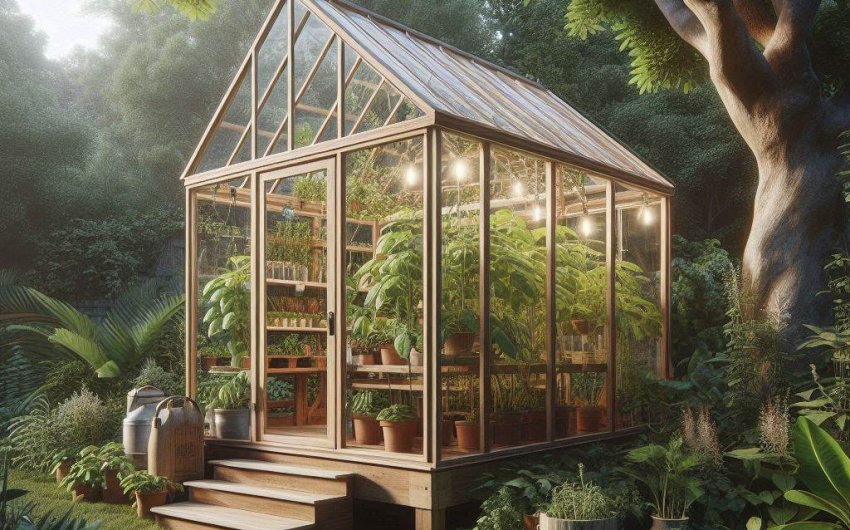
Building a small greenhouse in your backyard extends your growing season, protects delicate plants, and provides a controlled environment for starting seeds. This guide will walk you through planning, choosing materials, and constructing a functional backyard greenhouse, helping you cultivate plants year-round.
Why Build a Small Greenhouse in Your Backyard?
Having a personal greenhouse, even a small one, offers a multitude of benefits that can transform your gardening endeavors. It's more than just a fancy shed; it's a dedicated space for plant nurturing.
- Extended Growing Season: This is arguably the biggest advantage. A greenhouse allows you to start seeds earlier in spring, grow cool-weather crops well into fall or winter, and even overwinter tender plants that wouldn't survive outdoors.
- Protection from Elements: Shields plants from harsh winds, heavy rain, hail, frost, and even intense summer sun (with proper shading).
- Pest and Disease Control: Provides a semi-enclosed environment that can limit exposure to many garden pests and airborne diseases, making it easier to manage plant health.
- Controlled Environment: You can manipulate temperature, humidity, and ventilation more precisely than outdoors, optimizing conditions for specific plants.
- Seed Starting and Propagation: Ideal for germinating seeds, rooting cuttings, and propagating new plants, giving them a strong start before transplanting.
- Growing Exotic Plants: Cultivate tropical fruits, orchids, or other plants that require specific, warm conditions not naturally found in your climate zone.
- Sheltered Workspace: Offers a comfortable space for potting, tending to plants, or escaping the elements while gardening.
- Increased Yields: Healthier plants, longer growing seasons, and better protection often translate into higher yields of fruits, vegetables, and flowers.
Building a small greenhouse in your backyard is an investment that pays dividends in fresh produce, beautiful blooms, and year-round gardening enjoyment.
What Are the Key Considerations Before Building a Greenhouse?
Before you break ground on building a small greenhouse in your backyard, careful planning will save you time, money, and headaches down the road.
1. Location
- Sunlight: This is the most crucial factor. Choose a spot that receives maximum sunlight, especially during the colder months when light is scarce. A south-facing orientation (in the Northern Hemisphere) is generally ideal for capturing sunlight throughout the day.
- Drainage: Ensure the site has good drainage to prevent waterlogging around the foundation. Avoid low-lying areas that collect water.
- Accessibility: Is it easy to access for watering, ventilation, and hauling plants/supplies? Consider proximity to water and electricity.
- Wind Protection: While you want sun, avoid overly exposed sites that are prone to strong winds, which can stress the structure or increase heating costs. Nearby buildings or fences can offer a windbreak.
- Shading: Be mindful of existing trees or buildings that might cast shade, especially in winter. Deciduous trees can be beneficial in summer (providing natural shade) but problematic if they block winter sun.
2. Size and Type
- Grower's Needs: How much growing space do you need? What types of plants will you grow? (Seedlings, mature plants, tall plants?)
- Available Space: How much room does your backyard allow without overcrowding or violating setbacks?
- Budget: Larger, more complex greenhouses cost more in materials and construction.
- Types:
- Lean-to: Attached to an existing structure (house, shed). Saves space and some heating costs.
- Freestanding: A separate structure in the yard. Offers more flexibility in placement for optimal sun exposure.
- Hoop House/Polytunnel: Simple, often temporary structure with a flexible frame covered in plastic sheeting. Very economical.
- Traditional Glass/Polycarbonate: More permanent, aesthetically pleasing, but more expensive.
3. Materials
- Framing:
- Wood: Attractive, good insulator, requires treatment for rot. Common for DIY.
- Metal (Aluminum, Steel): Durable, low maintenance, but can conduct heat (aluminum) or rust (steel). Pre-made kits often use metal.
- PVC Pipe: Economical for hoop houses, easy to work with, but less durable in strong winds or heavy snow.
- Glazing (Covering):
- Polyethylene Film (Polycarbonate Sheeting): Inexpensive, easy to install, good light transmission. Single layer provides less insulation; double layer (inflated) offers more. Greenhouse Plastic Film
- Polycarbonate Panels: More durable than film, good insulation (especially twin-wall), diffuse light well, shatterproof. Common for mid-range kits. Twin-Wall Polycarbonate Panels
- Glass: Most aesthetically pleasing, excellent light transmission, durable. Poor insulator unless double-paned, heavy, expensive, and fragile. Best for permanent, high-end structures.
4. Regulations and Permits
- Local Ordinances: Check with your local city or county planning department. Many areas have restrictions on building size, height, setbacks from property lines, and require permits for permanent structures.
- HOA Rules: If you live in a homeowner's association, review their Covenants, Conditions, and Restrictions (CC&Rs) for rules regarding accessory structures.
5. Budget and Skills
- DIY vs. Kit vs. Professional: DIY saves labor costs but requires tools and skills. Kits offer pre-cut pieces and instructions. Professionals handle everything but are the most expensive.
- Ongoing Costs: Consider heating, cooling, ventilation, and watering costs.
Careful consideration of these factors will lay a solid foundation for successfully building a small greenhouse in your backyard.
What Are the Different Types of Backyard Greenhouses?
The type of greenhouse you choose when building a small greenhouse in your backyard will depend on your budget, space, and gardening goals.
1. Cold Frame
- Description: A low, unheated structure, typically just a few feet high, with a transparent top.
- Purpose: Extends the season by a few weeks on either end, protects plants from light frost, hardens off seedlings.
- Pros: Inexpensive, easy to build or buy, portable, good for beginners.
- Cons: Limited space, minimal temperature control.
- Example: A simple Wooden Cold Frame Kit.
2. Mini Greenhouse / Portable Greenhouse
- Description: Small, often collapsible structures made with lightweight frames (metal or PVC) covered in clear plastic sheeting. Resemble small shelves with a zipped cover.
- Purpose: Starting seeds, hardening off, temporary protection for a few plants.
- Pros: Very affordable, portable, easy to assemble, good for tiny spaces like balconies.
- Cons: Not very durable, poor insulation, limited temperature control, not suitable for overwintering tender plants in cold climates.
- Example: A Walk-In Mini Greenhouse.
3. Hoop House (Polytunnel)
- Description: A tunnel-shaped structure made from flexible hoops (PVC pipe, metal conduit) covered with a single or double layer of greenhouse plastic film.
- Purpose: Excellent for extending the season for row crops, offering more growing space than cold frames.
- Pros: Relatively inexpensive for the space provided, easy to build, good for passive solar heating.
- Cons: Less aesthetically pleasing, plastic needs replacement every few years, insulation is minimal unless double-layered.
- Example: DIY with Greenhouse Hoop Benders and Greenhouse Plastic Film.
4. Lean-To Greenhouse
- Description: A greenhouse attached to an existing building (house, garage, shed) with one side forming a wall of the greenhouse.
- Purpose: Ideal for limited space or connecting directly to a house for easy access and shared utilities/heating.
- Pros: Saves space, benefits from the thermal mass of the attached building (can reduce heating costs), easy access.
- Cons: Limits sun exposure to one side, might require more complex construction if attached to a home.
- Example: Many pre-made kits are available, or it can be a DIY project.
5. Freestanding Greenhouse (Traditional Style)
- Description: A standalone structure in your yard, typically with a gable or geodesic dome roof, made from wood, aluminum, or steel frame with glass or polycarbonate panels.
- Purpose: Offers maximum flexibility in placement for optimal sun, more growing space, and often more robust temperature control.
- Pros: Aesthetically pleasing, very durable, excellent light exposure, can be customized.
- Cons: More expensive, requires a solid foundation, needs dedicated space.
- Example: A Polycarbonate Panel Greenhouse Kit.
When deciding how to build a small greenhouse in your backyard, consider the climate you live in, the type of plants you want to grow, and your long-term commitment.
Step-by-Step Guide: Building a Simple Hoop House
For many beginners looking to build a small greenhouse in their backyard, a hoop house offers an economical and relatively straightforward entry point.
What You'll Need:
- Frame Materials:
- PVC pipe (1/2" or 3/4" Schedule 40) for hoops
- Rebar (1/2" or 3/8") for anchors
- Treated lumber (2x4 or 2x6) for baseboards
- Wood screws or strong zip ties
- Covering:
- UV-resistant 6-mil Greenhouse Plastic Film
- Fasteners:
- Spring clips or Greenhouse Film Clips
- Heavy-duty staples or battens for attaching plastic
- Tools:
- Measuring tape, marking tools
- Drill, Post-hole digger/sledgehammer for rebar
- Saw (for lumber), Wire cutters
- Staple gun, Hammer (for battens)
Steps:
Choose and Prepare Site:
- Select a sunny, well-drained spot.
- Clear the area of debris.
- Measure out your desired dimensions. A common size is 6-8 feet wide by 10-12 feet long.
Build the Base (Optional but Recommended):
- Lay out your treated lumber to form a rectangular base. Ensure it's square and level.
- Secure the corners with long screws or corner brackets. This provides a stable anchor for your hoops and allows you to attach the plastic more securely.
Install Rebar Anchors:
- Drive 18-24 inch lengths of rebar halfway into the ground along the long sides of your base, directly opposite each other.
- Space them every 2-4 feet, depending on the hoop material and desired hoop strength. These will serve as anchors for your PVC pipes.
Form and Install Hoops:
- Cut PVC pipes to the desired length (this determines the height and width of your hoop). A common rule of thumb is 1.5 times the width of your base for a good arch.
- Bend each PVC pipe and slip its ends over the rebar anchors on opposite sides of the base. This forms the "hoops" of your greenhouse.
- Secure the hoops to the baseboards using U-brackets or zip ties if you built a wooden base.
Add Ridge Pole and Supports (Optional but Recommended):
- Run a PVC pipe or wooden dowel along the top center (ridge) of the hoops. Attach it to each hoop using screws or zip ties. This adds stability.
- You might add diagonal bracing in the corners for extra strength, especially if you expect wind or snow.
Build End Walls (Optional for Walk-In):
- For a walk-in hoop house, you'll need framed end walls. Build simple rectangular frames from 2x4s to fit snugly into the ends of your hoop structure. Include a door frame on one end.
- Cover these frames with plastic film or polycarbonate panels.
Attach Greenhouse Plastic:
- Drape the Greenhouse Plastic Film over the entire hoop structure, leaving ample overhang on all sides.
- Secure:
- To Base: Staple the plastic securely to the wooden baseboards, then cover the staples with wooden battens (thin strips of wood) for extra durability and to prevent tearing.
- To Hoops: Use spring clamps or Greenhouse Film Clips to secure the plastic to the hoops, especially along the ridge.
- Ends: For hoop houses without framed ends, you can gather the plastic at the ends and secure it to a central post or weighted crossbar to create a seal, or even bury the edges in a shallow trench.
- Doors: For simple hoop houses, the ends can be rolled up and down as doors, secured with clips or bungee cords.
Ventilation:
- Crucial: Even small greenhouses can overheat quickly. For hoop houses, simply rolling up the side plastic (or lifting the end flap) is the easiest ventilation.
- Consider Automatic Vent Openers: For more controlled ventilation in a more permanent structure, invest in Automatic Vent Openers.
By following these steps, you can successfully navigate building a small greenhouse in your backyard using an economical hoop house design.
How Do You Control Temperature and Humidity in a Small Greenhouse?
Controlling the internal environment is key to maximizing the benefits of building a small greenhouse in your backyard.
1. Ventilation (Crucial for Cooling)
- Purpose: Prevents overheating, reduces humidity, and promotes air circulation. Overheating is the most common problem in small greenhouses.
- Methods:
- Vents: Install roof vents and side vents. Hot air rises, so roof vents allow heat to escape. Side vents allow cool air to enter.
- Automatic Vent Openers: These are invaluable. They use a heat-sensitive wax cylinder to open vents automatically when a certain temperature is reached and close them when it cools. Automatic Greenhouse Vent Opener
- Fans: Use small oscillating fans (Greenhouse Circulation Fan) to circulate air, prevent hot spots, and reduce humidity around plants.
- Manual Opening: For simple structures like hoop houses, rolling up sides or opening end flaps provides ventilation. You must remember to do this daily.
2. Heating (For Colder Climates/Overwintering)
- Purpose: Maintain desired minimum temperatures for plant survival or optimal growth during cold periods.
- Methods:
- Passive Solar: The greenhouse itself uses solar energy. Placing water barrels (painted black) inside can absorb heat during the day and release it slowly at night.
- Electric Heaters: Small Greenhouse Heaters with thermostats are convenient but can be costly to run.
- Propane/Kerosene Heaters: Can be used, but require proper ventilation to prevent carbon monoxide buildup. Not ideal for continuous use in small, enclosed spaces.
- Compost Piles: A large, active compost pile inside a greenhouse can generate a surprising amount of heat.
3. Cooling (Preventing Overheating)
- Purpose: Prevents heat stress on plants during hot, sunny periods.
- Methods:
- Ventilation: As above, crucial for cooling.
- Shade Cloth: Install a Greenhouse Shade Cloth over the exterior of the greenhouse. It blocks a percentage of sunlight and reduces internal temperatures. Remove it during cooler months.
- Whitewash: Apply a temporary whitewash solution to the outside of glass or polycarbonate. It reflects light and heat. Washes off with rain over time.
- Misting/Evaporative Cooling: Misting the floor or using a small evaporative cooler can lower temperatures through evaporation, but increases humidity.
4. Humidity Control
- Purpose: Optimal humidity prevents fungal diseases and supports plant health.
- Methods:
- Ventilation: Again, proper ventilation helps remove excess humidity.
- Watering Practices: Water early in the day so plants dry quickly. Avoid overwatering.
- Circulation Fans: Keep air moving around plants to prevent stagnant, humid air pockets.
- Humidifiers/Dehumidifiers: For very specific needs, a small Greenhouse Humidifier or dehumidifier might be used, but this is less common in small backyard setups.
Careful monitoring with a Greenhouse Thermometer/Hygrometer is essential for effective temperature and humidity management after building a small greenhouse in your backyard.
What Essential Accessories Are Needed for a Small Greenhouse?
Beyond the structure itself, certain accessories will make your greenhouse functional and your gardening easier, once you've committed to building a small greenhouse in your backyard.
1. Shelving and Staging
- Purpose: Maximize vertical space and organize plants.
- Types: Tiered shelves, workbench-style staging, hanging baskets.
- Materials: Slatted shelves allow for good air circulation and drainage. Consider Greenhouse Staging Benches or DIY shelves from wood or metal.
2. Watering System
- Purpose: Provide consistent moisture to plants efficiently.
- Methods:
- Hose and Watering Can: Basic, but effective for small greenhouses.
- Drip Irrigation System: More efficient, delivers water directly to plant roots, reduces humidity. A Small Drip Irrigation Kit is perfect.
- Soaker Hoses: Good for beds or rows.
- Automatic Timers: Connect to your watering system for consistent scheduling.
3. Thermometer and Hygrometer
- Purpose: Essential for monitoring temperature and humidity levels inside the greenhouse.
- Types: Digital or analog. Some combine both functions. A Greenhouse Thermometer/Hygrometer is crucial.
- Placement: Place away from direct sun or vents for accurate readings.
4. Fans
- Purpose: Improve air circulation, reduce humidity, prevent fungal diseases, and help equalize temperatures.
- Types: Small oscillating fans (Greenhouse Circulation Fan) are usually sufficient.
5. Heating and Cooling Aids (As Needed)
- Heaters: If overwintering tender plants in cold climates, a thermostatically controlled electric Greenhouse Heater might be necessary.
- Shade Cloth: Essential for hot summers to prevent overheating and scorching. A Greenhouse Shade Cloth is easy to install and remove.
6. Tools and Supplies
- Potting Bench: A dedicated space for potting and working.
- Hand Tools: Trowels, pruners, soil scoop.
- Seed Starting Supplies: Seed trays, pots, specialized seed starting mix (Seed Starting Mix).
- Fertilizer: Specific to the plants you are growing.
These accessories turn your newly constructed shell into a thriving plant sanctuary, making your investment in building a small greenhouse in your backyard truly worthwhile.
What Plants Can You Grow in a Small Backyard Greenhouse?
The possibilities are vast once you master building a small greenhouse in your backyard, extending far beyond what's possible in an outdoor garden.
1. Seed Starting and Propagation
- Purpose: Get a head start on the growing season.
- Examples: Tomatoes, peppers, broccoli, cabbage, annual flowers, herbs. Start these much earlier than you could outdoors, allowing for earlier harvests.
- Cuttings: Ideal environment for rooting plant cuttings (e.g., pelargoniums, fuchsias, hydrangeas).
2. Tender Annuals and Perennials
- Purpose: Protect plants sensitive to cold.
- Examples: Geraniums, impatiens, petunias, coleus. These can be grown from seed, overwintered as cuttings, or kept alive longer.
- Perennials: Give tender perennials a head start before planting out, or overwinter them in pots.
3. Warm-Season Vegetables
- Purpose: Extend the growing season for heat-loving crops, especially in cooler climates.
- Examples:
- Tomatoes: Can be grown for earlier harvests and protected from late blight.
- Peppers: Hot and sweet varieties thrive in consistent warmth.
- Cucumbers: Can produce heavily in a protected environment.
- Eggplant, Okra, Melons: Benefit significantly from greenhouse warmth.
- Compact Varieties: Choose bush or dwarf varieties for small greenhouses.
4. Cool-Season Vegetables (Year-Round in Many Climates)
- Purpose: Grow these crops even in winter or during shoulder seasons.
- Examples: Lettuce, spinach, kale, Swiss chard, arugula, radishes, carrots. These can be grown almost year-round in an unheated or minimally heated greenhouse in many temperate climates.
- Succession Planting: Plant small batches every few weeks for a continuous supply.
5. Herbs
- Purpose: Grow fresh herbs year-round.
- Examples: Basil, rosemary, thyme, oregano, parsley, mint, cilantro.
- Tropical Herbs: Lemon grass, ginger, and others that need consistent warmth.
6. Exotic or Specialty Plants
- Purpose: Grow plants outside their natural climate zone.
- Examples:
- Citrus Trees: Dwarf varieties can thrive in pots.
- Orchids: Many varieties love the humid, controlled environment.
- Succulents/Cacti: Can be overwintered and protected from excess moisture.
- Coffee Plants, Avocado: Can be grown as decorative or fruiting plants.
By carefully managing the environment, building a small greenhouse in your backyard opens up a world of gardening possibilities, allowing you to enjoy a wider variety of plants and extended harvests.