
How to Grow Lettuce in Small Spaces: Urban Gardening Tips
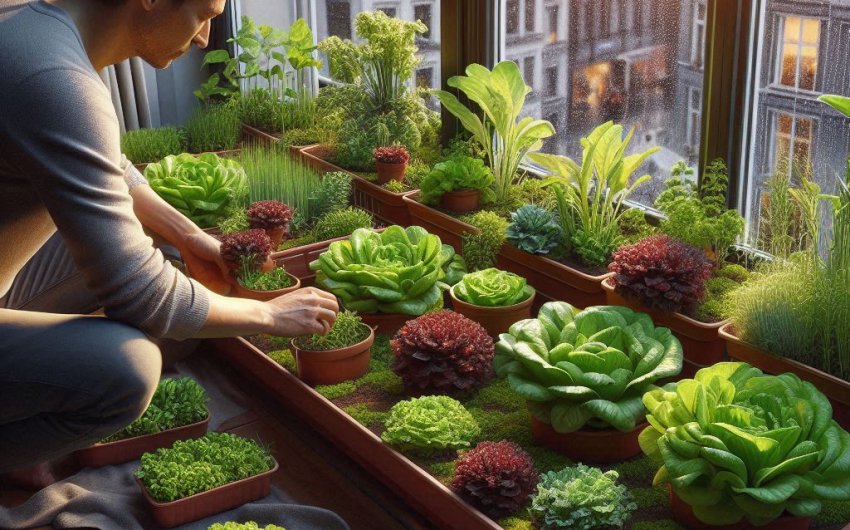
To grow lettuce in small spaces, choose compact varieties and utilize vertical gardening, containers, or hydroponics. Focus on consistent moisture, adequate light, and frequent harvesting to maximize your yield in limited urban environments.
Why Grow Lettuce in Small Spaces?
Growing your own lettuce, even with limited room, offers numerous benefits for urban gardeners. It’s an accessible and rewarding way to enjoy fresh produce.
- Freshness and Flavor: Homegrown lettuce tastes superior to store-bought, offering crispness and vibrant flavor.
- Cost Savings: Reduce your grocery bill by cultivating your own salad greens.
- Convenience: Harvest fresh lettuce just steps from your kitchen, ensuring availability for meals.
- Healthier Options: Control what goes into your food by avoiding pesticides and choosing organic practices.
- Continuous Harvest: With proper techniques, you can enjoy a steady supply of lettuce throughout the growing season.
- Space Efficiency: Lettuce is well-suited for compact growing methods, making it ideal for balconies, patios, and windowsills.
- Rewarding Hobby: Gardening provides a connection to nature and a sense of accomplishment, even in an urban setting.
What Types of Lettuce Are Best for Small Spaces?
Choosing the right lettuce varieties is crucial when learning how to grow lettuce in small spaces. Some types are naturally more compact or can be harvested in ways that suit limited room.
1. Loose-Leaf Lettuce
- Description: Forms loose, non-heading clumps of leaves. Varieties like 'Black Seeded Simpson', 'Salad Bowl', 'Oakleaf', and 'Red Sails'.
- Why It's Good: Perfect for "cut-and-come-again" harvesting. You can pick outer leaves as needed, and the plant continues to produce. This means a continuous supply without needing much space for individual large heads.
- Space Needs: Requires less individual plant space compared to heading types.
2. Romaine Lettuce (Miniature Varieties)
- Description: Forms upright, elongated heads. Look for "mini-Romaine" or "baby Romaine" varieties such as 'Little Gem' or 'Paris Island Cos (Mini)'.
- Why It's Good: These smaller versions fit well in containers and provide a good crunch. They can also be harvested by individual leaves or as small heads.
- Space Needs: Takes up slightly more room than loose-leaf, but miniature types are compact.
3. Butterhead Lettuce (Bibb or Boston)
- Description: Forms loose, soft heads with delicate, buttery leaves. Examples include 'Tom Thumb' (a true miniature) or 'Buttercrunch'.
- Why It's Good: Very tender and flavorful. 'Tom Thumb' is specifically bred for small spaces.
- Space Needs: Generally takes up more space per head than loose-leaf, but miniature varieties are excellent.
4. Batavian Lettuce (Summer Crisp)
- Description: A cross between loose-leaf and crisphead, offering a crisp texture and good heat tolerance. Varieties like 'Nevada' or 'Mascara'.
- Why It's Good: Good for warmer climates and provides a sturdy leaf. Can be harvested as outer leaves or small heads.
- Space Needs: Varies, but many can be managed in containers.
Types to Avoid (Generally, for Small Spaces):
- Crisphead/Iceberg Lettuce: Forms large, dense heads, requiring significant space per plant and a longer growing season. Less suited for continuous harvest.
Focus on varieties marketed as "baby leaf," "mini," or those known for their "cut-and-come-again" ability for the best success when trying to grow lettuce in small spaces.
What Container Types Work Best for Urban Lettuce Gardens?
When you grow lettuce in small spaces, the right containers are essential. They need to provide adequate drainage and support the plant's root system.
Traditional Pots:
Advertisement- Material: Terracotta, plastic, ceramic, or fabric pots. Fabric pots (Fabric Grow Bags) are excellent as they provide good drainage and air circulation to the roots, preventing overwatering.
- Size: Aim for pots at least 6-8 inches deep and wide for individual plants or groups of loose-leaf lettuce.
- Drainage: Ensure all pots have drainage holes at the bottom to prevent root rot.
Window Boxes:
- Description: Long, shallow containers perfect for railings or windowsills.
- Pros: Utilize narrow spaces efficiently, ideal for multiple lettuce plants in a row.
- Drainage: Must have drainage holes.
Grow Bags:
- Description: Breathable fabric containers that come in various sizes.
- Pros: Excellent drainage, prevent root circling, lightweight, and easy to move. Available in sizes from small individual bags to large rectangular ones for multiple plants.
- Recommended: Gallon Fabric Grow Bags are versatile.
Vertical Planters/Stackable Planters:
- Description: Systems that allow you to grow plants upwards, maximizing vertical space.
- Pros: Ideal for balconies, small patios, or even indoors. Can hold many plants in a small footprint.
- Types: Stackable towers, wall-mounted pouches, tiered planters. Example: Vertical Garden Planter
- Considerations: Ensure proper water flow to all levels.
Self-Watering Planters:
- Description: Containers with a water reservoir at the bottom that wicks water up to the soil.
- Pros: Reduce watering frequency, provide consistent moisture, great for busy gardeners or those prone to forgetting.
- Recommended: Look for Self-Watering Planters.
Drainage is Key!
No matter which container you choose, adequate drainage is paramount. Lettuce roots hate sitting in soggy soil, which leads to root rot and other issues. If your pot doesn't have holes, drill some.
What is the Ideal Soil and Light for Lettuce in Containers?
Getting the right soil and light conditions is fundamental for success when you grow lettuce in small spaces.
Soil Requirements
- Well-Draining Potting Mix: This is non-negotiable for containers. Standard garden soil is too dense and doesn't drain well in pots. Use a high-quality, lightweight potting mix specifically designed for containers.
- Key Features: Look for mixes that contain perlite, vermiculite, or coir for improved drainage and aeration.
- Nutrients: A good potting mix usually includes some slow-release fertilizer or compost to provide initial nutrients.
- pH Level: Lettuce prefers a slightly acidic to neutral pH, between 6.0 and 7.0. Most commercial potting mixes fall within this range.
- Avoid Garden Soil: Never use heavy garden soil in containers; it compacts easily and suffocates roots.
- Compost (Optional): You can mix in a small amount (10-20%) of well-rotted compost to boost nutrients and beneficial microbes. A bag of Organic Potting Mix with Compost is a good starting point.
Light Requirements
- Full Sun to Partial Shade: Lettuce generally needs at least 4-6 hours of direct sunlight per day to grow vigorously.
- Afternoon Shade in Hot Climates: In very hot climates (where temperatures consistently exceed 80°F or 27°C), providing some afternoon shade is crucial. Too much intense heat and direct sun can cause lettuce to "bolt" (go to seed) prematurely, making the leaves bitter and unpalatable.
- Location, Location, Location:
- South-facing (Northern Hemisphere): Often provides the most light, but might be too intense in summer.
- East-facing: Gets morning sun, which is ideal – gentle yet sufficient.
- West-facing: Gets hot afternoon sun, might need shade cover in summer.
- North-facing: Likely too little sun for robust growth.
- Indoor Growing: If growing indoors, a south-facing window might be enough, but supplemental grow lights (like LED Grow Lights) will likely be necessary to provide consistent, adequate light for good production.
How Do You Plant Lettuce Seeds or Transplants in Containers?
Whether you start from seed or use small plants, proper planting is key for how to grow lettuce in small spaces.
From Seed
- Fill Containers: Fill your chosen containers with a quality potting mix, leaving about 1 inch of space from the rim.
- Sow Seeds:
- Scattering (Loose-Leaf): For "cut-and-come-again" harvesting, you can lightly scatter seeds over the surface of the soil.
- Rows/Spacing (Heading Types): For small heading varieties, sow seeds in shallow rows or spaced out, allowing 4-6 inches between seeds, depending on the mature size of the variety.
- Depth: Lettuce seeds need light to germinate, so cover them very lightly with about 1/8 inch of potting mix or fine vermiculite.
- Water Gently: Mist the surface with a Fine Mist Spray Bottle or use a gentle stream of water to avoid disturbing the seeds. Keep the soil consistently moist.
- Germination: Seeds usually germinate in 7-14 days.
- Thinning: Once seedlings have a few true leaves, thin them to their recommended spacing. For loose-leaf, aim for 2-4 inches apart. For small heading types, 6 inches apart. You can eat the thinned seedlings!
From Transplants (Young Plants)
- Prepare Containers: Fill containers with potting mix.
- Make Holes: Dig holes large enough to accommodate the root ball of your transplants.
- Plant Gently: Carefully remove the lettuce transplant from its nursery pot. Try not to disturb the roots too much. Plant at the same depth it was in its original container.
- Space Correctly: Ensure adequate spacing between transplants (4-8 inches, depending on variety) to allow for good airflow and growth.
- Water Thoroughly: Water immediately and deeply after planting to help settle the soil around the roots.
- Acclimatize (if purchased): If your transplants came from a greenhouse, gradually expose them to outdoor conditions over a few days before full planting to prevent shock.
How Do You Care for Container-Grown Lettuce?
Consistent care ensures a healthy, productive harvest when you grow lettuce in small spaces.
1. Watering
- Crucial: Lettuce has shallow roots and needs consistent moisture. It's often the biggest challenge in containers, as they dry out faster.
- Frequency: Check the soil daily, especially in warm or windy weather. Water when the top inch of soil feels dry.
- Method: Water deeply until water drains from the bottom of the pot. Avoid overhead watering late in the day, which can encourage fungal diseases.
- Consistency: Fluctuations in moisture (drying out then soaking) can cause bitterness or bolting. Consider self-watering planters for easier maintenance.
2. Fertilizing
- Moderate Feeder: Lettuce isn't a heavy feeder, but container plants will deplete soil nutrients faster than in-ground gardens.
- Initial Mix: If your potting mix contains fertilizer, you might not need to fertilize for the first 3-4 weeks.
- Ongoing: After that, feed every 2-3 weeks with a balanced liquid fertilizer, diluted to half strength. Look for organic options like Liquid Organic Fertilizer or a fish emulsion.
- Avoid Over-Fertilizing: Too much nitrogen can lead to lush but weak growth.
3. Pest and Disease Management
- Common Pests: Aphids, slugs, and snails are typical lettuce pests.
- Aphids: Blast them off with a strong stream of water, or use insecticidal soap like Organic Insecticidal Soap.
- Slugs/Snails: Hand-pick them in the evening, use beer traps, or sprinkle diatomaceous earth around the base of plants.
- Diseases: Often caused by too much moisture or poor air circulation.
- Prevention: Ensure good drainage, avoid overhead watering late in the day, and space plants properly.
- Removal: Remove any affected leaves immediately.
- Regular Inspection: Check your plants daily for signs of pests or disease to catch problems early.
4. Preventing Bolting
- What is Bolting? Lettuce "bolts" when it sends up a flower stalk and goes to seed. This happens in response to heat, long daylight hours, or stress (like inconsistent watering). Bolted lettuce leaves become bitter and tough.
- Tips to Prevent:
- Choose Bolt-Resistant Varieties: Look for "slow-bolt" or "heat-tolerant" varieties.
- Provide Afternoon Shade: Move containers to a shadier spot or provide shade cloth during hot afternoons.
- Consistent Watering: Avoid letting the soil dry out.
- Harvest Frequently: Regular harvesting encourages leaf production rather than flowering.
- Plant in Succession: Plant small batches every 2-3 weeks to ensure a continuous supply and replace plants that bolt.
How Do You Harvest Lettuce for Continuous Supply?
Harvesting lettuce correctly is crucial for maximizing your yield and enjoying fresh greens for longer when you grow lettuce in small spaces.
1. Cut-and-Come-Again Method (Loose-Leaf Lettuce)
- Ideal For: Loose-leaf, some Romaine, and Batavian varieties.
- How To: Use clean scissors or a sharp knife to snip off the outer leaves, leaving the inner leaves and the growing point intact.
- Benefits: Allows the plant to continue producing new leaves from the center, providing multiple harvests over several weeks.
- Frequency: You can usually start harvesting outer leaves once the plant has 6-8 true leaves and is about 4-6 inches tall. Harvest as needed, often every few days to once a week.
2. Whole Head Harvest (Miniature Heading Types)
- Ideal For: 'Little Gem' Romaine, 'Tom Thumb' Butterhead, or when you want to replace a plant.
- How To: Cut the entire plant at the base, just above the soil line.
- Benefits: Provides a full head for salads. Some varieties may regrow if a few bottom leaves are left.
3. Baby Leaf Harvest
- Ideal For: Dense plantings of any lettuce type where you want very tender, young leaves.
- How To: Once the plants are 3-4 inches tall, use scissors to cut all the leaves about 1 inch above the soil.
- Benefits: Produces incredibly tender greens. The plants will regrow for several more harvests.
- Frequency: Can be harvested as often as every 1-2 weeks.
Tips for Harvesting:
- Harvest in Morning: Lettuce is crispiest and most flavorful when harvested in the cool morning after dew has dried.
- Use Clean Tools: Always use clean scissors or a knife to prevent disease transmission.
- Wash Gently: Rinse harvested lettuce under cool water and pat dry or use a Salad Spinner before storing.
- Store Properly: Store washed lettuce in a sealed bag or container with a paper towel in the refrigerator to maintain freshness.
What Are Some Creative Urban Gardening Solutions for Lettuce?
To truly master how to grow lettuce in small spaces, think beyond traditional pots and explore innovative urban gardening setups.
1. Vertical Gardening Systems
- Concept: Growing plants upwards, using walls, fences, or standalone structures.
- Types:
- Wall-Mounted Planters: Pouches, tiered shelves, or connected pots that hang on a vertical surface. Example: Wall Hanging Planters
- Stackable Planters: Containers that stack on top of each other, creating a tower.
- DIY Pallet Gardens: Repurpose a wooden pallet by attaching landscape fabric to create planting pockets.
- Pros: Maximize space dramatically, create attractive living walls, keep plants off the ground.
- Considerations: Ensure consistent watering to all levels; top-down watering systems are often best.
2. Hydroponics and Aquaponics
- Concept: Growing plants without soil, using nutrient-rich water.
- Hydroponics: Plants grow with their roots directly in nutrient solution or in inert media like rockwool or coco coir.
- Aquaponics: Combines hydroponics with aquaculture (raising fish), where fish waste provides nutrients for the plants.
- Pros: Faster growth, less water usage, no weeds, very clean, can be done indoors year-round. Ideal for maximizing yield in minimal space.
- Systems: Small tabletop hydroponic units for herbs and lettuce are readily available. Example: Small Hydroponic Garden Kit
- Cons: Higher initial setup cost, requires monitoring nutrient levels, can be more technical.
3. Repurposed Containers
- Concept: Using everyday items as planters.
- Ideas:
- Plastic Bottles: Cut horizontally, create drainage, and hang.
- Old Drawers: Line with plastic and add drainage.
- Laundry Baskets: Line with landscape fabric.
- Tires: Stack them and fill with soil (be aware of potential chemical leaching from tires).
- Pros: Inexpensive, eco-friendly, adds character.
- Considerations: Ensure adequate drainage, food safety (avoid containers that held harmful chemicals), and stability.
4. Gutter Gardens
- Concept: Using sections of rain gutters as shallow planters.
- Setup: Mount sections of gutters to a sunny wall or railing. Drill drainage holes.
- Pros: Excellent for shallow-rooted crops like lettuce, utilizes long, narrow spaces.
- Cons: Can dry out quickly, requires consistent watering.
By thinking creatively about how you use your available space, you can significantly expand your ability to grow lettuce in small spaces.
Succession Planting for Continuous Harvest in Small Spaces
Succession planting is a smart strategy to ensure you have a constant supply of fresh lettuce rather than one big harvest followed by nothing. This is especially useful when you grow lettuce in small spaces.
What It Is: Instead of planting all your lettuce seeds or transplants at once, you plant small batches every 1-2 weeks.
How It Works: As one batch matures and is harvested, the next batch is just starting to produce, and another batch is still in seedling stage. This creates a staggered harvest.
Steps:
- Divide Your Space: Mentally (or physically) divide your container space into sections.
- Stagger Planting: Plant a small section with lettuce seeds or transplants.
- Wait and Repeat: Two weeks later, plant the next section. Repeat this process as long as conditions are favorable for lettuce growth.
- Replace Old Plants: As older plants begin to bolt or decline in production, pull them out and plant a new batch in their place.
Benefits:
- Continuous Supply: Enjoy fresh lettuce throughout the growing season.
- Efficient Space Use: Maximize output from a limited area.
- Risk Management: If one batch fails, you have others coming along.
- Manage Bolting: Helps ensure you always have young, tender leaves before older plants turn bitter.
Common Problems When Growing Lettuce in Containers and How to Solve Them
Even with the best intentions, you might face challenges when you grow lettuce in small spaces. Here's how to troubleshoot common issues.
1. Lettuce Bolting Prematurely (Turning Bitter)
- Problem: The plant sends up a flower stalk and stops producing tender leaves. Leaves become bitter and tough.
- Causes: High temperatures, inconsistent watering, too much sun, or mature plants in prolonged stress.
- Solutions:
- Choose Slow-Bolt Varieties: Select heat-tolerant types.
- Provide Afternoon Shade: Move containers or use shade cloth when temperatures rise above 75°F (24°C).
- Consistent Water: Never let the soil dry out completely.
- Harvest Early & Often: Pick leaves before the plant feels the need to reproduce.
- Succession Plant: Continuously plant new batches to replace older, bolting plants.
2. Leaves are Yellowing
- Problem: Leaves turn pale green or yellow.
- Causes:
- Overwatering: Most common in containers due to poor drainage or too frequent watering, leading to root rot.
- Nutrient Deficiency: Especially nitrogen, which is crucial for leafy greens.
- Lack of Sunlight: Not enough light can lead to pale, leggy growth.
- Solutions:
- Check Drainage: Ensure your container has ample drainage holes. Water only when the top inch of soil feels dry.
- Fertilize: Apply a balanced liquid fertilizer at half strength every 2-3 weeks.
- Adjust Light: Move the container to a brighter spot (4-6 hours direct sun minimum).
3. Pests (Aphids, Slugs, Snails)
- Problem: Holes in leaves, distorted growth, visible insects.
- Causes: Pests are attracted to lush greens.
- Solutions:
- Aphids: Blast with a strong stream of water. Apply Organic Insecticidal Soap. Introduce beneficial insects (ladybugs).
- Slugs/Snails: Hand-pick in the evening. Place beer traps. Create barriers with crushed eggshells or Diatomaceous Earth Food Grade around the container rims (reapply after rain).
- Regular Inspection: Check plants daily to catch infestations early.
4. Dampening-Off (Seedlings Collapsing)
- Problem: Young seedlings suddenly wilt and fall over at the soil line.
- Causes: Fungal disease, often due to overly wet soil, poor air circulation, or unsterilized potting mix.
- Solutions:
- Sterile Potting Mix: Always use fresh, sterile seed-starting mix.
- Good Drainage: Ensure trays have drainage holes.
- Avoid Overwatering: Keep soil moist, not soggy.
- Air Circulation: Use a small fan if growing indoors.
- Thin Seedlings: Prevent overcrowding.
With these troubleshooting tips, you can effectively manage issues and ensure success as you grow lettuce in small spaces.
Maximizing Yield in Tiny Spaces: Urban Gardening Hacks
Even the smallest urban space can yield a surprising amount of lettuce with smart planning. These hacks will help you squeeze out every bit of production when you grow lettuce in small spaces.
1. Intercropping
- Concept: Planting different crops together in the same container to maximize space.
- Application: Plant fast-growing lettuce between slower-growing plants like tomatoes or peppers. By the time the larger plants need the space, the lettuce will likely be harvested.
- Benefits: Efficient use of vertical and horizontal space.
2. Edible Landscaping
- Concept: Integrating edible plants into your ornamental landscaping.
- Application: Tuck lettuce plants into flower beds, along walkways, or in decorative pots normally reserved for flowers. Lettuce can be quite beautiful, especially red or speckled varieties.
- Benefits: Adds beauty, utility, and maximizes every available spot.
3. Indoor Growing with Grow Lights
- Concept: Extending your growing season or growing year-round indoors.
- Setup: Use a simple shelving unit with LED Grow Lights above each shelf.
- Benefits: Consistent supply of fresh lettuce regardless of outdoor weather, precise control over growing conditions.
- Considerations: Requires an initial investment in lighting, consistent temperature control.
4. Repurposed Vertical Towers
- Concept: Building your own vertical planters from common household items.
- Ideas:
- Pallet Planters: As mentioned, perfect for wall mounting.
- Plastic Bottle Towers: Stack cut plastic bottles, connecting them to allow water to drip down.
- Shoe Organizer Planters: Fabric over-the-door shoe organizers can be hung and each pocket filled with soil for individual lettuce plants.
- Benefits: Extremely cost-effective, environmentally friendly, customizable.
5. Hydroponic Systems for Speed
- Concept: Using water-based growing systems for rapid growth.
- Small-Scale: Even a simple Mason Jar Hydroponics Kit can work for a single lettuce plant on a windowsill.
- Benefits: Fastest growth rate, less mess (no soil), ideal for very small, controlled indoor spaces.
By employing these creative solutions, you'll discover that even with minimal space, a continuous harvest of fresh, delicious lettuce is entirely achievable. The joy of harvesting your own greens, regardless of your urban footprint, makes the effort truly worthwhile. Learning how to grow lettuce in small spaces empowers you to embrace a more sustainable and flavorful lifestyle.