
Creating a Low-Maintenance Garden Landscape: Tips and Tricks
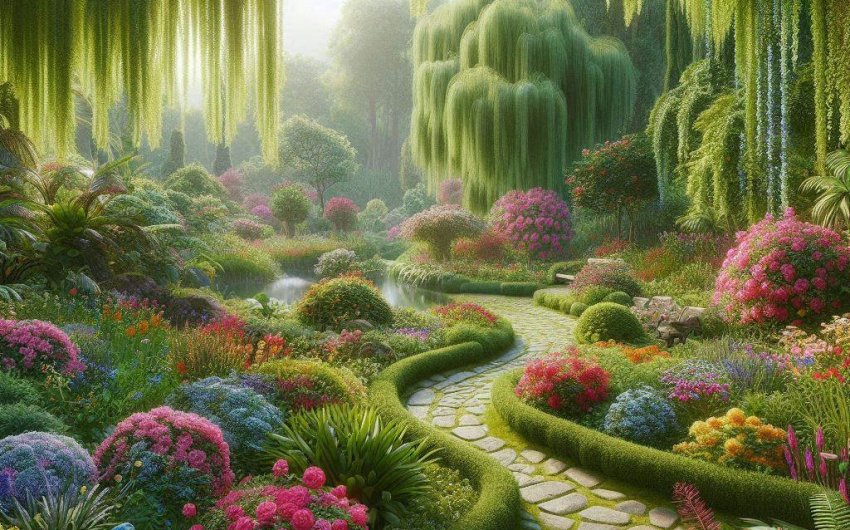
Designing an outdoor space that offers beauty and tranquility without demanding endless hours of upkeep is the dream of many homeowners. Fortunately, creating a low-maintenance garden landscape is entirely achievable with thoughtful planning and smart plant choices. By focusing on principles that minimize watering, weeding, and pruning, you can cultivate a stunning yard that allows more time for relaxation and enjoyment rather than constant chores. This comprehensive guide will share practical tips and tricks to help you achieve a beautiful, easy-care garden that truly thrives.
Why aim for a low-maintenance garden landscape?
The primary reason to design a low-maintenance garden is to reduce the time, effort, and resources spent on its upkeep. For busy individuals or those simply wanting to enjoy their outdoor space more, this approach offers significant advantages.
What are the benefits of a low-maintenance garden?
- More Free Time: Less time spent on tasks like weeding, watering, and intricate pruning means more hours for hobbies, family, or simply relaxing in your garden.
- Reduced Costs: Lower water usage (especially with drought-tolerant plants and efficient irrigation) and less need for fertilizers, pesticides, and specialized tools can save money over time.
- Environmental Friendliness: Reduced reliance on chemical inputs and efficient water use is better for the planet. Using native plants also supports local ecosystems.
- Less Stress: A garden that doesn't constantly demand your attention can be a source of peace, not a source of stress or guilt.
- Increased Enjoyment: When your garden is easier to manage, you're more likely to spend time in it, appreciating its beauty.
- Higher Property Value: A well-designed, attractive, yet easy-to-care-for landscape can be a major selling point for your home.
How do you plan your low-maintenance garden landscape?
Effective planning is the foundation of any successful garden, especially one designed for minimal upkeep. A well-thought-out design saves time and effort down the line.
What are key planning considerations?
- Assess Your Site:
- Sunlight: Observe how sunlight moves across your yard throughout the day and year. Map out areas that receive full sun (6+ hours), partial sun (3-6 hours), and shade (less than 3 hours). This determines which plants will thrive without constant intervention.
- Soil Type: Know your soil. Is it sandy, clay, or loamy? Good drainage is key. Amend your soil with compost to improve its structure and fertility.
- Existing Features: Work with existing trees, structures, and slopes. Don't fight nature; embrace it.
- Drainage: Identify any areas where water pools or drains poorly. Address these issues with grading or a French drain system if necessary.
- Define Your Needs and Lifestyle:
- Functionality: Do you need a patio for entertaining, a play area for kids, or a quiet reading nook? Zone your garden accordingly.
- Time Commitment: Be realistic about how much time you are willing to spend each week or month. This will guide your plant and material choices.
- Aesthetics: What style do you prefer? Modern, rustic, cottage, minimalist?
- Choose a Style: A cohesive design with clear lines and designated areas for different functions often looks tidier and is easier to maintain than a haphazard mix.
- Create a Master Plan: Sketch out your ideas on paper. This doesn't have to be professional, just a clear visual guide. Include hardscaping elements (patios, paths), planting beds, and any other features. This blueprint will guide your efforts in creating a low-maintenance landscape.
What plant choices support a low-maintenance garden?
The plants you select are perhaps the single most important factor in creating a low-maintenance garden. Opt for species that are well-suited to your local climate and require minimal fuss.
What characteristics define low-maintenance plants?
- Native Plants: These are perfectly adapted to your local climate, soil, and rainfall patterns. They require less water, fertilizer, and pest control once established. Research native plants for your region.
- Drought-Tolerant Plants: Even if native, selecting plants that can withstand periods of dry weather reduces watering needs. Look for plants with waxy, fuzzy, or succulent leaves.
- Disease and Pest Resistant Varieties: Choose cultivars known for their natural resistance to common local diseases and pests, minimizing the need for chemical interventions.
- Appropriate Size: Select plants that will grow to their mature size without overwhelming their space. This reduces the need for constant pruning. Avoid fast-growing trees or shrubs that require frequent trimming.
- Non-Invasive: Research plants to ensure they aren't invasive in your area, preventing them from spreading aggressively and creating more work.
- Evergreen over Deciduous (for some areas): Evergreen shrubs and trees provide year-round interest and don't drop leaves that need raking in autumn.
- Perennials over Annuals: While annuals provide continuous blooms, they need to be replanted every year. Perennials return each season, requiring less effort once established. Focus your low-maintenance garden design on perennials, shrubs, and trees.
What are examples of low-maintenance plant types?
- Ornamental Grasses: Many varieties (e.g., Little Bluestem, Fountain Grass) are incredibly tough, drought-tolerant, and provide beautiful texture and movement with minimal care.
- Succulents and Cacti: For very dry climates, these are perfect. They require almost no water once established and come in fascinating shapes and colors.
- Evergreen Shrubs: Boxwood, Nandina, Dwarf Conifers, and some Junipers offer year-round structure and minimal pruning.
- Hardy Perennials: Daylilies, Hostas (for shade), Coneflowers, Sedum, Lavender, and Russian Sage are examples of perennials that are generally tough and require little attention.
- Flowering Shrubs: Hydrangeas (choose appropriate varieties for your climate), Spireas, and certain Roses (e.g., 'Knock Out' roses) offer beautiful blooms with relatively low care.
Consider getting a drought-tolerant plant guide for your specific region.
How can hardscaping reduce garden maintenance?
Hardscaping, which includes non-living elements like patios, paths, and walls, plays a significant role in creating a low-maintenance garden landscape by reducing the amount of planted area and minimizing tasks like weeding.
What hardscaping elements are low-maintenance?
- Patios and Decks: Reduce lawn area and provide defined spaces for outdoor living. Choose durable materials like pavers, stamped concrete, or composite decking that require minimal cleaning.
- Paths and Walkways: Create clear routes through your garden, reducing foot traffic on planted areas and defining beds. Materials like gravel, stepping stones, or concrete pavers are durable and easy to maintain. Use a weed barrier fabric underneath gravel to prevent weeds.
- Retaining Walls: Used on slopes to create level planting areas, reducing erosion and making gardening easier.
- Rock Gardens: Incorporate decorative rocks and boulders. These add visual interest, define spaces, and eliminate the need for planting in those areas.
- Edging: Install neat garden edging made from metal, plastic, or stone around garden beds. This creates a clean boundary and helps prevent grass or weeds from creeping into beds, significantly reducing trimming and weeding. A steel garden edging kit can be very durable.
What watering systems promote low-maintenance gardening?
Efficient watering is crucial for low-maintenance landscaping, especially in drier climates. Automated systems save time and conserve water.
What are water-wise irrigation options?
- Drip Irrigation Systems: These deliver water directly to the plant roots, minimizing evaporation and runoff. They are highly efficient and ideal for garden beds, containers, and even some shrubs. A drip irrigation starter kit is a great investment.
- Soaker Hoses: Similar to drip systems, soaker hoses slowly weep water along their entire length, providing consistent moisture to plant roots. They are relatively inexpensive and easy to install. Consider a soaker hose for your planting beds.
- Smart Controllers: Connect your irrigation system to a smart irrigation controller that uses local weather data and soil moisture sensors to adjust watering schedules automatically. This prevents overwatering and conserves water.
- Rain Barrels: Collect rainwater from your downspouts for use in the garden. This reduces your reliance on municipal water and can save money. A rain barrel is an eco-friendly addition.
Remember to still check your plants regularly, especially during hot spells, as even automated systems need occasional adjustments.
How does mulching contribute to a low-maintenance garden?
Mulch is an unsung hero in a low-maintenance garden landscape. It provides numerous benefits that directly reduce work.
What are the benefits of mulching?
- Weed Suppression: A 2-4 inch layer of mulch blocks sunlight from reaching weed seeds, preventing them from sprouting. Any weeds that do emerge are usually easier to pull.
- Moisture Retention: Mulch acts as a blanket, reducing water evaporation from the soil. This means you water less frequently.
- Temperature Moderation: Mulch helps keep soil temperatures cooler in summer and warmer in winter, reducing stress on plant roots.
- Soil Improvement: Organic mulches (like shredded bark or compost) break down over time, enriching the soil with nutrients and improving its structure.
- Reduced Erosion: Mulch protects the soil surface from the impact of heavy rain, preventing erosion.
- Neat Appearance: A freshly mulched bed looks clean and tidy, adding to the garden's aesthetic appeal.
What types of mulch are best?
- Organic Mulches:
- Shredded Bark: Popular, long-lasting, and widely available. Pine bark mulch is a common choice.
- Wood Chips: Similar to bark, good for pathways and larger beds.
- Straw: Excellent for vegetable gardens, decomposes quickly, but can be messy.
- Compost: Provides nutrients as it breaks down.
- Shredded Leaves: Free, great for soil improvement, but can blow away easily if not weighted down.
- Inorganic Mulches:
- Gravel/Crushed Stone: Excellent for dry gardens, rock gardens, or pathways. Does not decompose, so it's a permanent solution. Use a landscape fabric underneath to prevent weeds.
- River Rock: Smooth, decorative stones.
Reapply organic mulch annually or as needed to maintain adequate depth.
What other smart strategies support a low-maintenance garden?
Beyond plants, hardscaping, and irrigation, several other design and maintenance tricks can significantly reduce garden upkeep.
What additional tips promote low maintenance?
- Simplify Your Lawn: Lawns are often the most demanding part of a garden.
- Reduce Lawn Size: Replace areas of lawn with planting beds filled with low-maintenance plants, or with hardscaping.
- Alternative Groundcovers: Consider low-maintenance groundcovers like creeping thyme, sedum, or clover in areas that receive light foot traffic.
- Robotic Mowers: Invest in a robotic lawn mower if you keep some lawn. It maintains your grass with minimal effort.
- Choose Container Plants Wisely: While containers add flexibility, they require more frequent watering. Select large containers that dry out less quickly, and choose drought-tolerant plants for them. Consider self-watering planters for convenience.
- Integrate Self-Seeding Annuals: Some annuals will reseed themselves each year, reducing the need for replanting. Examples include Cosmos, Calendula, and Nasturtium.
- Group Plants by Water Needs (Hydrozoning): Place plants with similar watering requirements together. This allows you to water specific zones more efficiently, preventing overwatering of drought-tolerant plants and underwatering of thirstier ones.
- Install Raised Beds: For vegetable or herb gardens, raised beds offer better soil control, drainage, and reduced weeding, making them easier to manage.
- Solar-Powered Lighting: Add solar garden lights for evening ambiance without the need for electrical wiring or manual switching.
- Opt for Durable Materials: When selecting garden furniture, ornaments, or features, choose materials that can withstand your climate with minimal fading, cracking, or deterioration.
By thoughtfully applying these principles and choosing elements wisely, you can significantly reduce the amount of time and effort required to maintain your outdoor space. Creating a low-maintenance garden landscape truly is about working smarter, not harder, allowing you to simply relax and enjoy your beautiful surroundings.