
The Best Tips for Repotting Succulents Successfully
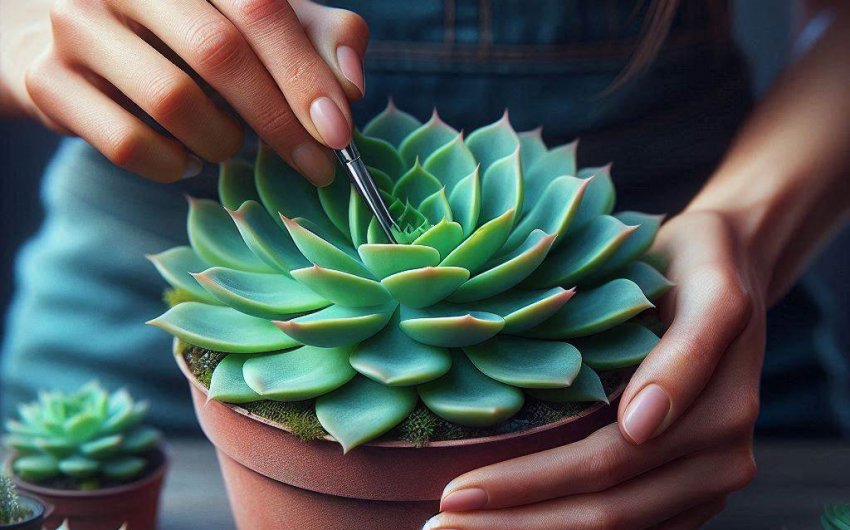
Repotting succulents successfully involves choosing the right time of year, selecting appropriate well-draining soil, and using a slightly larger pot. This process revitalizes their growth and prevents common issues like root rot.
When Is the Best Time to Repot Succulents?
The best time to repot succulents is during their active growing season, typically spring or early summer. This allows them to recover quickly from the move and establish new roots in their new home. Avoid repotting during their dormant periods, usually fall and winter, as they are less resilient to stress then.
Signs Your Succulent Needs Repotting
- Roots growing out of drainage holes: This is a clear sign the succulent is root-bound and has outgrown its current pot.
- Stunted growth: If your succulent isn't growing much despite proper care, it might need more room for its roots.
- Topping heavy: When a succulent becomes top-heavy and unstable, a larger or heavier pot can provide better balance.
- Soil degradation: Over time, potting mix breaks down, losing its aeration and drainage properties. Fresh soil provides better support.
- Pests or diseases: Repotting offers a chance to inspect roots for issues and start fresh with new soil.
What is the Best Soil for Repotting Succulents?
The best soil for repotting succulents is a fast-draining, gritty mix. Regular potting soil retains too much moisture, which can lead to fatal root rot for succulents. Look for specialized succulent and cactus mixes, or create your own.
Creating Your Own Succulent Potting Mix
A good homemade mix aims for excellent drainage and aeration. Here's a common ratio:
- 1 part potting soil: Provides some basic nutrients.
- 1 part coarse sand: Improves drainage. Ensure it's horticultural sand, not play sand.
- 1 part perlite or pumice: Enhances drainage and aeration significantly. Perlite is lighter, while pumice is heavier and won't float to the top.
Mix these components thoroughly to ensure even distribution. This custom blend mimics the arid conditions succulents thrive in.
What Kind of Pot Should I Use for Repotting Succulents?
When repotting succulents, always choose a pot with a drainage hole. Without proper drainage, water will sit in the bottom, leading to root rot. Terracotta pots are often recommended because their porous nature allows moisture to evaporate from the sides, helping the soil dry out faster. Glazed ceramic or plastic pots can also work, but require more careful watering.
Choosing the Right Pot Size
Select a pot that is only slightly larger than the current one, typically one to two inches wider in diameter. Succulents generally prefer to be a bit root-bound rather than in an overly large pot. Too big a pot means too much soil, which retains more moisture than the plant can use, increasing the risk of root rot.
How Do I Prepare My Succulent for Repotting?
Preparing your succulent properly before repotting minimizes stress and ensures a smooth transition. Stop watering your succulent a few days before repotting. This allows the soil to dry out completely, making it easier to remove the plant from its old pot and preventing root damage.
Tools and Materials You'll Need
Gathering your supplies beforehand makes the process efficient. You will need:
- New pot with drainage hole: Slightly larger than the current one.
- Well-draining succulent soil mix: Either commercial or homemade.
- Gloves: Especially if handling spiky succulents or if you have sensitive skin.
- Small trowel or scoop: For moving soil.
- Old newspaper or tarp: To protect your work surface.
- Pruning shears or sharp knife: Sterilized with rubbing alcohol, for trimming roots or damaged leaves.
- Chopstick or stick: For gently tamping soil around roots.
- Small brush: To dust off soil from leaves.
What Are the Steps for Repotting a Succulent?
Repotting a succulent is a straightforward process, but care must be taken to avoid damaging the plant. Follow these steps for a successful transplant.
Step-by-Step Repotting Guide
- Prepare your new pot: Add a small layer of your well-draining succulent soil mix to the bottom of the new pot. This provides a base for the succulent's roots.
- Carefully remove the succulent from its old pot: Gently tip the current pot on its side. If the succulent is stubborn, gently squeeze the sides of a plastic pot or use a small trowel to loosen the soil around the edges. Avoid pulling the succulent by its stem or leaves. If it's very stuck, you may need to break the old pot if it's terracotta.
- Inspect and prepare the roots: Once out, gently shake off as much of the old soil as possible. This allows you to inspect the root ball. Look for any damaged, mushy (signs of rot), or overly long roots. Trim away any unhealthy roots with your sterilized pruning shears. If the roots are tightly coiled (root-bound), gently tease them apart to encourage them to spread into the new soil.
- Position the succulent in the new pot: Place the succulent in the center of the new pot, ensuring the base of the plant is at roughly the same level as it was in the old pot. Adjust the amount of soil underneath as needed so that the top of the root ball is about an inch below the rim of the new pot. This leaves space for watering.
- Fill with new soil: Carefully backfill around the roots with your succulent soil mix. Use your chopstick or fingers to gently work the soil around the roots, ensuring there are no large air pockets. Do not pack the soil down too tightly, as this can impede drainage and aeration. A gentle tap on the pot can help settle the soil.
- Settle the plant: Gently tap the base of the pot on your work surface a few times to settle the soil around the roots. You can also gently press the soil surface, but avoid compacting it.
- Clean up: Use a small brush to gently remove any soil particles that have fallen onto the succulent's leaves.
How Do I Care for a Succulent After Repotting?
Post-repotting care is crucial for your succulent's recovery and successful establishment in its new environment. Do not water your newly repotted succulent immediately. Wait for at least a few days, or even a week, after repotting. This allows any tiny root injuries to heal and reduces the risk of root rot, especially if the new soil is slightly damp.
Post-Repotting Watering Schedule
After the initial waiting period, resume watering as you normally would for succulents: thoroughly, but infrequently. The "soak and dry" method is best. Water until it drains from the bottom of the pot, then wait until the soil is completely dry before watering again. The drying time will depend on your climate, pot material, and soil mix.
Lighting After Repotting
Place your newly repotted succulent in a bright location with indirect light for the first week or two. Direct, intense sun immediately after repotting can stress the plant further. Gradually reintroduce it to its previous light conditions after it has had time to settle.
Fertilizing After Repotting
Avoid fertilizing your succulent immediately after repotting. The fresh potting mix provides a new supply of nutrients, and fertilizing too soon can burn fragile new roots. Wait at least a month, or even until the next active growing season, before considering a diluted succulent-specific fertilizer.
Common Mistakes to Avoid When Repotting Succulents
Even experienced gardeners can make mistakes. Being aware of common repotting pitfalls can save your succulents from unnecessary stress or even death.
Using the Wrong Potting Mix
One of the most frequent mistakes is using regular potting soil or garden soil. These soils retain too much moisture, creating an environment where succulent roots will quickly rot. Always opt for a well-draining, gritty mix specifically formulated for succulents and cacti. A good commercial option is Bonsai Jack Succulent and Cactus Soil Mix.
Overwatering After Repotting
As mentioned, resist the urge to water right away. New roots are very sensitive, and watering too soon can lead to root rot before the plant has a chance to establish itself. Patience is key.
Choosing a Pot That's Too Large
An oversized pot holds excess moisture, which can lead to root rot. Succulents prefer slightly snug conditions. Stick to pots that are just one to two inches wider than the previous one. For a variety of sizes, consider a Terracotta Pot Set with Drainage.
Damaging Roots During Repotting
While it's necessary to remove old soil and trim unhealthy roots, avoid being overly aggressive. Be gentle when handling the root ball to minimize damage to the delicate root system.
Not Providing Enough Light Post-Repotting
Succulents need plenty of light. After repotting, immediately placing them in a dark spot can cause shock and etiolation (stretching due to lack of light). Provide bright, indirect light initially, then gradually increase to direct sun. If natural light is insufficient, a Full Spectrum Grow Light can be beneficial.
Repotting During Dormancy
Attempting to repot succulents during their dormant period puts unnecessary stress on the plant when it's least equipped to recover. Always aim for active growth seasons like spring or early summer.
How Often Should You Repot Succulents?
The frequency of repotting depends on several factors, including the succulent's growth rate and pot size. Generally, succulents don't need repotting as often as other houseplants.
- Small, slow-growing succulents: May only need repotting every 2-3 years.
- Larger or faster-growing succulents: Might need repotting every 1-2 years.
- Brand new succulents: It's often a good idea to repot newly purchased succulents within a few weeks, as their nursery soil is rarely ideal for long-term health.
Always look for the signs that your succulent needs repotting, such as roots growing out of the drainage holes or stunted growth, rather than adhering to a strict schedule.
What Are the Benefits of Repotting Succulents?
Repotting offers numerous advantages that contribute to the long-term health and vitality of your succulents.
- Improved Growth: Fresh soil provides new nutrients and better aeration, promoting robust growth and a healthier root system.
- Prevents Root Rot: Replacing old, compacted soil with a well-draining mix significantly reduces the risk of waterlogging and subsequent root rot.
- Pest and Disease Control: Repotting allows you to inspect the roots and stem for any signs of pests (like mealybugs) or diseases, enabling early intervention. It also removes any existing pest eggs or larvae in the old soil.
- Better Drainage: As soil ages, it compacts and loses its ability to drain efficiently. New, gritty soil restores optimal drainage.
- Space for Growth: A slightly larger pot gives the roots more room to expand, which is essential for healthy plant development.
- Aesthetic Refresh: A new pot and fresh soil can instantly refresh the look of your succulent and its display.
Can I Repot Succulents in the Same Pot?
Yes, you can repot a succulent back into the same pot, especially if the pot size is still appropriate. This is often done when the succulent hasn't outgrown its pot but needs fresh soil because the old mix has degraded, or you want to check the roots for health issues. If you reuse the same pot, make sure to:
- Clean the pot thoroughly: Wash it with a mild soap and water solution, especially if there were any signs of pests or diseases. A dilute bleach solution (1 part bleach to 9 parts water) can be used to sterilize it for ten minutes, followed by a good rinse.
- Use fresh succulent soil: Never reuse the old potting mix, as it will be depleted of nutrients and may contain pathogens or pests.
Repotting succulents successfully is a vital part of their long-term care, ensuring they have the proper environment and nutrients to thrive. By following these best tips for repotting succulents successfully, you can help your plants flourish for years to come.