
Why Are My Calathea's Leaves Curling Up and Turning Crispy at the Edges?
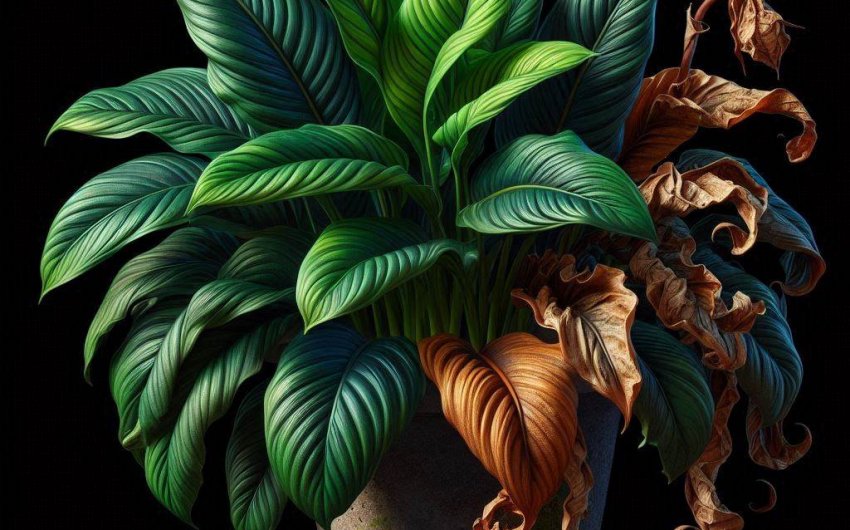
Calathea leaves curling up and turning crispy at the edges are typically a distress signal indicating a problem with the plant's environment, most commonly low humidity, improper watering, or poor water quality. Addressing these factors is key to restoring your Calathea's lush appearance.
Why Are My Calathea's Leaves Curling Up?
Calatheas are famous for their dramatic leaf movements, but persistent curling, especially when combined with crispy edges, is a sign of stress. The curling is often a plant's way of reducing the surface area exposed to the air, thereby minimizing water loss through transpiration.
Common Causes of Calathea Leaf Curling
- Low Humidity: This is the most frequent culprit. Calatheas are tropical plants native to rainforest understories, where humidity levels are consistently high (often above 60%). In typical indoor environments, especially during winter with heating or in dry climates, the air can be too dry for them. The plant loses water faster than its roots can take it up, leading to desiccation and curling.
- Underwatering: If the plant isn't getting enough water, the cells in its leaves start to lose turgor pressure (their stiffness from being filled with water). This causes the leaves to curl inward and eventually turn crispy as they dry out.
- Excessive Light/Direct Sun: While Calatheas need bright, indirect light, direct sunlight can be too intense. It can scorch the leaves, causing them to curl as a protective mechanism against the harsh light and increased water loss.
- Root Issues (Less Common for Curling, More for Overall Decline): Though less direct, root rot from overwatering or a severely root-bound plant can hinder water uptake, leading to symptoms similar to underwatering, including curling.
Why Are My Calathea's Leaves Turning Crispy at the Edges?
Crispy edges on Calathea leaves are a clear indicator of desiccation or dehydration. This means the leaf tissue is drying out and dying, often due to a lack of sufficient moisture reaching the leaf margins.
Primary Reasons for Crispy Edges
- Low Humidity: As mentioned, this is a major factor. The edges of the leaves are the furthest point from the stem and roots, making them the first to show signs of dehydration when the air is too dry. The moisture evaporates quickly from these delicate edges.
- Underwatering: If the soil dries out completely and stays dry for too long, the plant cannot supply enough water to all its tissues, and the leaf edges will be the first to suffer and become crispy.
- Poor Water Quality: This is a surprisingly common issue for Calatheas. They are highly sensitive to chemicals found in tap water, particularly chlorine, fluoride, and dissolved mineral salts. These can build up in the soil and on the leaf edges, leading to toxicity and browning/crisping.
- Nutrient Imbalance (Less Common but Possible): While less direct, a severe nutrient deficiency or excess, especially with salts from over-fertilization, can stress the plant and impair water uptake, contributing to crispy edges.
- Drafts or Extreme Temperatures: Cold drafts or sudden temperature changes can stress the plant and cause leaf damage, including crispy edges.
How Can I Increase Humidity for My Calathea?
Increasing humidity is often the most critical step in preventing Calathea leaf curling and crispy edges. There are several effective methods to create a more tropical environment for your plant.
Effective Humidity Boosting Methods
- Use a Humidifier: This is by far the most effective and consistent way to raise ambient humidity around your Calathea, especially in dry homes. Place the humidifier close to the plant. A Small Room Humidifier can make a significant difference.
- Pebble Trays: Place your Calathea's pot on a tray filled with pebbles and water. Ensure the bottom of the pot does not sit directly in the water, as this can lead to root rot. As the water evaporates from the tray, it creates a small localized humid microclimate around the plant.
- Group Plants Together: Plants naturally release moisture into the air through transpiration. Grouping several Calatheas or other humidity-loving plants together can create a mini-ecosystem with slightly higher humidity.
- Misting (with caution): While misting provides a temporary boost in humidity, its effects are fleeting. Regular misting can also leave water spots on leaves and, if done improperly, promote fungal issues. If you do mist, use distilled or filtered water and ensure good air circulation. It's not a substitute for consistent humidity solutions like a humidifier.
- Location Choice: Place your Calathea in naturally more humid areas of your home, such as a bathroom (if it gets adequate light) or kitchen. Avoid placing them near heating vents, air conditioners, or open windows where drafts can quickly dry out the air.
- Terrariums or Plant Cabinets: For serious Calathea enthusiasts, a closed or semi-closed environment like a large terrarium or a dedicated plant cabinet can provide the ideal high-humidity conditions these plants crave.
Aim for humidity levels consistently above 50-60%. A Hygrometer can help you monitor the actual humidity levels in your home.
How Should I Water My Calathea to Prevent Curling and Crispy Edges?
Proper watering is crucial for Calatheas, and it's a balance. Both overwatering and underwatering can lead to problems. The goal is to keep the soil consistently moist but never soggy.
Best Practices for Watering Calatheas
- Use the Right Water: Calatheas are highly sensitive to chemicals in tap water. The most effective solution is to use distilled water, rainwater, or filtered water. If using tap water, let it sit out for 24-48 hours to allow chlorine to dissipate, but this won't remove fluoride or mineral salts. A Water Filter Pitcher can also help.
- Check Soil Moisture Regularly: Before watering, always check the top 1-2 inches of soil. Insert your finger into the soil. If it feels slightly dry, it's time to water. If it still feels wet, wait. This prevents overwatering.
- Water Thoroughly: When you do water, water deeply until you see water draining out of the bottom of the pot. This ensures the entire root ball gets hydrated.
- Empty Saucer: Never let your Calathea sit in standing water in its saucer. This leads to waterlogged soil and root rot, which ironically can cause symptoms similar to underwatering because the damaged roots can't absorb moisture.
- Adjust to Seasons: Calatheas typically need more frequent watering during their active growing season (spring and summer) and less during their dormant period (fall and winter).
- Well-Draining Potting Mix: Use a high-quality, well-draining potting mix that retains some moisture but doesn't become waterlogged. A good mix usually includes components like coco coir, perlite, and a bit of worm castings.
What is the Best Light for My Calathea?
Calatheas are understory plants in their natural habitat, meaning they thrive in bright, indirect light. Direct sunlight is often too intense and will quickly cause problems.
Ideal Lighting Conditions
- Bright, Indirect Light: Place your Calathea near a north-facing window, or a few feet away from an east- or west-facing window. The light should be bright enough to read by comfortably, but no direct sun rays should hit the leaves, especially during the hottest parts of the day.
- Avoid Direct Sunlight: Direct sun will scorch the delicate leaves, causing them to fade, curl, and develop crispy brown patches. The leaves may also lose their vibrant patterns.
- Low Light Tolerant (to an extent): While they can survive in lower light conditions, their growth will be slower, and their vibrant leaf patterns may become less pronounced. Extremely low light can also contribute to overall plant stress.
- Rotate Your Plant: Periodically rotate your Calathea to ensure all sides receive adequate light and promote even growth.
If natural light is insufficient, especially in darker homes or during winter, a Low-Intensity Grow Light placed a few feet above the plant can supplement its needs.
Are There Any Other Factors Causing My Calathea's Leaves to Curl and Crisp?
While humidity, watering, and light are the main culprits, a few other factors can contribute to Calathea leaf issues.
Other Potential Stressors
- Temperature Fluctuations: Calatheas prefer stable temperatures between 65°F and 80°F (18°C and 27°C). Sudden drops or spikes in temperature, or cold drafts, can stress the plant and lead to leaf curling or browning. Keep them away from drafty windows, exterior doors, and heating/AC vents.
- Pests: Although less common as a primary cause of uniform curling and crisping, certain pests like spider mites thrive in dry conditions and can cause leaf damage that mimics dehydration. Look for tiny webs, stippling (tiny dots) on the leaves, or very fine dust. If you suspect spider mites, a Neem Oil Spray can be effective.
- Nutrient Issues (Fertilizer Burn): Over-fertilizing can lead to a buildup of salts in the soil, which can burn the roots and lead to leaf crisping, similar to poor water quality. It's better to under-fertilize Calatheas than over-fertilize. Use a diluted, balanced liquid fertilizer only during the growing season (spring and summer) every 2-4 weeks. Liquid Plant Food for Houseplants is a good choice. Always flush the soil periodically with plain water to wash away excess salts.
- Repotting Stress: Recently repotted Calatheas might experience some temporary curling or browning as they adjust to their new environment. Minimize this by choosing the right time (spring/early summer) and being gentle with the roots.
- Aging Leaves: It's natural for older, lower leaves to eventually yellow, brown, and die off. This is part of the plant's life cycle and not a cause for concern unless many leaves are affected simultaneously.
How Can I Revive My Calathea's Crispy Leaves?
Unfortunately, once Calathea leaves have turned crispy and brown, that damage is permanent. The affected parts of the leaves will not revert to green. However, you can prevent further damage and encourage new, healthy growth.
Steps to Revive Your Calathea
- Trim Damaged Leaves: Use clean, sharp scissors to trim off the crispy, brown edges or entirely remove severely damaged leaves at the base of the stem. This is purely for aesthetics and to direct the plant's energy towards healthy growth. Do not remove more than 25% of the leaves at once to avoid shocking the plant.
- Address the Root Cause Immediately: This is the most important step.
- Increase Humidity: Implement one or more of the methods described above (humidifier, pebble tray, grouping plants). This is usually the first priority.
- Adjust Watering: Ensure you are watering with the correct frequency and quality of water. Let the topsoil dry slightly, then water thoroughly with distilled or filtered water.
- Correct Lighting: Move your Calathea to a spot with bright, indirect light, away from direct sun.
- Check for Pests: Inspect your plant closely for any signs of spider mites or other pests and treat accordingly.
- Monitor Closely: After making changes, observe your plant closely for the next few weeks. Look for new, healthy growth. The existing damaged leaves won't heal, but new leaves should emerge without curling or crisping if your adjustments are successful.
- Be Patient: Plants take time to recover. Don't expect immediate results. Consistency in care is key to long-term success with Calatheas.
By understanding the key environmental needs of your Calathea and being proactive about humidity, watering, and light, you can prevent those frustrating curling and crispy leaves and enjoy a thriving, vibrant plant.