
What Causes Black Spots on My Orchid's Leaves, and How Can I Treat Them?
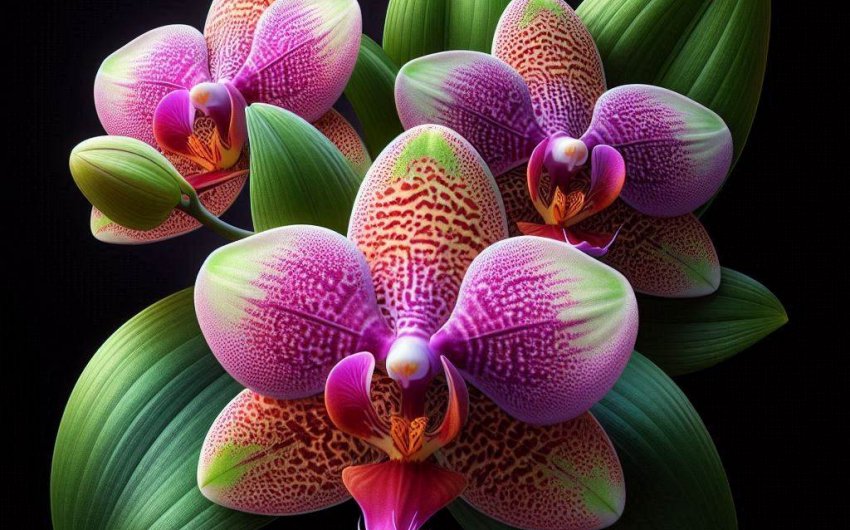
Black spots on your orchid's leaves are often a symptom of fungal or bacterial infections, though they can also indicate environmental stress such as cold damage or sunburn. To treat them, it's crucial to first accurately diagnose the cause, then remove affected tissue, improve air circulation, adjust watering, and in some cases, apply appropriate fungicides or bactericides.
What Causes Black Spots on Orchid Leaves?
Identifying the precise cause of black spots on your orchid's leaves is the crucial first step towards effective treatment. While alarming, these spots are often a response to environmental conditions or the presence of pathogens.
1. Fungal Infections
These are among the most common causes of black spots. Fungi thrive in humid, still, and cool environments.
- Black Rot (Phytophthora and Pythium Fungi):
- Appearance: Starts as small, water-soaked brown spots that rapidly expand into black, mushy, spreading lesions. Can appear on leaves, pseudobulbs, or even roots. If left untreated, it can quickly consume the entire plant.
- Cause: Caused by water molds, often in overly wet, poorly draining potting media, or from splashing contaminated water.
- Severity: Highly destructive and spreads quickly.
- Colletotrichum Orchidacea (Anthracnose):
- Appearance: Irregular, sunken black or dark brown spots on leaves, often with a yellow halo. Can develop tiny black dots (spores) in the center. Common on older leaves or those stressed.
- Cause: Fungal infection, often exacerbated by high humidity and poor air circulation.
- Cercospora Leaf Spot:
- Appearance: Small, circular black spots, often slightly raised or depressed, appearing predominantly on the undersides of leaves. Over time, these spots can enlarge and merge.
- Cause: Fungal infection, thrives in high humidity.
- Fusarium Wilt:
- Appearance: While primarily affecting the vascular system, black spots can appear on leaves as a secondary symptom, often accompanied by yellowing leaves, pseudobulb shriveling, and a pinkish or purplish discoloration of the plant's core when cut.
- Cause: Fungal pathogen that blocks water transport. Spreads easily through contaminated tools.
2. Bacterial Infections
Less common than fungal, but can be just as destructive.
- Bacterial Brown Spot (Pseudomonas species):
- Appearance: Starts as small, soft, water-soaked lesions that quickly enlarge, turning brown to black and often having a foul odor. Bacteria typically spread from splashing water.
- Cause: Bacterial infection, favored by high humidity and prolonged leaf wetness.
- Bacterial Soft Rot (Erwinia species):
- Appearance: Similar to Bacterial Brown Spot, but often progresses even more rapidly, causing the affected tissue to become completely mushy and "melt" away, often with a very strong, putrid smell.
- Cause: Highly aggressive bacterial infection.
3. Environmental Stress
Non-pathogen related causes that can still lead to black spots.
- Cold Damage / Chill Injury:
- Appearance: Water-soaked areas that turn black, typically on leaves exposed to cold temperatures (e.g., near a cold window, during transport). The spots are usually firm, not mushy, and may look glossy.
- Cause: Exposure to temperatures below the orchid's tolerance level. Phalaenopsis (moth orchids) are particularly sensitive.
- Sunburn / Light Burn:
- Appearance: Irregular, sunken black, brown, or bleached spots that appear on leaves exposed to direct, intense sunlight, especially if the plant is not accustomed to it. The damaged tissue is dry and crispy.
- Cause: Too much direct sun, often through a window that magnifies light.
- Water Quality / Mineral Buildup:
- Appearance: Tiny black spots or a general darkening, often accompanied by white crusty residue, particularly around the tips or edges of leaves.
- Cause: High mineral content (salts) in tap water that accumulate on leaf surfaces or in the potting medium, or fertilizer salt buildup.
- Chemical Burn:
- Appearance: Localized black or brown spots where fertilizer or other chemicals have been sprayed at too high a concentration.
- Cause: Incorrect dilution or application of pesticides, fungicides, or fertilizers.
How Can You Treat Black Spots on Orchid Leaves?
Once you've diagnosed the cause of black spots on your orchid's leaves, you can proceed with appropriate treatment. Speed is often essential, especially for aggressive pathogens.
1. Isolation (Crucial First Step)
- Immediately move the affected orchid away from all other plants to prevent the spread of disease, especially if you suspect fungal or bacterial infection.
2. Pruning Affected Areas
- Method: Using sterilized cutting tools (sterilize with rubbing alcohol or a flame between each cut!), cut away all affected leaf tissue. Cut at least 1/2 inch into healthy, green tissue beyond the visible spot to ensure you've removed all infected parts.
- Tools: Small, sharp Pruning Shears or a sharp, sterile knife.
- Dispose: Immediately discard the diseased plant material in the trash; do not compost it.
- Severe Cases: If the infection is widespread or has reached the crown or pseudobulbs, you may need to sacrifice the entire leaf or, in severe cases of black rot, the entire plant to protect others.
3. Improving Environmental Conditions (Prevention & Cure)
This is paramount for both preventing and treating many issues, especially fungal and bacterial diseases.
- Increase Air Circulation:
- Fans: Use a small fan nearby to gently circulate air around your orchids. This helps dry leaves quickly after watering and reduces stagnant humidity.
- Spacing: Ensure plants are not too crowded.
- Reduce Humidity (If Excessive):
- While orchids love humidity, excessive humidity combined with poor air circulation is a breeding ground for pathogens. Use a dehumidifier if indoor humidity is consistently very high.
- Correct Watering Practices:
- Morning Watering: Water in the morning so leaves have time to dry completely before nightfall.
- Avoid Wet Leaves: Try to avoid getting water on the leaves, especially in the crown, when watering. If water does get on leaves, gently blot it dry.
- Proper Drainage: Ensure your orchid potting mix is well-draining and that the pot has sufficient drainage holes. Never let an orchid sit in standing water. Consider using Orchid Potting Mix.
- Optimize Light:
- Bright, Indirect: Provide bright, indirect light. Move plants away from intense direct sun to prevent sunburn.
- Supplemental Lighting: If light is insufficient, consider a Grow Light for Orchids.
- Temperature Consistency: Protect orchids from cold drafts, open windows in winter, or sudden temperature drops.
4. Chemical Treatments (Use with Caution)
Only use these after addressing environmental factors and removing affected tissue.
- Fungicides (for Fungal Infections):
- Systemic vs. Contact: Systemic fungicides are absorbed by the plant, while contact fungicides act on the surface.
- Application: Apply according to product instructions. Many organic options contain copper or sulfur. Some common ones include Fungicide for Orchids.
- Frequency: Often require repeated applications.
- Bactericides (for Bacterial Infections):
- Availability: Specific bactericides for orchids can be harder to find for home growers. Copper-based products are sometimes effective against bacterial issues, but use with caution as some orchids can be sensitive to copper.
- Hydrogen Peroxide: A diluted solution (3% hydrogen peroxide mixed with equal parts water) can be sprayed on bacterial spots, but it can also damage healthy tissue. Use as a last resort.
- Neem Oil: While primarily an insecticide, Neem Oil for Plants has some fungicidal properties and can be used as a preventative or for very mild fungal issues.
5. Repotting (for Root Rot or Media Issues)
- If black spots are accompanied by mushy pseudobulbs, shriveling, or a foul smell from the pot, it might indicate root rot.
- Method: Unpot the orchid, carefully trim away all rotten (mushy, black, hollow) roots, and repot into fresh, sterile, well-draining orchid potting media.
How Can You Prevent Black Spots on Orchid Leaves?
Prevention is always better than cure when it comes to black spots on your orchid's leaves. Consistent good care minimizes risks.
1. Proper Watering Techniques
- Water in the Morning: Allows leaves and potting media to dry before evening.
- Avoid Crown/Leaf Wetness: Try to water only the potting medium. If water collects in the crown (especially for Phalaenopsis), gently blot it dry with a paper towel.
- Appropriate Frequency: Water based on the orchid's needs and media dryness, not on a schedule.
- Good Drainage: Ensure pots have adequate drainage holes and use a proper orchid mix.
2. Excellent Air Circulation
- Fans: Use small fans to create gentle air movement, preventing stagnant, humid conditions that encourage fungal and bacterial growth.
- Spacing: Don't overcrowd your orchids. Give them room to "breathe."
3. Optimal Light Conditions
- Bright, Indirect Light: Provide the right amount of light for your specific orchid type. Too much can cause sunburn; too little can stress the plant and make it more susceptible to disease.
4. Maintain Proper Humidity and Temperature
- Avoid Extremes: Keep temperatures consistent and within the orchid's preferred range. Protect from cold drafts.
- Balanced Humidity: Aim for sufficient but not excessive humidity.
5. Sterilize Tools
- Always sterilize pruning shears, knives, or any tools that come into contact with your orchids between plants (and between cuts on the same plant if diseased) to prevent the spread of pathogens. Use rubbing alcohol or a flame.
6. Quarantine New Plants
- Always isolate new orchids for 4-6 weeks before introducing them to your main collection. This allows you to monitor for any hidden pests or diseases they might be carrying.
7. Good Potting Media
- Use fresh, appropriate orchid potting media that provides good drainage and aeration. Repot as needed when the media starts to break down.
8. Avoid Over-Fertilizing
- Excess fertilizer salts can stress roots and leaves, making them more vulnerable to disease. Fertilize according to recommended dilutions and frequencies.
When Should You Be Most Concerned About Black Spots?
While most black spots are treatable or cosmetic, certain signs warrant immediate and aggressive action to save your orchid or prevent wider spread.
- Rapid Spread: If spots are expanding quickly, especially within a day or two, it strongly suggests an aggressive fungal or bacterial infection like Black Rot or Bacterial Soft Rot.
- Mushy/Slimy Texture: This is a hallmark of bacterial infections and water mold (Black Rot).
- Foul Odor: A putrid or rotten smell is a clear sign of bacterial soft rot.
- Spots on Crown or Pseudobulbs: If black spots appear on the vital central growing point (crown) or the water-storing pseudobulbs, the plant's life is immediately threatened.
- Multiple Plants Affected: If more than one orchid in your collection starts developing similar black spots, it indicates a widespread issue or a highly contagious pathogen.
By diligently applying these preventive measures and responding quickly and appropriately to the appearance of black spots on your orchid's leaves, you significantly increase the chances of maintaining a healthy, vibrant orchid collection.