
Why Are My Philodendron's New Leaves Coming Out Small and Deformed?
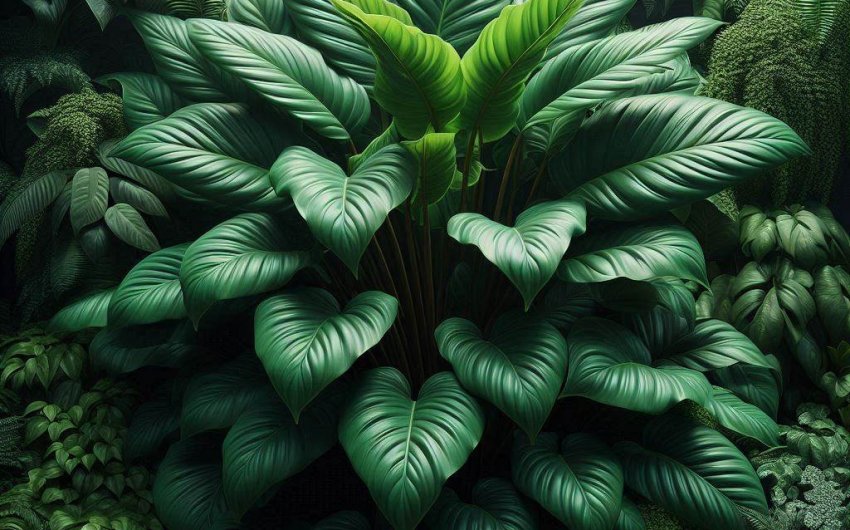
If your philodendron's new leaves are coming out small and deformed, it's a clear sign your plant is experiencing stress, most commonly due to inadequate humidity, insufficient light, or nutrient deficiencies. Other factors like pest infestations or watering issues can also contribute to distorted new growth.
Why Are My Philodendron's New Leaves Coming Out Small and Deformed?
When a philodendron's new leaves emerge looking stunted, crinkled, or misshapen instead of large and unfurled, it indicates an underlying problem. The plant is trying to tell you something is off with its environment or care. This new growth is highly sensitive to stress.
- Stress Indicator: New leaves are the first to show signs of stress because they require a lot of energy and optimal conditions to develop correctly.
- Vital Function Affected: Leaf development directly impacts the plant's ability to photosynthesize, so correcting these issues is crucial for its overall health.
- Common Causes: The issues typically stem from environmental factors, nutritional problems, or pests.
What Environmental Factors Cause Small and Deformed Philodendron Leaves?
The environment your philodendron lives in plays a massive role in its health and the proper development of new leaves.
1. Low Humidity
- Problem: Philodendrons are tropical plants that thrive in high humidity. Dry air, especially common indoors during winter with heating systems, makes it difficult for new leaves to unfurl smoothly. They can stick together, rip, or emerge distorted.
- Signs: New leaves may appear stuck, crispy at the edges, or struggle to unfurl completely, resulting in a ripped or crinkled appearance.
- Solution: Increase humidity around your plant.
- Humidifier: Place a Plant Humidifier nearby.
- Pebble Tray: Place the pot on a tray filled with pebbles and water, ensuring the pot sits on the pebbles, not in the water. A Pebble Tray for Plants can help.
- Grouping Plants: Grouping several plants together can create a localized humid microclimate.
- Avoid Misting (mostly): Misting is often ineffective for significantly raising humidity and can even encourage fungal issues if leaves stay wet. Focus on ambient humidity.
2. Inadequate Light
- Problem: Philodendrons need bright, indirect light to produce healthy, large leaves. Too little light leads to weak, elongated growth and smaller, less developed leaves. Direct sun can also burn leaves, causing distortions.
- Signs: Leaves are smaller than older leaves, stems are leggy, and new growth is sparse or struggles to emerge.
- Solution: Move your philodendron to a brighter location.
- East or North-facing window: Good for gentle, indirect light.
- South or West-facing window: Place a few feet back from the window or use a sheer curtain to diffuse intense light.
- Grow Lights: Supplement with a LED Grow Light for Indoor Plants if natural light is insufficient. Aim for 10-12 hours a day.
3. Temperature Stress
- Problem: Philodendrons prefer consistent, warm temperatures (65-80°F or 18-27°C). Extreme cold drafts or sudden temperature fluctuations can shock the plant, affecting new growth.
- Signs: Leaves may yellow, drop, and new leaves might be stunted or distorted.
- Solution: Keep your philodendron away from drafty windows, air conditioning vents, or exterior doors. Ensure consistent room temperature.
How Do Nutrient Deficiencies Cause Small and Deformed Philodendron Leaves?
Plants need a balanced diet to grow properly. If your philodendron isn't getting the right nutrients, its new leaves will suffer.
1. Lack of Essential Nutrients (Under-Fertilizing)
- Problem: Philodendrons are relatively moderate feeders during their active growing season. If they don't receive enough nitrogen (for leafy growth), phosphorus (for roots), or potassium (for overall health), new leaves will be smaller and weaker. Micronutrient deficiencies can also cause deformation.
- Signs: New leaves are uniformly smaller, pale or yellowing (especially older leaves first), or growth is very slow.
- Solution: Fertilize regularly during the growing season (spring and summer).
- Balanced Liquid Fertilizer: Use a balanced houseplant fertilizer (e.g., 20-20-20 or 10-10-10) diluted to half strength, every 2-4 weeks. A general purpose Liquid Plant Food works well.
- Slow-Release Fertilizer: Incorporate a slow-release granular fertilizer into the soil once a season. Osmocote Smart-Release Plant Food is a common choice.
- Flush Soil: Periodically flush the soil with plain water to prevent salt buildup from fertilizer.
2. Nutrient Lock-Out (Over-Fertilizing or pH Imbalance)
- Problem: Too much fertilizer can lead to a buildup of mineral salts in the soil, which "locks out" nutrients, making them unavailable to the plant even if present. Extreme soil pH can also prevent nutrient uptake.
- Signs: Leaf burn (crispy brown edges), yellowing, stunted growth, and new leaves that are small and deformed. Can look similar to underwatering or nutrient deficiency.
- Solution:
- Flush Soil: Flush the soil thoroughly with plain water to wash away excess salts. Repeat this a few times.
- Reduce Fertilizer: Fertilize less frequently or use a weaker solution.
- Check pH (if suspected): Philodendrons prefer slightly acidic to neutral soil (pH 6.0-7.0). A Soil pH Test Kit can help if you suspect pH issues.
How Do Pests Cause Small and Deformed Philodendron Leaves?
Pests can literally suck the life out of your philodendron, leading to distorted new growth.
1. Sap-Sucking Pests
- Problem: Pests like spider mites, aphids, mealybugs, and thrips feed on the plant's sap, depleting its energy and nutrients. They often target tender new growth.
- Signs:
- Spider Mites: Tiny red or brown dots, fine webbing, speckled or dusty leaves. New leaves may be small, crinkled, or discolored.
- Aphids: Small, pear-shaped insects (green, black, or brown) often clustered on new growth and undersides of leaves. Sticky residue (honeydew). New leaves are distorted or curled.
- Mealybugs: White, cottony masses in leaf axils or on stems. Sticky residue. Stunted or deformed new leaves.
- Thrips: Tiny, slender insects that cause silvery streaks or stippling on leaves. New leaves emerge distorted, often with tiny holes or brown edges.
- Solution:
- Inspect Regularly: Check new growth and leaf undersides frequently.
- Wipe Down: For mild infestations, wipe leaves with a damp cloth.
- Insecticidal Soap: Apply Safer Brand Insecticidal Soap according to instructions. Repeat weekly.
- Neem Oil: A natural insecticide and repellent. Use a Neem Oil for Plants solution.
- Prune Heavily Infested Parts: Remove and discard any severely infested leaves or stems.
How Do Watering Issues Cause Small and Deformed Philodendron Leaves?
While less common directly than humidity or pests, extreme watering issues can also contribute to small and deformed philodendron leaves by stressing the plant's root system.
1. Consistent Underwatering
- Problem: Prolonged dryness stresses the plant, making it difficult for it to properly develop new tissue.
- Signs: Leaves may droop, become crispy, and new growth struggles to emerge or is stunted.
- Solution: Water thoroughly when the top 1-2 inches of soil feel dry. Ensure water drains from the bottom.
2. Overwatering (Leading to Root Rot)
- Problem: Constantly soggy soil deprives roots of oxygen, leading to root rot. Damaged roots cannot effectively absorb water and nutrients, even if they are present.
- Signs: Yellowing leaves, mushy stems, and new leaves that are small, stunted, or may fail to unfurl. This mimics nutrient deficiency and underwatering, but the soil will be wet.
- Solution:
- Repot: If root rot is suspected, unpot the plant, trim away all mushy, brown, or black roots, and repot in fresh, well-draining Philodendron Potting Mix.
- Adjust Watering: Allow the top few inches of soil to dry out completely between waterings. Ensure good drainage from the pot.
What Other Factors Contribute to Deformed Philodendron Leaves?
Beyond the main culprits, a few other things can lead to small and deformed philodendron leaves.
1. Potting Mix Problems
- Problem: If the potting mix is too dense, compacted, or old, it can lead to poor drainage and aeration, impacting root health and nutrient uptake.
- Signs: Slow growth, yellowing leaves, and small, deformed new leaves even with proper watering and fertilizing.
- Solution: Repot your philodendron every 1-2 years into fresh, well-draining potting mix. A good mix for philodendrons should be airy and include elements like bark, perlite, and peat moss.
2. Lack of Support (for Vining Philodendrons)
- Problem: Vining philodendrons often produce larger, more mature leaves when they have something to climb. Without support, their leaves may remain smaller, though generally not deformed.
- Signs: Smaller, less fenestrated (less cut/lobed) leaves than expected, especially on climbing varieties.
- Solution: Provide a moss pole or trellis for your vining philodendron to climb. A Moss Pole for Climbing Plants encourages larger leaf development.
3. Physical Damage or Mechanical Stress
- Problem: New leaves in their unfurling stage are delicate. Bumping, tearing, or accidentally spraying them with strong chemicals can cause physical deformation.
- Signs: Visible tears, kinks, or unusual shapes that are clearly physical damage.
- Solution: Handle new growth gently. Place your plant where it won't be easily bumped.
Comprehensive Care Guide for Healthy Philodendron Leaves
To prevent your philodendron's new leaves from coming out small and deformed, consistently provide ideal growing conditions.
| Care Aspect | Recommendation | Why it Helps |
|---|---|---|
| Light | Bright, indirect light (east/north window, or diffused south/west) | Essential for robust photosynthesis and strong growth. |
| Humidity | 50-70% (use humidifier, pebble tray, grouping) | Prevents new leaves from sticking and tearing during unfurling. |
| Watering | Water when top 1-2 inches of soil are dry; allow to drain completely. | Prevents root rot from overwatering and stress from underwatering. |
| Fertilizing | Balanced liquid fertilizer (half strength) every 2-4 weeks in growing season. | Provides essential nutrients for large, healthy leaves. |
| Potting Mix | Well-draining, airy mix (bark, perlite, peat moss); repot every 1-2 years. | Ensures good aeration and drainage for healthy roots and nutrient uptake. |
| Temperature | Consistent 65-80°F (18-27°C); avoid drafts. | Philodendrons thrive in stable, warm environments. |
| Pest Control | Inspect regularly; treat promptly with insecticidal soap or neem oil if needed. | Prevents sap-sucking pests from depleting plant vitality and deforming leaves. |
| Support | Provide a moss pole or trellis for vining varieties. | Encourages larger, more mature leaves on climbing types. |
By systematically addressing each of these factors, you'll be able to create an environment where your philodendron's new leaves can unfurl beautifully, growing large, lush, and healthy. Regular observation and timely adjustments to your care routine are key to nurturing a thriving philodendron with perfect foliage.