
How Can I Revive a Succulent with Translucent, Waterlogged Leaves?
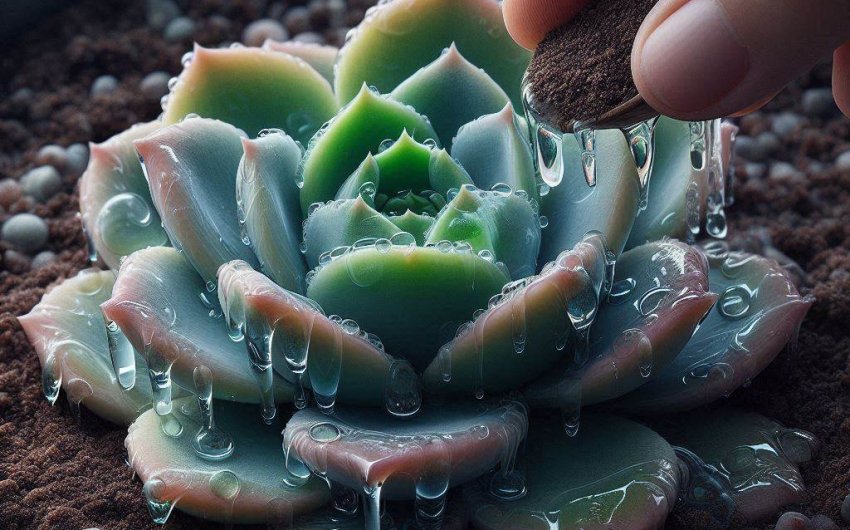
To revive a succulent with translucent, waterlogged leaves, you must immediately remove it from its wet soil, inspect for rot, prune affected parts, and allow it to dry thoroughly before repotting into fresh, well-draining succulent-specific soil. This issue, often indicative of overwatering, requires swift action to prevent further damage.
What Do Translucent, Waterlogged Leaves Mean for a Succulent?
Translucent, waterlogged leaves on a succulent are a critical warning sign that your plant is suffering from overwatering, which is the leading cause of succulent demise. Understanding what these symptoms mean is the first step in knowing how to revive a succulent with translucent, waterlogged leaves.
What's Happening Inside the Plant:
- Cell Bursting: Succulents are designed to store water in their leaves, stems, and roots. When they receive too much water, their cells become overly engorged with water. Imagine a balloon being inflated too much – eventually, it pops. Similarly, the cells in a succulent's leaves can burst, causing the leaf tissue to become mushy, translucent, and often discolored (yellowish, brownish, or even black).
- Lack of Oxygen to Roots: When soil remains constantly wet, the air pockets within the soil disappear, depriving the roots of essential oxygen. Without oxygen, roots cannot function properly.
- Root Rot: The lack of oxygen creates an anaerobic environment (without air) that is perfect for the proliferation of harmful fungi and bacteria. These pathogens attack the roots, causing them to rot. Rot is a fungal disease that spreads quickly from the roots up into the stem and leaves, turning tissue soft, black, and foul-smelling.
- Impaired Water Uptake: Ironically, once root rot sets in, the plant can no longer absorb water or nutrients, even if there's plenty of water available in the soil. This leads to symptoms that can paradoxically resemble underwatering (like wilting or shriveling), even though the plant is waterlogged.
Common Appearance of Overwatered Leaves:
- Translucent/Glassy: The leaves appear see-through or gelatinous, like they're filled with water.
- Mushy/Squishy: When gently squeezed, the leaves feel soft and squishy, not firm and plump.
- Swollen/Bloated: The leaves may look unnaturally plump or swollen.
- Discoloration: Often turn yellow, brown, or black from the base of the leaf upwards.
- Falling Off Easily: Leaves may detach from the stem with the slightest touch.
- Foul Odor: In advanced stages of rot, the plant or soil may emit a strong, unpleasant smell.
This condition is severe and indicates that your succulent's life is in danger. Immediate action is required to attempt to save it.
What Are the First Steps to Take When You See Waterlogged Leaves?
When you notice your succulent exhibiting translucent, waterlogged leaves, immediate action is crucial. Time is of the essence in saving an overwatered succulent from irreversible rot. These first steps are designed to halt the progression of damage.
Step 1: Stop Watering Immediately and Remove from Pot
- No More Water: If you've been watering, stop completely. Do not add another drop.
- Remove from Pot: Gently remove the succulent from its pot. Do not pull it by the leaves; try to hold the base of the stem or gently tip the pot upside down while supporting the plant.
- Discard Old Soil: Dispose of the wet, old soil. It's likely contaminated with rot-causing pathogens and holds too much moisture. Do not reuse this soil for succulents.
Step 2: Inspect the Roots and Stem for Rot
- Clean Off Soil: Carefully brush or rinse off as much soil as possible from the roots and stem. This allows for a clear inspection. Be gentle, as rotted roots can be very fragile.
- Identify Healthy vs. Rotted Parts:
- Healthy Roots: Will appear firm, pale, whitish, or tan, and somewhat pliable.
- Rotted Roots: Will be mushy, black or dark brown, slimy, and often emit a foul odor. They will fall apart easily when touched.
- Healthy Stem: Should be firm and uniformly colored (green, reddish, etc., depending on species).
- Rotted Stem: Will appear black, brown, or mushy, particularly at the base or where leaves attach. It might feel soft or spongy when gently squeezed. Rot often travels upwards from the roots.
Step 3: Prune All Rotted and Damaged Parts
- Sterilize Tools: Before you begin, sterilize your pruning shears, sharp knife, or scissors with rubbing alcohol. This prevents spreading pathogens.
- Cut Above Rot: Carefully cut away all affected areas. You need to cut into healthy, clean tissue.
- Roots: Remove all mushy, black, or brown roots. Keep cutting until you only see healthy, firm, pale roots. If all roots are rotted, you'll be left with a bare stem.
- Stem: If the rot has reached the stem, you must cut the stem above the rotted section. Continue cutting small slices upwards until you see a completely clean, unblemished cross-section of the stem (no black, brown, or yellow discoloration).
- Leaves: Gently remove any translucent, mushy, or discolored leaves that easily fall off. These leaves are beyond saving and will only contribute to further decay.
- If You Cut the Stem: If you had to cut the stem, you've essentially created a cutting. This is now your path to propagating a new, healthy plant from the salvageable top.
These critical first steps are the foundation for how to revive a succulent with translucent, waterlogged leaves. The goal is to remove all diseased tissue and create a clean slate for recovery.
How Do You Dry Out the Succulent After Pruning?
After you've performed the critical pruning of all rotted parts, the next crucial step in how to revive a succulent with translucent, waterlogged leaves is to allow the plant to thoroughly dry and "callus over." This drying period prevents rot from reoccurring when the plant is eventually repotted.
Step 1: Leave the Succulent to Air Dry
- Immediate Drying: Do NOT repot the succulent immediately after pruning. The fresh cuts are open wounds and highly susceptible to new rot if placed back into soil or moisture.
- Optimal Location: Place the pruned succulent (or the healthy cutting you've made) in a warm, dry, well-ventilated area.
- Airflow: Good airflow is key. You can place it on a clean paper towel, a mesh rack, or suspend it in the air. Avoid humid bathrooms or damp basements.
- Indirect Light: Keep it out of direct, intense sunlight during this drying period, as this can cause sunburn to stressed tissue. Bright, indirect light is perfect.
- Standing Upright (if possible): If you have a healthy stem with a cutting, you can place it upright in an empty, dry pot or a jar to prevent the cut end from touching a flat surface and promoting airflow around it.
Step 2: Allow for Callus Formation
- What is Callusing? Callusing is a natural healing process where the cut end of the stem or root forms a dry, protective scab. This scab seals the "wound," preventing bacteria and fungi from entering the plant when it's eventually exposed to moisture.
- Drying Time: The duration for callusing varies depending on:
- Succulent Size: Larger, thicker stems will take longer to callus than smaller, thinner ones.
- Humidity: In humid environments, callusing takes longer. In dry climates, it's faster.
- General Guideline:
- For thin stems/small cuts: 2-3 days.
- For medium stems/cuttings: 1-2 weeks.
- For very thick stems/large cuts: 2-4 weeks or even longer.
- How to Check: Gently touch the cut surface. It should feel dry and hard, like cured leather, not sticky or moist. If it's still soft, continue drying.
Step 3: Monitor for Further Rot
- Vigilance: During the drying period, periodically inspect the cut ends and any remaining leaves/stem for signs of further rot.
- Action: If you see any new black, brown, or mushy areas, immediately recut (sterilizing your tool each time) above the new rot until you see clean tissue again. You may need to repeat the drying process. This means the rot was more extensive than initially thought.
This thorough drying and callusing period is a non-negotiable step to prevent recurring problems and gives your succulent the best chance at a full recovery.
What is the Best Soil and Potting Method for Recovery?
Once your succulent has successfully callused, the next vital step in how to revive a succulent with translucent, waterlogged leaves is repotting it into the correct soil and pot. This provides the ideal environment for root regrowth and future health.
1. Choose the Right Pot:
- Drainage Holes are Non-Negotiable: This is the absolute most important feature of any succulent pot. Never use a pot without drainage holes. Excess water must be able to escape freely.
- Material:
- Terracotta/Unglazed Ceramic: Highly recommended. These porous materials allow air and moisture to pass through, promoting faster drying of the soil, which is crucial for succulents recovering from overwatering.
- Plastic/Glazed Ceramic: Can be used, but they retain moisture longer. If using these, be extra careful with watering and ensure very well-draining soil.
- Size:
- Choose a pot that is just slightly larger than the root ball (or the base of your cutting) – usually 1-2 inches (2.5-5 cm) wider than the succulent's diameter.
- Avoid overly large pots: Too much soil in a large pot holds excess moisture, which is exactly what you want to prevent.
2. Select the Best Soil Mix:
- Drainage is King: Regular potting soil is far too dense and retains too much moisture for succulents, especially one recovering from overwatering. You need a mix that drains extremely quickly and provides excellent aeration.
- Recommended Mixes:
- Commercial Succulent & Cactus Mix: A good starting point. Look for brands specifically formulated for succulents and cacti. Bonsai Jack Succulent and Cactus Soil
- DIY Mix (Highly Recommended): Create your own blend for superior drainage and aeration. A common and effective ratio is:
- 50% Pumice or Perlite: Provides excellent drainage and aeration. Pumice is generally preferred as it's heavier and less likely to float to the top when watered. Pumice for Succulents or Perlite
- 50% Cactus & Succulent Potting Mix or Coarse Sand: Provides some organic matter and structure. Avoid fine play sand, which compacts easily.
- Optional additions: Coarse grit, akadama, or small lava rock for even better drainage.
- Never use garden soil or regular potting mix alone.
3. Repotting Method:
- Handle with Care: Gently place a small amount of your prepared succulent soil mix into the bottom of the dry, empty pot.
- Position the Succulent: Carefully place the callused succulent (or cutting) on top of the soil. If it has roots, spread them out gently. If it's a cutting with no roots, simply set it on top or lightly insert the callused end into the soil (just enough to keep it upright).
- Backfill: Add more soil mix around the base of the plant, filling the pot to about 1 inch (2.5 cm) below the rim. Gently tap the pot to settle the soil around the roots/stem, but do not pack it down firmly. Succulents like airy soil.
- No Water Immediately: Do NOT water the repotted succulent immediately. This is crucial! Give the plant at least a week (or even two, especially if it's a cutting without roots) to settle into its new environment and signal its roots to start searching for moisture. This also allows any tiny nicks or scratches on the roots to heal, preventing rot.
By using the right pot and fast-draining soil, you provide the optimal foundation for your succulent's recovery and future thriving.
How Should You Water a Recovering Succulent?
The watering technique is perhaps the most critical factor in how to revive a succulent with translucent, waterlogged leaves and ensure it doesn't suffer a relapse. Overwatering was the original problem, so precise and mindful watering is paramount during recovery and going forward.
1. Delay the First Watering After Repotting:
- Patience is Key: As mentioned in the repotting section, do NOT water immediately after putting the succulent in fresh soil.
- Waiting Period:
- For rooted plants that were repotted: Wait at least 1 week before the first watering. This allows any disturbed roots to heal and for the plant to begin sensing its dry environment.
- For unrooted cuttings: Wait 2-3 weeks (or even longer) after repotting. You're waiting for roots to form before watering. Watering too soon can cause the cutting to rot before roots even have a chance to grow.
- Why Wait? Fresh cuts or disturbed roots are vulnerable to rot if immediately exposed to moisture. Waiting gives them time to callus and helps encourage the plant to send out new roots in search of water.
2. The "Soak and Dry" Method:
- Watering Technique: This is the golden rule for all succulents, especially those recovering from overwatering.
- Water Thoroughly: When you do water, provide a deep, thorough watering. Water until you see water draining freely from the bottom drainage holes. This ensures all the roots get moisture.
- Allow to Dry Completely: After watering, allow the soil to dry out completely before watering again. This means the soil should be bone dry throughout the pot, not just on the surface.
- Wait Even Longer: Once the soil is dry, wait an additional few days (or even a week or two) before watering again. This slight period of dryness forces the succulent roots to search for water, encouraging them to grow stronger and deeper.
- How to Check for Dryness:
- Finger Test: Stick your finger 2-3 inches (5-7.5 cm) into the soil. If it feels moist, wait.
- Weight Test: Lift the pot when it's completely dry (after waiting the extra few days). It will feel surprisingly light. Lift it again after watering; it will be noticeably heavier. You'll learn to judge by weight.
- Moisture Meter: While helpful, be cautious. Some inexpensive meters can give false readings in gritty succulent soil. They often read "dry" when there's still moisture deep down. Still, they can offer a general guide. Succulent Moisture Meter
3. Adjust Watering Frequency Seasonally:
- Growing Season (Spring/Summer): Succulents are typically more active and need more frequent watering during their growing season. You might water every 2-4 weeks using the soak and dry method, depending on heat and light.
- Dormant Season (Fall/Winter): Most succulents go dormant in cooler, darker months. Their water needs dramatically decrease. You might water only once a month or even less frequently during this time. Some go completely dormant and need no water at all.
- Environmental Factors: Adjust for heat, humidity, and light. Hotter, brighter, and less humid conditions will require more frequent watering.
4. Observe Your Succulent's Cues:
- Wrinkled/Shriveled Leaves: This is the classic sign of thirst in a succulent. Only water when the leaves show these signs, not on a strict schedule.
- Translucent/Mushy Leaves (Again!): If these symptoms reappear, it means you've overwatered again. Immediately revert to the emergency steps (remove from pot, prune, dry).
By mastering the "soak and dry" watering method and paying close attention to your plant's needs and the environment, you significantly increase the chances of successfully reviving and maintaining a healthy succulent.
What is Proper Light and Air Circulation for a Succulent's Recovery?
Providing the correct light and air circulation is fundamental to a succulent's recovery and long-term health, especially after suffering from overwatering. These factors help prevent future rot and promote strong, compact growth.
1. The Importance of Light:
- Sun-Lovers: Most succulents are desert plants and thrive in bright light. They need adequate light to perform photosynthesis and produce energy, which is crucial for recovery.
- Post-Trauma Lighting:
- Immediately After Pruning/Callusing: As discussed earlier, during the callusing phase, keep the plant in bright, indirect light. Avoid intense, direct sun which can scorch the stressed plant.
- After Repotting (Once Roots Form): Once your succulent is repotted and ideally starting to show signs of new root growth or new leaf growth (a few weeks or months after repotting), gradually move it to a location where it receives plenty of bright, direct sunlight for at least 6 hours a day.
- Signs of Insufficient Light:
- Etiolation ("Stretching"): The stem elongates, and the leaves become spaced out, smaller, and paler. This is the plant stretching to find more light.
- Loss of Color: Vibrant succulents may lose their distinctive stress colors (reds, purples, oranges) and turn dull green.
- Weak Growth: Overall growth will be weak and susceptible to other issues.
- Light Sources:
- Indoors: A south-facing window is often best. Supplement with LED grow lights if natural light is insufficient, especially during winter or in darker rooms. Position grow lights close to the plant (follow manufacturer's guidelines, often 6-12 inches / 15-30 cm). Succulent Grow Lights
- Outdoors: Gradually introduce the succulent to full sun to prevent sunburn.
2. The Importance of Air Circulation:
- Preventing Fungal Issues: Good air circulation is vital for succulents, particularly those prone to rot. Stagnant, humid air creates a breeding ground for fungal diseases, including powdery mildew and, most importantly, the fungi that cause rot.
- Drying Soil and Leaves: Air movement helps evaporate moisture from the soil surface and from between leaves, promoting faster drying and reducing humidity around the plant. This is especially important after watering.
- How to Ensure Good Air Circulation:
- Proper Spacing: Don't crowd your succulents or other plants together. Give them enough space for air to move freely around each plant.
- Location: Avoid placing succulents in enclosed, humid spaces with poor airflow, like a damp corner without a window or fan.
- Fans (Indoors): If growing succulents indoors, especially in a grow tent or humid environment, a small oscillating fan can greatly improve airflow and mimic outdoor conditions. Small Oscillating Fan
- Outdoor Placement: Outdoors, natural breezes usually provide sufficient air circulation.
By diligently providing ample bright light and ensuring excellent air circulation, you'll create an environment that mimics the succulent's natural habitat, supporting its recovery and promoting robust, healthy growth.
How Can You Use Propagation to Save a Dying Succulent?
Even if your succulent is severely damaged by rot and you can't save the main plant, propagation offers a powerful way to revive a succulent with translucent, waterlogged leaves by creating entirely new plants from healthy parts. This is often the last-ditch effort that yields surprising success.
When to Use Propagation:
- Extensive Stem Rot: If the stem rot has traveled too far up the main stem, leaving little healthy stem below the leaves.
- Mushy Lower Leaves: If many of the lower leaves are completely waterlogged and falling off, but upper leaves still seem firm.
- No Hope for Main Plant: When you've cut away all rot, and the remaining healthy part is just a small top portion or individual healthy leaves.
Propagation Methods:
There are two main ways to propagate succulents: from stem cuttings or from individual leaves.
1. Stem Cuttings (Most Common for Recovery)
- When to Use: If you managed to salvage a healthy top portion of the succulent with a few firm leaves attached to a clean, unblemished stem.
- Steps:
- Clean Cut: Using sterilized, sharp shears or a knife, cut the healthy stem at least 1-2 inches (2.5-5 cm) below the lowest healthy leaves. Ensure the cut surface is completely clean and free of any brown/black rot.
- Remove Lower Leaves: Gently remove the bottom 1-2 inches of leaves from the stem. This exposes enough stem for rooting and prevents leaves from rotting once planted. (You can try propagating these removed leaves too!)
- Callus Thoroughly: Place the stem cutting in a warm, dry, well-ventilated area with indirect light for 1-3 weeks (or more, depending on stem thickness). The cut end MUST form a dry, hard callus. This is critical to prevent rot when planting.
- Planting: Once callused, plant the cutting upright in a small pot filled with dry, well-draining succulent soil mix. Insert the callused end just deep enough to keep it stable.
- No Water (Initially): Do NOT water for at least 2-3 weeks after planting. This encourages roots to seek moisture. After this initial dry period, begin watering lightly every 1-2 weeks, only when the soil is bone dry. Over time, as roots form, you can transition to the "soak and dry" method.
- Patience: Rooting can take weeks to months. Gently tugging on the cutting after a few weeks will reveal resistance if roots have formed.
2. Leaf Propagation
- When to Use: If the entire stem is rotted, but you have individual, firm, healthy leaves remaining that detached cleanly from the stem (no rot on the base where they attached).
- Steps:
- Select Healthy Leaves: Choose plump, firm leaves that show no signs of translucency, mushiness, or rot at their base. The entire leaf, including the very base where it attaches to the stem, must be intact.
- Callus: Lay the healthy leaves flat on a dry paper towel or directly on top of dry succulent soil mix in a shallow tray. Place in a warm, dry spot with bright, indirect light. Allow them to callus for a few days to a week.
- Rooting/New Growth: After callusing, tiny pink roots and/or a tiny new rosette will often emerge from the callused end of the leaf. This can take weeks to several months.
- Water (Very Sparingly): Once roots appear, you can very lightly mist the soil around the roots every few days, or use an eyedropper to place a tiny drop of water directly on the roots. Do not water the entire leaf.
- Planting: Once the new rosette is a decent size and the roots are established, you can gently plant the new baby succulent, burying the roots and the base of the new plant. The original "mother" leaf will eventually shrivel and fall off.
Propagation is a resilient and rewarding aspect of succulent care, offering hope even when a succulent seems beyond saving due to overwatering and rot.
What are Long-Term Care Tips to Prevent Recurrence?
Successfully learning how to revive a succulent with translucent, waterlogged leaves is a huge achievement, but the work isn't over. Implementing long-term care strategies is crucial to prevent overwatering and rot from ever recurring, ensuring your succulent thrives for years to come.
1. Master the "Soak and Dry" Watering Method:
- Consistency: This is the most important rule. Always wait for the soil to be bone dry, and then wait an additional few days (or weeks in dormancy) before watering again.
- Feel the Leaves: Learn to recognize the signs of thirst (slightly deflated, wrinkled leaves) and only water when you see these cues.
- No Schedules: Never water on a fixed schedule (e.g., "every Sunday"). Water only when the plant tells you it's thirsty and the soil is dry.
- Seasonal Adjustment: Significantly reduce watering frequency in fall and winter when most succulents are dormant or growing less actively.
2. Ensure Proper Drainage:
- Drainage Holes: Always use pots with drainage holes. If you find a decorative pot without holes, use it as a cachepot and keep your succulent in a smaller, inner pot with drainage.
- Right Soil Mix: Continue using a fast-draining succulent-specific soil mix (or your DIY gritty mix). Never revert to standard potting soil.
- Terracotta Pots: Favoring terracotta or unglazed ceramic pots helps wick away excess moisture, promoting faster drying.
3. Provide Ample Light:
- Bright Direct Light: Most succulents need at least 6 hours of bright, direct sunlight daily.
- Gradual Acclimation: If moving an indoor succulent outdoors, or from a shadier spot to a sunnier one, do so gradually over several days to prevent sunburn.
- Monitor for Etiolation: If your succulent starts stretching or losing color, it's a sign it needs more light.
4. Ensure Good Air Circulation:
- Uncrowded: Give your succulents space to breathe. Avoid overcrowding plants on shelves or windowsills.
- Fans (Indoors): Consider a small fan for indoor setups, especially in humid environments, to simulate breezes.
5. Be Mindful of Humidity:
- Avoid Excess Humidity: Succulents prefer dry air. Avoid placing them in naturally humid rooms like bathrooms or near humidifiers.
- Outdoor Humidity: In very humid climates, outdoor succulents may need extra attention to drainage and watering frequency.
6. Repot as Needed:
- Healthy Growth: As your succulent grows, it may eventually need a slightly larger pot. Repot only when the plant is clearly root-bound or seems unstable.
- Fresh Soil: Even if the pot size is adequate, refreshing the soil every 1-2 years can be beneficial, as organic components in the mix can break down and retain more water over time.
7. Learn About Your Specific Succulent:
- Species-Specific Needs: While general rules apply, different succulent species have slightly different watering needs, dormancy periods, and light preferences. For example, cacti often have longer dormant periods, while some Echeverias need more frequent watering than a Haworthia.
- Research: Take time to research the specific needs of each succulent you own.
By diligently applying these long-term care tips, you won't just revive your succulent; you'll create an environment where it can thrive, preventing future instances of translucent, waterlogged leaves and fostering a healthy, beautiful plant collection.