
Why Is My Alocasia Dropping Healthy-Looking Leaves?
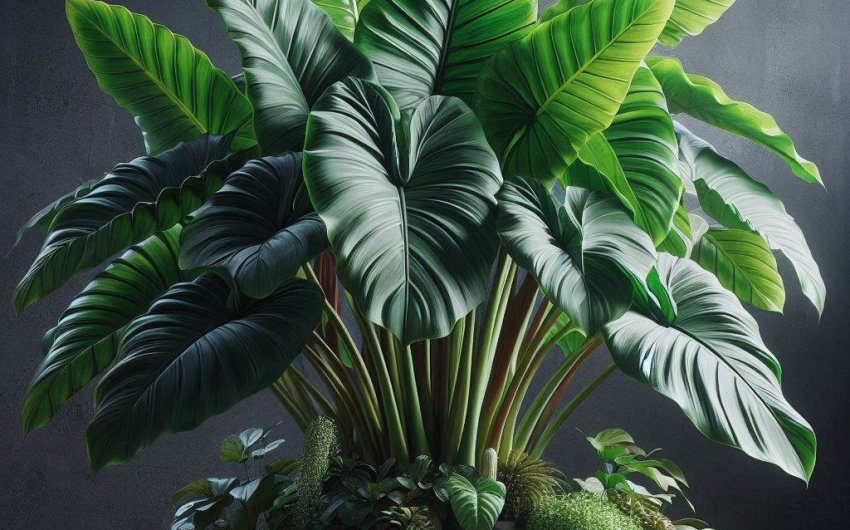
If your Alocasia is dropping healthy-looking leaves, it's most commonly a sign of stress related to either inconsistent watering, sudden environmental changes, or its natural dormancy cycle. While Alocasias prefer stable conditions, they are sensitive plants that can react to even subtle shifts in light, humidity, or temperature by sacrificing older foliage to support new growth.
Why Are Alocasias So Finicky with Their Leaves?
Alocasias, often called 'Elephant Ear' plants, are stunning tropical houseplants prized for their dramatic foliage. However, they have a reputation for being somewhat "dramatic" themselves, often dropping leaves, even seemingly healthy ones, in response to various environmental cues. Understanding their natural behavior and specific needs is key to deciphering why your Alocasia is dropping healthy-looking leaves.
- Rhizomatous Nature: Alocasias grow from rhizomes or corms (underground stems that store energy and water). They often prioritize developing new leaves or maintaining the health of the rhizome over older foliage.
- Balance Act: An Alocasia typically only supports a certain number of leaves at one time. When a new leaf emerges, an older one may naturally yellow and drop off, even if it appears healthy initially. This is a common and normal part of their growth cycle.
- Environmental Sensitivity: Being tropical, they are highly sensitive to changes in light, temperature, humidity, and watering. Any significant deviation from their ideal conditions can trigger leaf drop.
What Are the Most Common Reasons for Alocasia Leaf Drop?
When your Alocasia is dropping healthy-looking leaves, it's usually a symptom of stress or a natural part of its growth. Here are the most frequent causes:
1. Natural Leaf Cycling (Very Common)
- Problem: Alocasias are often observed to 'exchange' leaves. When a new leaf begins to unfurl, an older leaf (typically the oldest and smallest) may start to yellow and die back. This is the plant redirecting energy to new growth and is perfectly normal, especially for younger plants or those establishing in a new environment.
- Signs: Usually, only one older leaf turns yellow, often starting from the tip or edges, eventually shriveling and dropping. The rest of the plant appears healthy, and a new leaf is actively emerging.
- Solution: Allow the leaf to fully yellow and die back. Once it's completely yellow or brown, you can prune it off with clean shears. This is a natural process and not a cause for alarm if it's just one or two leaves over time.
2. Inconsistent or Improper Watering
- Problem: Alocasias are very particular about water. Both overwatering (the most common cause) and underwatering can lead to stress and leaf drop.
- Overwatering: Constantly soggy soil suffocates the roots and rhizome, leading to root rot. Damaged roots cannot absorb water or nutrients, causing the plant to "drown" and shed leaves.
- Underwatering: Allowing the soil to dry out too much, especially during active growth, stresses the plant. It may drop leaves to conserve moisture.
- Signs:
- Overwatering: Leaves may yellow before dropping, or turn mushy. Soil stays wet for too long. Stems might feel soft at the base.
- Underwatering: Leaves may droop, turn crispy, or just suddenly drop without much yellowing. Soil is bone dry.
- Solution: Adjust your watering routine.
- Check Soil: Water only when the top 2-3 inches of soil feel dry to the touch. Do not water on a strict schedule.
- Thorough Watering: When you do water, drench the soil thoroughly until water drains from the bottom.
- Drain Excess: Always empty any standing water from the saucer. Never let the pot sit in water.
- Proper Potting Mix: Ensure your Alocasia is in a chunky, well-draining aroid mix (see below).
3. Low Humidity
- Problem: As tropical plants, Alocasias thrive in high humidity (60-80%). Low humidity, common in heated indoor environments, stresses the plant and can cause leaves to crisp, droop, and eventually drop.
- Signs: Leaf edges may turn crispy and brown, overall leaf crisping, and eventual leaf yellowing and drop. New leaves may struggle to unfurl.
- Solution: Increase ambient humidity.
- Humidifier: Use a Plant Humidifier nearby.
- Pebble Tray: Place the pot on a tray filled with pebbles and water, ensuring the pot sits on the pebbles, not in the water. A Pebble Tray for Plants can help.
- Grouping Plants: Group several plants together to create a localized humid microclimate.
- Avoid Misting (mostly): Misting provides only temporary humidity and can encourage fungal issues.
4. Insufficient Light
- Problem: Alocasias need bright, indirect light to thrive. Too little light hinders photosynthesis, leading to overall weakness and the plant dropping leaves to conserve energy.
- Signs: Leggy growth, pale green leaves, and older leaves yellowing and dropping.
- Solution: Move your Alocasia to a brighter location.
- East or North-facing window: Ideal for gentle, indirect light.
- South or West-facing window: Place a few feet back from the window or use a sheer curtain to diffuse intense light.
- Grow Lights: Supplement with a LED Grow Light for Indoor Plants if natural light is insufficient. Aim for 10-12 hours a day.
5. Temperature Stress or Fluctuations
- Problem: Alocasias are sensitive to cold drafts, sudden temperature changes, or consistently low temperatures (below 60°F or 15°C). This shocks the plant and can lead to immediate leaf drop.
- Signs: Leaves may suddenly droop, yellow, or blacken before dropping.
- Solution: Keep your Alocasia in a stable environment with temperatures between 65-80°F (18-27°C). Avoid placing near drafty windows, air conditioning vents, or exterior doors.
6. Nutrient Deficiency
- Problem: While Alocasias are relatively hungry plants during active growth, a lack of essential nutrients can cause yellowing and leaf drop, especially if the potting mix is old or depleted.
- Signs: General yellowing of leaves, stunted growth, or specific patterns of discoloration.
- Solution: Fertilize appropriately during the growing season (spring and summer).
- Balanced Liquid Fertilizer: Use a balanced liquid houseplant fertilizer (e.g., 5-5-5 or 10-10-10) diluted to half strength. Apply every 2-4 weeks. A general Liquid Plant Food works well.
- Stop Fertilizing in Dormancy: Do not fertilize in fall or winter if your plant goes dormant.
- Flush Soil: Periodically flush the soil with plain water to prevent salt buildup from fertilizer.
7. Pests
- Problem: Sap-sucking pests can weaken the plant, leading to discoloration and leaf drop. Spider mites are particularly common on Alocasias.
- Signs: Small yellow spots, stippling on leaves, fine webbing (spider mites), visible insects (mealybugs, thrips, aphids), or sticky residue (honeydew).
- Solution: Inspect your plant regularly. Treat promptly with insecticidal soap or neem oil.
- Insecticidal Soap: Spray thoroughly, especially undersides of leaves. Repeat weekly. Safer Brand Insecticidal Soap is effective.
- Neem Oil: Mix and spray. Acts as an antifeedant. Neem Oil for Plants is a good choice.
8. Dormancy or Semi-Dormancy
- Problem: Some Alocasia varieties, particularly those growing from rhizomes, may enter a period of dormancy in winter, especially if light levels are low or temperatures drop. They may lose all their leaves, but the corm remains alive.
- Signs: All leaves yellow and die back. No new growth.
- Solution: If your Alocasia goes dormant, reduce watering significantly (just enough to keep the corm from shriveling) and stop fertilizing. Store in a cool, dark place. In spring, when temperatures rise and light increases, new growth should emerge.
How to Fix Alocasia Leaf Drop: A Troubleshooting Guide
When your Alocasia is dropping healthy-looking leaves, follow these steps to diagnose and correct the issue.
Assess the Leaf Pattern:
- Single oldest leaf yellowing while new leaf unfurls: Normal cycling.
- Multiple leaves yellowing, especially lower ones, and soil is wet: Overwatering/root rot.
- Leaves crispy or dropping suddenly, soil is dry: Underwatering.
- Crispy edges, generally unhealthy look despite watering: Low humidity.
- Overall paleness, leggy growth: Insufficient light.
- Sudden drop after a move or temperature change: Temperature stress.
- Small spots, webbing, sticky residue: Pests.
Check Watering First: This is the most common cause.
Advertisement- If Overwatered: Immediately stop watering. If severe, unpot, inspect roots (trim rotted), repot into fresh, dry, well-draining soil. Adjust watering frequency going forward.
- If Underwatered: Water thoroughly until it drains from the bottom. Adjust watering frequency to be more consistent.
Evaluate Environmental Conditions:
- Light: Move to a brighter spot (indirect light). Add a grow light if natural light is insufficient.
- Humidity: Increase humidity with a humidifier or pebble tray.
- Temperature: Ensure stable temperatures (65-80°F). Avoid drafts.
Inspect for Pests:
- Examine leaves (especially undersides) and stems for any signs of pests. Treat with appropriate organic solutions if found.
Review Potting Mix and Pot:
- Drainage: Ensure your pot has drainage holes.
- Mix: If your soil is dense or old, consider repotting into a fresh, chunky, well-draining aroid mix. A good mix will include Orchid Bark, Perlite for Plants, and coco coir.
Consider Fertilization:
- If you haven't fertilized in a while (during active growth), a light feeding might help. If you've over-fertilized, flush the soil.
Prune Dead/Dying Leaves: Once you've addressed the root cause and a leaf is completely yellow or brown, prune it off with clean, sharp Plant Scissors to redirect the plant's energy.
Preventing Alocasia Leaf Drop: Optimal Care Practices
Consistent and proactive care is the best way to prevent your Alocasia from dropping healthy-looking leaves in the future.
| Care Aspect | Optimal Conditions | How to Maintain |
|---|---|---|
| Light | Bright, indirect light; no direct sun. | Place in east/north window or set back from south/west. Use grow lights if needed. |
| Watering | Water when top 2-3 inches of soil are dry; allow to drain. | Check soil moisture regularly; adjust frequency seasonally and based on plant's activity. |
| Humidity | 60-80% relative humidity. | Use a humidifier, pebble tray, or group plants. |
| Potting Mix | Coarse, airy, well-draining aroid mix (bark, perlite, coco coir). | Repot every 1-2 years into fresh mix. |
| Fertilizing | Balanced liquid fertilizer (half strength) during spring/summer. | Follow "weakly, weekly" or "monthly" schedule. Flush soil periodically. |
| Temperature | Consistent 65-80°F (18-27°C); avoid drafts. | Place in a stable environment; monitor room temps. |
| Pest Check | Regular inspection of leaves (top and bottom) and stems. | Catch issues early; treat with organic sprays if necessary. |
| Dormancy Prep | Reduce watering and stop fertilizing if plant slows down significantly in winter. | Allow natural leaf drop; protect corm from rot. |
By meticulously providing its preferred conditions, you can significantly reduce the instances of your Alocasia dropping healthy-looking leaves due to stress, allowing it to flourish and display its magnificent foliage to its fullest potential. Remember, patience and observation are your best tools in deciphering the needs of these beautiful but sensitive plants.