
How Do I Fix Brown, Dry Patches on My Spider Plant's Leaves?
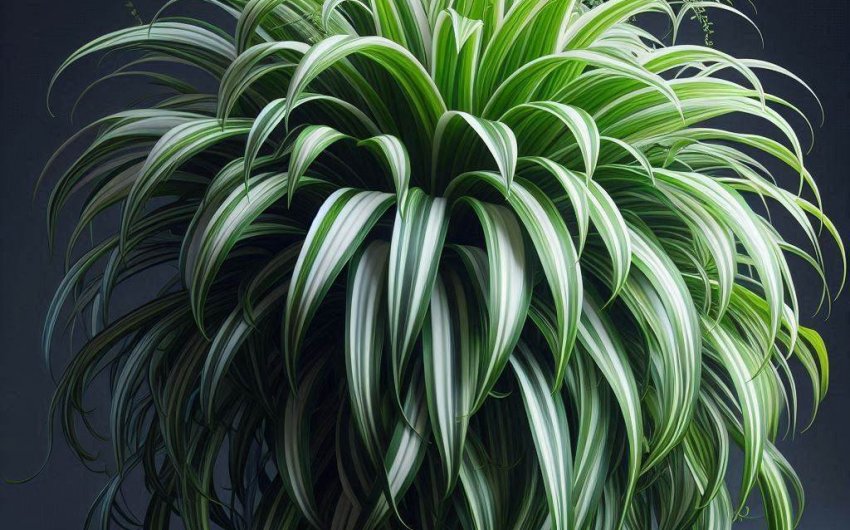
To fix brown, dry patches on your spider plant's leaves, you need to identify and correct underlying environmental or care issues. The most common causes are related to water quality, humidity, light, or fertilizer, all of which stress the plant and manifest as crispy brown tips or spots.
Why Do Spider Plant Leaves Turn Brown and Dry?
Brown, dry patches on spider plant leaves are a very common complaint among houseplant owners. These patches, often appearing as crispy brown tips or larger dried-out sections, are usually a symptom of environmental stress or improper care rather than a disease. Understanding the root cause is the first step to fixing the problem.
Common Causes of Brown Tips and Patches:
- Fluoride and Chlorine in Tap Water: This is arguably the most frequent culprit. Spider plants are particularly sensitive to chemicals found in tap water, which can build up in the soil and burn the leaf tips.
- Low Humidity: Spider plants are native to tropical and subtropical regions, where humidity levels are naturally high. Dry indoor air, especially in winter when heating systems are on, can cause the leaf tips to dry out and crisp.
- Overwatering or Underwatering: Both extremes can lead to brown tips.
- Overwatering: Leads to root rot, preventing roots from absorbing water and nutrients efficiently, causing leaves to brown.
- Underwatering: Causes the plant to dehydrate, leading to crispy, dry leaves as it tries to conserve moisture.
- Excess Fertilizer: Too much fertilizer can lead to a buildup of salts in the soil, which can burn the roots and cause leaf tips to brown.
- Too Much Direct Sunlight: While spider plants need bright, indirect light, too much direct sun can scorch their delicate leaves, causing brown, crispy patches.
- Temperature Extremes or Drafts: Sudden changes in temperature, cold drafts, or placing the plant near heat vents can stress the plant and lead to browning.
- Old Age/Natural Decline: Older leaves at the base of the plant may naturally brown and die off as the plant ages.
How Does Water Quality Affect Spider Plants?
Water quality is often the primary reason for brown, dry patches on spider plant leaves. These plants are highly sensitive to certain chemicals commonly found in tap water.
The Problem with Tap Water:
- Fluoride: Many municipal water supplies add fluoride to tap water. Spider plants are particularly susceptible to fluoride toxicity. Over time, fluoride accumulates in the leaf tips, causing them to turn brown and crispy.
- Chlorine: While less damaging than fluoride, chlorine can also contribute to leaf tip burn and general plant stress, especially if present in high concentrations.
- Dissolved Salts/Minerals: Hard water contains a high concentration of dissolved minerals (like calcium and magnesium). These can build up in the soil and on the leaf surface, leading to mineral burn or making it harder for the plant to absorb water.
Solutions for Water Quality Issues:
- Use Distilled or Rainwater: This is the most effective solution. Distilled water is free of minerals and chemicals. Rainwater is naturally soft and chemical-free. Collecting rainwater is an eco-friendly option.
- Filtered Water: If you have a good quality water filter (like a Brita pitcher or a reverse osmosis system), filtered water can significantly reduce chlorine and some other impurities. Not all filters remove fluoride, so check your filter's specifications.
- Let Tap Water Sit Out: For chlorine, letting tap water sit in an open container for 24-48 hours allows the chlorine to evaporate. This won't remove fluoride or dissolved minerals, but it helps.
- Flushing the Soil (Leaching): If you suspect a buildup of salts or chemicals in the soil, you can flush it.
- Place the potted plant in a sink or shower.
- Slowly pour a large volume of distilled or filtered water through the soil (at least 2-3 times the volume of the pot).
- Let it drain completely. This helps to wash away accumulated salts. Do this every few months, especially if you notice a white crust on the soil surface or pot.
By addressing water quality, you'll likely see a significant improvement in the health of your spider plant's leaves and prevent future browning.
How Can I Increase Humidity for My Spider Plant?
Low humidity is a common cause of brown, dry patches on spider plant leaves, especially in homes with dry air, central heating, or air conditioning. Spider plants thrive in moderate to high humidity.
Why Humidity Matters:
Spider plants are native to environments with higher atmospheric moisture. In dry air, the leaves lose moisture through transpiration faster than the roots can absorb it, leading to dehydration and crispy tips, particularly on the most exposed parts of the leaves.
Methods to Increase Humidity:
- Grouping Plants: Plants release moisture into the air through transpiration. Grouping several plants together creates a localized microclimate with higher humidity.
- Pebble Trays: Place a layer of pebbles in a shallow tray and add water to just below the top of the pebbles. Set your potted spider plant on top of the pebbles. As the water evaporates, it increases humidity around the plant without the pot sitting in standing water (which can cause root rot).
- Humidifier: For consistent and significant humidity increases, especially in very dry environments, a room humidifier is the most effective solution. This benefits not only your spider plant but also other houseplants and even human comfort. You can find a reliable LEVOIT Humidifier.
- Misting (Use with Caution): While popular, misting is generally less effective for long-term humidity. It provides a very temporary boost. If you do mist, use distilled or filtered water to avoid mineral spots on the leaves. Ensure good air circulation to prevent fungal issues from prolonged wetness on leaves.
- Location: Avoid placing your spider plant near heating vents, radiators, or fireplaces, which blast out hot, dry air. Bathrooms or kitchens often have higher natural humidity, making them good locations if light conditions are suitable.
Consistency is key when increasing humidity. Regular application of these methods will help keep your spider plant's leaves green and vibrant.
What is the Right Watering Schedule for Spider Plants?
The correct watering schedule is crucial for preventing brown, dry patches on spider plant leaves. Both overwatering and underwatering can lead to similar symptoms, making it essential to understand your plant's needs.
How to Water Spider Plants Properly:
- Feel the Soil: The best way to determine when to water is to check the soil moisture. Stick your finger about 1-2 inches (2.5-5 cm) deep into the soil. If it feels dry, it's time to water. If it still feels moist, wait.
- Soak and Drain: When you do water, water thoroughly until water flows out of the drainage holes at the bottom of the pot. This ensures the entire root ball is moistened.
- Empty Saucer: Do not let the pot sit in standing water in the saucer. This can lead to root rot. Empty any excess water promptly.
- Seasonality: Your watering frequency will change with the seasons.
- Summer/Growing Season: Water more frequently as the plant is actively growing and evaporating more water.
- Winter/Dormancy: Reduce watering significantly as growth slows down and evaporation decreases. The soil will dry out much slower.
Signs of Underwatering:
- Crispy, Dry Leaves: The entire leaf or large sections may turn brown and become brittle.
- Wilting: Leaves may appear droopy or limp.
- Light Pot: The pot will feel very light when picked up.
- Soil Pulling Away: The soil may pull away from the edges of the pot.
Signs of Overwatering (and Root Rot):
- Yellowing Leaves: Often starts with lower leaves turning yellow.
- Mushy Stem/Base: The base of the plant may feel soft and mushy.
- Stunted Growth: Overall growth will slow or stop.
- Fungus Gnats: Small, black flies hovering around the soil are a sign of consistently wet soil.
- Brown, Mushy Tips (less common than dry tips): If the browning is mushy rather than crispy, it might indicate root rot.
When in doubt, it's generally better to slightly underwater than overwater a spider plant, as they are somewhat drought-tolerant. Adjusting your watering routine to match your plant's needs will directly improve the health of its leaves.
What is the Best Light for a Spider Plant?
The right amount and type of light are crucial for preventing brown, dry patches on spider plant leaves and promoting overall healthy growth. Too much or too little light can both cause stress.
Ideal Light Conditions:
- Bright, Indirect Light: This is the sweet spot for spider plants. They thrive in locations that receive plenty of ambient light without direct sun hitting their leaves.
- Examples of Good Locations:
- A few feet away from a south or west-facing window.
- Near an east-facing window where they get gentle morning sun.
- In a brightly lit room, even without direct window exposure, if there's sufficient overhead lighting.
Problems with Too Much Light:
- Sunburn/Scorching: Direct, intense sunlight, especially through a windowpane, can burn the leaves, causing large, bleached, yellow, or crispy brown patches. This is often more prominent on the white variegated parts of the leaves.
- Increased Water Loss: Direct sun can also cause the plant to dry out much faster, leading to brown tips due to dehydration.
- Faded Color: The vibrant green and white (or cream) variegation may fade and look washed out.
Problems with Too Little Light:
- Leggy Growth: The plant will stretch towards the light source, resulting in long, weak stems and sparse foliage.
- Loss of Variegation: The distinct white stripes may become less prominent or disappear entirely.
- Reduced Baby Production: The plant may produce fewer or no "spiderettes" (baby plants).
- General Lack of Vigor: The plant will just not look as lush and healthy.
Adjusting Light for Your Spider Plant:
- Observe Your Plant: Watch for the symptoms mentioned above.
- Move Location: If you see signs of scorching, move your plant further away from the window or to a spot with less intense light.
- Use Sheer Curtains: If a window is your only option for bright light, use a sheer curtain to diffuse the harsh direct rays.
By ensuring your spider plant receives consistent bright, indirect light, you contribute significantly to its overall health and prevent light-related leaf browning.
How Much Fertilizer Do Spider Plants Need?
Over-fertilizing is a common cause of brown, dry patches on spider plant leaves, especially the tips. Spider plants are not heavy feeders, and too much fertilizer can lead to a harmful buildup of salts in the soil.
The Problem with Excess Fertilizer:
- Salt Burn: Fertilizers contain various mineral salts. When applied too frequently or at too high a concentration, these salts accumulate in the soil. This can "burn" the plant's roots, making it difficult for them to absorb water and nutrients, which then manifests as brown, crispy leaf tips.
- Nutrient Imbalance: Too much of one nutrient can lead to deficiencies in others.
Fertilizing Best Practices for Spider Plants:
- Less is More: This is the golden rule for spider plants. They prefer to be under-fertilized rather than over-fertilized.
- Dilute Fertilizer: If you use a liquid houseplant fertilizer, always dilute it to half strength (or even quarter strength) of the manufacturer's recommended dosage.
- Fertilize During Growing Season Only: Only fertilize when your spider plant is actively growing, which is typically in spring and summer.
- Frequency: Fertilize once every 2-4 weeks during the growing season. Some experts recommend even less often, perhaps once a month or every other month.
- Do Not Fertilize Dormant Plants: Avoid fertilizing in fall and winter when growth slows down or stops. Fertilizing a dormant plant can cause root burn.
- Water Before Fertilizing: Always water your spider plant thoroughly before applying liquid fertilizer. Applying fertilizer to dry soil can cause root damage.
- Choose the Right Fertilizer: Use a balanced houseplant fertilizer (e.g., 20-20-20 or 10-10-10 NPK) or one slightly higher in nitrogen for leafy growth. A product like Miracle-Gro Indoor Plant Food can work well when diluted.
What to Do if You Over-fertilized:
If you suspect fertilizer burn, immediately flush the soil as described in the "Water Quality" section. This will help wash away excess salts.
By being conservative with fertilizer, you help prevent brown, dry patches on your spider plant's leaves caused by salt buildup, keeping your plant healthier.
When Should I Repot My Spider Plant?
Repotting your spider plant can sometimes resolve issues that contribute to brown, dry patches on its leaves, especially if it's root-bound or the soil has become depleted.
Signs a Spider Plant Needs Repotting:
- Roots Growing Out of Drainage Holes: This is the clearest sign that the plant has outgrown its current pot.
- Stunted Growth: If the plant's growth has slowed significantly, even during the growing season.
- Water Drains Too Quickly: If water runs straight through the pot without being absorbed, it means the root ball is too dense, and there's not enough soil to hold moisture.
- White Crust on Soil/Pot: A buildup of mineral salts (from hard water or fertilizer) can be seen as a white crust. Repotting with fresh soil helps.
- Browning Tips Despite Other Care: If you've addressed other common issues (water quality, humidity, light, fertilizer) and still see browning, root issues from being pot-bound could be the cause.
Best Time to Repot:
- The best time to repot a spider plant is in spring or early summer, during its active growing season. This allows the plant to recover quickly.
How to Repot a Spider Plant:
- Choose the Right Pot: Select a new pot that is only 1-2 inches (2.5-5 cm) larger in diameter than the current one. Using a pot that is too large can lead to overwatering issues. Always choose a pot with drainage holes.
- Prepare Soil: Use a good quality, well-draining potting mix. A standard indoor potting mix with some added perlite for extra drainage is ideal. Miracle-Gro Indoor Potting Mix is a popular option.
- Remove Plant: Gently tip the old pot on its side and slide the plant out. If it's stuck, you might need to run a knife around the inner rim.
- Loosen Roots: Gently tease apart any tightly bound roots at the bottom and sides of the root ball. You can trim off any circling or mushy (rotted) roots with clean, sharp scissors.
- Add New Soil: Place a layer of fresh potting mix at the bottom of the new pot.
- Position Plant: Center the spider plant in the new pot, ensuring the base of the plant is at the same level as it was in the old pot.
- Fill with Soil: Fill the rest of the pot with fresh soil, gently patting it down around the roots to remove large air pockets. Leave about 1 inch (2.5 cm) of space from the rim for watering.
- Water Thoroughly: Water the newly repotted plant until water drains from the bottom.
Repotting provides fresh nutrients and space for roots to grow, contributing to the overall health and vitality of your spider plant, helping to alleviate future browning.
How Do I Prune Brown Tips and Leaves?
Pruning brown, dry patches on spider plant leaves is largely cosmetic. While it doesn't fix the underlying issue, it makes the plant look better and removes dead or dying tissue.
When to Prune:
- Anytime: You can prune brown tips and dead leaves whenever you notice them.
- After Addressing Cause: Ideally, address the underlying cause of the browning (water, humidity, light, etc.) before or as you prune, to prevent new brown tips from forming.
Tools for Pruning:
- Sharp Scissors or Shears: Use clean, sharp scissors to make precise cuts. You can sterilize them with rubbing alcohol before and after use to prevent the spread of any potential pathogens.
How to Prune Brown Tips:
- Identify Brown Areas: Look for the crispy, brown tips or sections of leaves.
- Cut at an Angle: With your sharp scissors, cut the brown portion of the leaf. Try to follow the natural shape of the leaf, cutting at a slight angle or curve to mimic the leaf tip. This looks more natural than a blunt, straight cut.
- Leave a Thin Brown Edge (Optional but Recommended): To avoid cutting into healthy green tissue, which can cause the freshly cut edge to brown again, leave a very thin sliver of brown edge. This creates a buffer zone.
- Remove Entire Dead Leaves: If an entire leaf has turned completely brown or yellow and is shriveled, gently pull it from the base of the plant or cut it off with your shears as close to the main stem as possible.
- Remove Yellowing Leaves: If leaves are primarily yellow and not just tips, they may be dying off due to age, overwatering, or nutrient deficiency. Remove them.
Benefits of Pruning:
- Aesthetics: Improves the overall appearance of your spider plant.
- Energy Conservation: The plant no longer needs to send energy to dying or damaged tissue, redirecting that energy to healthy growth.
- Prevents Disease: Removing dead leaves can reduce potential hiding spots for pests or areas where fungal growth might begin.
Pruning is a simple maintenance task that keeps your spider plant looking its best while you work on resolving the root causes of its brown leaves.