
What Should I Do If My Begonia Rex Has Powdery Mildew?
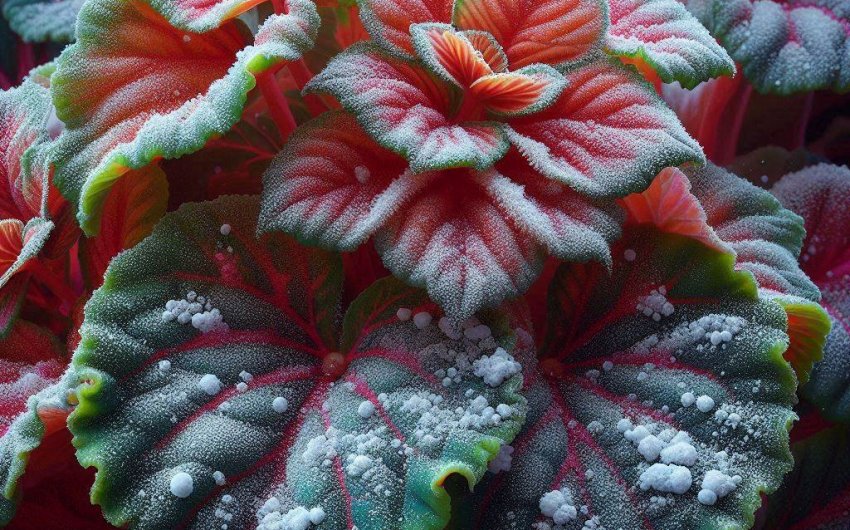
If your Begonia Rex has powdery mildew, immediately isolate the affected plant to prevent the fungal disease from spreading to other houseplants. Begin treatment by gently wiping visible mildew from leaves with a damp cloth, then apply a natural or chemical fungicide designed for ornamental plants.
What is Powdery Mildew and Why Does It Affect Begonia Rex?
Powdery mildew is a common fungal disease that appears as a white, powdery coating on plant leaves, stems, and flowers. It is caused by various species of fungi, particularly Erysiphe cichoracearum or Podosphaera xanthii for Begonia Rex. This fungus thrives in specific conditions that are often present in indoor environments where begonias are grown. Begonia Rex varieties are particularly susceptible due to their often dense foliage and a preference for higher humidity, which can sometimes create stagnant, humid conditions that the fungus loves.
The fungus reproduces by airborne spores, which can travel easily from one plant to another. Once a spore lands on a susceptible plant, it germinates and begins to grow, forming the characteristic white patches. These patches are a network of fungal threads (mycelium) and spores. Left untreated, powdery mildew can weaken your Begonia Rex, leading to distorted growth, yellowing leaves, and a general decline in plant health. Severe infestations can even lead to leaf drop and, in rare cases, plant death.
How Can I Identify Powdery Mildew on My Begonia Rex?
Identifying powdery mildew on your Begonia Rex is usually straightforward due to its distinctive appearance. Look for the following signs:
- White, Powdery Spots: The most obvious sign is the presence of small, white, circular patches that look like dust or flour sprinkled on the surface of the leaves. These spots can merge over time to cover larger areas.
- Location: While primarily found on the upper surfaces of leaves, powdery mildew can also appear on the undersides, stems, and even flower buds if your Begonia Rex is blooming.
- Texture: The mildew has a fuzzy or cotton-like texture when touched. It does not easily wipe off like dust, as it is a fungal growth embedded on the leaf surface.
- Yellowing or Browning: As the infection progresses, the affected areas of the leaves may start to yellow, brown, or become distorted. The fungus siphons nutrients from the plant, causing discoloration and weakening the tissue.
- Stunted Growth: In severe cases, your Begonia Rex may show signs of stunted growth, with new leaves appearing smaller or misshapen. Flowers might not open properly or could be covered in the white film.
Early detection is key to effective treatment. Regularly inspect your Begonia Rex, especially the new growth and the undersides of leaves, to catch any signs of powdery mildew before it spreads extensively.
What Causes Powdery Mildew to Appear on Begonia Rex?
Several environmental factors contribute to the development and spread of powdery mildew on Begonia Rex. Understanding these causes is crucial for prevention and effective management.
High Humidity with Poor Air Circulation
While Begonia Rex appreciates higher humidity, stagnant high humidity is a prime breeding ground for powdery mildew. When air circulation is poor, moisture can sit on leaf surfaces for extended periods, creating the ideal damp conditions the fungus needs to thrive and spread. This is a common issue in indoor environments where plants are often grouped closely together or placed in corners without sufficient airflow.
Moderate Temperatures
Powdery mildew flourishes in moderate temperatures, typically between 60°F and 80°F (15°C and 27°C). While extreme heat or cold can inhibit its growth, the temperatures found in most homes are often perfect for its proliferation. Fluctuating temperatures, particularly warm days followed by cool nights, can also stress plants and make them more susceptible.
Overcrowding
When Begonia Rex plants are placed too close together, it restricts airflow between them. This creates localized pockets of high humidity and poor ventilation, facilitating the rapid spread of powdery mildew from one leaf to another and from one plant to the next. Overcrowding also makes it harder for light and air to penetrate the foliage, creating shaded, damp environments the fungus prefers.
Low Light Conditions
Begonia Rex generally prefers bright, indirect light, but if a plant is consistently in too low light, it can become stressed and more vulnerable to diseases like powdery mildew. Low light can also contribute to longer drying times for leaf surfaces after watering or misting, further encouraging fungal growth.
Nutrient Imbalance
While not a direct cause, an imbalance in nutrients can weaken your Begonia Rex, making it more susceptible to infections. Over-fertilization, especially with high nitrogen fertilizers, can encourage lush, soft growth that is more vulnerable to fungal attacks. Conversely, a lack of essential nutrients can also compromise the plant's natural defenses.
Bringing Infected Plants Indoors
One of the most common ways powdery mildew is introduced to an indoor Begonia Rex collection is by bringing in new plants that are already infected. The spores can easily transfer from one plant to another, leading to a widespread outbreak. Always inspect new plants thoroughly before introducing them to your existing collection.
What Are the Best Immediate Actions for a Begonia Rex with Powdery Mildew?
Once you've identified powdery mildew on your Begonia Rex, immediate action is crucial to control the spread and save your plant.
Isolate the Infected Plant
The very first step is to isolate your Begonia Rex from all other plants. Move it to a separate room or a distinct area where spores cannot easily travel. This prevents the fungal infection from spreading to your healthy houseplants. Ensure the isolation area still meets the plant's light and temperature requirements.
Prune Affected Leaves
Carefully prune any leaves that are heavily covered in powdery mildew. Use clean, sharp scissors or pruning shears. Make sure to sanitize your tools with rubbing alcohol or a bleach solution (1 part bleach to 9 parts water) before and after each cut to avoid spreading spores. Dispose of the infected leaves in a sealed bag in the trash, not in your compost, to prevent the fungus from spreading. If an entire stem is heavily infected, consider removing it at the base.
Wipe Down Leaves
For areas with lighter infections or after pruning, gently wipe down the remaining leaves with a damp cloth. This physically removes some of the fungal spores and mycelium from the leaf surface. You can moisten the cloth with plain water or a very diluted solution of water and mild soap. Be gentle to avoid damaging the delicate leaves of your Begonia Rex.
Improve Air Circulation
After physical removal, focus on improving the air circulation around your Begonia Rex.
- Fan: Place a small oscillating fan nearby, set on a low setting, to create gentle air movement. This helps to dry leaf surfaces and prevent stagnant air.
- Spacing: Ensure your Begonia Rex is not crowded by other plants or objects. Give it ample space for air to move freely around its foliage.
- Location: Avoid placing the plant in a corner or against a wall where air might get trapped.
Adjust Humidity (If Too High)
While Begonia Rex enjoys humidity, stagnant high humidity is the enemy. If your humidity levels are consistently very high without good airflow, consider ways to slightly reduce the immediate humidity around the plant, such as:
- Avoid Misting: Temporarily stop misting your Begonia Rex if you normally do, until the mildew is under control. Misting can leave water on leaf surfaces, which encourages fungal growth.
- Dehumidifier: If your entire indoor environment is excessively humid, a dehumidifier might be beneficial. However, be careful not to make the air too dry, as this can also stress your begonia.
- Pebble Tray (Use with Caution): If you use a pebble tray for humidity, ensure there is always a layer of pebbles between the pot and the water to prevent root rot, and that the water isn't creating excessive localized humidity directly on the leaves without airflow. For powdery mildew, reducing localized humidity on leaves is key.
These immediate actions lay the groundwork for effective treatment and create an environment less favorable for powdery mildew to thrive.
What Are Effective Natural Remedies for Powdery Mildew on Begonia Rex?
Many gardeners prefer to start with natural remedies when dealing with powdery mildew on their Begonia Rex. These options are generally safer for the plant, pets, and the environment.
Neem Oil Spray
Neem oil is a popular organic fungicide and insecticide that works by disrupting the life cycle of the fungus. It's also effective against a range of pests.
How to Use:
- Mix: Combine 1-2 tablespoons of 100% cold-pressed neem oil with 1 teaspoon of mild liquid soap (like castile soap) in 1 gallon of water. The soap helps the oil mix with water. A good product to consider is Garden Safe Brand Neem Oil Extract Concentrate.
- Spray: Thoroughly spray your Begonia Rex, ensuring both the top and undersides of all leaves are coated. Do this in the evening or on a cloudy day to prevent leaf burn, as neem oil can make leaves more sensitive to sunlight.
- Repeat: Apply every 7-14 days until the powdery mildew is gone. As a preventative measure, you can apply it once a month.
Baking Soda Solution
Baking soda (sodium bicarbonate) can alter the pH on the leaf surface, making it an inhospitable environment for fungal spores to grow.
How to Use:
- Mix: Dissolve 1 tablespoon of baking soda and 1/2 teaspoon of mild liquid soap in 1 gallon of water.
- Spray: Apply the solution generously to all affected areas of your Begonia Rex.
- Test: It's always wise to test this solution on a small, inconspicuous part of the plant first to ensure there's no adverse reaction (though reactions are rare).
- Repeat: Spray once a week until the mildew disappears. Do not use more frequently, as too much baking soda can build up salts in the soil or on leaves.
Milk Spray
Surprisingly, milk has fungicidal properties, especially when used on powdery mildew. The proteins in milk are believed to produce antiseptic radicals when exposed to sunlight.
How to Use:
- Mix: Combine 1 part milk (any type, but skim milk is often recommended) with 9 parts water. For example, 1 cup milk to 9 cups water.
- Spray: Thoroughly cover all parts of your Begonia Rex with the diluted milk solution.
- Repeat: Apply every 7-10 days, preferably on a sunny day.
Apple Cider Vinegar Spray
Similar to baking soda, apple cider vinegar can change the pH of the leaf surface. Its acetic acid has mild fungicidal properties.
How to Use:
- Mix: Dilute 1-2 tablespoons of apple cider vinegar in 1 gallon of water.
- Spray: Spray affected leaves, ensuring good coverage.
- Caution: Do not use full-strength vinegar, as it can burn leaves. Start with a weaker solution and increase slightly if needed.
- Repeat: Apply once a week until the powdery mildew subsides.
When using any of these natural remedies, consistency is key. Always apply them thoroughly and repeatedly for the best results against powdery mildew on your Begonia Rex.
When Should I Consider Chemical Fungicides for Begonia Rex Powdery Mildew?
While natural remedies are often effective for mild powdery mildew infestations on Begonia Rex, there are situations where chemical fungicides may be necessary. Consider using a chemical option if:
- Natural remedies haven't worked: You've consistently applied natural treatments for several weeks, but the powdery mildew persists or worsens.
- Severe Infestation: The infection is widespread, covering a significant portion of your Begonia Rex and causing substantial damage.
- Rapid Spread: The mildew is spreading very quickly to other parts of the plant or to nearby plants despite your best efforts.
- Valuable Plant: Your Begonia Rex is a rare or highly valued specimen, and you want to ensure its survival.
Types of Chemical Fungicides
When choosing a chemical fungicide for your Begonia Rex, look for products specifically labeled for powdery mildew control on ornamental plants. Common active ingredients include:
- Myclobutanil: This is a systemic fungicide, meaning it's absorbed by the plant and protects it from within. An example is Spectracide Immunox Multi-Purpose Fungicide.
- Propiconazole: Another systemic fungicide effective against a broad spectrum of fungal diseases.
- Horticultural Oil: While sometimes considered natural, refined horticultural oils (like mineral oil) act as a suffocant for fungal spores. An example is Bonide All Seasons Horticultural and Dormant Spray Oil. Ensure it's labeled for use on tender plants like begonias.
- Potassium Bicarbonate: Similar to baking soda but often more effective and less prone to leaving residue. Available in formulations like GreenCure Fungicide.
How to Apply Chemical Fungicides Safely
Safety is paramount when using chemical fungicides. Always follow the product label instructions precisely.
- Read the Label: This is the most important step. Pay attention to mixing ratios, application frequency, safety precautions, and specific plants the product is safe for.
- Wear Protective Gear: Always wear gloves, eye protection, and potentially a mask, especially when mixing concentrates.
- Ventilation: Apply in a well-ventilated area, preferably outdoors if possible. If indoors, open windows and doors.
- Test First: If you're unsure about a product's effect on your Begonia Rex, test it on a small, inconspicuous leaf a few days before full application.
- Thorough Coverage: Ensure you thoroughly cover all plant surfaces, including the undersides of leaves, where powdery mildew can hide.
- Timing: Apply in the early morning or late evening when temperatures are cooler to minimize the risk of leaf burn. Avoid applying in direct sunlight or during the hottest part of the day.
- Do Not Overapply: More is not better. Over-application can damage your Begonia Rex. Stick to the recommended dosage and frequency.
- Dispose Properly: Dispose of any leftover solution and empty containers according to local regulations. Do not pour down drains.
Using chemical fungicides should be a last resort after trying natural methods, and always with extreme caution and adherence to safety guidelines.
How Can I Prevent Powdery Mildew from Returning to My Begonia Rex?
Preventing powdery mildew from returning to your Begonia Rex is far easier than treating an existing infection. Implementing good cultural practices is key to maintaining a healthy, resilient plant.
Improve Air Circulation
This is paramount. Good air circulation helps dry leaf surfaces quickly and prevents stagnant, humid conditions that powdery mildew loves.
- Spacing: Ensure your Begonia Rex has ample space around it, not touching other plants or walls.
- Fans: Use a small oscillating fan in your plant area, set on a low speed, to gently move the air.
- Open Windows: Periodically open windows to allow fresh air exchange, especially on mild days.
Optimize Humidity Levels
While Begonia Rex loves high humidity (60-80% is ideal), the combination of high humidity and poor airflow is problematic.
- Avoid Over-Misting: If you mist, do so sparingly and ensure the leaves dry quickly. Consider misting in the morning to allow for evaporation throughout the day.
- Pebble Trays: If using pebble trays, ensure the pot sits above the water, not in it, and that the area has good airflow.
- Humidifiers: If using a humidifier, ensure it's not creating stagnant, excessively damp air directly around the plant. Consider a humidifier with a hygrometer to monitor levels.
Proper Watering Practices
Watering correctly contributes to overall plant health, making your Begonia Rex less susceptible to infections.
- Water at the Base: Water your Begonia Rex at the soil level, avoiding wetting the leaves whenever possible.
- Morning Water: If accidental wetting occurs, watering in the morning allows leaves to dry before nightfall.
- Well-Draining Soil: Ensure your Begonia Rex is in well-draining potting mix to prevent root rot and overall stress.
Provide Adequate Light
Begonia Rex thrives in bright, indirect light. Insufficient light can weaken the plant and make it more vulnerable.
- Location: Place your Begonia Rex near an east-facing window, or several feet back from a south or west-facing window, where it receives plenty of bright, filtered light without harsh direct sun.
- Rotate: Rotate your plant periodically to ensure all sides receive even light exposure.
Regular Inspection
Make regular inspection a routine part of your plant care.
- Weekly Check: Dedicate a few minutes each week to thoroughly inspect your Begonia Rex for any signs of powdery mildew or other issues. Check both upper and undersides of leaves, stems, and new growth.
- Early Detection: Catching problems early makes them much easier to treat.
Pruning and Deadheading
Regularly prune your Begonia Rex to improve its health and airflow.
- Remove Dead/Yellowed Leaves: Remove any dead, yellowing, or diseased leaves promptly.
- Thin Out Dense Growth: If your Begonia Rex becomes very dense, selectively prune some inner leaves to improve airflow within the canopy.
- Sterilize Tools: Always use clean, sterilized pruning tools to avoid spreading diseases.
Balanced Fertilization
Provide your Begonia Rex with a balanced fertilizer during the growing season.
- Avoid Excess Nitrogen: Over-fertilization, especially with high nitrogen fertilizers, can encourage lush, soft growth that is more vulnerable to fungal attacks. Use a balanced fertilizer or one slightly higher in phosphorus and potassium.
- Follow Directions: Always follow the fertilizer's package directions for dosage and frequency.
Quarantine New Plants
Always quarantine new plants before introducing them to your existing collection.
- Isolation Period: Keep new plants separate for at least 2-4 weeks.
- Observation: During this time, observe them closely for any signs of pests or diseases, including powdery mildew.
By consistently applying these preventative measures, you can significantly reduce the risk of powdery mildew affecting your Begonia Rex and keep it thriving. Maintaining good hygiene in your plant environment is crucial for ongoing plant health and the avoidance of common houseplant diseases like powdery mildew.