
How to Set Up a Raised Garden Bed for Kids?
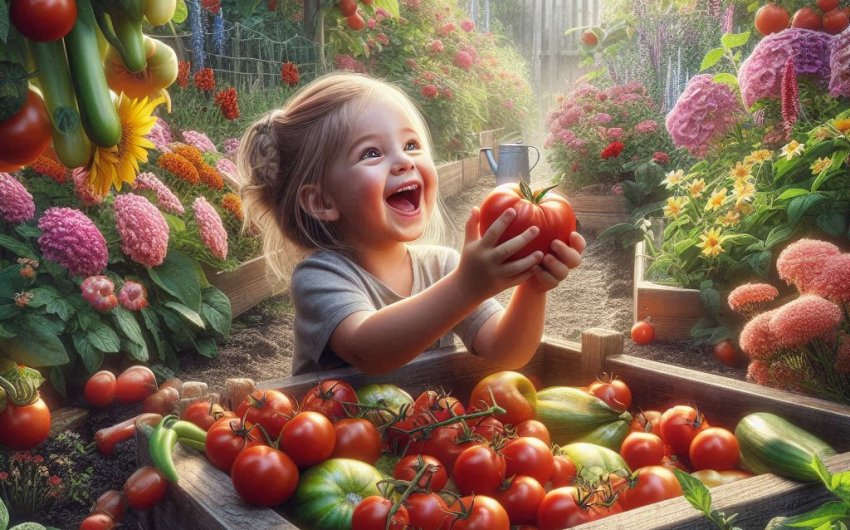
Setting up a raised garden bed for kids is a fantastic way to introduce them to gardening. This hands-on activity not only teaches children about plants and the environment but also encourages responsibility, patience, and creativity. Kids can plant their favorite vegetables, herbs, or flowers and watch them grow over time. With a few simple steps, you can create a child-friendly gardening space that’s fun and easy to maintain.
Benefits of a Raised Garden Bed for Kids
A raised garden bed offers many advantages for young gardeners. The elevated height is perfect for kids because it’s easy to reach, making the planting process more accessible and enjoyable. Raised beds also allow for better control of soil quality, drainage, and weed management. In a smaller space, kids can have their own personal “garden zone,” allowing them to feel ownership and pride in their plants.
Let’s dive into how to set up a raised garden bed for kids, from choosing the location to selecting plants and setting up the tools they’ll need.
Step 1: Choosing the Right Location
When setting up a raised garden bed for kids, location is key. Here are a few tips to help you choose the best spot:
Sunlight
Most plants, especially vegetables, need at least six hours of sunlight daily. When picking a location, find a sunny spot where plants can thrive. A sunny location will make it easier for your kids’ plants to grow strong and healthy.
Accessibility
Choose a location that’s easy for kids to access. Make sure it’s close to a water source so they can water their garden easily. Keep the bed at a safe distance from high-traffic areas to avoid accidental tripping or stepping on plants.
Kid-Friendly Zones
Creating a kid-friendly garden space means thinking about safety. Avoid areas near thorny bushes or large rocks, and ensure there’s enough space around the garden bed for kids to move comfortably.
Step 2: Selecting a Raised Garden Bed
There are several options for raised garden beds. You can buy a ready-made raised garden bed or build one from scratch. Here are some kid-friendly options:
Prefabricated Garden Beds
Prefabricated raised garden beds come in various materials like wood, metal, or plastic. These are easy to assemble and durable, perfect for families who want a simple setup.
DIY Wooden Garden Beds
A DIY wooden garden bed is a budget-friendly option. With a few wood planks and basic tools, you can construct a custom-sized bed that fits perfectly in your garden space. Choose untreated wood, as treated wood can contain chemicals that are not safe for plants or kids.
Elevated Planter Boxes
An elevated planter box is a great option for smaller spaces, like patios or balconies. These boxes come with legs, raising the plants to a comfortable height, which can be ideal for young children.
Kiddie Garden Kits
Some companies offer kids’ garden kits with small, pre-built beds designed specifically for children. These kits often include child-safe tools and seeds to get kids started with gardening.
Step 3: Preparing the Soil
Once the bed is ready, it’s time to add soil. High-quality soil is essential for healthy plants. Here’s how to prepare the soil in your raised garden bed:
Choosing the Right Soil
For a kid-friendly garden, choose organic soil that is free from chemicals. Look for soil labeled as "garden soil" or "raised bed soil." These soils have the right mix of nutrients for vegetables, flowers, and herbs.
Adding Compost
Adding compost is a great way to enrich the soil and teach kids about recycling. Compost provides essential nutrients and improves soil texture, helping plants grow better. You can buy compost or make your own with kitchen scraps like vegetable peels and coffee grounds.
Mixing and Filling the Bed
Once you have your soil and compost, it’s time to fill the raised bed. Start by adding a few inches of soil, then mix in compost to create a nutrient-rich layer. Continue adding soil until the bed is about ¾ full, leaving some space for plants and watering.
Step 4: Choosing Kid-Friendly Plants
Choosing the right plants can make gardening more enjoyable for kids. Look for fast-growing, hardy plants that are easy to care for. Here are some good options:
Vegetables
- Radishes – Quick to grow and easy to harvest, radishes are perfect for young gardeners.
- Carrots – With their bright orange color, carrots are fun for kids to dig up once they’re ready.
- Lettuce – Lettuce grows quickly and is easy to pick for salads.
- Cherry tomatoes – Sweet and easy to snack on, cherry tomatoes are popular with kids.
Herbs
- Basil – A fragrant herb that grows easily and is fun to pick.
- Mint – Mint is a hardy herb with a pleasant scent, and it’s nearly foolproof for beginners.
- Chives – These thin green herbs grow quickly and add flavor to meals.
Flowers
- Marigolds – Bright and easy to grow, marigolds also help keep pests away.
- Sunflowers – Sunflowers grow tall and sturdy, making them exciting for kids to watch.
- Zinnias – These colorful blooms are easy to grow and attract butterflies.
Step 5: Planting with Kids
Once you have the bed, soil, and seeds ready, it’s time for planting! This is where kids can really get involved, from making holes for seeds to covering them with soil. Here are some tips for planting with kids:
Teaching the Basics
Show kids how deep to plant each seed by reading the instructions on the seed packets. Use a small hand trowel or their fingers to make little holes in the soil. Explain how to space out the seeds so that each plant has room to grow.
Labeling Plants
Once the seeds are in the ground, help kids label their plants. Use plant markers or let them create their own labels. This makes it easier for them to remember where each plant is and adds a creative touch to the garden.
Watering
Teach kids how to water their garden gently to avoid washing away seeds. A watering can with a sprinkle attachment is perfect for young gardeners, as it provides a gentle flow. Explain how much water each plant needs and let them take turns watering.
Step 6: Setting Up a Kid-Friendly Gardening Routine
Creating a gardening routine helps kids stay engaged and learn responsibility. Here’s how to set up a simple schedule:
Watering Schedule
Encourage kids to water their garden every day or every other day, depending on the weather. If it’s rainy, they may not need to water as often. For very young children, using a moisture meter can help them understand when the soil is dry and needs watering.
Weekly Weeding
Weeds can pop up in any garden, and a weekly weeding session keeps the bed tidy. Teach kids to identify weeds and remove them by hand or with a small weeding tool. This helps plants grow without competition.
Harvest Time
Harvesting is the most rewarding part of gardening for kids. Help them know when vegetables and herbs are ready to be picked. They’ll love pulling up carrots or snipping fresh herbs, and it’s a great opportunity to teach them about eating fresh produce.
Step 7: Teaching Kids Garden Care Basics
Gardening involves more than just planting and watering. Teaching kids the basics of garden care helps them learn important skills:
Fertilizing
After a few weeks, explain to kids that plants need extra nutrients to grow strong. Use a kid-safe organic fertilizer and show them how to apply it according to the instructions. Fertilizing helps plants stay healthy and boosts growth.
Pest Control
Gardens sometimes attract pests like bugs or slugs. Teach kids to look for signs of pests, like holes in leaves or chewed stems. Show them how to pick pests off by hand or spray plants with a gentle, kid-friendly pest control spray.
Mulching
Mulching helps keep soil moist and reduces weeds. Spread a thin layer of mulch around plants, explaining how it helps protect the soil. Kids can help sprinkle mulch around their plants, which also gives them a sense of accomplishment.
Step 8: Adding Fun Elements to the Garden
To make the garden even more enjoyable, add some creative touches that will make kids excited to visit their plants.
Garden Decorations
Let kids decorate their garden with painted rocks or colorful garden stakes. These small touches make the garden feel special and personalized.
Kid-Sized Tools
Having their own kid-sized gardening tools makes the experience more fun for children. These tools are usually smaller and lighter, making it easy for them to dig, plant, and weed.
Garden Journals
Encourage kids to keep a garden journal. They can draw pictures, note plant growth, or write about what they observe each day. A journal helps them track their garden’s progress and can become a fun keepsake.
Step 9: Learning Through Observation
Gardening provides many learning opportunities. Encourage kids to observe changes in their plants and talk about what they see. For example, they can learn about:
- Photosynthesis – Explain that plants need sunlight to make food.
- Plant Life Cycle – Point out stages, from seed to sprout to mature plant.
- Pollinators – Observe butterflies or bees visiting flowers and explain their role in helping plants grow.
This interactive experience is fun for kids and helps them understand the science of gardening.
Step 10: Embracing the Harvest and Enjoying the Results
When it’s time to harvest, let kids gather the fruits (or vegetables) of their labor. They’ll love picking fresh veggies or snipping herbs to bring to the kitchen. Encourage them to try their homegrown produce and use it in family meals. Sharing a salad or a snack they’ve grown themselves gives kids a sense of pride and connection to the food they eat.
With a few simple steps, setting up a raised garden bed for kids is a fun and educational way to get them involved in the world of gardening. By creating a welcoming space and teaching them basic care, you’ll give them a memorable experience and inspire a love for plants and nature.