
How to Grow Herbs Hydroponically at Home?
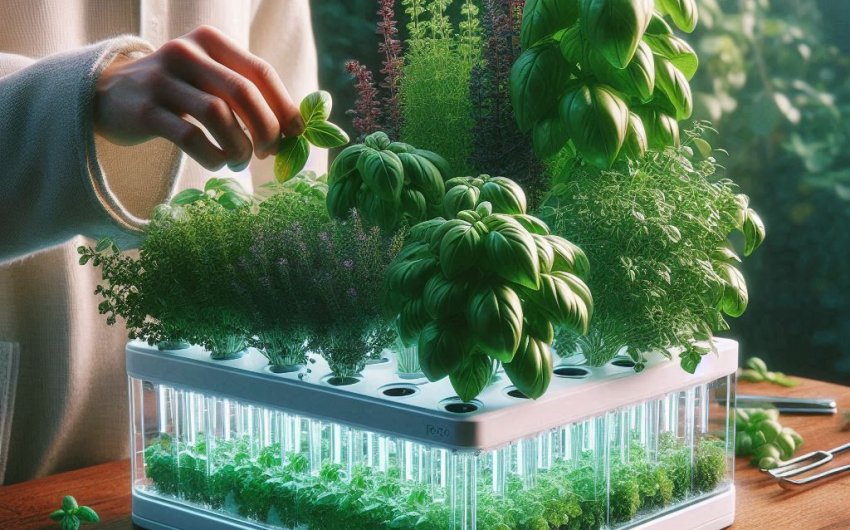
To grow herbs hydroponically at home, you'll establish a soilless system that delivers nutrient-rich water directly to the plant roots, providing optimal light and monitoring pH levels for rapid, year-round growth. This method allows for efficient use of space and resources, yielding abundant fresh herbs indoors.
What is Hydroponics and Why Grow Herbs Hydroponically?
Hydroponics is a method of growing plants without soil, using mineral nutrient solutions dissolved in water to deliver essential elements directly to the roots. Growing herbs hydroponically at home offers several compelling advantages over traditional soil-based gardening.
- Faster Growth: Plants in hydroponic systems often grow 25-50% faster because roots have direct access to nutrients, oxygen, and water, requiring less energy to search for them.
- No Soil, No Mess: Eliminates soil-borne pests, diseases, and the general mess associated with traditional gardening. Ideal for indoor growing.
- Less Water Usage: Hydroponic systems use significantly less water (up to 90% less) than soil gardening because water is recirculated and not lost to runoff or deep percolation.
- Space Efficiency: Hydroponic setups can be designed vertically or in compact systems, allowing you to grow a large number of herbs in a small footprint.
- Year-Round Growing: Since it's an indoor system, you're not dependent on outdoor weather, allowing for fresh herbs regardless of the season.
- Precise Nutrient Control: You can precisely control the nutrients your plants receive, tailoring them to the specific needs of your herbs for optimal growth and flavor.
- Reduced Pest Issues: Fewer soil-borne pests (like fungus gnats) and a cleaner environment generally mean fewer pest problems.
- Convenience: Harvest fresh herbs directly from your kitchen or growing area whenever needed.
Which Herbs are Best for Hydroponic Growing?
While many herbs can be grown hydroponically, some are particularly well-suited due to their growth habit, nutrient needs, and rapid production.
Excellent Choices for Hydroponic Herbs:
- Basil: Loves hydroponics, grows rapidly, and produces abundant fragrant leaves. 'Genovese' and 'Sweet Basil' are popular.
- Mint: A vigorous grower. Hydroponics contains its aggressive spreading habit, which is a major benefit over soil. Many varieties thrive.
- Lettuce/Leafy Greens: While not strictly herbs, varieties like 'Buttercrunch' lettuce, spinach, and kale grow incredibly well hydroponically and are often grown alongside herbs for fresh salads.
- Chives: Easy to grow, provides continuous harvests of oniony flavor.
- Cilantro: Can be prone to bolting (going to seed) in heat, but hydroponics allows for better temperature control. Succession plant for continuous supply.
- Dill: Grows well, though may need support as it gets taller.
- Parsley: Both flat-leaf and curly varieties thrive with consistent moisture.
- Lemon Balm: Vigorous and easy, with a pleasant citrusy scent.
- Watercress: A semi-aquatic plant, perfectly suited for hydroponic systems.
Good Choices (May Need More Attention or Space):
- Rosemary: Can be grown, but prefers less water and more airflow around roots than some other herbs. Woody stem herbs can sometimes be slower.
- Thyme: Similar to rosemary, prefers slightly drier conditions.
- Oregano: Adapts well, but like rosemary and thyme, might prefer a slightly different nutrient solution balance.
- Sage: Can be grown, but may not be as prolific as the leafy herbs.
Herbs to Be Mindful Of (Not Ideal for Beginners):
- Lavender: Prefers very dry conditions and less nutrient-rich water. Challenging to mimic its ideal environment hydroponically.
What Hydroponic Systems Are Best for Home Herb Growing?
Choosing the right hydroponic system is a key decision when you want to grow herbs hydroponically at home. Several systems are suitable for beginners and small-scale operations.
1. Deep Water Culture (DWC)
- How it Works: Plants sit in net pots with their roots submerged directly in a nutrient-rich water reservoir. An air pump and air stone oxygenate the water.
- Pros: Simple, inexpensive to set up, minimal moving parts, excellent for leafy greens and herbs like basil and mint that love moisture.
- Cons: Less suitable for larger, woody herbs. Requires consistent monitoring of water level and pH. Can be prone to root rot if oxygenation is insufficient.
- Good For: Basil, Mint, Lettuce, Chives, Watercress.
2. Wick System
- How it Works: The simplest passive system. A wick draws nutrient solution from a reservoir up into the growing medium surrounding the plant roots.
- Pros: No pumps, electricity, or moving parts. Very low maintenance.
- Cons: Can be slow-growing due to limited oxygenation. Not suitable for all plants, as wicks can't deliver water fast enough for heavy feeders.
- Good For: Smaller, less demanding herbs.
3. Nutrient Film Technique (NFT)
- How it Works: Nutrient solution flows in a thin "film" over the roots of plants that are suspended in channels or tubes. The roots are exposed to both the nutrient film and air.
- Pros: Efficient use of water and nutrients, excellent oxygenation, good for rapid growth. Often used in commercial setups.
- Cons: Requires a pump, precise slope for channels, and constant flow. If the pump fails, plants can quickly dry out.
- Good For: Basil, Mint, Lettuce, Cilantro.
4. Drip System (Drip Irrigation)
- How it Works: A pump delivers nutrient solution through small emitters (drip lines) directly to the base of each plant in its growing medium. Excess solution can drain back to the reservoir (recirculating) or be discarded (non-recirculating).
- Pros: Versatile for different plant sizes, easy to automate, precise delivery.
- Cons: Emitters can clog.
- Good For: Most herbs, including woody types like rosemary or sage if grown in larger individual containers with inert media.
5. Aeroponics
- How it Works: Roots are suspended in air and misted with nutrient solution at regular intervals.
- Pros: Extremely high oxygenation, very fast growth rates, efficient nutrient use.
- Cons: Complex setup, highly reliant on misting nozzles working perfectly. Power outages can quickly kill plants.
- Good For: Rapid growth of many herbs and leafy greens, but often more advanced.
All-in-One Hydroponic Systems:
- Many commercially available "smart gardens" or "indoor herb gardens" integrate a system (often DWC or wick) with grow lights and timers, making it very easy for beginners. Examples include AeroGarden or Lettuce Grow. These are excellent ways to start growing herbs hydroponically at home.
What Supplies Do You Need to Start Growing Hydroponically?
Regardless of the system, a few core supplies are essential for growing herbs hydroponically at home.
- Hydroponic System: Chosen based on your preference (DWC, NFT, Wick, or a pre-built kit).
- Nutrient Solution: Specialized liquid nutrients formulated for hydroponics. These contain all the essential macro and micronutrients plants need. Look for a balanced Hydroponic Nutrient Solution.
- Grow Lights: Essential for indoor growing. Plants need 12-16 hours of light per day. LED Grow Lights for Herbs are energy-efficient and effective.
- Growing Medium (Substrate): Provides support for the plant. It's inert and doesn't provide nutrients.
- Rockwool Cubes: Common for seed starting. Rockwool Growing Cubes.
- Clay Pebbles (Hydroton): Excellent drainage and aeration, reusable. Hydroponic Clay Pebbles.
- Coco Coir: Made from coconut husks, retains moisture well. Coco Coir Growing Medium.
- Net Pots: To hold the plant and growing medium in the system.
- pH Testing Kit/Meter: Crucial for monitoring the acidity/alkalinity of your nutrient solution. pH Testing Kit for Hydroponics or a Digital pH Meter.
- pH Up/Down Solutions: To adjust the pH of your nutrient solution.
- Air Pump and Air Stone (for DWC): To oxygenate the water.
- Seeds or Cuttings: To start your herbs. Herb Seeds for Hydroponics are readily available.
How Do You Start Herbs in a Hydroponic System?
Whether you start from seed or cutting, the initial steps are fundamental to successfully growing herbs hydroponically at home.
From Seeds:
- Germinate Seeds:
- Place seeds in pre-soaked rockwool cubes or other starter plugs.
- Keep moist and warm (using a humidity dome or propagator can help).
- Provide low light until germination.
- Transfer to System: Once seedlings have developed their first true leaves and some roots emerge from the starter plug, transfer them to the net pots in your hydroponic system. Ensure roots can reach the water/nutrient solution.
From Cuttings:
- Take Cuttings: Take 4-6 inch cuttings from a healthy herb plant. Remove lower leaves.
- Root in Water (Optional): Many herb cuttings (like basil, mint, rosemary) can be rooted in plain water first, then transferred to the hydroponic system once roots form.
- Direct to System: Alternatively, place cuttings directly into inert growing media in net pots, ensuring the base of the cutting is in contact with the nutrient solution or wick.
What are the Ongoing Care Requirements for Hydroponic Herbs?
Maintaining your hydroponic system is crucial for healthy, productive herbs.
1. Nutrient Solution Management
- Mixing: Mix your hydroponic nutrients with water according to the product's instructions. Start at half strength for seedlings and gradually increase.
- pH Monitoring:
- Frequency: Test the pH of your nutrient solution daily or every other day, especially initially.
- Ideal Range: Most herbs thrive in a pH range of 5.5 to 6.5.
- Adjustment: Use pH Up or pH Down solutions to adjust the pH as needed.
- Reservoir Changes: Replace the entire nutrient solution in your reservoir every 1-2 weeks. This prevents nutrient imbalances and buildup of harmful substances.
- Water Level: Top off the reservoir with plain water (or a very diluted nutrient solution) as the water level drops due to plant uptake and evaporation.
2. Lighting
- Duration: Provide 12-16 hours of light per day. Use a timer to automate this.
- Distance: Adjust the height of your grow lights as plants grow to maintain the optimal distance (check manufacturer recommendations for your specific light). Too close can cause light burn; too far can cause leggy growth.
3. Temperature and Humidity
- Temperature: Maintain consistent room temperatures, ideally 65-75°F (18-24°C). Avoid extreme fluctuations.
- Humidity: Most herbs prefer moderate humidity. If very dry indoors, consider a humidifier.
4. Air Circulation
- Fan: A small fan circulating air around your plants helps strengthen stems, discourages pests, and reduces humidity around leaves, preventing fungal issues.
5. Pruning and Harvesting
- Regular Harvesting: Harvest your herbs regularly! This encourages bushier growth and prevents them from getting leggy. Harvest up to 1/3 of the plant at a time.
- Pinching Back: Pinch off growing tips of herbs like basil and mint to encourage branching.
- Remove Old Growth: Remove any yellowing or dead leaves.
What Are Common Problems in Hydroponic Herb Growing?
While efficient, growing herbs hydroponically at home can present some specific challenges.
- Nutrient Deficiency:
- Cause: Incorrect nutrient solution strength, wrong pH, or infrequent reservoir changes.
- Symptoms: Yellowing leaves (general or specific patterns), stunted growth, burnt tips.
- Solution: Check and adjust pH, ensure correct nutrient concentration, replace reservoir regularly.
- Root Rot:
- Cause: Insufficient oxygen in the nutrient solution (common in DWC without adequate air pump/stone), stagnant water, or excessively high water temperatures.
- Symptoms: Roots turn brown, mushy, slimy, and may smell foul. Plant wilts and dies.
- Solution: Ensure proper oxygenation, keep water cool, and don't let reservoir become stagnant.
- Algae Growth:
- Cause: Light exposure to the nutrient solution in the reservoir.
- Symptoms: Green film on reservoir walls or root systems. Algae compete for nutrients.
- Solution: Block all light from reaching the nutrient solution (use opaque containers or cover light-leaking spots).
- Pests:
- Cause: Can still occur, especially fungus gnats (attracted to moisture on top of grow media) or aphids/spider mites (if introduced).
- Solution: Inspect regularly. Use sticky traps for gnats. For other pests, blast with water, use insecticidal soap, or Neem Oil for Hydroponics (ensure it's safe for hydroponics).
- pH Fluctuations:
- Cause: Plants take up nutrients unevenly, or minerals in your tap water.
- Symptoms: Nutrient lockout, deficiencies.
- Solution: Consistent pH monitoring and adjustment. Regular reservoir changes.
- Leggy Growth:
- Cause: Not enough light or grow lights too far from plants.
- Solution: Increase light intensity or move lights closer to plants.
The Future of Fresh Flavors: Hydroponic Herbs
Growing herbs hydroponically at home is a fascinating and efficient way to enjoy fresh, flavorful herbs year-round, regardless of your climate or space limitations. While it requires a bit more technical setup and consistent monitoring than traditional soil gardening, the benefits of faster growth, cleaner harvests, and precise control over your plants make it a highly rewarding endeavor. With the right system and attentive care, you'll soon have a thriving indoor herb garden to elevate your culinary creations.