
Best Time to Plant Garlic for Optimal Growth
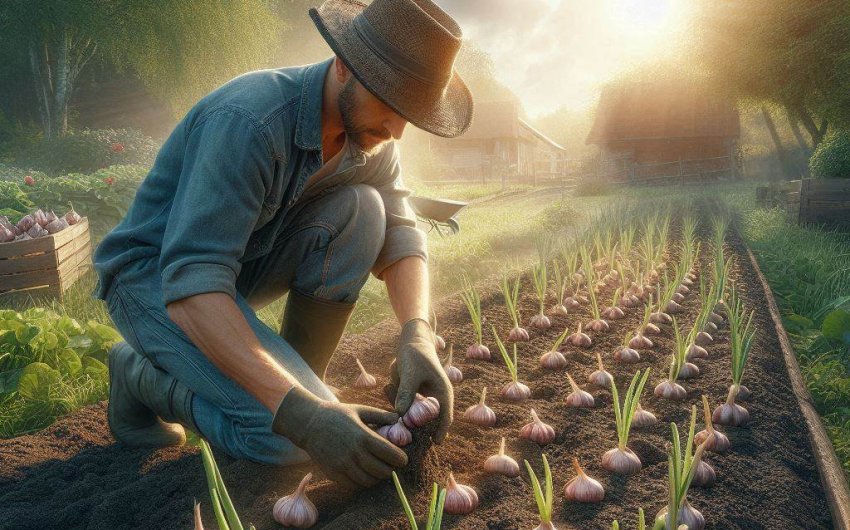
Garlic is one of those crops that almost everyone enjoys having on hand in their kitchen. The flavor it adds to recipes is unbeatable. However, getting it to grow perfectly in your garden means planting it at the right time. A successful garlic harvest doesn’t happen by chance. Timing is essential, and understanding the growing cycle of garlic can make all the difference.
Understanding Garlic Varieties and Their Timing Needs
Before diving into the timing, it's crucial to know there are two primary types of garlic: hardneck and softneck. Both have unique features that make them suitable for different climates and seasons.
- Hardneck Garlic: Known for its robust flavor and the garlic scape it produces, hardneck garlic thrives in colder climates. It generally has fewer cloves per bulb, but each clove is large. Because of their need for a cold period, hardneck varieties are often planted in the fall to give them a head start before spring.
- Softneck Garlic: These are the ones you commonly find braided. They have a milder taste compared to hardneck types and are ideal for warmer climates. Softneck garlic can be planted in both the fall and early spring, but fall planting often yields better results.
When choosing between these two, consider your local climate and how much cold your region experiences. For both types, preparing well ahead of planting season is critical.
Where to Buy Garlic Seeds
Finding quality garlic seeds can be a game changer. Look for reliable sellers that offer fresh seeds with a high germination rate.
Best Planting Season for Garlic: Fall vs. Spring
Many gardeners swear by fall planting as the best approach, but there are exceptions based on where you live. Let’s break down the benefits of planting in both fall and spring.
Fall Planting: The Most Popular Choice
For most growers, fall is the preferred time to plant garlic. Why? Garlic needs a period of cold to develop properly, and planting in fall allows cloves to establish roots before the ground freezes.
- Ideal Timing: In general, plant garlic four to six weeks before the ground freezes. In the United States, this typically means planting from late September to early November, depending on your zone.
- Soil Preparation: Garlic prefers well-drained soil with plenty of organic matter. A good way to prepare the soil is by incorporating compost a few weeks before planting. This gives the nutrients time to integrate.
- Mulching: After planting, applying a thick layer of mulch can help protect the garlic from severe cold and prevent soil erosion.
Benefits of Fall Planting
- Better Root Development: Planting in the fall allows garlic to establish a strong root system before winter sets in. This jumpstart can lead to more vigorous growth in the spring.
- Enhanced Bulb Size: Cold exposure encourages the cloves to split into bigger bulbs. As a result, your harvest is typically larger and more flavorful.
- Weed Suppression: Because garlic begins to grow early in the spring, it can outcompete many weeds, reducing the maintenance required.
Spring Planting: An Alternative When Needed
Although fall is ideal, not everyone can plant garlic at that time. If you missed the fall window or live in a region with harsh winters, planting in early spring is a viable alternative.
- Early Spring Planting: The key to success with spring planting is to start as soon as the ground is workable. Garlic needs cool temperatures for initial growth but also needs time to mature before the summer heat sets in.
- Pre-Chilling Cloves: If planting in the spring, you can pre-chill the garlic cloves in the refrigerator for a few weeks. This mimics the cold period they would have experienced if planted in the fall.
Downsides of Spring Planting
- Smaller Bulbs: Spring-planted garlic often produces smaller bulbs because it has less time to establish before the warm season arrives.
- Increased Watering: Spring garlic may require more frequent watering to encourage growth, especially if planted late.
Choosing the Right Garlic for Your Region
The choice between hardneck and softneck garlic isn't just about preference. It's also about climate suitability.
Colder Climates: Go for Hardneck Garlic
If you live in a region where winters are long and cold, hardneck varieties are the way to go. Their hard stem helps them withstand freezing temperatures. The scapes these types produce can also be a delicious bonus in spring.
- Popular Varieties: Consider trying Rocambole or Purple Stripe. Both do exceptionally well in cold regions and have a robust, complex flavor.
- Garlic Scapes: One of the highlights of growing hardneck garlic is the scape. These curly shoots can be harvested and used in a variety of dishes.
Warmer Climates: Softneck Garlic Is Ideal
Softneck garlic is more flexible and thrives in milder areas. If you have hot summers and mild winters, these will produce large, dense bulbs that store well.
- Best Varieties: Some recommended types are Silverskin and Artichoke. They store for a long time and can be used in all your favorite recipes.
- Storage Advantage: One of the perks of growing softneck garlic is that it can be stored for up to a year under the right conditions.
Prepping Garlic for Planting
Once you have chosen your variety, preparing your garlic for planting is the next step. Proper preparation can make a huge difference in your overall success.
Break Apart the Bulbs
- Separating Cloves: Gently separate the cloves from the bulb, but keep the papery skin on each clove. Only plant the largest, healthiest cloves; smaller ones can be used in the kitchen or composted.
Treating the Cloves (Optional)
- Soaking: Some gardeners like to soak cloves in a solution of water and a mild fertilizer for a few hours before planting. This can promote faster root development.
- Disease Prevention: You can also use a light fungicide to help prevent diseases, especially if you’ve had issues with soil-borne pathogens in the past.
Soil and Planting Tips
Garlic thrives in well-drained, nutrient-rich soil. Here’s how to give your plants the best chance for success.
Amending the Soil
Garlic is a heavy feeder, so enriching the soil with organic matter is important.
- Compost and Manure: Aged compost or well-rotted manure can be mixed into the soil to boost nutrient levels. Aim for a soil pH between 6.0 and 7.0, which is slightly acidic to neutral.
- Testing the Soil: If you’re serious about garlic cultivation, consider testing the soil. Kits are widely available, and they can help you make adjustments for optimal growth.
Planting Depth and Spacing
- Depth: Plant each clove about 2 inches deep, with the pointed end facing up.
- Spacing: Keep cloves about 6 inches apart in rows spaced 12 inches apart. This ensures each plant has enough room to grow and allows for good air circulation.
Watering and Maintenance
Garlic needs consistent watering, especially during its early growth stages. Here’s what you need to know:
Watering Guidelines
- Early Growth: Keep the soil moist but not waterlogged. Overwatering can lead to rot, while too little water will slow down growth.
- Reducing Watering: As the garlic begins to mature in late spring or early summer, reduce watering to allow the bulbs to dry out. This helps prevent diseases and encourages the bulbs to harden off.
Mulching Benefits
Applying mulch is beneficial for several reasons:
- Weed Control: A thick layer of mulch helps suppress weeds, which can compete with garlic for nutrients.
- Moisture Retention: Mulch helps keep the soil evenly moist, reducing the need for frequent watering.
- Temperature Regulation: It also keeps the soil temperature consistent, protecting the roots from sudden changes.
Fertilizing Your Garlic
Garlic can benefit from a couple of rounds of fertilization.
- Early Season Fertilizing: Use a nitrogen-rich fertilizer in the early stages to promote leaf growth. A product like blood meal or a balanced organic fertilizer works well.
- Mid-Season: Once garlic starts to develop bulbs, reduce nitrogen and switch to a more balanced fertilizer to help with bulb formation.
Managing Garlic Pests and Diseases
Garlic is generally a low-maintenance crop, but it’s not immune to pests and diseases. Staying vigilant can save your crop from disaster.
Common Pests
- Onion Thrips: These tiny insects can damage garlic leaves, making them look silvery. To manage them, use insecticidal soap or introduce natural predators like ladybugs.
- Nematodes: These microscopic worms can live in the soil and damage garlic roots. Crop rotation and solarizing the soil (using heat to kill nematodes) can help keep these pests at bay.
Preventing Diseases
- White Rot: This fungal disease thrives in cool weather and can decimate garlic crops. It causes the roots and bulbs to rot. Unfortunately, there's no cure once it strikes, but rotating crops and planting disease-free cloves can reduce the risk.
- Rust: A common fungal disease that leaves orange spots on the leaves. If you see signs of rust, remove affected leaves and try to improve air circulation around the plants.
Crop Rotation and Companion Planting
- Crop Rotation: Avoid planting garlic in the same spot year after year. Rotating with crops that are not in the allium family, like beans or peas, can break pest and disease cycles.
- Companion Plants: Some gardeners plant garlic with certain crops like tomatoes and carrots. Garlic is known to deter pests like aphids, making it a great companion for many vegetables.
Harvesting and Curing Garlic
Timing the harvest is just as crucial as planting. Here’s how to know when it’s time to dig up your garlic.
Signs of Readiness
- Leaf Dieback: When the lower leaves turn brown while the top remains green, it’s a sign your garlic is nearly ready. This usually happens in mid to late summer, depending on when you planted.
- Bulb Check: Dig up one or two bulbs to see if the wrappers are thick and dry. If the cloves feel well-formed and are easy to separate, it’s time to harvest.
Harvesting Tips
- Use a garden fork to gently lift the bulbs from the soil. Avoid pulling them by hand, as this can damage the bulbs.
- Be careful not to bruise the bulbs, as this can lead to rot during storage.
Curing Garlic for Storage
- Drying: Once harvested, lay the bulbs out in a single layer in a warm, dry place with good air circulation. Avoid direct sunlight, as this can scorch the bulbs.
- Curing Period: Curing usually takes about two to four weeks. Once the bulbs are fully dry, trim the roots and cut the stems to about an inch above the bulb.
- Storing Garlic: Place the cured bulbs in a mesh bag or hang them in a cool, dry location. Properly stored garlic can last several months, ensuring you have fresh cloves well into the winter.
Troubleshooting Common Garlic Growing Problems
- Small Bulbs: If your garlic bulbs turn out smaller than expected, it could be due to late planting, lack of nutrients, or inadequate watering during bulb formation.
- Bolting: Sometimes garlic will prematurely flower, a process known as bolting. This is more common in hardneck varieties and can be minimized by planting at the right time and keeping plants well-watered.
- Soft Bulbs: Bulbs that feel soft or appear to be rotting are often victims of overwatering or soil-borne diseases. Improving soil drainage and rotating crops can mitigate this problem.