
Can Phalaenopsis Orchids Grow Without Soil?
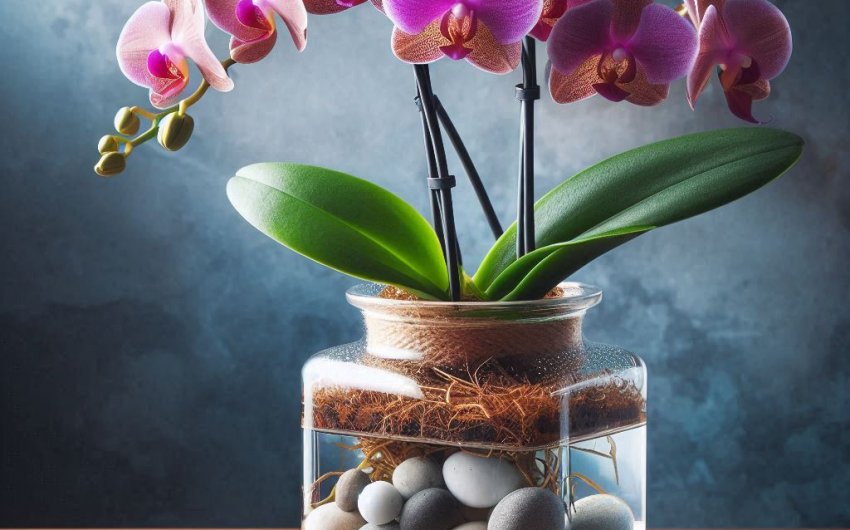
The elegant Phalaenopsis orchid, with its long-lasting, exotic blooms, is a popular houseplant. When you buy one, it typically comes potted in a chunky mix of bark or moss. But for many new orchid enthusiasts, this raises a fascinating question: Can Phalaenopsis orchids grow without soil? The answer, perhaps surprisingly to those used to traditional houseplants, is a resounding YES! Not only can they grow without soil, but in many ways, growing them "soil-less" or in specialized hydroponic setups actually mimics their natural habitat more closely and can lead to healthier, more robust plants.
This guide will delve into why Phalaenopsis orchids thrive without traditional soil, explore popular soil-less growing methods like semi-hydroponics, water culture, and mounting, and provide essential tips for success. Get ready to discover a whole new way to care for your Phalaenopsis orchid and unlock its full potential for lush growth and magnificent blooms!
Why Phalaenopsis Orchids Don't Need Soil (They're Epiphytes!)
Understanding the natural habitat of the Phalaenopsis orchid is key to grasping why it doesn't thrive in regular soil.
What is an Epiphyte?
- Growing on Trees: In their native tropical rainforests, Phalaenopsis orchids are epiphytes. This means they grow attached to the bark of trees, rocks, or other elevated surfaces, using them only for support. They are not parasites; they do not draw nutrients from their host tree.
- Air-Loving Roots: Their roots are highly adapted to absorb moisture from the humid air (humidity) and rainfall, and nutrients from decaying organic matter (like fallen leaves, bird droppings) that collects on the tree bark around them. Any excess water quickly runs off, preventing their roots from sitting in soggy conditions.
- Key Takeaway: Because of this natural growth habit, Phalaenopsis orchid roots are designed to have excellent air circulation and cannot tolerate being constantly wet or smothered in dense, water-retentive soil.
Why is Traditional Soil Harmful to Phalaenopsis Orchids?
- Lack of Airflow: Regular potting soil is too dense and compacts easily. This fills all the crucial air pockets that orchid roots need to "breathe" and prevents the rapid drying they require.
- Root Rot: When orchid roots are perpetually wet and deprived of oxygen, they quickly rot. This is the #1 killer of Phalaenopsis orchids for new growers who treat them like typical houseplants.
- Suffocation: The dense soil can also suffocate the roots, hindering their ability to absorb water and nutrients.
Popular Soil-Less Growing Methods for Phalaenopsis Orchids
Since traditional soil is out, what do Phalaenopsis orchids grow in? Here are several effective soil-less methods.
1. Bark Mix (The Most Common Method)
This is the most common "soil-less" media you'll find Phalaenopsis orchids sold in.
- What it is: A coarse, chunky mix primarily made from pieces of fir bark (also called orchid bark). It often includes other components like charcoal, perlite, and coconut husk chips to improve aeration and drainage. You can find orchid bark potting mix.
- Why it works: It mimics the tree bark they grow on in nature, providing excellent drainage and crucial airflow to the roots.
- Care: Requires more frequent watering than dense media, as it dries out relatively quickly.
2. Sphagnum Moss (Good for Dry Climates or Under-waterers)
- What it is: Long-fibered sphagnum moss (not peat moss).
- Why it works: It retains a significant amount of moisture while still providing some air pockets, allowing for less frequent watering than bark.
- Care: Can be trickier to master watering. It's very easy to overwater in sphagnum moss if you're not careful, as it can stay wet longer, leading to rot. Often preferred for smaller orchids, seedlings, or in very dry climates.
3. Semi-Hydroponics (S/H) / LECA (Passive Hydroponics)
This method uses an inert, inorganic medium that wicks water up to the roots.
- What it is: LECA (Lightweight Expanded Clay Aggregate) are porous clay pebbles. The orchid is potted in LECA, and a reservoir of water (with dilute nutrient solution) sits at the bottom of a specialized pot (often with wicking holes).
- Why it works: The LECA wicks moisture upwards, providing consistent hydration to the roots while maintaining excellent aeration due to the spaces between the pebbles. It essentially creates a self-watering system.
- Care: Requires flushing the media regularly to prevent salt buildup. Needs specialized pots. Can be a learning curve but very rewarding once mastered.
4. Water Culture (Full Hydroponics)
This method involves growing the orchid directly in water, either constantly or intermittently.
- What it is: The orchid's roots are either continuously submerged in water (deep water culture) or intermittently exposed to water (semi-water culture/passive water culture). Often done in clear glass vases or jars.
- Why it works: Roots adapt to growing directly in water, developing specialized water roots. Constant access to water means no more watering guesswork.
- Care:
- Full Water Culture: Requires changing water daily or every few days to maintain oxygen levels and prevent bacterial growth. Needs very dilute nutrient solution.
- Semi-Water Culture (preferred for most): The bottom few inches of roots sit in water, while the rest are exposed to air. The water is changed every 5-7 days.
- Caution: Requires careful transition for the orchid's roots to adapt. Not all orchids transition successfully. Root rot can still occur if water becomes stagnant or diseased.
5. Mounting (Mimicking Natural Growth)
This method most closely replicates an orchid's natural epiphytic growth.
- What it is: The orchid is attached directly to a piece of cork bark, driftwood, or a tree fern slab. A small amount of sphagnum moss may be used around the roots to help retain moisture initially. You can find orchid mounting boards.
- Why it works: Provides maximum air circulation to the roots and is very naturalistic.
- Care: Requires very frequent watering (daily or even twice daily) as the roots dry out extremely fast. Ideal for high-humidity environments like terrariums or dedicated orchidariums.
Key Advantages of Growing Phalaenopsis Orchids Without Soil
Opting for soil-less methods offers several compelling benefits.
1. Prevents Root Rot (The Biggest Benefit!)
- Improved Aeration: All soil-less media provide superior air circulation to the roots compared to traditional potting soil. This prevents the anaerobic conditions that lead to root rot, the leading cause of orchid death.
- Faster Drying: Most media dry out faster, reducing the risk of roots sitting in stagnant moisture.
2. Easier Watering (Once Understood)
- While initially different, once you understand the concept (e.g., watering when media is dry, or maintaining a water reservoir), soil-less methods can make watering less ambiguous. You can often literally see the roots or the water level, making decisions easier.
3. Reduced Pest Issues
- Fungus Gnats: These common household pests thrive in moist potting soil. Since soil-less media lack the organic matter and consistently damp conditions they prefer, fungus gnat infestations are significantly reduced or eliminated.
- Other Soil Pests: Other soil-borne pests are also less likely to be an issue.
4. Better Nutrient Absorption
- Inert media like LECA or direct water allow you to deliver precise nutrient solutions directly to the roots, potentially leading to more efficient uptake and healthier growth.
5. Enhanced Aesthetics (Especially Mounting/Water Culture)
- Natural Display: Mounting provides a stunning, naturalistic display of the orchid just as it would grow in the wild.
- Showcase Roots: Clear pots or glass vases used in bark mix or water culture allow you to admire the beautiful, intricate root system of your Phalaenopsis.
Essential Tips for Success in Soil-Less Culture
No matter which soil-less method you choose, these general tips are vital.
1. Use the Right Pots (with Drainage!)
- Drainage is Non-Negotiable: Even in bark or moss, pots must have ample drainage holes to ensure all excess water escapes. Clear plastic orchid pots are highly recommended.
- For Semi-Hydro/Water Culture: Use specialized containers designed for those methods (e.g., pots with an inner and outer pot for semi-hydro, or tall clear vases for water culture).
2. Provide Bright, Indirect Light
- Energy for Growth: Regardless of the media, Phalaenopsis orchids still need bright, indirect light to photosynthesize and produce energy for healthy growth and blooming. An east-facing window or filtered south/west window is ideal.
3. Maintain High Humidity
- Crucial for Hydration: Since roots are more exposed, humidity becomes even more critical. Use a humidifier or pebble trays. This is especially important for mounted orchids.
4. Fertilize Regularly (but Dilute!)
- Nutrient Source: Since inert media provide no nutrients, you must provide them through diluted fertilizer.
- Frequency: Fertilize weekly to bi-weekly during the growing season (spring/summer) with a very dilute liquid orchid fertilizer (quarter to half strength).
- Flush Regularly: Periodically flush the media with plain water to prevent salt buildup, which can burn roots.
5. Ensure Good Air Circulation
- Prevents Disease: Good airflow around the roots (and leaves) is vital in any soil-less culture to prevent root rot and fungal issues.
6. Be Patient During Transition
- Adaptation Period: If transitioning an orchid from bark to a very different medium (like LECA or water culture), the plant may experience a period of stress as its roots adapt. Some old roots may die off, and new roots (adapted to the new environment) will grow. Be patient and provide consistent conditions.
By embracing the fact that Phalaenopsis orchids can grow without soil and adopting these specialized soil-less methods, you can unlock a deeper understanding of your orchid's needs and cultivate remarkably healthy, vibrant plants that reward you with breathtaking blooms year after year. Welcome to the fascinating world of soil-less orchid growing!