
How Do You Repot a Phalaenopsis Orchid Safely?
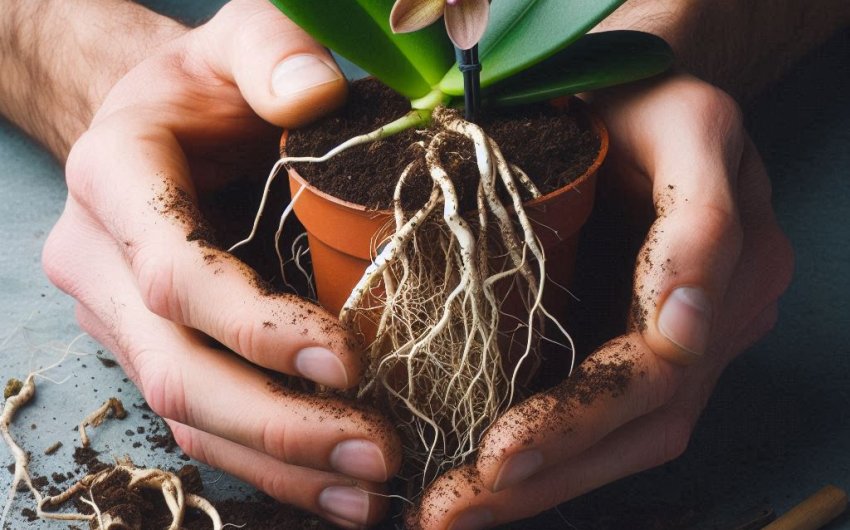
The majestic Phalaenopsis orchid is famous for its long-lasting, elegant blooms, making it a star in any home. But once those beautiful flowers fade, many new orchid owners find themselves wondering about the next crucial step in their plant's care: repotting. Unlike typical houseplants that grow in dense soil, Phalaenopsis orchids are epiphytes, meaning they thrive in loose, airy media that eventually breaks down. Knowing how to repot a Phalaenopsis orchid safely is essential for its long-term health and for encouraging it to re-bloom year after year.
Repotting can seem intimidating, especially with those delicate-looking aerial roots! But with the right timing, tools, and technique, it's a straightforward process that will revitalize your orchid. This guide will walk you through everything you need to know about safely repotting your Phalaenopsis orchid, from recognizing when it's time, choosing the best media, to the step-by-step process of pruning roots and transitioning to a fresh home. Get ready to give your Phalaenopsis the fresh start it needs to flourish!
Why Repot Your Phalaenopsis Orchid? (The Importance of Fresh Media)
Repotting is not just about giving your Phalaenopsis a bigger pot. It's primarily about refreshing its growing environment.
1. Media Breakdown
- Decomposition: The most common reason to repot. The orchid bark mix or sphagnum moss that Phalaenopsis orchids grow in naturally breaks down over time. As it decomposes, it turns into fine particles that become compacted.
- Root Suffocation: This broken-down, dense media holds too much moisture and reduces vital air circulation around the roots. This leads to root rot, the #1 killer of Phalaenopsis orchids.
- Nutrient Imbalance: Old media can also accumulate mineral salts from water and fertilizer, which can burn roots.
2. Overgrown / Root-Bound Plant
- Symptoms: Roots are densely circling the pot, growing out of the drainage holes, or pushing the plant out of the pot.
- Why it's a problem: While Phalaenopsis don't mind being a little snug, being severely root-bound can make it difficult for new roots to grow, reduce nutrient and water uptake efficiency, and eventually stress the plant.
3. Pest or Disease Issues (Especially Root Rot)
- Intervention: If you suspect root rot or have a severe root-bound situation, repotting allows you to inspect and prune affected roots, and replace all old, potentially contaminated media.
When is the Best Time to Repot a Phalaenopsis Orchid?
Timing is crucial to minimize stress and maximize success.
1. After Blooms Fade
- This is the ideal time. Your orchid is no longer expending energy on flowering, so it can direct its resources towards recovering from repotting stress and developing new root growth.
2. When New Root Growth Appears
- Look for bright green tips on the aerial roots or roots pushing out of the media. This indicates the plant is in an active growth phase and will quickly establish itself in new media.
- Avoid repotting when the plant is actively forming a new flower spike.
3. Media Breakdown (Every 1-2 Years)
- Even if your orchid isn't root-bound, plan to repot every 1-2 years because the media will have started to break down and become acidic.
- Signs of Breakdown: Media appears mushy, holds water for too long, or has a sour/moldy smell.
4. Emergency Repotting
- Root Rot: If you suspect severe root rot (mushy, black roots, foul smell), repot immediately, regardless of bloom status, to save the plant.
- Severe Pests: If the media is heavily infested with soil-borne pests.
What You Need for Safe Orchid Repotting
Gather your supplies before you begin.
1. New Potting Media
- Type: Use a fresh, high-quality orchid bark mix specifically designed for Phalaenopsis orchids. This ensures proper drainage and aeration. You can also use sphagnum moss if you are experienced with it and tend to underwater.
- Pre-Soak Bark: If using bark, it's a good idea to soak it in warm water for several hours (or overnight) before repotting. This allows it to absorb some moisture, reducing shock to the roots and making it easier to work with.
2. New Pot (or Cleaned Old One)
- Size: Choose a pot that is typically only 1-2 inches larger in diameter than the previous one. Orchids like to be snug. Going too large means the media stays wet too long, leading to rot.
- Drainage Holes: Ensure the pot has ample drainage holes.
- Material: Clear plastic orchid pots are highly recommended, as they allow you to easily see the roots and monitor moisture levels.
- Cleanliness: If reusing the old pot, wash it thoroughly with soap and water and sterilize it with a diluted bleach solution (1 part bleach to 9 parts water) or hydrogen peroxide.
3. Tools
- Sharp, Sterilized Pruning Shears or a sharp knife: For trimming dead/diseased roots. Sterilize with rubbing alcohol or a flame before and between cuts.
- Old Scissors or Disinfectant Wipes: For minor cleaning.
- Optional: Potting mat or old newspaper, stakes/clips (if re-staking flower spikes), chopsticks or blunt tools (to gently push media around roots).
How to Repot a Phalaenopsis Orchid Safely: Step-by-Step
Follow these steps carefully to ensure a smooth and successful repotting process.
Step 1: Prepare the Orchid and Work Area
- Hydrate (Optional): Water your orchid a day or two before repotting. This makes the roots more pliable and less likely to break.
- Gather Supplies: Have all your new media, pot, and tools ready.
- Clean Work Surface: Lay down newspaper or a potting mat to catch spilled media.
Step 2: Carefully Remove the Orchid from its Old Pot
- Gentle Removal: Gently tip the orchid sideways or upside down while supporting the base of the plant. If it's stuck, gently squeeze the sides of a plastic pot. You may need to cut plastic pots if the roots are severely bound.
- Remove Stakes: Carefully remove any old flower spikes or stakes.
Step 3: Clean and Inspect the Roots
- Remove Old Media: Gently remove all old, broken-down potting media from around the roots. Work it loose with your fingers. You may need to rinse the roots gently under lukewarm water to clear away stubborn bits.
- Identify Healthy Roots: Healthy Phalaenopsis roots are typically firm, plump, and white or silvery-gray (if dry) or bright green (if wet). Aerial roots (those growing outside the pot) are also healthy.
- Identify Unhealthy Roots:
- Rotten Roots: These are black, brown, mushy, slimy, or hollow (if you squeeze them, they collapse and might smell foul).
- Dead/Dried Roots: These are thin, brittle, crispy, or shriveled and papery.
- Pest Check: While cleaning, inspect for any signs of pests (like mealybugs or scale) on the roots or crown.
Step 4: Prune Damaged Roots
- Cut Only What's Bad: Using your sharp, sterilized pruning shears, cut away all rotten, mushy, or completely dried-up roots. Cut back to healthy, firm root tissue.
- Sterilize Between Cuts: If you're cutting diseased or mushy roots, sterilize your shears with rubbing alcohol between each cut to prevent spreading pathogens.
- Don't Fear the Trim: It's better to remove all unhealthy roots than to leave even a small amount of rot. A plant with fewer, healthy roots will recover faster than one with many rotting roots.
Step 5: (Optional) Treat for Root Rot / Dry the Roots
- For Severe Rot: If your orchid had significant root rot and many cuts, you can dust the cut ends with cinnamon powder (a natural antifungal) or a commercial fungicide for orchids.
- Callus Time: Allow the newly trimmed roots to air dry and callus (form a protective seal) for a few hours (or up to a day) in a dry, airy spot before repotting. This helps prevent further rot once back in media.
Step 6: Position Orchid in New Pot
- Size Match: Choose a pot that allows just enough room for the remaining healthy root ball, plus a small amount of new growth (typically 1-2 inches larger than the old pot, or the same size if many roots were removed).
- Central Placement: Hold the orchid centrally in the new pot. The crown (where leaves emerge) should be just above the media line, not buried.
- Aerial Roots: Don't force aerial roots into the pot if they don't fit naturally. They are adapted to air exposure.
Step 7: Add Fresh Potting Media
- Tuck Gently: Carefully add the pre-soaked (if bark) fresh orchid potting media around the roots. Use a chopstick or blunt tool to gently push media into air pockets, ensuring good contact with all roots. Avoid compacting the media too tightly.
- Fill to Just Below Crown: Fill the media to just below the bottom leaves, ensuring the crown is not buried.
Step 8: Post-Repotting Care (Crucial!)
- Delay Watering: This is paramount. Do NOT water your repotted Phalaenopsis orchid immediately. Wait 5-7 days (or even up to 2 weeks if there was significant root rot) before its first light watering. This allows any disturbed or pruned roots to heal and minimizes the risk of new rot.
- Light: Place the repotted orchid in a spot with bright, indirect light.
- Humidity: Maintain good humidity.
- Fertilizer: Do not fertilize for at least 2-4 weeks after repotting to allow the plant to recover.
- Patience: Your orchid may show some slight stress (a bit of leaf limpness) immediately after repotting. Be patient; it needs time to adjust and grow new roots.
By understanding when and how to repot a Phalaenopsis orchid safely, you can successfully provide your beautiful plant with the fresh start it needs to continue its journey of lush growth and magnificent blooms for many years to come!