
Is My Phalaenopsis Orchid Getting Too Much Light?
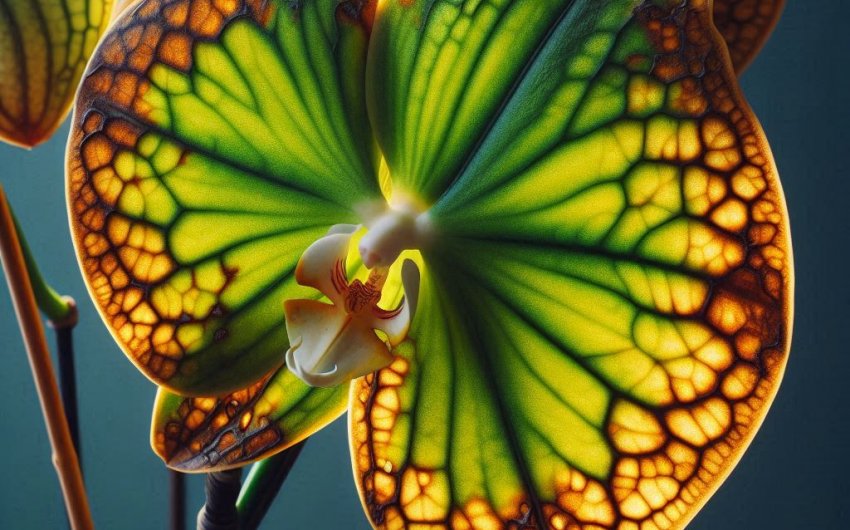
If your Phalaenopsis orchid is getting too much light, its leaves will typically show signs of stress, such as yellowing, reddening, or a bleached appearance, often accompanied by sun scorch. These symptoms indicate that the plant is receiving excessive direct sunlight, which can quickly damage its delicate foliage and overall health.
What Are the Ideal Light Conditions for Phalaenopsis Orchids?
Understanding the ideal light conditions for Phalaenopsis orchids is crucial to prevent issues like too much light and ensure your plant thrives. These popular orchids are epiphytes, meaning they grow naturally on trees in tropical rainforests, not in the ground. This gives us a big clue about their light preferences.
Mimicking Their Natural Habitat
In their native environment, Phalaenopsis orchids typically grow on the lower branches or trunks of trees. This means they receive filtered light, dappled shade, or bright, indirect light, rather than harsh, direct sun. They are accustomed to:
- Filtered Light: Light that passes through the tree canopy.
- Bright Shade: Receiving ambient brightness without direct sunbeams hitting their leaves.
- Morning Sun: Occasionally receiving softer, early morning direct sun before the sun gets too intense.
They are not desert plants built to withstand scorching midday sun.
"Bright, Indirect Light" Defined
This is the golden rule for Phalaenopsis orchid light. But what does it actually mean in a home environment?
- Bright: The area should feel well-lit to your eyes. If you can comfortably read a book there without needing a lamp during the day, it's likely bright enough.
- Indirect: Crucially, the sun's rays should not directly hit the orchid's leaves for extended periods, especially during the hottest parts of the day (late morning to late afternoon). Direct sunlight, particularly through a windowpane, acts like a magnifying glass, intensifying the heat and light, leading to sunburn.
The Hand Test (A Practical Method)
A simple way to gauge if the light is too much or just right is the hand test:
- Placement: Place your hand about 6-12 inches above where your orchid would sit.
- Shadow: Observe the shadow your hand casts.
- Sharp, Well-Defined Shadow: This indicates direct, intense light, which is too much for a Phalaenopsis. Move your orchid away from this spot or provide sheer curtain filtration.
- Soft, Faint, Blurred Shadow: This is ideal bright, indirect light. The light is ample but diffused.
- No Discernible Shadow: This suggests low light, which might lead to limited blooms or stunted growth, but generally won't burn the leaves.
Window Placement Guide
Different window exposures offer varying light intensities:
- East-Facing Window: Often considered ideal. Provides gentle morning sun for a few hours and then bright, indirect light for the rest of the day. This typically mimics their natural habitat well.
- North-Facing Window: Provides consistent, soft indirect light. This might be sufficient in very bright rooms, but it can sometimes be too low for optimal blooming, especially in winter.
- South-Facing Window: Provides the most intense direct light throughout the day. This is almost always too much light for a Phalaenopsis and requires strong sheer curtains or placing the orchid several feet back from the window.
- West-Facing Window: Offers intense afternoon sun, which can be very hot and damaging. Similar to south-facing, it often requires sheer curtains or significant distance from the window.
Leaf Color as an Indicator
Beyond physical location, your orchid's leaves offer visual cues about its light levels.
- Ideal Leaf Color: A healthy Phalaenopsis orchid under ideal light will have vibrant, medium-green leaves. They should be firm and slightly glossy.
- Too Much Light (Symptoms): Yellowing, reddening, bleached spots, or crisp, brown patches (sunburn).
- Too Little Light (Symptoms): Very dark green leaves, soft and floppy, stunted growth, and reluctance to rebloom.
By paying attention to these cues and understanding their preferred environment, you can ensure your Phalaenopsis orchid receives the perfect amount of light to thrive and rebloom beautifully, preventing it from ever getting too much light.
What Are the Symptoms of Too Much Light on a Phalaenopsis Orchid?
If your Phalaenopsis orchid is getting too much light, its delicate leaves will quickly show tell-tale signs of stress and damage. Recognizing these symptoms early is crucial to prevent irreversible harm and allow your plant to recover. The appearance of these symptoms means you need to adjust your orchid's placement immediately.
1. Yellowing Leaves (Chlorosis)
- Appearance: This is often one of the first and most common signs. The vibrant green color of the leaves starts to fade and turn a uniform pale yellow or lime green. Unlike yellowing from overwatering (which is often accompanied by mushy stems), light-induced yellowing is typically a more even discoloration across the entire leaf.
- Why it happens: Excessive light can cause chlorophyll (the green pigment responsible for photosynthesis) to break down faster than the plant can produce it. It's the plant's way of reducing the amount of light energy it absorbs to protect itself.
2. Reddish or Purple Tint on Leaves
- Appearance: The leaves, particularly the edges or undersides, may develop a reddish, purplish, or bronze tint. This is more noticeable on some cultivars than others.
- Why it happens: This color change is often due to the production of anthocyanins, pigments that act as a "sunscreen" for the plant, protecting it from harmful UV radiation. While a slight reddish tint can sometimes indicate optimal, strong light conditions that encourage blooming, a widespread or intense reddening that leads to subsequent yellowing or burning is a clear sign of too much light.
3. Bleached or Pale Appearance
- Appearance: The leaves can look washed out, faded, or almost white in patches, especially in areas directly exposed to the intense light.
- Why it happens: This is a more severe form of chlorophyll degradation, where the plant tissue is literally being bleached by the intense light energy.
4. Sun Scorch (Burn Spots)
- Appearance: This is a definite and irreversible sign of too much light. It appears as distinct, sunken, brown, black, or grey patches on the leaves. These spots are often crispy or papery to the touch and typically occur on the parts of the leaf most directly exposed to the sun.
- Why it happens: Direct, intense sunlight literally burns the plant tissue, similar to how human skin gets sunburned. The cells in those areas die, causing the characteristic necrotic spots. These spots will not heal, but the rest of the leaf can remain viable if the light is corrected.
5. Stunted Growth and Reluctance to Bloom
- Appearance: While not as immediate as leaf discoloration, a plant consistently receiving too much light may appear stressed overall. New leaves might be smaller than usual, and the plant may stop producing new flower spikes or abort existing buds.
- Why it happens: The plant is constantly in survival mode, diverting energy to protect itself from light damage rather than to healthy growth or reproduction.
6. Dry, Crispy Aerial Roots
- Appearance: If your Phalaenopsis orchid has exposed aerial roots (which it should), these can become shriveled, crispy, or discolored (white or brown) if exposed to too much light and accompanying dryness.
- Why it happens: While not directly a sign of leaf burn, aerial roots also prefer higher humidity and indirect light. Intense light can dry them out very quickly, causing damage.
In summary, if your Phalaenopsis orchid is getting too much light, you will likely see a progression from pale green/yellowing or reddish tinting to bleached patches and ultimately distinct, crispy brown or black sun scorch spots. Always check the light exposure if you notice these symptoms and move your orchid to a more appropriate location immediately.
How Do I Correct Too Much Light for My Phalaenopsis Orchid?
If you've determined your Phalaenopsis orchid is getting too much light based on the symptoms, prompt action is essential to prevent further damage and help your plant recover. Correcting the light exposure is usually a straightforward process.
1. Relocate Your Orchid Immediately
The quickest and most effective solution is to move your Phalaenopsis orchid to a more suitable location.
- Ideal Spot: Aim for a spot that offers bright, indirect light.
- An east-facing window is often perfect, as it provides gentle morning sun and then bright, indirect light for the rest of the day.
- If you only have south or west-facing windows, move the orchid several feet back from the window, or place it behind a sheer curtain or a larger plant that can filter the direct light.
- A north-facing window can work if it's consistently bright, though it might be too dim for optimal blooming.
- Avoid Direct Sun: Ensure no direct sunbeams hit the leaves, especially during the intense midday and afternoon hours.
- Observe: After moving, observe your orchid for a few days to a week. Its leaves should start to regain their healthy green color (though burned spots won't heal).
2. Provide Light Filtration
If relocating isn't an option, or if your ideal spot still gets some intense light, provide a barrier.
- Sheer Curtains: Simple sheer curtains can effectively diffuse harsh direct sunlight, transforming it into bright, indirect light.
- Window Films: Light-filtering or privacy window films can also reduce the intensity of sunlight.
- Blinds/Shades: Use adjustable blinds or shades to block direct sun during peak hours, while opening them for ambient light at other times.
- Other Plants: Place your orchid behind a taller, leafy plant that can act as a natural shade.
3. Consider Seasonal Adjustments
The intensity of sunlight changes throughout the year.
- Summer: Sunlight is strongest in summer. A spot that was perfect in winter might become too much light in summer. Be prepared to move your orchid further from windows or add more filtration.
- Winter: Sunlight is weaker and days are shorter. You might be able to move your orchid closer to a window during winter to compensate for the lower light levels, though still generally avoiding prolonged direct sun.
- Monitor: Get into the habit of regularly checking your orchid's leaves and the light conditions, especially with changing seasons.
4. Adjust Other Care Factors Temporarily
While light is the primary issue, temporarily optimizing other factors can help your orchid recover from stress.
- Watering: Ensure you are watering correctly – when the potting mix is nearly dry, usually every 7-10 days, allowing excellent drainage. Overwatered plants are more susceptible to light stress.
- Humidity: High humidity can help prevent leaves from drying out as quickly under bright conditions. If your environment is very dry, consider a Plant Humidifier or a pebble tray.
- Fertilizing: Hold off on fertilizing for a few weeks after correcting light issues. The plant is stressed, and fertilizer can add to that stress. Resume a dilute feeding schedule once the plant shows signs of recovery and new growth.
5. What About Burned Leaves?
- No Healing: Sunburn spots on the leaves will not heal or turn green again. The damaged tissue is permanent.
- Leave Them On (Usually): Unless the burned area is extensive and covers more than 50% of the leaf, it's generally best to leave the damaged leaf on the plant. The healthy portions of the leaf can still photosynthesize and contribute energy to the plant. Removing too many leaves can stress the orchid further.
- Remove if Severely Damaged/Infected: If a leaf is completely scorched, turning black, or showing signs of secondary fungal or bacterial infection (mushy, smelly), then it's best to carefully remove it with sterilized scissors.
By swiftly correcting the light exposure and providing appropriate care, your Phalaenopsis orchid can recover from getting too much light and return to its beautiful, healthy state, eventually encouraging it to rebloom.
Can My Phalaenopsis Orchid Recover from Too Much Light?
The good news is, in most cases, a Phalaenopsis orchid can recover from too much light, especially if the issue is caught early. While the physical damage to the leaves (like sun scorch) won't disappear, the plant itself has a remarkable capacity to heal and produce new, healthy growth once the correct light conditions are restored.
What Recovers and What Doesn't:
- Burned Spots: Areas of the leaf that have turned crispy brown, black, or bleached white due to sun scorch are permanently damaged. These cells are dead and will not regain their green color.
- Yellowing/Reddening: If the leaves have only started to yellow, pale, or develop a reddish tint (without actual crisp, burned spots), they often can revert to a healthier green color once the light intensity is reduced. The plant can resume normal chlorophyll production.
- Overall Plant Health: The plant's ability to grow new leaves, develop new roots, and eventually rebloom will recover once the light stress is removed. The goal is to save the plant, not necessarily every single damaged leaf.
The Recovery Process: What to Expect
- Immediate Relief: The moment you move your orchid to a spot with appropriate light, the stress on the plant stops. It's like moving a sunbather into the shade.
- No New Damage: You won't see new sun scorch spots or continued yellowing from light after the relocation.
- Leaf Recovery (Partial): Yellowed areas might slowly regain some green. Severely bleached or crispy areas will remain.
- New Growth: The most significant sign of recovery will be the emergence of new, healthy leaves and potentially new roots. These new leaves should be a vibrant, medium-green color, indicating they are receiving optimal light. This might take several weeks to a few months, depending on the plant's overall health and the time of year.
- Reblooming: Once the plant has recovered its strength and produced a few new healthy leaves, it will eventually focus energy on blooming again. This might take longer, as reblooming requires significant energy and specific temperature fluctuations. Patience is key.
Tips for Supporting Recovery:
- Consistent Ideal Light: As discussed, this is paramount. Maintaining bright, indirect light will allow the plant to photosynthesize efficiently without stress.
- Proper Watering: Continue to water correctly – only when the potting mix is nearly dry, and always allow for excellent drainage. A stressed plant is even more susceptible to overwatering.
- Optimal Humidity: Provide adequate humidity (50-70% is ideal). This reduces stress on the leaves and aerial roots, especially if they've been somewhat dried out by excessive light. A Pebble Tray for Orchids or a humidifier can help.
- Avoid Fertilizing (Initially): Do not fertilize a stressed or recovering orchid immediately. Wait until you see clear signs of new, healthy growth (new leaves or roots) before resuming a dilute fertilization schedule. Fertilizing a stressed plant can cause further root damage.
- Patience: Orchid recovery is a slow process. Don't expect immediate dramatic changes. Focus on providing consistent, ideal conditions and let the plant do its work. Resist the urge to constantly move it or overwater it out of concern.
while an orchid's leaves may carry the permanent scars of past light damage, a Phalaenopsis orchid can absolutely recover from too much light. By providing the correct lighting and consistent care, you'll empower your resilient orchid to bounce back, grow new healthy foliage, and eventually reward you with its stunning blooms once more.