
What Is the Best Temperature for Phalaenopsis Orchids?
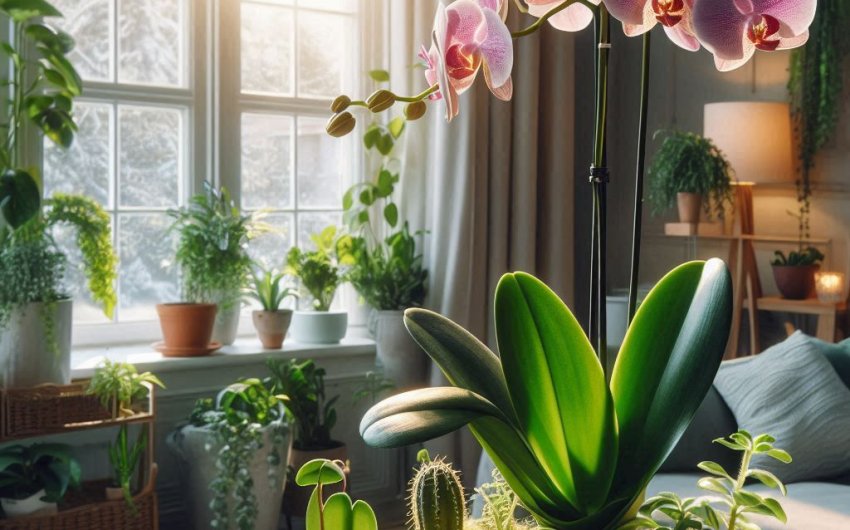
The best temperature for Phalaenopsis orchids generally ranges from 65°F to 80°F (18°C to 27°C) during the day and ideally 60°F to 65°F (15°C to 18°C) at night. This day-to-night temperature fluctuation is crucial for triggering reblooming and promoting overall plant health.
Why is Temperature So Important for Phalaenopsis Orchids?
Temperature is a critical environmental factor for Phalaenopsis orchids because it directly impacts their metabolic processes, growth cycles, and most importantly, their ability to bloom. Understanding and maintaining the best temperature for Phalaenopsis orchids is fundamental to their successful care.
Mimicking Natural Habitat
- Tropical Understory: Phalaenopsis orchids, often called "Moth Orchids," originate from the tropical and subtropical regions of Southeast Asia. In their natural habitat, they grow as epiphytes on trees in the forest understory.
- Stable Warmth: These regions experience relatively stable, warm temperatures year-round, without extreme highs or lows. They also have a natural temperature drop at night. Our goal in cultivation is to mimic these conditions.
Impact on Photosynthesis and Respiration
- Metabolic Balance: Temperature directly influences the rate of photosynthesis (how plants make food from light) and respiration (how plants use that food).
- Optimal Range: When temperatures are within the ideal range, these processes are balanced, leading to efficient energy production and healthy growth.
- Stress at Extremes:
- Too Hot: High temperatures can increase respiration to levels that consume more energy than photosynthesis produces. This exhausts the plant, slows growth, and can lead to heat stress.
- Too Cold: Low temperatures slow down metabolic processes, leading to stunted growth and potentially chilling injury, especially if prolonged.
Role in Root Health
- Root Function: Orchid roots absorb water and nutrients. Their activity is sensitive to temperature.
- Warmth for Growth: Warmer temperatures (within the ideal range) encourage active root growth, which is essential for nutrient uptake and anchoring the plant. Cold roots can become dormant or even rot if combined with excess moisture.
Triggering Reblooming (Flower Spike Initiation)
- Nighttime Drop: This is perhaps the most critical reason for temperature management. A consistent nighttime temperature drop (around 5-10°F or 3-6°C) below daytime temperatures, specifically into the 60s°F (15-18°C) for several weeks, is often the key trigger for Phalaenopsis orchids to initiate a new flower spike. Without this cool down, a healthy orchid might produce only leaves and roots but no flowers.
- Energy Accumulation: The slightly cooler nights allow the plant to conserve energy accumulated during the day, which is then used to fuel the demanding process of spike and flower development.
Preventing Stress and Disease
- Vulnerability: Orchids kept at extreme temperatures (too hot or too cold) become stressed and are more susceptible to pests (like spider mites in hot, dry conditions) and diseases (like bacterial rot in cold, wet conditions).
- Overall Vigor: Maintaining the best temperature for Phalaenopsis orchids contributes to their overall vigor, making them more resilient.
In essence, temperature is not just about keeping the orchid alive; it's about providing the specific thermal cues that signal the plant to grow robustly and produce its spectacular blooms. This profound impact underscores why mastering temperature control is fundamental to the successful care of Phalaenopsis orchids.
What is the Ideal Daytime Temperature Range for Phalaenopsis Orchids?
For optimal growth and health, the ideal daytime temperature range for Phalaenopsis orchids is generally between 65°F to 80°F (18°C to 27°C). Maintaining this range ensures the plant's metabolic processes, particularly photosynthesis, operate efficiently.
Understanding the "Warm-Growing" Classification
- Phalaenopsis are "Warm-Growing" Orchids: This means they thrive in consistently warm conditions, typical of their tropical lowland habitats. They are not adapted to cold snaps or prolonged cool temperatures.
- Comfort for Humans = Comfort for Phals: A good rule of thumb is that if you are comfortable in your home, your Phalaenopsis orchid is likely comfortable too, as long as other factors like humidity and light are met.
Specifics of the Daytime Range:
- Minimum Daytime: Aim for at least 65°F (18°C). Below this, growth significantly slows down, and the plant becomes more susceptible to stress and potential chilling damage, especially if combined with wet conditions.
- Optimal Daytime: The sweet spot is typically 70°F to 75°F (21°C to 24°C). In this range, Phalaenopsis orchids engage in active photosynthesis and vegetative growth (producing new leaves and roots).
- Maximum Daytime: While they can tolerate brief periods up to 85°F (29°C), sustained temperatures above 80°F (27°C) can stress the plant.
- Heat Stress: At higher temperatures, the plant's respiration rate (burning energy) can exceed its photosynthesis rate (making energy), leading to energy depletion and slowed growth.
- Dehydration Risk: High temperatures also increase transpiration (water loss from leaves), requiring higher humidity and more frequent watering to prevent dehydration.
- Blooming Issues: Very high temperatures can inhibit flower spike initiation or cause buds to blast (fall off) if spikes are already forming.
Practical Application in Your Home:
- Thermostat Settings: Most homes are kept within this comfortable range. Adjust your thermostat to keep your orchid happy.
- Avoid Drafts/Vents: Do not place orchids directly in the path of hot or cold air drafts from heating or air conditioning vents, as sudden temperature fluctuations or extreme localized temperatures can be very harmful.
- Window Placement: Be mindful of direct sun through windows, which can create localized heat pockets, particularly in summer. Monitor the temperature around the plant, not just the room temperature.
By consistently providing temperatures within this ideal daytime range, you create a stable and conducive environment for your Phalaenopsis orchid to grow vigorously and accumulate the energy needed for its spectacular blooms, demonstrating a key aspect of maintaining the best temperature for Phalaenopsis orchids.
What is the Ideal Nighttime Temperature Range for Phalaenopsis Orchids?
While daytime warmth is important, the ideal nighttime temperature range is perhaps the most crucial factor for encouraging Phalaenopsis orchids to rebloom. A consistent drop in temperature at night is key to successful spike initiation. The optimal range for nighttime temperatures is 60°F to 65°F (15°C to 18°C).
The Importance of the "Temperature Drop"
- Mimicking Nature: In their native tropical habitats, Phalaenopsis orchids experience a natural, albeit subtle, drop in temperature between day and night. This diurnal (daily) temperature fluctuation is a vital environmental cue.
- Energy Conservation: During the day, the orchid performs photosynthesis, creating sugars (energy). At night, respiration (burning energy) continues. A cooler night slows down respiration, allowing the plant to conserve more of the energy it produced during the day. This saved energy is then channeled into forming a new flower spike.
- Bloom Trigger: A sustained period (typically 2-4 weeks) of nights consistently in the 60°F to 65°F (15°C to 18°C) range, combined with warmer days, is often the signal that prompts the orchid to initiate a new flower spike. Without this cool down, a healthy orchid might simply produce more leaves (vegetative growth) instead of blooms.
Specifics of the Nighttime Range:
- Minimum Nighttime: Aim for at least 60°F (15°C). Below this, especially if prolonged, the orchid can experience chilling damage. Growth will slow drastically, and prolonged cold, especially combined with wet potting mix, can lead to root rot or fungal issues.
- Optimal Nighttime: The ideal "sweet spot" is 60°F to 65°F (15°C to 18°C). This range provides the perfect balance for energy conservation and bloom induction.
- Maximum Nighttime: While tolerable for short periods, consistent nights above 65°F (18°C), particularly if combined with high daytime temperatures, can inhibit flower spike formation. The plant remains in "growth mode" rather than "bloom mode."
Practical Application in Your Home:
- Thermostat Adjustment: If you keep your home warm at night, consider lowering the thermostat a few degrees, especially in fall and winter, to encourage reblooming.
- Window Proximity: In cooler months, placing the orchid near a window (but not directly in a cold draft or touching cold glass) can provide the necessary temperature drop. Just ensure it's not too cold.
- Avoid Heat Sources: Keep orchids away from heat vents, radiators, or fireplaces, which can prevent the essential nighttime cool-down.
- Monitor with a Thermometer: Use a simple indoor/outdoor thermometer to monitor temperatures near your orchid, ensuring both day and night ranges are appropriate. A Digital Indoor Outdoor Thermometer can be very helpful.
By carefully managing both day and night temperatures, ensuring that crucial drop, you significantly increase your chances of getting your Phalaenopsis orchid to rebloom reliably, truly mastering the best temperature for Phalaenopsis orchids.
How Do Temperature Extremes Affect Phalaenopsis Orchids?
While understanding the best temperature for Phalaenopsis orchids is crucial, it's equally important to recognize the adverse effects of temperature extremes. Both sustained high heat and prolonged cold can severely stress or even kill your orchid.
Effects of High Temperatures (Above 80-85°F / 27-29°C Consistently)
- Increased Respiration: At very high temperatures, the orchid's respiration rate (burning energy) can surpass its photosynthesis rate (making energy). The plant consumes its energy reserves faster than it can produce them.
- Stunted Growth: This energy imbalance leads to slowed or stunted growth. The plant is essentially exhausting itself trying to survive.
- Dehydration: High heat increases transpiration, meaning the plant loses water through its leaves more rapidly. This can lead to dehydration, even if you are watering regularly, unless humidity is also very high. Leaves may become wrinkled or leathery.
- Bud Blast: If a flower spike is already forming or buds are swelling, prolonged high temperatures can cause buds to "blast" (turn yellow, shrivel, and fall off) before opening.
- Inhibited Blooming: Sustained warm nights (above 65°F / 18°C) combined with high daytime temperatures will prevent the necessary temperature drop that triggers flower spike initiation. The orchid will remain in vegetative growth (producing leaves and roots) but won't bloom.
- Pest Proliferation: Hot, often drier, conditions favor pests like spider mites and mealybugs, which can thrive and multiply rapidly on stressed plants.
Effects of Low Temperatures (Below 60°F / 15°C Consistently)
- Slowed Metabolism: Growth processes slow down significantly below 60°F (15°C). The plant essentially goes into a state of semi-dormancy, producing very little new growth.
- Chilling Injury: Prolonged exposure to temperatures below 55°F (13°C) can cause chilling injury. This isn't immediate death but can manifest as:
- Leaf Damage: Yellowing, black spots, soft areas, or a general limp appearance.
- Root Rot: If the potting mix remains cold and wet, roots are highly susceptible to rot, as they cannot absorb water efficiently in cold conditions.
- Stunted Flower Spikes: Spikes may stop growing or turn yellow and die.
- Bud Blast: Buds can shrivel and fall off if exposed to cold.
- Frost Damage: Actual freezing temperatures (below 32°F / 0°C) will cause immediate and irreparable damage, essentially freezing the plant's cells and killing it. This is highly unlikely indoors but a risk if plants are left near open windows in winter.
- Disease Susceptibility: Cold, damp conditions can encourage fungal and bacterial rots, particularly if air circulation is poor.
Mitigating Extremes:
- Move Plants: Relocate orchids away from cold drafts, leaky windows, or direct sun magnified by glass.
- Thermostat Adjustment: Adjust home thermostat to stay within the ideal range.
- Humidifiers: Increase humidity during hot periods to combat dehydration.
- Air Circulation: Ensure good airflow around plants to prevent fungal issues in warm, humid conditions.
- Watering Adjustment: Water less frequently during prolonged cool spells, allowing the potting mix to dry out more between waterings to prevent rot.
By understanding these risks, you can proactively protect your Phalaenopsis orchid and ensure it thrives, rather than just survives, well within the range of the best temperature for Phalaenopsis orchids.
How Do Temperature and Humidity Interact for Phalaenopsis Orchids?
Temperature and humidity are intricately linked and vital for the health of Phalaenopsis orchids. They don't operate in isolation; changes in one directly influence the other's impact on the plant. Understanding this interaction is key to providing the best temperature for Phalaenopsis orchids.
The Transpiration Cycle
- Evaporation: Plants "breathe" through tiny pores on their leaves called stomata. They release water vapor through this process called transpiration.
- Cooling Effect: Transpiration has a cooling effect on the plant, similar to how sweating cools humans.
- Water Uptake: As water evaporates from the leaves, it creates a "pull" that draws water up from the roots.
How Temperature Impacts Humidity Needs
- Higher Temperatures = Higher Humidity Needs:
- When the air is warmer, it can hold more moisture. This means the air feels "drier" to the plant, even at the same relative humidity percentage, because the vapor pressure deficit (VPD) is higher.
- Higher temperatures also increase the rate of transpiration. To prevent excessive water loss and dehydration, the surrounding air needs to be more humid.
- If temperatures are high but humidity is low, the orchid will rapidly lose water, leading to wrinkled leaves, shriveled roots, and overall stress.
- Action: If your room temperatures are consistently at the higher end of the ideal range (75-80°F / 24-27°C), you should aim for higher humidity levels, ideally 60-70%.
- Lower Temperatures = Lower Humidity Needs (and Risks):
- When the air is cooler, it holds less moisture.
- Transpiration rates are lower, so the plant doesn't lose water as quickly.
- Risk of Fungal Issues: If temperatures are cool (below 60°F / 15°C) and humidity remains high, water can sit on leaf surfaces for extended periods, creating ideal conditions for fungal and bacterial rots, especially if air circulation is poor. Cold, wet leaves are a recipe for disease.
- Action: If nighttime temperatures drop into the lower ideal range (60-65°F / 15-18°C), ensure good air circulation to help dry leaves and prevent stagnant, humid conditions that encourage disease. Humidity can be slightly lower (50-60%).
The Ideal Balance:
The goal is to maintain a balance where the orchid can transpire efficiently without becoming dehydrated or remaining too wet.
- Daytime: Warm temperatures (70-75°F / 21-24°C) with moderate to high humidity (50-70%).
- Nighttime: Slightly cooler temperatures (60-65°F / 15-18°C) with slightly lower humidity (40-60%) and good air circulation to allow leaves to dry.
Practical Humidity Solutions:
- Humidity Trays: Place the orchid pot on a tray filled with pebbles and water, ensuring the pot sits on top of the pebbles, not in the water. This increases localized humidity around the plant. Plant Humidity Tray
- Humidifiers: For consistently dry environments, a small room humidifier can significantly increase ambient humidity. Small Room Humidifier
- Grouping Plants: Grouping orchids and other houseplants together can create a small microclimate with higher humidity through collective transpiration.
- Air Circulation: Always ensure good air movement, even with high humidity. A gentle fan can prevent stagnant air, which is crucial for disease prevention.
By understanding how temperature dictates humidity needs and vice-versa, you can provide a truly optimal environment for your Phalaenopsis orchids to flourish and bloom repeatedly, embodying the nuanced care required for the best temperature for Phalaenopsis orchids.
How Can You Monitor and Control Temperature for Your Phalaenopsis Orchids?
Effectively monitoring and controlling the temperature is key to providing the best temperature for Phalaenopsis orchids. It's about being proactive and making adjustments as needed in your home environment.
1. Monitoring Temperature:
- Digital Thermometer: A simple, inexpensive Digital Indoor Outdoor Thermometer with a minimum/maximum reading function is invaluable. Place it near your orchid, at plant level, and check it regularly. This will tell you the actual temperature fluctuations your orchid is experiencing, which may differ from your main thermostat.
- Smart Home Thermostats: If you have a programmable or smart thermostat, you can set day and night temperature differentials for your entire home, which directly benefits your orchids.
- Observation: Pay attention to your orchid's behavior. Wrinkled leaves can indicate too much heat and dehydration. Limp or discolored leaves can signal cold stress. Slow growth might indicate temperatures that are consistently too low.
2. Controlling Temperature (Cooler When Too Hot):
- Relocate the Orchid:
- Move the orchid away from direct sun coming through windows, especially during peak afternoon hours. Even indirect sun can intensify heat near glass.
- Move away from heat sources like radiators, heating vents, or electronics that generate warmth.
- Increase Air Circulation: Use a small, oscillating fan (not aimed directly at the plant) to gently move air around the orchid. This helps dissipate heat and increase evaporative cooling.
- Increase Humidity: High temperatures increase transpiration. Providing higher humidity (60-70%) through pebble trays, grouping plants, or a humidifier helps the orchid retain moisture and tolerate the heat better.
- Morning Watering: Water in the morning when temperatures are cooler.
- Consider a Cooler Room: If possible, move the orchid to a naturally cooler room during heat waves.
3. Controlling Temperature (Warmer When Too Cold):
- Relocate the Orchid:
- Move the orchid away from cold drafts from windows, doors, or vents.
- Bring plants in from outside (if you've placed them outdoors for summer) before night temperatures consistently drop below 60°F (15°C).
- Place orchids on shelves or tables, away from cold floors.
- Adjust Thermostat: Raise your home's thermostat setting to ensure nighttime temperatures don't drop too low, especially during the fall when you're trying to induce blooming.
- Insulate Windows: In winter, ensure windows are sealed and consider insulating curtains or blinds to prevent cold from radiating onto your plants.
- Heating Mats (Use with Caution): For very specific scenarios or struggling plants, a specialized Orchid Heating Mat can provide localized warmth for the roots. Use only those designed for plants and monitor carefully to avoid overheating or drying out the potting mix too quickly. These are not typically needed for general care but can be useful for propagation or very cold environments.
4. Managing the Diurnal Drop for Reblooming:
- Fall is Key: The most crucial time for the nighttime temperature drop is usually in the fall. As outdoor temperatures begin to cool, try to replicate this natural cycle indoors.
- Adjust Thermostat: If you keep your home warmer at night, try lowering the thermostat setting to 60-65°F (15-18°C) for several weeks (3-6 weeks is often enough) in fall/early winter.
- Strategic Placement: During this period, placing the orchid near a window that experiences a natural cool-down at night (without being drafty) can be effective.
By consistently monitoring and proactively adjusting the temperature in your home, you can successfully create the optimal thermal environment for your Phalaenopsis orchids, ensuring robust growth and consistent reblooming, mastering the science behind the best temperature for Phalaenopsis orchids.