
How Do I Get My Phalaenopsis Orchid to Rebloom?
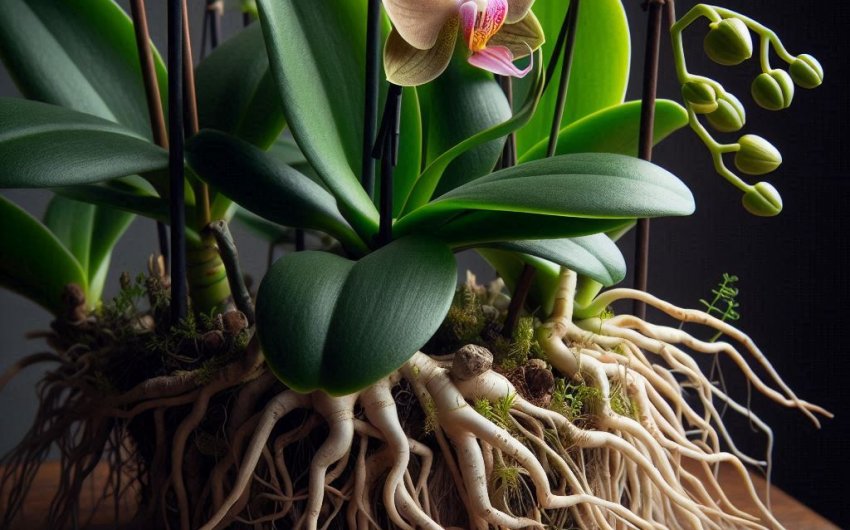
The moment you bring home a gorgeous Phalaenopsis orchid in full bloom, it feels like pure magic. Its elegant, long-lasting flowers add an undeniable touch of exotic beauty to any space. But then, the blooms eventually fade. You water it, you care for it, its leaves stay green, but months pass… and still no new flower spike. This leads to the frustrating and common question: How do I get my Phalaenopsis orchid to rebloom?
It's a frequent dilemma for orchid enthusiasts, and thankfully, a non-blooming Phalaenopsis is usually not a sign of a dying plant, but rather a clear indication that one or more specific environmental conditions are not being met to trigger flowering. This guide will delve into the most common reasons why your Phalaenopsis orchid won't bloom again, breaking down the crucial factors like light, temperature, and feeding. By learning to "read" your orchid's needs, you can provide the precise conditions to encourage those magnificent flower spikes to return year after year!
Understanding Phalaenopsis Orchid Blooming
To understand why your Phalaenopsis isn't blooming, it helps to know what triggers flowering in its natural habitat.
How Does a Phalaenopsis Orchid Bloom Naturally?
In their native tropical rainforests, Phalaenopsis orchids grow as epiphytes (on trees). They experience:
- Bright, Indirect Light: Dappled light under a canopy.
- High Humidity: Consistent moisture in the air.
- Warm Daytime Temperatures: But importantly, a slight, consistent drop in temperature at night. This daily temperature fluctuation is often the key trigger for flower spike initiation.
- Wet/Dry Cycles: Roots get soaked by rain, then dry out quickly with good air circulation.
When an orchid doesn't bloom, it's usually because one of these essential triggers or basic care needs isn't being met, leading the plant to put its energy into vegetative (leaf and root) growth instead of reproductive (flower) growth.
What is a Flower Spike?
A flower spike is the stalk that emerges from the base of the plant (usually from between the lower leaves) from which the flowers will eventually grow. It's distinct from new root or leaf growth.
Top Reasons Why Your Phalaenopsis Orchid Won't Bloom Again
Let's explore the most frequent culprits behind a non-blooming Phalaenopsis orchid and how to address them.
1. Insufficient Light (The Most Common Culprit!)
This is, by far, the #1 reason why your Phalaenopsis orchid won't bloom again.
- The Problem: While Phalaenopsis tolerate low light, they need bright, indirect light to gather enough energy to produce flowers. In insufficient light, the plant will simply focus on growing leaves and roots, saving energy for basic survival rather than blooming.
- Symptoms:
- No flower spike initiation.
- Leaves may be a very dark green.
- New leaf growth might be smaller or slower.
- Plant stems might appear slightly leggy as they "reach" for light.
- Why it happens: Photosynthesis (converting light to energy) fuels blooming. Less light means less energy for this demanding process.
- Solution:
- Increase Light Exposure: Move your Phalaenopsis orchid to a spot with bright, indirect light. An east-facing window is often ideal, providing gentle morning sun. A few feet away from a south or west-facing window (where light is filtered by sheer curtains or other plants) can also work.
- Avoid Direct Sun: Intense, direct afternoon sun can scorch leaves, but don't overcorrect to dimness.
- Supplemental Lighting: If natural light is consistently limited (especially during darker winter months), an LED grow light can provide the necessary intensity for 12-14 hours a day to trigger blooming.
2. Lack of Temperature Drop (The Blooming Trigger!)
This is the secret weapon for many Phalaenopsis re-bloomers.
- The Problem: After a period of active growth (typically late summer to early fall), Phalaenopsis orchids need a consistent drop in night temperatures to trigger flower spike initiation. If your home's temperatures are consistently warm day and night (e.g., above 70°F / 21°C), the orchid may not get the signal to bloom.
- Symptoms:
- Healthy plant with good leaf and root growth, but no flower spikes.
- Why it happens: The slight temperature differential mimics their natural environment's seasonal change, signaling it's time to prepare for flowering.
- Solution:
- Provide Cooler Nights: In late summer or early fall (after previous blooms fade), try moving your Phalaenopsis orchid to a spot where it experiences consistent night temperatures of 55-65°F (13-18°C) for 3-4 weeks. Day temperatures can remain normal. This could be a cooler room, near a slightly opened window (ensuring no freezing drafts!), or even a garage if conditions are suitable.
3. Incorrect Watering (Root Rot or Dehydration)
While less direct than light or temperature, improper watering leads to unhealthy roots, which prevents blooming.
- The Problem:
- Overwatering: The #1 killer. Constantly soggy media suffocates roots, leading to root rot. Damaged roots cannot absorb water or nutrients, stressing the plant.
- Underwatering: Prolonged dehydration also stresses the plant.
- Symptoms:
- Overwatering: Mushy, black roots; soft, yellowing, or mushy leaves. No new growth.
- Underwatering: Shriveling, wrinkled leaves; dry, crispy roots.
- No blooms because the plant is focused on basic survival.
- Why it happens: A stressed or unhealthy plant lacks the energy reserves to produce flower spikes.
- Solution:
- Master Watering: Only water when the potting media is nearly dry. Check root color (silvery-gray when dry, green when wet) or pot weight. Allow thorough drainage. (See "How Often Should You Water a Phalaenopsis Orchid?").
- Address Root Rot: If suspected, unpot, prune rotten roots with sterilized pruning shears, repot in fresh, dry media, and delay watering. (See "Why Are My Phalaenopsis Orchid Leaves Wrinkled?").
4. Depleted or Incorrect Potting Media
Over time, orchid media breaks down, affecting root health.
- The Problem: Old, degraded orchid bark mix becomes compacted and soggy, leading to root rot. Alternatively, being planted in regular potting soil is a death sentence.
- Symptoms: Mushy roots, plant wobbling in the pot, no new root growth, and no blooms.
- Why it happens: Roots can't get the air they need, leading to an unhealthy plant incapable of blooming.
- Solution:
- Repot: Repot your Phalaenopsis orchid every 1-2 years, or when the media looks broken down. Use fresh, airy orchid bark mix. Always use pots with drainage holes. (Learn more with "How Do You Care for a Phalaenopsis Orchid?").
5. Inadequate Fertilization
While orchids are light feeders, they do need nutrients to fuel bloom production.
- The Problem: Lack of consistent, balanced fertilization can lead to a nutrient-deficient plant that lacks the energy for blooming. Conversely, too much nitrogen (the "N" in N-P-K) can promote lush leafy growth at the expense of flowers.
- Symptoms: Slow or stunted growth, pale foliage, and no blooms.
- Why it happens: Not enough fuel for flowering.
- Solution:
- Fertilize Regularly (but Dilute!): During the active growing season (spring/summer), feed weekly to bi-weekly with a very dilute liquid orchid fertilizer (quarter to half strength).
- Consider a Bloom Booster: Some growers switch to a "bloom booster" fertilizer (higher in phosphorus, the "P" number) in late summer/early fall to encourage flowering.
- Flush Media: Periodically flush the media with plain water to prevent salt buildup, which can burn roots.
6. Pruning the Flower Spike Too Low
This is a common mistake that prevents a quick re-bloom from an existing spike.
- The Problem: Many new orchid owners cut the entire flower spike off at the base once blooms fade, not knowing it could re-bloom.
- Symptoms: No re-bloom from the existing spike.
- Why it happens: The orchid often has dormant nodes (swollen bumps) along the spent flower spike that can produce new secondary spikes.
- Solution:
- Cut Above a Node: After the flowers fade, if the spike is still green, cut it just above the second or third node from the base. This can encourage a new bloom spike to emerge from that node. If the spike is completely brown and shriveled, cut it off at the base.
7. Stress from Pests or Disease
An unhealthy plant will not have the energy to bloom.
- The Problem: Scale insects, mealybugs, or spider mites can weaken the plant by sucking sap. Fungal or bacterial diseases can cause widespread damage.
- Symptoms: Sticky residue, white cottony masses, tiny webs, discolored spots on leaves, stunted growth. No blooms.
- Why it happens: The plant's energy is diverted to fighting the infection or infestation.
- Solution:
- Inspect Regularly: Check your orchid often for signs of pests.
- Treat Immediately: Isolate the plant. Use rubbing alcohol swabs for visible pests. Spray with insecticidal soap or neem oil spray. Repeat treatments are crucial.
8. Plant is Too Young or Too Small
- The Problem: Very young Phalaenopsis orchids (often small plants sold without flowers) or those recently repotted may need time to mature or recover before they can gather enough energy to bloom.
- Symptoms: Healthy vegetative growth (leaves, roots), but no flower spike.
- Solution: Be patient! Provide optimal care and wait for the plant to gain size and maturity.
Quick Checklist for a Non-Blooming Phalaenopsis Orchid
When asking "Why won't my Phalaenopsis orchid bloom again?", run through this checklist in order of likelihood:
- Light: Is it getting enough bright, indirect light (most common reason)?
- Temperature Drop: Did it experience 3-4 weeks of cooler night temperatures (55-65°F) in late summer/early fall?
- Watering/Roots: Are its roots healthy (not rotten or shriveled)? Is your watering consistent (not too much, not too little)?
- Potting Media: Is the media fresh and airy (not old and mushy)? Has it been repotted in the last 1-2 years?
- Fertilization: Is it getting consistent, dilute fertilizer during the growing season?
- Old Spike: Was the old flower spike cut too low?
- Pests/Disease: Are there any signs of pests or disease?
By systematically addressing these potential issues, you can provide the ideal conditions to encourage your Phalaenopsis orchid to produce those magnificent flower spikes and bloom again, year after year!