
Should You Cut the Spike on a Phalaenopsis Orchid?
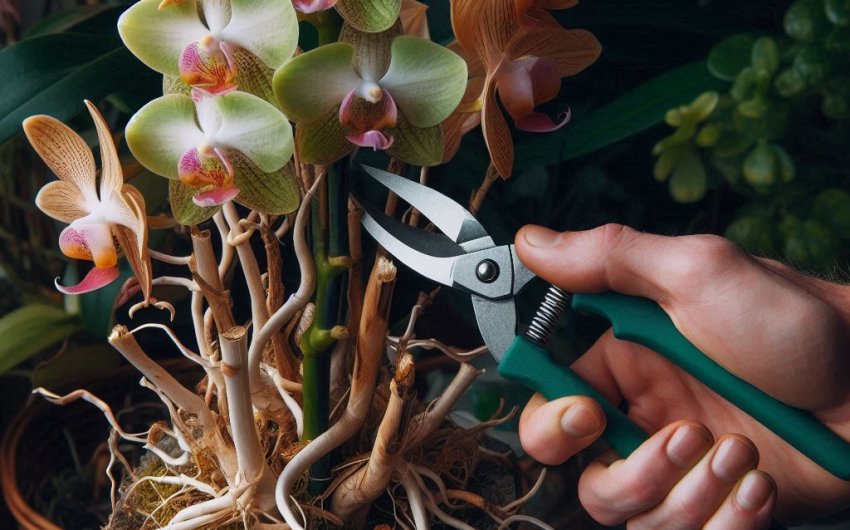
The magnificent Phalaenopsis orchid, with its long-lasting and elegant blooms, is a true showstopper. You marvel at its beauty for weeks, perhaps even months. But eventually, inevitably, the last flower fades and drops. Now you're left with a bare stalk – the flower spike – and a common question arises for many orchid owners: Should you cut the spike on a Phalaenopsis orchid?
This decision can seem confusing, as there are different approaches, each with its own pros and cons. Cutting it too soon or in the wrong place might prevent future blooms, while leaving it entirely could divert energy from new growth. This guide will demystify the art of pruning an orchid flower spike, explaining your options, when to act, and how to do it correctly to encourage your Phalaenopsis to re-bloom year after year. Get ready to make an informed decision and give your orchid the best chance at a dazzling encore!
Understanding the Phalaenopsis Orchid Flower Spike
Before deciding whether to cut, it helps to understand what the flower spike is and how it functions.
What is a Flower Spike?
- The flower spike (also called an inflorescence or flower stalk) is the long, green stem that emerges from the base of your Phalaenopsis orchid (usually from between the lower leaves), from which the individual flowers bloom.
- Nodes: Along the flower spike, you'll see small, swollen bumps or segments. These are called nodes. Each node contains a dormant bud that can potentially produce a new branch of flowers (a secondary spike) or, in rarer cases, a new baby plant (a "keiki").
What Happens After the Flowers Fade?
Once all the flowers on a spike have dropped, the spike itself might remain green and firm, or it might start to yellow and then turn brown, drying out completely.
- Green Spike: If the spike remains green, it means it's still alive and potentially capable of producing more flowers from its dormant nodes.
- Yellow/Brown Spike: If the spike starts to yellow or turn brown, it's dying back. The plant is reabsorbing nutrients from it.
Should You Cut the Spike on a Phalaenopsis Orchid? Your Options
There are generally three main approaches to managing a spent Phalaenopsis flower spike. Each has its benefits and drawbacks.
Option 1: Cut the Spike High (Above a Node) - Encourages Quick Re-bloom
This is a popular method for those who want to see flowers again relatively quickly.
- How to do it: After all the flowers on the spike have faded, locate the second or third node (the small, triangular bump) from the bottom of the spike that is still green. Use clean, sharp, sterilized pruning shears to cut the spike about 1/2 inch to 1 inch above this node.
- Pros:
- Faster Re-bloom: Often, a new side shoot (secondary spike) will emerge from the cut node within a few weeks to months, leading to a quicker re-bloom.
- More Frequent Flowers: This method can allow the plant to produce flowers more frequently throughout the year.
- Cons:
- Fewer Flowers: The secondary spike typically produces fewer and sometimes smaller flowers than a new primary spike.
- Weaker Spikes: The re-blooming spike may be weaker and less robust than a completely new one.
- Can Exhaust Plant: If the plant repeatedly re-blooms from the same spike without a rest period, it can deplete the plant's energy, potentially hindering overall health and future strong blooming.
- Not Guaranteed: The node may not always activate, or it might produce a "keiki" (baby plant) instead of a flower spike.
- Best for: Healthy, vigorous orchids that you want to re-bloom quickly.
Option 2: Cut the Spike Low (Near the Base) - Encourages Strong New Growth
This method encourages the plant to put its energy into growing a new, strong primary spike from the crown.
- How to do it: After all the flowers have faded, and if the spike is starting to yellow or turn brown, cut the entire spike off as close to the base of the plant as possible, just above the lowest node or leaves. Use clean, sharp, sterilized pruning shears.
- Pros:
- Stronger Blooms: The plant directs all its energy into developing a completely new, robust flower spike from the crown, which typically produces more and larger flowers.
- Healthier Plant: Allows the orchid to fully rest and recover, promoting stronger leaf and root growth. This is generally better for the long-term health and vigor of the plant.
- Cleaner Look: Removes the unsightly spent spike completely.
- Cons:
- Slower Re-bloom: It will take longer for a new flower spike to emerge (often 6-12 months or more), as the plant needs to grow new leaves and build up energy.
- Best for:
- Phalaenopsis orchids that are weak, stressed, or showing signs of root rot.
- Plants that consistently produce weak secondary spikes.
- Gardeners who prioritize overall plant health and larger, more impressive blooms, even if it means waiting longer.
- Any spike that has completely yellowed or browned.
Option 3: Leave the Spike Alone (Let Nature Take its Course)
This is the most hands-off approach.
- How to do it: Do nothing. Allow the orchid to decide what to do with its spent spike.
- Pros:
- Requires no effort.
- Sometimes, if conditions are right, the plant will produce a new secondary spike from a node, or even a keiki.
- Cons:
- Aesthetic: A bare, green spike can look unsightly. A dying, browning spike looks even worse.
- Energy Drain: If the spike remains green but doesn't re-bloom, the plant is still expending energy to maintain it, energy that could be directed towards new leaf or root growth.
- Less Predictable: Re-blooming is less consistent or robust than with strategic pruning.
- Pest Hiding: Old, decaying spikes can sometimes harbor pests or fungal issues.
- Best for: Very inexperienced growers who are hesitant to prune, or for very healthy, robust orchids that you want to just let do their thing.
When Should You Cut the Spike? (Putting it All Together)
The decision often comes down to balancing your goals with your orchid's health.
Cut High (Option 1): If your Phalaenopsis is:
- Very healthy and vigorous.
- You want a quicker succession of blooms.
- The spike is still green and firm with visible, plump nodes.
- It's generally okay to try this once or twice on a strong plant.
Cut Low (Option 2): Always cut the spike near the base if:
- The entire spike has turned yellow, brown, or shriveled. It's dead and won't produce more flowers. Cut it off completely.
- Your orchid is showing signs of stress (yellowing leaves not from age, mushy roots, stunted growth, pest infestation). The plant needs to conserve energy for recovery.
- The previous secondary spikes were weak or produced very few flowers.
- You prioritize overall plant health and stronger, larger blooms in the next major bloom cycle.
- You prefer a neat, tidy appearance.
Leave It Alone (Option 3): Only if:
- You are truly hands-off and don't mind the aesthetic.
- Your orchid is exceptionally healthy and you're curious to see what it will do naturally.
- You are not concerned about immediate or consistent re-blooming.
How to Cut the Spike Safely (Important!):
- Sterilize Your Tools: Always use clean, sharp pruning shears or a sharp knife. Sterilize the blades with rubbing alcohol or a flame before and after cutting, and between cutting different plants. This prevents the spread of diseases.
- Make a Clean Cut: Cut cleanly. Avoid crushing the stem.
- Location:
- High Cut: About 1/2 to 1 inch above a healthy node (swollen bump) that is below where the last flower faded.
- Low Cut: As close to the base of the plant as possible, just above the lowest node or leaf.
- No Sealing: Do not apply cinnamon, glue, or any "sealing" compound to the cut end. This can trap moisture and encourage rot. The cut will callus naturally.
After Cutting the Spike: Encouraging Re-bloom
Regardless of how you cut the spike, the next step is providing optimal care to encourage future blooms.
- Light is Key: Ensure your Phalaenopsis orchid receives bright, indirect light (east-facing window, or filtered south/west). Insufficient light is the top reason for no re-blooming.
- Temperature Drop: After the previous blooms fade (typically late summer to early fall), provide a consistent 3-4 week period of cooler night temperatures (55-65°F / 13-18°C) to trigger flower spike initiation. (Learn more with "What Is the Best Temperature for Phalaenopsis Orchids?").
- Consistent Watering: Master your watering technique. Only water when the potting media is nearly dry, and ensure thorough drainage to prevent root rot. (See "How Often Should You Water a Phalaenopsis Orchid?").
- Fertilize Diligently: During active growth, feed weekly to bi-weekly with a very dilute liquid orchid fertilizer. Consider a "bloom booster" fertilizer (higher P, K) in late summer/early fall.
- Repot as Needed: If the media is breaking down or the plant is root-bound, repot it into fresh orchid bark mix every 1-2 years. (See "How Do You Repot a Phalaenopsis Orchid Safely?").
- Patience: Re-blooming can take time. Sometimes, it can be 6-12 months or more before a new spike appears. A healthy plant will eventually bloom! (See "Why Won't My Phalaenopsis Orchid Bloom Again?")
By understanding when to cut the spike on a Phalaenopsis orchid and consistently providing optimal care, you can transform your bare stalk into a promise of future magnificent blooms, ensuring your beautiful Phalaenopsis continues to be a source of joy year after year!