
The Benefits of Crop Rotation in Your Garden
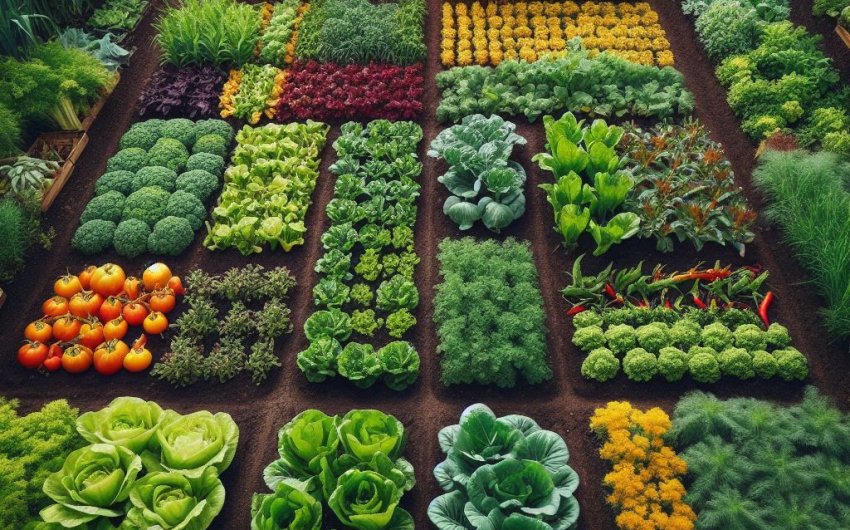
What is Crop Rotation, Anyway?
Have you ever wondered why some parts of your garden seem to do better than others year after year, even when you plant the same things? Or maybe you've noticed that certain pests just won't go away? The answer might be crop rotation.
Simply put, crop rotation is the practice of planting different types of crops in different areas of your garden in a planned sequence over several seasons. Instead of growing tomatoes in the exact same spot every year, you'd plant something else there next year, like beans or lettuce. It's a bit like giving your garden a healthy, balanced diet instead of just serving up the same meal repeatedly. This simple method has been used by farmers for centuries, and it’s just as powerful for your home garden.
Why bother with this extra planning? Well, the benefits are huge. Crop rotation helps keep your soil healthy, reduces problems with pests and diseases, and can even boost your harvests. It's a sustainable gardening practice that makes a big difference in the long run. Think of it as a smart way to get more out of your garden with less effort, and fewer chemicals. It’s all about working with nature, not against it, to create a more productive garden.
Why Does Crop Rotation Matter for Soil Health?
Your soil is the foundation of your garden. Healthy soil means healthy plants. When you plant the same crops in the same spot year after year, those plants constantly take the same nutrients from the soil. Imagine eating only pizza for every meal – eventually, you'd be missing out on a lot of important vitamins!
Different plants have different needs and give back to the soil in unique ways. For example, some plants, like beans and peas (known as legumes), are amazing because they can actually add nitrogen to the soil. Nitrogen is super important for leafy growth. When you follow nitrogen-fixing crops with heavy feeders like corn or cabbage, those hungry plants get a nice boost from the leftover nitrogen.
Crop rotation helps maintain a balanced nutrient profile in your soil. It prevents any one nutrient from being completely depleted. By rotating, you ensure that different plants are drawing different nutrients, and some are even replenishing them. This means less need for a lot of synthetic fertilizers. A good bag of organic compost can help kickstart your soil health, but rotation keeps it going naturally.
Beyond just nutrients, crop rotation also improves soil structure. Some plants have deep roots that break up compacted soil, making it easier for water and air to penetrate. Others have more shallow, fibrous roots that help hold the soil together and prevent erosion. This variety of root systems working through the soil makes it more fertile and easier to work with over time. You’ll notice your soil becomes richer, darker, and more crumbly – signs of a thriving soil ecosystem.
How Does Crop Rotation Fight Pests and Diseases?
This is one of the biggest reasons to embrace crop rotation. Pests and diseases often specialize. This means a particular bug or a specific disease might love your tomatoes, but it won't touch your lettuce. If you plant tomatoes in the same spot every year, you're essentially setting up a permanent home and a never-ending buffet for those tomato-loving pests and diseases. They build up in the soil, and each year, the problem gets worse.
Crop rotation breaks this cycle. When you move crops to a new location, you disrupt the life cycle of pests and the spread of disease. For instance, if a specific fungus lives in the soil and attacks cucumbers, moving your cucumbers to a different bed next year means that fungus will have no host plant to infect. Without a host, the fungus often dies out or its population significantly decreases. This greatly reduces the chances of a serious disease outbreak in your garden.
Think about common garden pests like tomato hornworms or cabbage worms. Their eggs and larvae often overwinter in the soil near where their favorite plants were growing. By rotating, you move their food source, making it much harder for them to find their next meal. This can lead to a significant drop in their numbers without the need for harsh pesticides. If you’re dealing with a persistent pest, a good pest control spray for organic gardening can help, but rotation is a preventative measure.
It's also about preventing the buildup of specific nematodes (tiny, microscopic worms) that can harm plant roots. Different nematodes target different plant families. Rotating your crops starves out these specific harmful nematodes, keeping your plant roots healthier and stronger. By simply changing what you plant where, you create a less hospitable environment for unwanted garden guests and foster a more resilient garden ecosystem.
What Are the Different Plant Families for Rotation?
To rotate crops effectively, it helps to understand plant families. Plants in the same family often have similar nutrient needs, are susceptible to the same pests, and can get the same diseases. Grouping them by family makes rotation much simpler. Here are some of the main plant families you’ll likely encounter in your garden:
Solanaceae (Nightshade Family)
This is a big one for many gardeners! It includes:
- Tomatoes
- Peppers (bell peppers, hot peppers)
- Eggplants
- Potatoes
- Tomatillos
These plants are often heavy feeders and can be susceptible to issues like blight and verticillium wilt. If you have a problem with these, avoiding planting any Solanaceae crop in that spot for at least 3-4 years is a good strategy. A sturdy set of tomato cages will support your harvest when they return to that spot.
Cucurbitaceae (Gourd Family)
This family loves to spread! It includes:
- Cucumbers
- Squash (zucchini, pumpkin, winter squash)
- Melons (watermelon, cantaloupe)
- Gourds
These plants are often targeted by squash bugs, cucumber beetles, and diseases like powdery mildew. They also tend to be moderately heavy feeders.
Brassicaceae (Mustard Family or Cole Crops)
These are often cool-season crops:
- Cabbage
- Broccoli
- Cauliflower
- Kale
- Collard greens
- Brussels sprouts
- Radishes
- Turnips
Members of this family are prone to cabbage worms, flea beetles, and diseases like clubroot. They are also heavy feeders.
Fabaceae (Legume Family)
These are the heroes of soil fertility!
- Beans (bush beans, pole beans, lima beans)
- Peas (shelling peas, snap peas, snow peas)
- Peanuts
- Clover (often used as a cover crop)
As mentioned earlier, these plants fix nitrogen in the soil, meaning they take nitrogen from the air and make it available in the soil for other plants. They are often light to moderate feeders.
Amaryllidaceae (Onion Family)
These plants are great for deterring some pests:
- Onions
- Garlic
- Leeks
- Shallots
Generally, these are lighter feeders and have fewer pest and disease issues that carry over in the soil for long periods. They are also known to help repel certain insects.
Asteraceae (Aster/Daisy Family)
This large family includes many common garden plants:
- Lettuce
- Sunflower
- Artichoke
- Endive
Most Asteraceae are moderate feeders.
Poaceae (Grass Family)
While often associated with grains, some garden crops fall here:
- Corn
- Wheat (if grown as a cover crop)
- Oats (if grown as a cover crop)
Corn is a very heavy feeder and benefits greatly from being planted after a legume crop.
Chenopodiaceae (Goosefoot Family)
- Spinach
- Beets
- Swiss chard
- Quinoa
These are generally moderate feeders.
Understanding these families helps you plan your rotation. The general rule of thumb is to avoid planting crops from the same family in the same spot in consecutive years.
How Do I Plan My Crop Rotation Cycle?
Planning your crop rotation doesn't have to be complicated, but a little organization goes a long way. The goal is to move plants to different sections of your garden each year. Most gardeners use a 3-year or 4-year rotation cycle. A 4-year cycle is generally considered ideal as it gives the soil a longer break from specific plant families and allows more time for soil-borne diseases and pests to die off.
Divide Your Garden Into Zones
First, visually (or physically) divide your garden into 3 or 4 distinct sections or zones. These can be raised beds, in-ground rows, or even just imaginary squares in your garden plot. Make sure these zones are roughly equal in size if possible, to make planting easier. You might draw a simple map of your garden on a piece of paper.
The 4-Year Rotation Strategy
A common and very effective 4-year rotation strategy follows this pattern for each zone:
Year 1: Legumes (Nitrogen Fixers)
- Plant your beans, peas, or cover crops like clover in this zone.
- These crops enrich the soil with nitrogen, making it ready for the next year’s heavy feeders.
Year 2: Heavy Feeders / Root Crops
- In the zone where you grew legumes, plant your hungry crops like corn, broccoli, cabbage, or root crops such as carrots, potatoes, and beets.
- Root crops are often grouped here because they generally benefit from well-drained, less recently fertilized soil, and their harvest leaves the soil loose for the next rotation.
Year 3: Light Feeders / Fruiting Crops
- Now, in the zone where you had heavy feeders/root crops, plant your light-to-moderate feeders, especially fruiting plants from the nightshade family like tomatoes, peppers, and eggplants, or cucurbits like squash and cucumbers.
- These plants still need nutrients but benefit from soil that isn't excessively rich, which can lead to too much leafy growth and not enough fruit.
Year 4: Leafy Greens / Rest Period (Optional Cover Crop)
- In this final zone, plant leafy greens like lettuce, spinach, kale, or onions and garlic.
- Alternatively, you can leave this zone fallow (empty) or plant a cover crop like annual rye or buckwheat to improve soil structure and suppress weeds. This gives the soil a true rest and builds organic matter.
Then, in Year 5, you start the cycle all over again, with legumes returning to the zone where they started in Year 1.
Example Rotation Schedule:
Let's say you have three garden beds: Bed A, Bed B, and Bed C.
| Year | Bed A | Bed B | Bed C |
|---|---|---|---|
| 1 | Legumes (Beans, Peas) | Heavy Feeders (Broccoli) | Light Feeders (Tomatoes) |
| 2 | Heavy Feeders (Broccoli) | Light Feeders (Tomatoes) | Legumes (Beans, Peas) |
| 3 | Light Feeders (Tomatoes) | Legumes (Beans, Peas) | Heavy Feeders (Broccoli) |
(If you have four beds, you'd add the "Rest/Leafy Greens" category and rotate accordingly.)
Keep a simple garden journal or even just a note on your phone to track what you planted where each year. This is super helpful! You can use a garden planner notebook to keep track of your rotation and observations. Don't worry if it's not perfect every single year; the general principle of moving crops around is what matters most for long-term soil health and pest management.
What About Small Gardens or Raised Beds?
You might think crop rotation is only for big farms, but it's incredibly beneficial for small gardens and raised beds too! The principles are exactly the same, just on a smaller scale.
Rotating in Raised Beds
If you have multiple raised beds, treat each bed as a distinct zone. So, if you have three raised beds, you can follow a 3-year rotation cycle, dedicating one bed to legumes, one to heavy feeders, and one to light feeders/fruiting plants each year, then shifting them around.
Even if you only have one large raised bed, you can still practice a modified rotation. Divide your single bed into two or three sections in your mind. Plant your legumes in one section, heavy feeders in another, and light feeders in a third. The following year, simply shift these plant groups to the next section. While it's not as effective as completely separate zones for pest and disease control, it's still far better than planting the same thing in the same spot. It still helps manage soil fertility within that bed.
For very small spaces or a single bed, consider companion planting as well, but still try to rotate the main plant families year to year if possible. Using high-quality raised garden bed soil will also give you a head start on fertility.
Maximizing Small Spaces
In a small garden, every inch counts. Crop rotation helps you get the most out of your space by maintaining soil productivity and reducing crop failures due to pests or diseases. It encourages you to think strategically about your planting, rather than just throwing seeds in the ground wherever there's space.
You might also consider succession planting in conjunction with rotation in small spaces. This means planting new crops as soon as old ones are harvested. For example, after your early spring peas (legumes) are done, you could plant a leafy green like lettuce (light feeder) in the same spot, preparing that spot for a heavier feeder the following season. This keeps your garden working hard all season long.
The key for smaller spaces is to be mindful of plant families and to plan ahead. A simple sketch of your garden beds or zones can be a valuable tool to ensure you’re moving your crops around each season effectively.
What is the Role of Cover Crops in Rotation?
Cover crops are like a superhero team for your garden soil, and they fit perfectly into a crop rotation plan. These are plants that you grow specifically to benefit the soil, not to harvest for food. You plant them during periods when your garden beds would otherwise be empty, typically in the fall after your summer harvest or during a "rest" year in your rotation.
Why Plant Cover Crops?
- Soil Protection: They act like a living mulch, covering and protecting the soil from harsh sun, heavy rain, and strong winds. This prevents soil erosion and keeps valuable topsoil from washing or blowing away.
- Weed Suppression: A dense stand of cover crops can outcompete weeds, preventing them from taking over your garden beds when they're not in use. This means less weeding for you!
- Nutrient Cycling: Some cover crops, like legumes (clover, vetch), are nitrogen fixers, meaning they add nitrogen to the soil. Others, like cereal rye, are good at "scavenging" leftover nutrients from the soil, holding onto them, and then releasing them back as they decompose.
- Organic Matter Boost: When you cut down or "turn under" (incorporate into the soil) cover crops, they break down and add a huge amount of organic matter to your soil. Organic matter improves soil structure, water retention, and nutrient availability.
- Pest and Disease Management: Some cover crops can even help disrupt pest life cycles or suppress certain soil-borne diseases. For example, some mustards can have biofumigant properties, helping to clean the soil.
- Beneficial Insect Habitat: The flowers of certain cover crops can attract beneficial insects like pollinators and predatory insects that help control pests in your garden.
How to Use Cover Crops in Your Rotation
Cover crops are often integrated into the "rest" or "leafy greens" year of a 4-year rotation. For example:
- Year 4: Leafy Greens / Cover Crop. After your leafy greens are harvested in late summer, you can sow a fall cover crop like crimson clover (a nitrogen fixer) or winter rye. These will grow through the fall, possibly overwinter, and then be cut down or tilled in the spring before you plant your next round of legumes or heavy feeders.
- You can also plant a cover crop in any bed that will be empty for an extended period. For instance, if you harvest an early crop in June and don't plan to plant anything else there until next spring, sow some buckwheat (a fast-growing summer cover crop) to protect and improve the soil.
When you're ready to plant your next main crop, you typically cut down the cover crop (sometimes called "chopping and dropping" or "termination") before it goes to seed. You can either leave it on the surface as a mulch or lightly incorporate it into the top few inches of soil. A good garden hoe can be useful for this. Choosing the right cover crop depends on your climate and the specific benefits you want to achieve for your soil. They are an excellent way to supercharge the benefits of crop rotation.
What Other Tips Help with Successful Crop Rotation?
Beyond the main principles, a few extra tips can make your crop rotation efforts even more successful and your garden more bountiful.
Good Record Keeping
This might sound boring, but it's truly the most important tool for successful crop rotation. Keep a simple garden journal or even a digital note. For each growing season, draw a simple map of your garden beds and note exactly what you planted in each section. Include the plant name, the family it belongs to, and any observations about pests, diseases, or plant health.
- Example Entry:
- Spring 2025 – Bed 1: Bush Beans (Legume Family)
- Summer 2025 – Bed 2: Tomatoes, Bell Peppers (Solanaceae Family) – Noted some early blight on tomatoes.
- Fall 2025 – Bed 3: Winter Rye (Cover Crop)
This record will be invaluable next year when you're planning where to plant everything. It prevents you from accidentally planting the same family in the same spot. A waterproof garden notebook can be a great investment.
Companion Planting (with a twist)
While crop rotation is about moving plants yearly, companion planting is about what you plant next to each other within a season. Some plants benefit from being near others. For example, marigolds can deter nematodes, and nasturtiums can act as a trap crop for aphids.
You can combine these. For instance, in your "Legume" section, plant bush beans, and nearby, plant some onions (from the Amaryllidaceae family). While you're rotating the families yearly, you can still strategically place beneficial individual plants together in the current season. Just be mindful not to let companion planting override your rotation plan for the following year.
Add Organic Matter Regularly
Even with perfect crop rotation, your soil will always benefit from extra organic matter. This could be compost, well-rotted manure, or even finely chopped leaves. Adding a layer of compost before planting each season, or just periodically throughout the year, replenishes the soil and supports the healthy microbial life that makes nutrients available to your plants.
Organic matter acts like a sponge, improving soil water retention and aeration. It also provides a slow-release source of nutrients. For bigger gardens, a garden cart can make moving compost much easier.
Observe and Adapt
Your garden is a living system, and no two gardens are exactly alike. Pay attention to what's happening in your specific garden. Are certain pests still a problem? Is one area consistently underperforming? This might indicate you need to adjust your rotation plan or extend the rest period for a particular section.
For example, if you have a severe soil-borne disease issue in one bed, you might need to leave that bed fallow (empty) or plant only a cover crop there for two years instead of one before resuming the regular rotation. Flexibility and observation are key to becoming a truly successful organic gardener.
Mind Your Weeds
While cover crops help with weed suppression, active weed management is still important. Weeds compete with your desired plants for water, nutrients, and sunlight. Many weeds also act as hosts for pests and diseases that can then jump to your crops. Regular weeding (either by hand or with tools like a hand cultivator) will reduce the overall pest and disease pressure in your garden, making your crop rotation efforts even more effective.
By combining the power of crop rotation with these practical tips, you’ll be well on your way to a healthier, more productive, and more sustainable garden year after year. It's a method that truly respects the natural cycles of your soil and plants.