
Ways to Use Coffee Grounds in the Garden
Can Coffee Grounds Really Help My Garden?
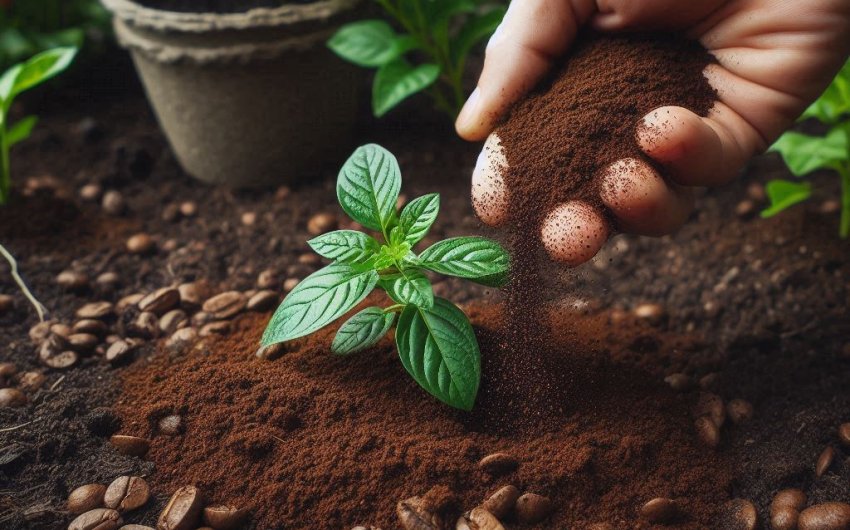
Are you a coffee lover? If so, you might be throwing away a hidden treasure every morning! Those used coffee grounds that end up in your trash can or garbage disposal are actually packed with good stuff for your garden. Instead of sending them to the landfill, you can give them a second life and watch your plants thank you for it.
Many gardeners are discovering the amazing benefits of using coffee grounds in their yards. From making your soil better to keeping certain pests away, these seemingly humble leftovers can become a powerful tool in your sustainable gardening toolkit. It's an easy and eco-friendly way to give your plants a boost and reduce waste at the same time. Think of it as free fertilizer and a natural pest deterrent, all rolled into one. You might be surprised at how much difference a simple daily habit can make for your garden's health.
So, before you toss your next batch of used grounds, stick around! We're going to explore all the ways you can transform your morning brew into a gardening superpower.
Are Coffee Grounds Good for All Plants? (And What About Acidity?)
This is a common question, and it's an important one! Many people hear that coffee grounds are acidic and immediately worry about harming their plants. Here's the scoop:
Used coffee grounds are mostly neutral or slightly acidic. It's the brewed coffee itself that is acidic. Once the hot water runs through the grounds, most of the acid is washed away into your cup. The used grounds that are left behind have a pH (a measure of acidity or alkalinity) that is generally close to neutral, usually between 6.5 and 6.8. This is a nearly perfect range for most garden plants.
So, for the vast majority of your garden plants, used coffee grounds are perfectly safe to use and won't make your soil too acidic. In fact, they can even help balance out very alkaline (opposite of acidic) soils over time, though their effect on pH is usually quite mild.
Plants That Love Coffee Grounds
While most plants can benefit, some really thrive with coffee grounds:
- Acid-loving plants: Even though used grounds aren't highly acidic, the slight acidity and nutrients can still give a boost to plants that prefer a lower pH. Think blueberries, rhododendrons, azaleas, camellias, and hydrangeas (they might even make your pink hydrangeas turn bluer!).
- Roses: Many rose enthusiasts swear by coffee grounds for promoting lush growth and vibrant blooms.
- Fruiting Vegetables: Tomatoes, peppers, and most berries can also benefit from the nutrients and improved soil structure.
- Carrots and Root Vegetables: Adding grounds can help loosen the soil, making it easier for these roots to grow straight and strong.
Plants That Might Not Prefer Them (Use Sparingly)
While generally safe, there are a few plants where you might want to use coffee grounds in moderation, or mix them well into compost first:
- Seedlings: Very young seedlings can sometimes be sensitive to concentrated amounts of anything, including coffee grounds. It’s best to mix grounds into the soil before planting seeds or starting with well-aged compost.
- Plants that prefer alkaline soil: While rare, if you have plants that specifically need very alkaline conditions (like lavender or some types of clematis), you might want to use grounds very sparingly or avoid direct application. However, as part of a balanced compost, they're still fine.
The key takeaway is that used coffee grounds are generally safe and beneficial for most garden plants due to their nearly neutral pH and nutrient content. Don't be afraid to experiment, but always observe how your plants react!
How Do Coffee Grounds Improve Soil?
This is where the magic really happens! Coffee grounds are like a superfood for your soil, turning ordinary dirt into a rich, healthy environment where plants love to grow. They help your soil health in several fantastic ways.
Adding Nutrients
Think of coffee grounds as a slow-release fertilizer. They contain several important nutrients that plants need to thrive:
- Nitrogen (N): This is the biggest one! Nitrogen is crucial for strong, leafy growth, making your plants look vibrant and healthy. While not as high in nitrogen as some synthetic fertilizers, grounds offer a steady, gentle supply.
- Potassium (K): Important for overall plant health, strong stems, and flowering/fruiting.
- Phosphorus (P): Helps with root development, flowering, and seed production.
- Trace Minerals: They also contain smaller amounts of other good things like magnesium, calcium, and copper, which are vital for plant function.
These nutrients become available to your plants as the grounds break down in the soil, providing a steady, natural food source.
Enhancing Soil Structure
This is another huge benefit. Soil structure refers to how the particles of soil clump together. Good structure means there's enough space for air and water, and for roots to grow easily.
- Improving Drainage: In heavy clay soils, coffee grounds can help break up the dense clumps, allowing water to drain more effectively and preventing waterlogging.
- Increasing Water Retention: In sandy soils, the grounds can act like tiny sponges, holding onto moisture and nutrients that might otherwise quickly wash away. This means you might not have to water as often!
- Aeration: By creating more pathways for air and water, grounds ensure that plant roots get the oxygen they need to breathe and absorb nutrients.
This improvement in structure makes the soil lighter, richer, and easier for roots to penetrate, leading to stronger, healthier plants.
Boosting Microorganism Activity
Your soil is teeming with life – tiny bacteria, fungi, worms, and other microorganisms. These creatures are essential for healthy soil; they break down organic matter, release nutrients, and create a robust soil ecosystem.
Coffee grounds are a fantastic food source for these beneficial microorganisms. As the microbes "eat" the grounds, they multiply, and their activity helps to:
- Decompose Organic Matter: They speed up the breakdown of the grounds and other organic materials, turning them into valuable humus (the stable, dark organic matter in soil).
- Improve Nutrient Availability: The microbes convert nutrients in the grounds into forms that plants can easily take up through their roots.
- Create a Living Soil: A healthy microbial population helps suppress harmful pathogens and creates a more resilient soil environment.
You can often find bags of compost starter that contain beneficial microbes, but coffee grounds feed the ones already there!
Attracting Worms
Worms are a gardener's best friend! They tunnel through the soil, creating channels for air and water, and their castings (worm poop) are packed with nutrients. Earthworms love munching on coffee grounds. Adding grounds to your garden beds or compost pile will attract these hardworking helpers, further improving your soil's structure and fertility.
In short, using coffee grounds is a fantastic way to naturally enrich your garden soil, making it a much happier home for your plants.
What's the Best Way to Add Coffee Grounds to My Garden?
Now that you know how great coffee grounds are for your garden, let's talk about the best ways to use them. There are several methods, and the best one depends on what you're trying to achieve.
1. Directly Amending the Soil
You can add coffee grounds directly to your garden soil, but there's a trick to it: don't just dump large piles on top. Large, thick layers of fresh grounds can sometimes clump together, dry out, and form a barrier that repels water, or they can encourage fungal growth that isn't always beneficial.
How to do it right:
- Sprinkle lightly: Spread a thin, even layer of used coffee grounds around the base of your plants. Think of it like a light dusting.
- Gently work into the soil: Use a hand trowel or your fingers to gently mix the grounds into the top inch or two of soil. This helps integrate them and prevents them from forming a crust.
- Apply before planting: You can also mix grounds into the soil of new beds or containers before you plant. Just blend them thoroughly with your existing soil or potting mix.
- Use sparingly around seedlings: As mentioned before, very young seedlings can be sensitive. It's usually best to mix grounds into the soil before planting seeds, or wait until plants are a bit more established before adding them as a top dressing.
This method is great for a quick nutrient boost and improving soil texture right where your plants need it.
2. Composting Coffee Grounds
This is probably the best and safest way to use coffee grounds for most gardeners, especially if you have a lot of them. Adding grounds to your compost pile combines their benefits with those of other organic materials, creating a super-rich humus that's perfect for your garden.
- Brown or Green? Coffee grounds are considered a "green" material in composting, meaning they are rich in nitrogen. They help balance out "brown" materials (like dried leaves, straw, or wood chips) which are rich in carbon. A good compost pile needs a balance of both.
- Mix them in: Don't just dump a big pile of grounds in one spot. Sprinkle them throughout your compost pile and mix them in with other materials. This helps them break down evenly and prevents clumping.
- Speed up decomposition: The nitrogen in coffee grounds helps to heat up your compost pile, which speeds up the decomposition process.
- Attract worms: Worms love compost, and they especially love coffee grounds, further improving your compost quality.
Once your compost is fully broken down into rich, dark soil, you can mix it into garden beds, use it as a top dressing, or blend it into potting mixes. A sturdy compost bin is essential for this method.
3. Making "Coffee Ground Tea" (Liquid Fertilizer)
Want a quick nutrient boost for your plants? You can make a liquid fertilizer from coffee grounds! This is sometimes called coffee ground tea.
How to make it:
- Ingredients: You'll need about 1 cup of used coffee grounds for every 5 gallons of water.
- Soak: Put the grounds in a bucket or large container and add the water.
- Steep: Let it sit for a few hours, or even overnight, stirring occasionally.
- Strain: Strain out the grounds (you can add these to your compost pile!) using a fine mesh sieve or cheesecloth.
- Dilute (Optional): Some gardeners like to dilute this "tea" further, especially for sensitive plants. Start with a 1:1 ratio (one part tea to one part water) and see how your plants react.
- Apply: Use the liquid to water your plants directly at the base.
This method delivers nutrients quickly to the roots and is great for a mid-season pick-me-up for hungry plants.
4. Using as Mulch
A thin layer of coffee grounds can also be used as a mulch around certain plants.
- Thin layer is key: Again, the rule is a thin layer, no more than half an inch. A thick layer can compact, create a barrier, and possibly lead to mold.
- Benefits: It can help suppress small weeds, retain soil moisture, and slowly release nutrients as it breaks down.
- Combine with other mulches: It's often best to mix coffee grounds with other mulches like wood chips, straw, or leaves, rather than using them as a standalone thick layer.
This method is less about instant impact and more about gradual soil improvement and weed control.
No matter which method you choose, remember to always use used coffee grounds, not fresh ones, as fresh grounds can be too concentrated and actually harm plants. Start small, observe your plants, and adjust as needed!
Can Coffee Grounds Help with Pest Control?
This is another area where coffee grounds get a lot of attention! While they aren't a magical cure-all for every pest, they can certainly help with a few common garden nuisances.
Deterring Slugs and Snails
Many gardeners swear by coffee grounds as a natural barrier against slugs and snails. There are a couple of ideas why this works:
- Rough Texture: Slugs and snails are soft-bodied creatures. The abrasive, gritty texture of the grounds might be uncomfortable for them to crawl over, making them less likely to cross a barrier of grounds.
- Caffeine: Some research suggests that the small amount of leftover caffeine in used grounds might act as a repellent or even be toxic to slugs and snails if they ingest enough of it.
How to use: Create a ring of coffee grounds (about 1-2 inches wide and half an inch deep) around plants that are often attacked by slugs and snails. Reapply after rain, as the grounds can get washed away or lose their deterrent effect when wet. This method works best on individual plants or small beds. For larger areas, a slug and snail bait for organic gardens might be needed.
Repelling Ants
Some gardeners report success using coffee grounds to deter ants. Ants don't seem to like the smell of coffee, and the grounds can also mess with their scent trails, which they rely on to find food and navigate.
How to use: Sprinkle coffee grounds directly on ant hills or along their trails in your garden. This method is more about making their environment less appealing than outright killing them. It might take a few applications to see a noticeable difference.
Keeping Cats Away (Sometimes!)
If neighborhood cats view your garden beds as their personal litter box, coffee grounds might offer some help. Cats generally dislike strong smells, and the scent of coffee can be off-putting to them.
How to use: Scatter used coffee grounds lightly over the surface of your garden beds. The strong smell might encourage cats to find a different spot to do their business. This is not a guaranteed solution for every cat, but it's worth a try as a natural deterrent.
Do They Repel Other Pests?
The evidence for coffee grounds repelling other common garden pests like aphids, Japanese beetles, or squash bugs is less consistent. While some gardeners claim success, there's not strong scientific proof for a widespread repellent effect on all insects. However, keeping your soil healthy and attracting beneficial insects through good practices (like adding organic matter) can indirectly help manage general pest populations.
Remember, coffee grounds are a mild, natural solution. For severe pest infestations, you might need to use other organic pest control methods or consult your local garden center. But for those annoying slugs, snails, and ants, they're definitely worth a try!
What Else Can I Do with My Used Coffee Grounds?
Beyond the direct benefits for soil and pests, coffee grounds have a few other neat tricks up their sleeve for the eco-conscious gardener.
Storing and Collecting Grounds
So, you've started saving your coffee grounds – great! But how do you store them so they don't get moldy or smelly?
- Dry them out: The best way to store grounds is to let them dry out completely. Spread them out on a baking sheet, old newspaper, or a piece of cardboard in a thin layer. Let them air dry for a day or two. This prevents mold and keeps them from smelling sour.
- Store in an open container: Once dry, you can store them in an open container, like a bowl or a bucket, in a cool, dry place. Avoid sealing them in airtight containers if they're not completely dry, as this can trap moisture and encourage mold.
- Ask local coffee shops: If you're a big gardener but not a big coffee drinker, ask your local coffee shop! Many cafes are happy to give away their used grounds for free. Bring your own bucket, and they'll often fill it up for you. This is a fantastic way to get a large supply of this free organic matter.
Cleaning Garden Tools
Coffee grounds have a slightly abrasive texture, which makes them surprisingly effective for cleaning garden tools.
- Remove grime: After a day in the garden, your shovels, trowels, and pruners can get caked with dirt and sap. A handful of damp coffee grounds can act as a gentle scourer to remove stubborn grime.
- Rust prevention: While not a rust preventative on their own, cleaning tools thoroughly with grounds and then drying them can help keep them in good shape. For rust, you might still need a wire brush for garden tools.
Just rub the grounds onto the dirty parts of your tools, scrub a bit, and then rinse them clean.
Deodorizing Your Hands
After working with fish emulsion, manure, or other smelly garden materials, your hands can retain some unpleasant odors. Coffee grounds are fantastic natural deodorizers.
- Scrub away smells: Rub a small amount of used coffee grounds between your hands for about 30 seconds, then rinse them off. The grounds absorb and neutralize odors, leaving your hands smelling much fresher.
A Note on Fresh vs. Used Grounds
It's really important to stress this again: Always use used coffee grounds in your garden. Fresh, unused coffee grounds are very acidic and contain much higher levels of caffeine and other compounds that can be harmful to plants and soil microbes when applied directly. They can inhibit plant growth and even kill young seedlings.
Used grounds, on the other hand, have had most of their acid and caffeine leached out during the brewing process, making them the safe and beneficial material for your garden beds and compost pile.
So next time you brew a pot, remember that your used coffee grounds are a valuable resource. By diverting them from the waste stream and putting them to work in your garden, you're embracing a truly sustainable and resourceful approach to gardening! Your plants, your soil, and the planet will all thank you.