
How to Make Organic Pesticides at Home?
Why Choose Organic Pesticides?
Picture this: You walk out to your beautiful garden, excited to check on your plants, only to find them covered in tiny, munching pests. It’s a frustrating sight for any gardener! Your first thought might be to reach for a strong chemical spray to get rid of them. But wait! There's a better, safer way.
Choosing organic pesticides means you're protecting your plants without harming the environment, beneficial insects, or your family's health. Traditional chemical pesticides can leave harmful residues on your fruits and vegetables. They can also kill off helpful insects like bees (our amazing pollinators!) and ladybugs, which actually eat the bad bugs. Plus, these chemicals can pollute our soil and water.
Homemade organic pesticides offer a gentle, eco-friendly approach to pest control. They use natural ingredients you might already have in your kitchen or pantry, making them a cost-effective and sustainable gardening choice. When you use organic methods, you're not just dealing with a problem in the short term; you're contributing to a healthier, more balanced garden ecosystem in the long run. It’s all about working with nature, not against it, to keep your garden thriving and your harvests safe to eat.
So, if you’re looking for a way to tackle those unwelcome garden guests without resorting to harsh chemicals, you've come to the right place. Let's learn how to whip up some simple, effective homemade pest remedies.
What are the Benefits of Homemade Organic Pesticides?
Switching to homemade organic pesticides offers a whole basket of benefits for your garden and beyond. It’s more than just about killing bugs; it’s about creating a healthier, more vibrant growing space.
Safer for You and Your Family
This is probably the biggest reason gardeners choose organic. When you spray your plants with a homemade pesticide made from common kitchen ingredients, you don't have to worry about dangerous chemicals ending up on your food. You can harvest your vegetables and fruits with peace of mind, knowing they're safe to eat right from the vine (after a quick rinse, of course!). There’s no risk of inhaling harsh fumes or getting dangerous chemicals on your skin, which is a huge plus, especially if you have kids or pets around your garden.
Healthier for Your Plants
Chemical pesticides can stress out plants, sometimes even burning their leaves or slowing their growth. Organic pesticides are generally much gentler. They target pests specifically or deter them without harming the plant itself. This means your plants can focus their energy on growing strong, producing lots of fruit, and staying healthy. When plants are less stressed, they're often more resistant to pests and diseases naturally.
Kinder to Beneficial Insects
Not all bugs in your garden are bad! Many insects, like ladybugs, lacewings, and hoverflies, are actually garden heroes because they feast on common pests like aphids. Pollinators like bees and butterflies are also essential for helping your plants produce fruits and seeds. Chemical sprays often kill these good bugs along with the bad ones, throwing your garden's natural balance way off. Homemade organic pesticides are usually more targeted or have a quicker breakdown, making them less harmful to these helpful creatures, especially if applied carefully.
Good for the Environment
When you use chemicals, they don't just stay in your garden. Rain can wash them into streams, rivers, and groundwater, polluting our water systems. They can also harm birds and other wildlife that eat insects from your garden. By choosing natural pest control, you reduce your environmental footprint, protect local ecosystems, and contribute to sustainable living. It's a small change that makes a big difference for the planet.
Save Money and Reduce Waste
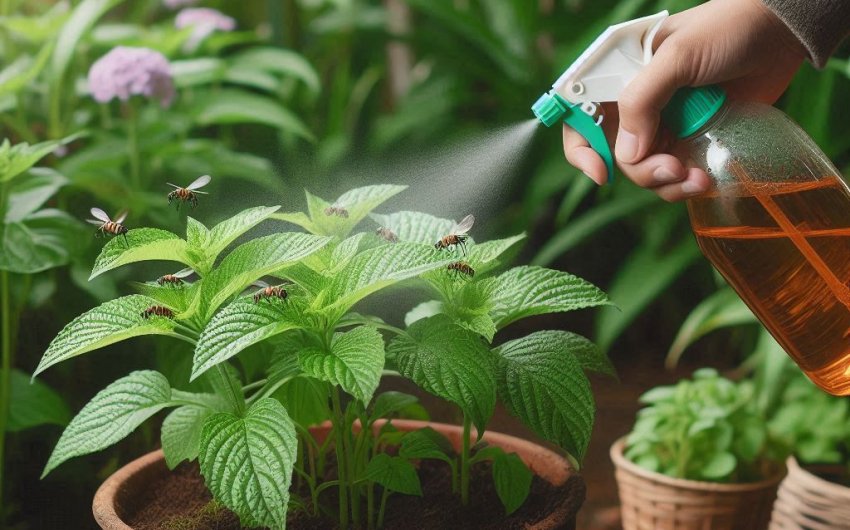
Why buy expensive, chemical-filled sprays when you can make effective alternatives from ingredients you already have? Using homemade pesticides saves you money on garden supplies. Plus, it encourages you to use up ingredients like garlic, onions, or dish soap that might otherwise go to waste. It’s a smart, resourceful way to manage your garden. You might already have a good spray bottle for application.
In short, choosing to make your own organic pesticides is a win-win-win: it's better for you, better for your plants, and better for the planet.
What Are the Basic Ingredients for Homemade Pesticides?
Making your own organic pesticides is simpler than you might think! The ingredients are usually things you can find in your kitchen, at the grocery store, or even growing in your garden. The key is to understand what each ingredient does and how it helps control pests naturally.
1. Dish Soap (Insecticidal Soap)
This is one of the most common and effective bases for many homemade pest sprays.
- How it works: Dish soap, when diluted, acts as a surfactant. This means it breaks down the waxy outer layer of soft-bodied insects like aphids, spider mites, whiteflies, and mealybugs. Once this protective layer is gone, the pests dehydrate and die. It's a contact killer, meaning it only works if it directly touches the insect.
- What kind to use: Always use a mild liquid dish soap that is free of degreasers, bleach, or strong perfumes. A simple, basic dish soap is best. Avoid "antibacterial" soaps too. Castile soap is an excellent choice for a truly natural option, often available as Dr. Bronner's Pure-Castile Liquid Soap.
- Recipe Tip: Usually, 1-2 teaspoons of soap per liter (about a quart) of water is a good starting point.
2. Garlic
Garlic is not just for cooking! Its strong smell and compounds make it a powerful natural deterrent.
- How it works: Garlic's potent sulfur compounds are offensive to many insects. It works as a repellent rather than a killer, making pests want to avoid your plants. It can also have some fungicidal properties, helping with certain plant diseases.
- What kind to use: Fresh garlic cloves are best.
- Recipe Tip: Often used in combination with other ingredients. Crushed cloves are typically steeped in water to create a strong "tea."
3. Hot Peppers (Chili/Cayenne Pepper)
If you've ever gotten chili powder in a cut, you know how irritating it can be! Pests feel the same way.
- How it works: The capsaicin in hot peppers irritates the nervous systems of insects and can act as an antifeedant, meaning pests won't want to eat your plants after encountering it.
- What kind to use: You can use fresh hot peppers (like jalapeños or habaneros), chili powder, or cayenne pepper.
- Recipe Tip: Be very careful when handling hot peppers – wear gloves and avoid touching your eyes!
4. Onion
Like garlic, onions have strong, sulfuric compounds that are unappealing to many insects.
- How it works: Similar to garlic, onions primarily work as a repellent, discouraging pests from landing on or munching on your plants.
- What kind to use: Fresh onions.
- Recipe Tip: Often blended with garlic to create a more potent repellent spray.
5. Vegetable Oil
Oil can be a suffocating agent for certain pests.
- How it works: When mixed with soap and water, a small amount of vegetable oil can coat the bodies of soft-bodied insects, blocking their breathing pores and causing them to suffocate. This is very effective against spider mites, aphids, and scale insects.
- What kind to use: Any plain vegetable oil like canola, sunflower, or olive oil.
- Recipe Tip: Used in small amounts (e.g., 1 tablespoon per liter) in combination with soap.
6. Neem Oil
While you might buy this one, it's a completely natural and highly effective organic option.
- How it works: Neem oil comes from the neem tree. It disrupts insect feeding, growth, and reproduction. It’s also systemic, meaning plants can absorb it, making them unappealing to pests when they try to feed. It’s effective against a very wide range of pests, including aphids, whiteflies, spider mites, Japanese beetles, and even some fungal diseases.
- What kind to use: Look for 100% cold-pressed Neem oil for gardening, often found as organic neem oil.
- Recipe Tip: Always follow the dilution instructions on the bottle, as it's typically mixed with water and a tiny bit of soap (as an emulsifier, to help it mix).
7. Rubbing Alcohol
Alcohol can quickly dry out and kill soft-bodied pests.
- How it works: It dissolves the outer waxy coating of insects, similar to soap, causing dehydration.
- What kind to use: Isopropyl rubbing alcohol (70% strength is fine).
- Recipe Tip: Often diluted significantly (e.g., 1 part alcohol to 1 part water or more) and used as a spot treatment for pests like mealybugs on individual plants. Test on a small area first.
Remember, the key to success with homemade organic pesticides is proper mixing and careful application.
Simple Homemade Pesticide Recipes
Now for the fun part: making your own organic pest control solutions! These recipes are easy to whip up and use common ingredients. Remember to always use a clean spray bottle for application.
1. Basic Insecticidal Soap Spray (Great for Aphids, Mites, Whiteflies)
This is your go-to for many common soft-bodied pests.
Ingredients:
- 1 teaspoon mild liquid dish soap (unscented, no degreasers) or castile soap
- 1 liter (about 4 cups) warm water
Instructions:
- Pour the warm water into your spray bottle.
- Add the dish soap.
- Shake well to combine. The soap needs to be fully dissolved.
How to Use:
- Spray directly onto affected plants, making sure to coat the pests thoroughly.
- Crucially, spray the undersides of leaves where many pests like to hide.
- Apply every 5-7 days as needed until the pest problem is under control.
- Apply in the early morning or late evening to avoid harming beneficial insects (who are less active then) and to prevent sun scorch on leaves (water droplets can magnify sunlight).
2. Garlic & Onion Repellent Spray (For a Broad Range of Pests)
This pungent spray can deter many chewing and sucking insects.
Ingredients:
- 5-6 cloves of garlic, peeled and roughly chopped
- 1 small onion, roughly chopped
- 1 liter (about 4 cups) water
- 1 teaspoon mild liquid dish soap (optional, but helps it stick to leaves)
Instructions:
- Blend the garlic and onion with 1 cup of water until you have a thick paste.
- Add this paste to the remaining 3 cups of water in a jar or bowl.
- Let it sit and steep for at least 24 hours (or up to 48 hours) to allow the compounds to infuse the water.
- Strain the mixture through cheesecloth, a fine-mesh sieve, or an old clean nylon stocking to remove all the solids. You want a clear liquid for your spray bottle so it doesn't clog.
- Add the optional dish soap to the strained liquid and mix well.
- Pour into your spray bottle.
How to Use:
- Spray thoroughly on all parts of the plant, including stems and both sides of leaves.
- Use as a preventative measure every week or two, or apply more frequently (every 3-5 days) when pests are active.
- Reapply after rain.
3. Hot Pepper (Capsaicin) Spray (For Chewing Pests and Deterrent)
This spray can deter animals too, but test it first.
Ingredients:
- 10-15 fresh hot peppers (like jalapeños or serranos), chopped OR 2 tablespoons cayenne pepper powder / chili powder
- 1 liter (about 4 cups) water
- 1 teaspoon mild liquid dish soap (optional, for adhesion)
Instructions:
- If using fresh peppers: Blend the chopped peppers with 1 cup of water to make a paste.
- Combine the pepper paste (or cayenne powder) with the remaining 3 cups of water.
- Bring to a boil, then reduce heat and simmer for 15-20 minutes. This helps extract the capsaicin.
- Let the mixture cool completely.
- Strain thoroughly to remove all solids. Wear gloves when straining and handling this mixture to avoid skin and eye irritation!
- Add the optional dish soap and mix well.
- Pour into your spray bottle.
How to Use:
- Spray directly on plants where chewing pests are a problem. The irritation will make them stop eating your leaves.
- Apply as needed, especially after rain or heavy watering.
- Important: Test this spray on a small, inconspicuous part of your plant first. Some sensitive plants can be damaged by hot pepper sprays. Wait 24 hours to see if there's any adverse reaction.
4. Oil Spray (For Spider Mites, Scale, Mealybugs)
This is sometimes called a "horticultural oil" type spray.
Ingredients:
- 1 tablespoon vegetable oil (e.g., canola, sunflower)
- 1 teaspoon mild liquid dish soap
- 1 liter (about 4 cups) water
Instructions:
- In a separate small bowl, mix the vegetable oil and dish soap very well until they are fully emulsified (blended together without separating). The soap acts as an emulsifier to help the oil mix with water.
- Pour this mixture into the spray bottle.
- Add the water and shake vigorously until completely combined.
How to Use:
- Spray directly onto pests, ensuring full coverage, especially on the undersides of leaves. The oil smothers them.
- Apply every 5-7 days until the infestation is gone.
- Crucially, apply only in the evening or on a cloudy day. Oil sprays can burn leaves if applied in direct sunlight.
- Do not use on plants that are stressed, wilting, or extremely hot.
5. Rubbing Alcohol Spot Treatment (For Mealybugs, Scale on Houseplants)
This is great for targeted attacks on stubborn pests.
Ingredients:
- 1 part rubbing alcohol (70% isopropyl alcohol)
- 1 part water
Instructions:
- Mix equal parts alcohol and water in a small spray bottle.
How to Use:
- Use as a spot treatment. Spray directly onto visible mealybugs, scale insects, or small clusters of aphids.
- Alternatively, dip a cotton swab in the diluted alcohol and touch it directly to individual pests.
- Test on a small leaf first, especially on sensitive plants, as alcohol can sometimes cause minor leaf burn.
Always remember that consistency is key with organic pest control. You often need to reapply these homemade remedies more frequently than chemical ones.
General Tips for Using Homemade Pesticides
Making your own organic pesticides is a fantastic step toward a healthier garden, but how you use them is just as important as what's in them. Follow these tips for the best results and to keep your plants happy and healthy.
Test Before You Spray Everything
This is one of the most crucial tips. Just like you'd patch-test a new skin product, you should test any homemade pesticide on a small, inconspicuous part of your plant first.
- Spray a few leaves or a small section.
- Wait 24-48 hours.
- Check for any signs of damage like wilting, yellowing, or burnt spots.
- If the plant shows no negative reaction, then you can confidently spray the rest of the affected plant. This step helps prevent accidental harm to sensitive plants.
Apply at the Right Time of Day
The timing of your spray can make a big difference for both effectiveness and plant safety.
- Early morning or late evening: This is the ideal time. The sun is less intense, which reduces the risk of leaf burn (especially with oil or soap-based sprays where water droplets can act as tiny magnifying glasses).
- Protect beneficial insects: Many beneficial insects, like bees, are most active during the middle of the day. Spraying during cooler, calmer times reduces the chances of harming them.
- Avoid windy conditions: Wind can cause your spray to drift, getting on plants you don't intend to treat, or simply wasting the solution.
Target the Pests, Not Just the Plant
Remember, many homemade organic pesticides are contact killers or repellents. They need to hit the pest directly or be on the plant where the pest will encounter it.
- Focus on the undersides of leaves: This is where many common pests (like aphids, whiteflies, and spider mites) love to hide and lay their eggs. Don't just spray the top of the plant.
- Coat thoroughly: Ensure you get good coverage on all affected areas.
- Repeat applications: Organic sprays often break down quickly and may not kill eggs, so repeat applications (every 3-7 days, depending on the pest and severity) are usually necessary to break the pest's life cycle. Consistency is key!
Store Safely (and Briefly)
Homemade concoctions generally don't have long shelf lives because they lack the preservatives found in commercial products.
- Use fresh: It's best to mix only what you need for one application and use it right away.
- Short storage: If you do have leftovers, store them in a cool, dark place for no more than a few days (e.g., 3-5 days). Mark the bottle clearly with what it is and the date it was mixed.
- Shake before each use: Ingredients can separate, so always give the bottle a good shake before spraying.
Know Your Pests
Understanding what kind of pest you're dealing with will help you choose the most effective homemade remedy.
- Soft-bodied pests (aphids, mites, whiteflies, mealybugs): These are easily killed by insecticidal soaps and oil sprays.
- Chewing pests (caterpillars, beetles): Garlic and pepper sprays work well as repellents.
- Slugs and Snails: While not a spray, certain barriers (like crushed eggshells or even coffee grounds) can deter them.
If you're unsure what bug is munching on your plants, a good garden pest identification guide can be incredibly helpful.
Combine with Other Organic Strategies
Homemade organic pesticides are just one tool in your organic gardening toolbox. For the healthiest garden, combine them with other natural pest control methods:
- Healthy soil: Strong, healthy plants grown in rich, living soil are naturally more resistant to pests. Focus on soil health through composting and organic amendments.
- Companion planting: Plant certain herbs or flowers (like marigolds, nasturtiums, or basil) near your vegetables to deter pests or attract beneficial insects.
- Attract beneficial insects: Plant flowers that beneficial insects love (e.g., dill, fennel, yarrow). Provide water sources.
- Hand-picking: For larger pests like tomato hornworms or slugs, simply pick them off and drop them into a bucket of soapy water.
- Good garden hygiene: Remove diseased plant parts, clear away dead leaves, and keep your garden tidy to reduce hiding spots for pests.
By following these tips, you'll be well on your way to effectively managing pests organically and enjoying a thriving, chemical-free garden!