
Can Philodendron Plants Grow Indoors?
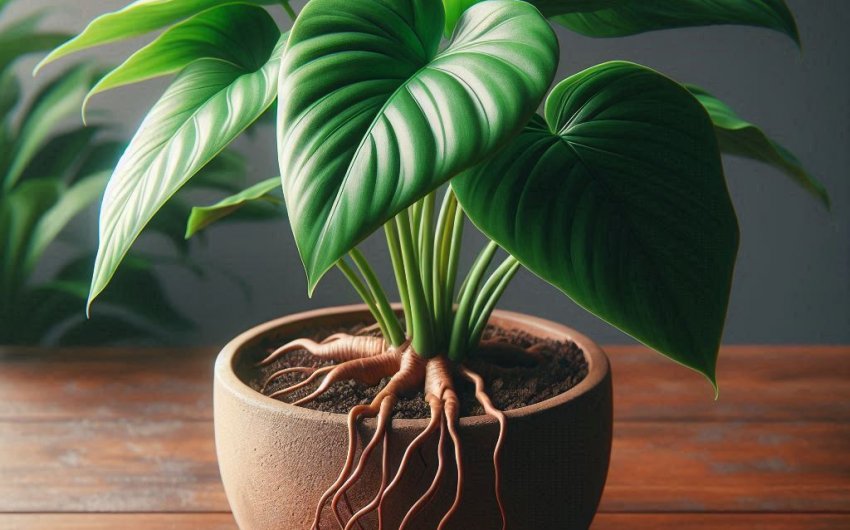
The allure of lush, tropical foliage has made Philodendron plants a staple in indoor gardening for decades. With their diverse array of leaf shapes, sizes, and growth habits, these versatile plants offer something for every aesthetic, from the classic heart-leaf vine to impressive, sculptural specimens. But for those new to the plant world, a common question arises: can Philodendron plants grow indoors? The resounding answer is yes! Not only do they thrive indoors, but many varieties are also remarkably adaptable and forgiving, making them an excellent choice for both beginner and experienced plant enthusiasts. Let's delve into why Philodendrons are perfect houseguests and how to provide them with the care they need to flourish in your home.
Why are Philodendrons Perfect Indoor Plants?
Philodendrons have earned their widespread popularity for several compelling reasons, primarily their adaptability and stunning appearance.
What Makes Philodendron So Popular as Houseplants?
These plants bring a touch of the tropics indoors with surprising ease.
- Adaptability: Most Philodendron species are incredibly forgiving and can adapt to a range of indoor conditions, tolerating lower light levels and occasional missed waterings better than many other tropical plants. This makes them ideal for various home environments.
- Aesthetic Variety: The genus Philodendron is huge, offering an astonishing diversity of foliage. From the small, delicate heart-shaped leaves of P. hederaceum (Heart-leaf Philodendron) to the massive, deeply lobed leaves of P. selloum (now Thaumatophyllum bipinnatifidum, but often still called Philodendron selloum), there's a Philodendron to suit any decor style. Many also come in interesting colors and variegations, like the vibrant lime green of 'Neon' or the dark, velvety 'Micans'.
- Air Purifying Qualities: Philodendrons are known to be effective air purifiers, helping to remove common indoor toxins like formaldehyde and benzene, contributing to a healthier living environment.
- Versatile Growth Habits: Whether you want a trailing plant for a hanging basket, a climbing plant for a moss pole, or a bushy, upright specimen to fill a corner, there's a Philodendron that fits the bill.
- Relatively Easy Care: While they have preferred conditions, many Philodendron varieties are quite robust and can tolerate less-than-perfect care, making them excellent choices for beginners.
- Easy to Propagate: Many Philodendrons are incredibly easy to propagate from stem cuttings, allowing you to easily expand your collection or share with friends.
Understanding Philodendron Types for Indoor Growth
The Philodendron genus is vast, with hundreds of species. For indoor cultivation, they are generally categorized by their growth habit: vining/trailing or upright/self-heading.
What are the Common Types of Philodendrons Grown Indoors?
Knowing the growth habit helps tailor care and placement.
- Vining/Trailing Philodendrons: These are perhaps the most common and recognizable Philodendrons. They produce long stems that either trail downwards or climb upwards if given support. Their leaves are typically smaller than the upright types.
- Heart-leaf Philodendron (Philodendron hederaceum): The classic, quintessential houseplant. Features glossy, heart-shaped leaves that can be bright green, dark green, or 'Neon' (lime green). Extremely easy to care for and adaptable to various light conditions. Perfect for hanging planters or trailing from shelves.
- 'Brasil' Philodendron (Philodendron hederaceum 'Brasil'): A popular cultivar of the Heart-leaf Philodendron, featuring variegated leaves with splashes of lime green or yellow on a darker green background. Adds a lovely touch of color.
- 'Micans' Philodendron (Philodendron hederaceum 'Micans'): Known for its velvety, heart-shaped leaves that are a deep, iridescent green with bronze or purple undertones, especially on new growth. Very elegant and unique.
- Pink Princess Philodendron (Philodendron erubescens 'Pink Princess'): A highly sought-after vining variety with dark green leaves splashed with vibrant pink variegation. Requires bright, indirect light to maintain its striking colors.
- Philodendron Brasil Plants: This variety is particularly striking with its variegated foliage. You can find healthy Philodendron Brasil plants online.
- Upright/Self-Heading Philodendrons: These varieties grow more like shrubs, with a central stem and leaves emerging directly from it. They don't typically vine or climb (though some may develop a short stem over time). Their leaves are often much larger and more sculptural.
- Split-Leaf Philodendron (Monstera deliciosa): While technically a Monstera, it's often colloquially called "Split-Leaf Philodendron" due to its similar appearance and shared family (Araceae). Features large, deeply lobed or "split" leaves that become more fenestrated (having holes) with maturity. A statement plant that grows quite large.
- Lacy Tree Philodendron (Thaumatophyllum bipinnatifidum, formerly Philodendron selloum): Another large, sculptural plant known for its deeply lobed, almost fern-like leaves. It forms a tree-like trunk over time. Requires significant space.
- Birkin Philodendron (Philodendron 'Birkin'): A popular compact upright variety known for its glossy, dark green leaves with striking white or creamy pinstripes. A slower grower, making it suitable for smaller spaces.
- Moonlight Philodendron (Philodendron 'Moonlight'): Features vibrant, fluorescent yellow-green leaves that can brighten up any room. It has an upright, bushy growth habit and is relatively easy to care for.
Essential Care Requirements for Indoor Philodendrons
While specific needs vary slightly by type, these general guidelines will help most Philodendrons flourish indoors.
What are the Key Care Factors for Indoor Philodendron Plants?
Meeting these basic needs ensures your Philodendron stays healthy and vibrant.
- Light:
- Bright, Indirect Light is Ideal: This is the sweet spot for most Philodendrons. Place them near a window where they receive plenty of ambient light but are shielded from direct, intense sunbeams that can scorch their leaves. An east or north-facing window is often perfect. A few feet from a south or west-facing window is also good, especially if diffused by a sheer curtain.
- Tolerate Medium Light: Many Philodendrons (especially the darker green vining types) can tolerate medium light conditions, meaning they will survive and grow slowly even if a bit further from a window. However, too little light can lead to leggy growth, smaller leaves, and less vibrant variegation.
- Avoid Direct Sun: Direct sun, especially hot afternoon sun, will burn their leaves, causing brown, crispy spots.
- Watering:
- Allow Soil to Dry Partially: The most common mistake with Philodendrons is overwatering. Water thoroughly when the top 1-2 inches of soil feel dry to the touch for vining types, and the top 2-3 inches for larger, upright varieties. Use a soil moisture meter for accuracy.
- Water Until Drainage: When you do water, ensure water drains out of the bottom of the pot. Discard any standing water in the saucer after about 15-30 minutes to prevent root rot.
- Reduce in Winter: Philodendrons use less water in cooler, darker winter months. Adjust your watering frequency accordingly.
- Humidity:
- Prefers High Humidity: As tropical plants, Philodendrons appreciate high humidity. While they can tolerate average household humidity, they will thrive with more.
- Boosting Humidity:
- Misting: Mist the foliage regularly with a fine misting bottle for plants.
- Pebble Tray: Place the pot on a tray filled with pebbles and water, ensuring the bottom of the pot doesn't sit in the water.
- Humidifier: For serious humidity needs, a room humidifier is most effective.
- Group Plants: Grouping plants together creates a microclimate with higher humidity.
- Soil:
- Well-Draining and Aerated: Use a high-quality, well-draining indoor plant potting mix. A good mix might include peat moss, coco coir, perlite, and/or orchid bark to ensure excellent drainage and aeration for the roots.
- Temperature:
- Warm and Stable: Maintain temperatures between 65-80°F (18-27°C). Avoid sudden drops.
- Avoid Drafts: Keep them away from cold windows, air conditioning vents, or drafty doorways.
- Fertilizing:
- During Growing Season: Fertilize every 2-4 weeks during the spring and summer growing season (April to September) with a balanced liquid houseplant fertilizer diluted to half strength.
- Reduce in Winter: Do not fertilize during fall and winter when the plant's growth slows down.
- Pruning:
- Shape and Bushiness: Prune to maintain shape, control size, and encourage bushier growth. For vining types, cutting back leggy stems will promote branching.
- Remove Yellow/Dead Leaves: Remove any yellowing, browning, or dead leaves to encourage new growth and maintain appearance. Use clean pruning snips.
- Repotting:
- When Root-Bound: Repot every 1-2 years, or when you see roots growing out of drainage holes, or if the plant seems to dry out unusually quickly.
- Slightly Larger Pot: Move up to a pot that is only 1-2 inches larger in diameter. Ensure the new pot has drainage holes. Many plastic plant pots with drainage are suitable.
- Support for Vining Types:
- For vining Philodendrons that you want to grow upright and produce larger leaves, provide a moss pole for climbing plants or trellis for them to climb. Their aerial roots will attach to the support.
Troubleshooting Common Philodendron Problems
Even easy-care plants can sometimes present challenges. Knowing how to diagnose and fix common issues will keep your Philodendron thriving.
What are Frequent Problems with Indoor Philodendrons?
Addressing these issues promptly keeps your plant healthy.
- Yellowing Leaves:
- Cause: Most commonly, overwatering. Can also be underwatering (less common if uniform yellowing), too little light, or nutrient deficiency.
- Solution: Check soil moisture. If soggy, allow to dry out. Ensure good drainage. If consistently dry and yellow, water more. If uniformly pale yellow and growth is stunted, consider light or fertilizer.
- Brown/Crispy Leaf Tips or Edges:
- Cause: Most commonly, low humidity or underwatering. Can also be salt buildup from tap water or over-fertilizing.
- Solution: Increase humidity (mist, pebble tray, humidifier). Check watering schedule to ensure consistent moisture. If suspecting salt buildup, flush soil with distilled water or let tap water sit out overnight.
- Brown Spots or Burned Areas on Leaves:
- Cause: Direct sunlight (sunburn).
- Solution: Immediately move the plant to a spot with bright, indirect light. Remove severely burned leaves.
- Drooping/Wilting Leaves:
- Cause: Can be either underwatering (leaves feel dry and limp, soil is bone dry) or overwatering (leaves feel soft, mushy, and soil is soggy - indicates root rot).
- Solution: Check soil moisture first. If dry, water deeply. If soggy, stop watering and check for root rot.
- Leggy Growth/Small Leaves:
- Cause: Insufficient light.
- Solution: Move to a brighter location. You can prune back leggy stems to encourage bushier growth.
- No New Growth:
- Cause: Lack of light, lack of nutrients, cold temperatures, or root-bound.
- Solution: Check all care factors. Consider fertilizing during the growing season or repotting if root-bound.
- Pests (Spider Mites, Mealybugs, Scale):
- Signs: Small bugs on leaves, sticky residue, webbing, or white cottony masses.
- Solution: Isolate the plant. Wipe off pests with a damp cloth or cotton swab dipped in rubbing alcohol. Spray with insecticidal soap for plants or Neem oil. Regular inspection helps catch them early.
Yes, Philodendron plants can absolutely grow indoors, and they are a fantastic choice for adding vibrant, lush greenery to your home. By understanding their preference for bright, indirect light, consistent but not excessive watering, and elevated humidity, you can easily cultivate these beautiful tropical plants. Their adaptability, diverse forms, and air-purifying qualities make them a rewarding addition to any indoor plant collection, whether you're a seasoned plant parent or just beginning your green journey.