
Caring for Your Cactus Christmas Tree: Tips and Tricks for a Thriving Plant
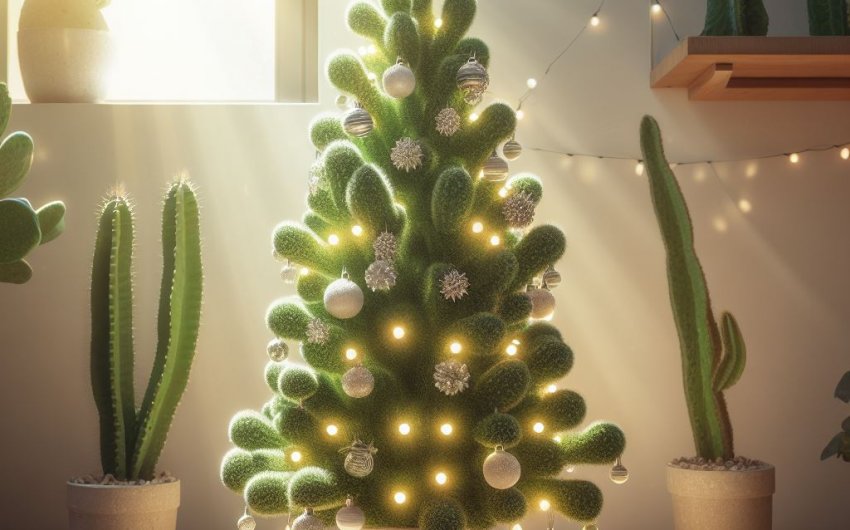
Caring for your cactus Christmas tree to ensure a thriving plant involves adapting its year-round needs to its temporary holiday role. Key tips include providing ample bright light, watering sparingly only when the soil is completely dry, and using lightweight, non-damaging decorations. Protecting it from temperature extremes and gently undecorating after the holidays are crucial for its long-term health.
Why is specialized care needed for a cactus Christmas tree?
A cactus Christmas tree offers a unique and sustainable twist on holiday decor, but it's essential to remember that it's a living plant with specific needs. Unlike a cut evergreen, which is destined for disposal, your cactus is intended to thrive year after year. Therefore, specialized care is needed to ensure its health and longevity, especially during the temporary period of decoration and potential changes to its environment. Ignoring these needs can quickly turn a festive centerpiece into a stressed or dying plant.
What are the unique challenges of a decorated cactus?
Transforming a cactus into a Christmas tree introduces several unique challenges to its usual care routine.
- Weight of Decorations: Even lightweight ornaments add weight, potentially stressing delicate branches or causing the plant to become top-heavy.
- Impeded Photosynthesis: Decorations can block sunlight from reaching certain parts of the cactus, reducing its ability to photosynthesize.
- Altered Air Circulation: Decorations can reduce airflow around the cactus, potentially trapping humidity and creating microclimates that might favor rot or pests.
- Watering Difficulty: Decorating makes it harder to water the plant properly without getting ornaments wet or splashing water onto the cactus body, which can lead to problems.
- Temperature Changes: Moving a cactus indoors for decoration might expose it to different light levels, drafts, or heat sources than its usual spot.
- Pest Hiding Spots: Decorations can inadvertently create new hiding spots for pests, making detection and treatment more challenging.
- Physical Damage Risk: Spines can be broken, or plant tissue torn during decoration or undecoration, creating entry points for pathogens.
What are the dangers of neglecting care for a decorated cactus?
Failing to adapt your care routine to these challenges can have severe consequences for your living Christmas tree.
- Root Rot (from overwatering): This is the most common killer. If watering isn't adjusted for winter dormancy and decorations impede drying, roots suffocate and rot.
- Leggy Growth/Etiolation: Reduced light from decorations or moving to a darker spot can cause the cactus to stretch and weaken, losing its compact form.
- Scorching/Sunburn: If placed in a spot with too little light, then suddenly exposed to intense sun without acclimation (after undecorating), it can burn.
- Pest Infestations: Stressed cacti are more vulnerable, and dry indoor air (common in winter) promotes pests like spider mites.
- Physical Damage/Rot: Broken spines or torn tissue from decorating can lead to fungal or bacterial infections and rot.
- General Decline: A combination of these factors can lead to an overall decline in plant health, making it vulnerable and unattractive.
- Loss of the Plant: Ultimately, severe neglect or improper care can lead to the death of your cherished cactus Christmas tree.
By understanding these unique challenges and dangers, you can proactively adjust your care routine, ensuring your cactus Christmas tree remains healthy, vibrant, and ready for many more festive seasons.
How do I ensure proper light and temperature for my cactus Christmas tree?
Even when decorated, light and temperature remain the most crucial environmental factors for a cactus. Adapting to its temporary indoor spot and winter conditions is vital for a thriving cactus Christmas tree.
1. Provide ample bright light.
Cacti are sun-loving plants, and this need doesn't stop during the holidays.
- DO: Ensure your cactus Christmas tree receives bright, direct sunlight for at least 6-8 hours daily. This is paramount for photosynthesis and preventing etiolation (stretching).
- DO: Place it in your brightest available window, typically a south-facing window (in the Northern Hemisphere).
- DO: If natural light is insufficient (common in winter or in less sunny rooms), supplement with full-spectrum LED grow lights for 12-16 hours a day. Position the light 6-12 inches (15-30 cm) from the cactus, adjusting as needed. A good option is LED grow lights for indoor plants.
- DON'T: Place the decorated cactus in a dark corner or a spot with low light for an extended period. Decorations can also cast shadows, further reducing available light.
- Why it Works: Adequate light prevents the cactus from becoming weak, leggy, pale, and stressed.
2. Maintain moderate and stable temperatures.
Cacti prefer warm to moderate temperatures and are sensitive to extremes.
- DO: Maintain typical indoor room temperatures, ideally between 60-75°F (15-24°C).
- DON'T: Place the cactus near cold drafts from windows, exterior doors that open frequently, or air conditioning vents. Sudden temperature drops can shock the plant and cause damage.
- DON'T: Position it too close to direct heat sources like radiators, heat vents, or fireplaces. These can rapidly dehydrate the cactus and cook its tissue, especially if combined with decorations.
- Why it Works: Stable temperatures reduce stress on the cactus, allowing it to maintain its health during the holiday season.
- Protection from Cold: If the cactus was typically kept outdoors in a mild climate, and you've brought it in, ensure the indoor spot is adequately warm but not scorching.
3. Ensure good air circulation and low humidity.
Cacti are adapted to dry, airy conditions.
- DO: Place your cactus Christmas tree in an area with good air circulation.
- Why it Works: Good airflow helps prevent stagnant, humid microclimates around the cactus, which can promote fungal issues (like rot around spine bases) and deter some pests. Cacti naturally prefer low humidity.
- DON'T: Place the cactus in a sealed or overly humid environment.
- DON'T: Mist a decorated cactus.
- Why: Misting can get decorations wet, and the prolonged moisture on the cactus body (especially around spines and in crevices) can lead to fungal growth or discoloration.
By meticulously managing light and temperature, and ensuring good air circulation, you provide the optimal environmental conditions for your cactus Christmas tree to not only survive but thrive beautifully throughout the festive period.
How do I correctly water and fertilize my cactus Christmas tree?
Watering and fertilizing a cactus Christmas tree in winter requires a delicate touch. These specific care practices are crucial for preventing the most common cactus problems, like root rot, and ensuring the plant remains healthy despite its temporary festive role.
1. Water sparingly and correctly (Infrequent, Deep, Bottom Watering).
Overwatering is the biggest killer of cacti, especially in winter.
- Infrequent Watering:
- DO: Only water your cactus Christmas tree when the soil is completely dry to the touch, all the way through the pot. This can mean once every 3-6 weeks, or even longer, during its winter dormancy or slowed growth period.
- Why: Cacti store water in their stems and roots. Overwatering leads to root suffocation and lethal root rot.
- DON'T: Water on a fixed schedule. Always check soil moisture first.
- Bottom Watering (Highly Recommended for Decorated Cacti):
- DO: To avoid getting ornaments or the cactus body wet, place the entire pot in a basin of shallow water (1-2 inches deep) for 15-30 minutes. Allow the soil to soak up water from the drainage holes until the top soil appears moist.
- Why: This delivers water directly to the roots without wetting the cactus body or decorations, which helps prevent rot and discoloration around spines.
- A soil moisture meter can help accurately determine when the soil is completely dry before watering again.
- Thorough Drainage:
- DO: After bottom watering, remove the pot from the basin and allow it to drain completely for at least an hour or two.
- DON'T: Let the pot sit in standing water in a saucer.
- Soil and Pot Choice (Prevention):
- DO: Ensure your cactus is planted in a well-draining succulent/cactus potting mix and a pot with drainage holes. This is fundamental to preventing overwatering issues.
2. Avoid or drastically reduce fertilization in winter.
Cacti are not heavy feeders, and their nutrient needs are even lower in winter.
- Cease Fertilization:
- DO: As a general rule, do not fertilize your cactus Christmas tree during the winter months (late fall to early spring).
- Why: Cacti are typically dormant or in a period of slowed growth in winter. Fertilizing during this time can lead to a buildup of mineral salts in the soil, causing nutrient burn (crispy brown leaf tips/edges) and root damage, as the plant cannot utilize the excess nutrients.
- Resume in Spring:
- DO: Resume a very light fertilization schedule (1/4 strength cactus-specific fertilizer) once or twice during the active growing season (spring/summer).
- Signs of Nutrient Burn: Crispy brown leaf tips/edges, white crust on soil or pot, yellowing leaves.
- Fix: Stop fertilizing. Flush the soil thoroughly with pure water. Consider repotting if severe.
3. Maintain pot stability.
A decorated cactus can become top-heavy.
- DO: Ensure the pot is heavy enough and stable, especially if the cactus is tall. Use a heavy decorative outer pot or place decorative pebbles/sand around the base in the pot to add weight and stability.
- Why: Prevents accidental tipping, which could damage the cactus or break ornaments.
By strictly adhering to these infrequent and precise watering techniques, completely avoiding winter fertilization, and ensuring pot stability, you eliminate the most common causes of cactus decline, preserving your cactus Christmas tree as a thriving and beautiful holiday centerpiece for years to come.
How do I manage pests and safely undecorate my cactus Christmas tree?
Managing pests and safely undecorating your cactus Christmas tree are the final crucial steps to ensuring its long-term health and reusability. Vigilance for pests during the holiday season and careful handling during undecorating prevent damage and stress to your living festive display.
1. Implement vigilant pest monitoring.
Dry indoor air in winter makes cacti vulnerable to certain pests.
- Regular Inspection (Crucial):
- DO: Make it a habit to inspect your cactus Christmas tree regularly, at least once a week, during the holiday season. Look closely at:
- Crevices: In between ribs, under branches, and in leaf axils (for branching succulents like jade).
- Undersides of leaves/stems.
- Soil surface.
- Why: Pests can be subtle and multiply rapidly in favorable conditions. Decorations can also provide new hiding spots.
- DO: Make it a habit to inspect your cactus Christmas tree regularly, at least once a week, during the holiday season. Look closely at:
- Common Winter Pests:
- Mealybugs: Appear as small, white, cottony masses. Often hide in crevices.
- Spider Mites: Tiny, almost invisible. Look for tiny yellow stippling on leaves/stems and fine webbing in severe cases. Favors dry air.
- Scale: Small, immobile, hard-shelled bumps on stems or leaves.
2. Apply targeted and safe pest treatments.
If pests are found, careful and targeted treatment is essential.
- Manual Removal/Spot Treatment:
- DO: For mealybugs or small numbers of scale, carefully remove any ornaments in the affected area. Then, use a cotton swab dipped in rubbing alcohol to dab individual pests. Repeat every 5-7 days.
- Why: This is the least invasive and most effective method for small infestations. Alcohol evaporates quickly and doesn't leave harmful residue.
- Insecticidal Soap / Neem Oil (with caution):
- DO: For more widespread infestations (e.g., spider mites, aphids), you may need to carefully remove all decorations from the affected area (or the entire plant if severe). Then, spray thoroughly with insecticidal soap or neem oil solution, ensuring complete coverage, especially on undersides.
- Caution: Always test a small, inconspicuous area first for adverse reactions. Avoid spraying directly on ornaments, as it can damage them. Avoid applying oils in direct, intense sunlight, which can burn the cactus.
- Why: These organic sprays smother pests or disrupt their life cycle.
- DO NOT Use Broad-Spectrum Pesticides:
- DON'T: Use harsh chemical pesticides indoors. They are often unnecessary, can be harmful to humans/pets, and can exacerbate pest problems by killing beneficial insects.
- Increase Humidity (for Spider Mites):
- DO: If spider mites are the problem, a good showering (after removing decorations) and increasing ambient humidity (e.g., with a humidifier in the room) can help deter them.
3. Safely undecorate your cactus Christmas tree.
The removal of decorations is just as important as the application.
- Gentle Removal:
- DO: Carefully and slowly remove all ornaments, lights, and any other decorations.
- Why: Avoid pulling, tugging, or yanking, which can break spines, tear plant tissue, or damage delicate stems.
- Inspect Post-Decorating:
- DO: After all decorations are removed, do a final thorough inspection of the cactus for any damage, stress, or hidden pests.
- Clean Up:
- DO: Dispose of any fallen spines carefully. Store your reusable decorations properly for next year.
4. Transition the cactus back to its year-round routine.
The period immediately after the holidays is for recovery and return to normalcy.
- Return to Optimal Location:
- DO: Move the cactus back to its designated, year-round optimal location, ensuring it receives the right amount of light (bright, direct sun for most desert cacti).
- Why: It needs stability to recover from the temporary stress of decoration.
- Resume Normal Care:
- DO: Continue with your strict, infrequent winter watering schedule (only when completely dry).
- DO: Resume your normal (minimal) fertilization schedule in spring, when active growth begins.
- DO: Ensure good air circulation and low humidity.
- Monitor for Recovery:
- DO: Observe the cactus for a few weeks to ensure it's recovering well and showing signs of healthy growth.
By diligently managing pests, carefully undecorating, and swiftly returning your cactus Christmas tree to its regular care routine, you ensure its long-term health, allowing you to cherish this unique and sustainable festive centerpiece for many joyful holidays to come.