
Cactus Christmas Trees: Blending Tradition with Modern Gardening Trends
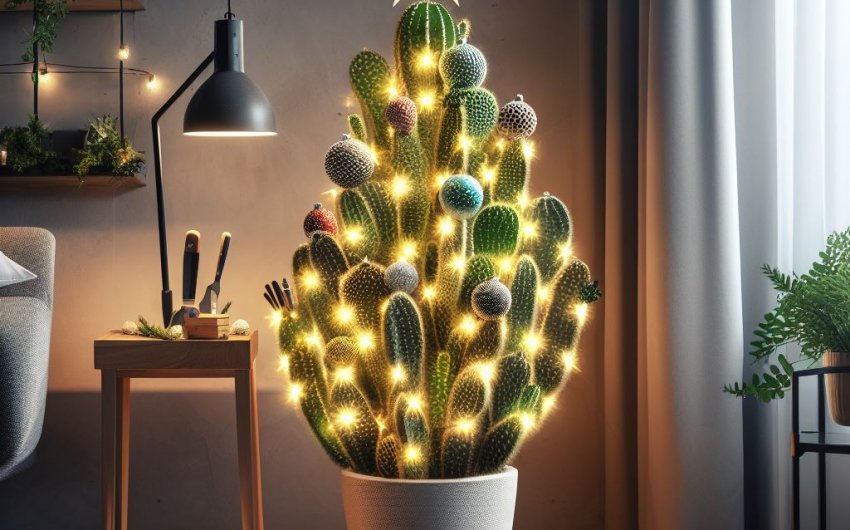
Cactus Christmas trees blend tradition with modern gardening trends by offering a sustainable, reusable, and unique alternative to conventional evergreens, catering to eco-conscious and aesthetically diverse holiday decor. This trend integrates low-maintenance succulents into festive displays, reflecting a growing appreciation for desert aesthetics and innovative living traditions.
Why are cactus Christmas trees gaining popularity in modern homes?
Cactus Christmas trees are a fascinating blend of holiday tradition and contemporary gardening trends, rapidly gaining popularity in modern homes. They represent a refreshing departure from conventional evergreens, offering a unique, sustainable, and distinctly aesthetic alternative for festive decor. This growing trend reflects a broader shift towards eco-conscious living, personalized aesthetics, and an appreciation for the rugged beauty of desert flora.
What defines "traditional" Christmas trees and their appeal?
The traditional evergreen Christmas tree holds deep cultural significance and a universally recognized appeal.
- Symbolism: Evergreens symbolize life, renewal, and hope during the winter solstice, a tradition stretching back centuries and formalized in Victorian times.
- Aesthetic: The classic conical shape, deep green needles, and fresh pine scent are synonymous with the holiday season, evoking nostalgia and warmth.
- Family Ritual: Decorating a traditional tree is a cherished family ritual, creating memories and a focal point for celebrations.
- Fragrance: The natural scent of pine or fir is a powerful sensory trigger for holiday feelings.
What are "modern gardening trends" influencing holiday decor?
Contemporary gardening is moving towards more sustainable, personalized, and efficient practices, directly impacting holiday decorating choices.
- Sustainability and Eco-Consciousness: A strong desire to reduce waste, reuse resources, and minimize environmental impact. This includes questioning single-use items and supporting eco-friendly alternatives.
- Minimalism and Modern Aesthetics: A preference for clean lines, natural textures, and uncluttered spaces. Decorative choices often lean towards unique, sculptural, or unconventional elements.
- Houseplant Popularity: A massive surge in houseplant enthusiasm, driven by urban living, biophilic design (connecting with nature), and mental wellness benefits. Plants are increasingly seen as living decor.
- Drought-Tolerant Landscaping/Xeriscaping: A growing appreciation for plants that thrive with minimal water, reflecting concerns about water conservation.
- Desert and Southwestern Aesthetic: A rising interest in decor and design inspired by arid landscapes, with their unique textures, earthy tones, and resilient flora.
- DIY and Personalization: A desire to create unique, handmade, or personalized decor that reflects individual style rather than mass-produced items.
How do cactus Christmas trees bridge this gap?
Cactus Christmas trees perfectly intersect these traditional values with modern trends, creating a new holiday classic.
- Sustainable Alternative: They directly address the environmental concerns of cut trees (waste, transportation) and artificial trees (non-biodegradable plastic) by being reusable living plants.
- Unique Aesthetic: Their sculptural form and often minimalist appeal fit perfectly into modern decor, offering a fresh take on the traditional tree shape.
- Embraces Houseplant Trend: Integrates beloved cacti and succulents into holiday celebrations, treating them as living decor.
- Celebrates Regionality: Relevant for those in desert climates, but also brings a touch of exoticism to colder regions.
- DIY and Personalization: Provides a fantastic canvas for creative, handmade, and themed decorations, fostering unique family traditions.
- Low Maintenance: Appeals to busy lifestyles that still desire greenery and festive charm without extensive upkeep.
Cactus Christmas trees are not just a passing fad; they are a meaningful evolution in holiday decor, reflecting a deeper connection to sustainability, personal expression, and the enduring beauty of the natural world.
Why are cactus Christmas trees a sustainable alternative to traditional trees?
The environmental footprint of holiday celebrations is increasingly under scrutiny. In this context, the cactus Christmas tree emerges as a compelling and genuinely sustainable alternative to both cut evergreens and artificial trees, championing reusability, resource conservation, and waste reduction.
How do cactus Christmas trees reduce landfill waste?
This is the most direct and significant environmental advantage of a living cactus Christmas tree.
- Reusable Year After Year: A living cactus, unlike a cut tree, can be decorated for the holidays annually, for many years, often for decades.
- Benefit: This eliminates the need to dispose of a tree in a landfill each year, significantly reducing seasonal organic waste.
- No Methane Production: When organic matter (like a cut Christmas tree) decomposes in oxygen-deprived landfills, it produces methane (CH₄), a potent greenhouse gas. By choosing a reusable living plant, you prevent this methane generation.
- No Non-Biodegradable Waste (from the tree itself): Artificial trees, primarily made of PVC plastic and metal, are non-biodegradable and eventually end up in landfills, persisting for centuries. A living cactus avoids this.
- Post-Holiday Life: After the festive season, the cactus seamlessly returns to its role as a beautiful houseplant or garden specimen, rather than becoming trash.
How do cactus Christmas trees conserve natural resources?
Their inherent low-resource nature makes cacti an excellent choice for environmental conservation.
- Minimal Water Needs: Cacti are extremely drought-tolerant. They store water in their specialized stems, requiring very infrequent watering, especially during winter dormancy or slowed growth.
- Benefit: This conserves significant amounts of water compared to maintaining a cut tree (which needs hydration) or the water-intensive manufacturing processes of artificial trees.
- Reduced Transportation Emissions:
- Cut Trees: Involve extensive transportation from farms to retail lots, releasing carbon dioxide (CO₂) from fossil fuels.
- Artificial Trees: Predominantly manufactured in Asia, requiring vast international shipping.
- Cactus: Often sourced locally from nurseries or propagated from cuttings, minimizing transportation miles and associated CO₂ emissions.
- Avoids Plastic and Metal Production: Choosing a living cactus avoids the resource extraction, energy consumption, and pollution associated with the production of PVC plastic and metal components for artificial trees.
- Sustainable Cultivation: Cacti are resilient and typically require minimal fertilizers or pesticides compared to some commercially grown evergreens.
How do cactus Christmas trees contribute to a healthier indoor environment?
Beyond waste and resources, a living plant enhances your home.
- Indoor Air Quality: Like all living plants, cacti contribute to improving indoor air quality by absorbing carbon dioxide and releasing oxygen during photosynthesis. Some studies suggest plants can also help filter certain volatile organic compounds (VOCs).
- Biophilic Benefits: Bringing a living plant indoors, especially during the often bleak winter months, can reduce stress, improve mood, and foster a connection to nature, contributing to mental well-being.
- No Allergens (Hypoallergenic): Many people suffer from allergies to pine sap or pollen from traditional evergreens. Cacti offer a natural, hypoallergenic alternative.
A cactus Christmas tree is more than just a novelty; it's a powerful statement for sustainable living, actively reducing waste, conserving resources, and promoting environmental consciousness throughout the holiday season, year after year.
How do cactus Christmas trees align with modern gardening and decor trends?
The popularity of cactus Christmas trees is not just about sustainability; it's deeply rooted in their seamless alignment with contemporary gardening philosophies and evolving interior design aesthetics. They tap into a desire for unique, personalized decor and a greater connection to nature, even in urban settings.
1. Embracing the Houseplant Boom and Biophilic Design.
Cactus Christmas trees are a natural extension of the booming houseplant trend.
- Living Decor: Plants are increasingly viewed not just as accessories, but as integral components of home decor, bringing life, texture, and color indoors. A cactus Christmas tree capitalizes on this by transforming a regular houseplant into a festive focal point.
- Biophilic Design Principles: Biophilic design emphasizes integrating natural elements into built environments to improve well-being. A living cactus tree brings a unique piece of nature indoors, fostering a calming and refreshing atmosphere.
- Year-Round Greenery: Unlike cut trees that are temporary, the cactus offers continuous greenery and an ongoing connection to nature beyond the holiday season.
- Low-Maintenance Appeal: The resilience and low-water needs of cacti appeal to busy modern lifestyles that desire greenery without extensive upkeep.
2. The Rise of Desert Aesthetics and Southwestern Charm.
The unique beauty of arid landscapes has captured contemporary imagination.
- Modern Minimalist Style: The sculptural forms, clean lines, and often muted tones of cacti blend perfectly with modern, minimalist, and Scandinavian-inspired interiors, adding organic texture without clutter.
- Southwestern & Boho Chic: There's a growing appreciation for Southwestern, bohemian, and rustic aesthetics. A cactus Christmas tree, especially when decorated with natural, earthy, or vibrant jewel-toned elements, fits perfectly into these styles.
- Unique Textures: Cacti offer a fascinating array of textures (smooth, ribbed, fuzzy, spiny) that add visual interest and depth to decor palettes.
- Neutral Palettes: Many cacti have subtle, earthy green or silvery-blue hues that act as a neutral backdrop, allowing holiday decorations to pop without clashing.
3. Personalization and DIY Culture.
Cactus Christmas trees are a fantastic canvas for individual expression.
- Creative Freedom: They encourage a highly personalized approach to holiday decorating. Gardeners can experiment with different themes, colors, and types of lightweight ornaments (handmade, natural, modern minimalist).
- DIY Appeal: The project itself is a fun DIY endeavor, allowing individuals to create something unique and meaningful that reflects their own style, rather than relying on mass-produced decorations.
- Customization: From the choice of cactus (tall columnar, branching, unique specimen) to the type of pot, lighting, and ornaments, every aspect can be customized to suit individual tastes and home decor.
4. Sustainability as a Core Value.
The eco-friendly aspect resonates strongly with modern consumer values.
- Conscious Consumption: Modern consumers are increasingly seeking ways to reduce their environmental footprint and make sustainable choices in all aspects of their lives, including holiday decor.
- Resource Efficiency: The low water and resource demands of cacti align with a desire for greater efficiency and less waste.
- Ethical Choices: Choosing a living, reusable plant over disposable options reflects a commitment to ethical and responsible consumerism.
By blending the deep-rooted appeal of a living plant with modern desires for sustainability, unique aesthetics, and personal expression, cactus Christmas trees have carved out a distinct and growing niche in the landscape of holiday decor. They are not just decorations; they are statements about a lifestyle.
How do I care for and decorate my cactus Christmas tree sustainably?
Caring for and decorating your cactus Christmas tree sustainably ensures its longevity, health, and reusability, maximizing its eco-friendly benefits year after year. This involves mindful decoration choices, adapted care routines, and a commitment to preserving the living plant.
What are sustainable decorating tips for a cactus Christmas tree?
Choosing the right decorations minimizes impact and protects your plant.
- Lightweight Ornaments (Crucial):
- DO: Prioritize extremely lightweight ornaments made from natural materials (dried citrus, wood, paper, felt), or light plastics.
- Why: Heavy ornaments can damage delicate cactus branches or spines.
- DON'T: Use heavy glass, ceramic, or metal ornaments.
- Non-Damaging Attachment:
- DO: Use miniature clips, loose loops of string/yarn, or delicate floral wire that gently attach to spines or branches without piercing or tightly constricting the plant.
- Why: Direct piercing or tight wrapping can wound the cactus, creating entry points for pathogens and causing rot.
- A common option is miniature ornament clips.
- LED Fairy Lights (Battery-Operated):
- DO: Use small, battery-operated LED fairy lights.
- Why:
- LEDs: Produce very little heat, essential for not scorching cactus tissue.
- Battery-operated: No bulky cords, easy to drape loosely, no constant energy draw from an outlet.
- DON'T: Use traditional incandescent lights, which generate heat.
- Natural and Upcycled Decor:
- DO: Incorporate natural elements like dried berries (tied), small pine cones, cinnamon sticks, or upcycled craft items (paper cutouts, felt figures).
- Why: Eco-friendly, biodegradable, and adds to the desert aesthetic.
- Minimize Plastic:
- DO: Opt for decorations made from natural, reusable, or recycled materials over new plastic items.
- Even Distribution:
- DO: Distribute decorations evenly across the cactus to balance the weight and visual appeal.
How do I care for a decorated cactus during the holidays?
The cactus is still a living plant, even when decorated, and its basic needs must be met.
- Light Exposure (Maintain):
- DO: Ensure your cactus continues to receive its optimal amount of bright, direct sunlight (for most desert cacti). If its spot is now darker due to decorations or being moved, supplement with LED grow lights.
- Why: Lack of light will stress the plant.
- Watering (Adapt):
- DO: Continue infrequent watering (only when soil is completely dry) adapted for winter dormancy.
- DO: Bottom water (place pot in a basin of shallow water for 15-30 minutes) to avoid wetting the cactus body and decorations.
- DON'T: Top water, as this increases rot risk and can damage decorations.
- DO: Ensure thorough drainage after watering. A soil moisture meter helps accurate readings.
- Temperature and Humidity (Stable):
- DO: Maintain moderate indoor temperatures (60-75°F / 15-24°C) and dry air (avoid misting).
- DON'T: Place near heat vents or cold drafts.
- Pest Vigilance:
- DO: Regularly inspect for pests (especially mealybugs, spider mites) as stressed plants are vulnerable. Remove decorations from affected areas and spot treat with rubbing alcohol on a cotton swab or insecticidal soap.
How do I ensure long-term reusability and sustainability?
The post-holiday phase is crucial for the cactus's next year.
- Gentle Undecorating:
- DO: Carefully remove all ornaments and lights after the holidays, avoiding any pulling or tearing.
- Inspect and Assess:
- DO: Inspect the cactus for any signs of stress, damage, or hidden pests. Address any issues promptly.
- Return to Normal Care:
- DO: Immediately return the cactus to its optimal, year-round care routine and location, allowing it to recover and thrive.
- Store Decorations Sustainably:
- DO: Carefully store all reusable decorations for next year, prolonging their life cycle.
- DON'T: Discard decorations after one use.
By embracing these sustainable care and decorating practices, your cactus Christmas tree becomes more than just a decoration; it's a cherished, living symbol of eco-friendly celebration, bringing unique beauty and conscious living to your holidays for many years to come.