
Sustainable Holiday Decor: Why a Cactus Christmas Tree is an Eco-Friendly Choice
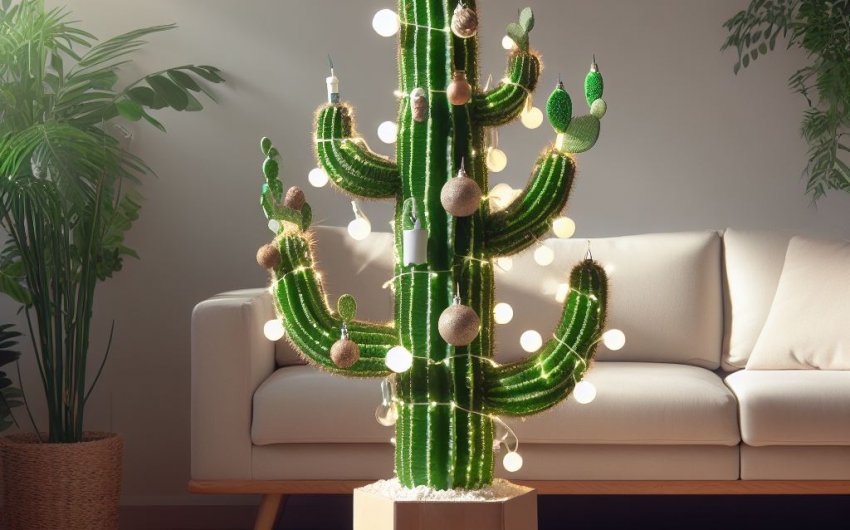
A cactus Christmas tree is an eco-friendly choice for sustainable holiday decor primarily because it is reusable year after year, significantly reducing waste associated with single-use cut trees. Beyond its reusability, it requires minimal resources (water, energy), offers a unique aesthetic, and promotes a conscious shift towards sustainable living during the festive season.
Why are traditional Christmas trees not always sustainable?
For many, the scent of fresh pine is synonymous with Christmas. However, the tradition of a cut Christmas tree, while beloved, carries a significant environmental footprint that often goes unexamined. Understanding the impact of traditional trees is the first step in appreciating why sustainable holiday decor, like a cactus Christmas tree, offers a more eco-friendly alternative.
What are the environmental concerns of cut Christmas trees?
The journey from seedling to living room for a cut Christmas tree involves various environmental impacts.
- Carbon Footprint of Cultivation:
- Land Use: Christmas tree farms often convert natural habitats into monocultures, reducing biodiversity.
- Pesticides and Herbicides: Many commercial farms use synthetic pesticides and herbicides to control weeds and pests, which can contaminate soil and water, harming local ecosystems and beneficial insects.
- Fertilizers: Synthetic fertilizers are often used, contributing to water pollution (eutrophication) if runoff occurs.
- Water Use: Irrigation is often required, particularly in drier climates.
- Transportation Emissions:
- Fossil Fuels: Cut trees are harvested and transported long distances (often hundreds or thousands of miles) from farms to retail lots. This involves trucks burning fossil fuels, releasing significant carbon dioxide (CO₂) and other pollutants into the atmosphere.
- Waste and Landfill Contribution:
- Limited Recycling: While many communities offer tree recycling programs (for mulching), a significant number of cut trees still end up in landfills.
- Methane Production: When organic matter (like a Christmas tree) decomposes in oxygen-deprived landfills, it produces methane (CH₄), a potent greenhouse gas that is far more effective at trapping heat than CO₂.
- Deforestation (Myth vs. Fact):
- Fact: Christmas tree farms do not contribute to deforestation of natural forests. They are agricultural crops grown specifically for harvest.
- Caveat: The land used for these farms could potentially be used for other ecological purposes (e.g., rewilding, native habitat restoration) if not for Christmas tree cultivation.
- Impact on Soil: Intensive farming practices on some tree farms can deplete soil health over time.
What about artificial Christmas trees? Are they more sustainable?
Artificial Christmas trees present a different set of environmental concerns, and their sustainability is often debated.
- Material Composition:
- Plastic (PVC): Most artificial trees are made from polyvinyl chloride (PVC), a non-biodegradable plastic. PVC production is energy-intensive and can release toxic chemicals (e.g., dioxins).
- Metal: The metal components are also resource-intensive to produce.
- Manufacturing and Transportation Emissions:
- Global Supply Chain: The vast majority of artificial trees are manufactured in Asia, requiring extensive international shipping. This results in a substantial carbon footprint from fossil fuel consumption.
- Non-Biodegradable Waste:
- Landfill Destination: At the end of their life (typically 6-10 years), artificial trees are almost impossible to recycle due to their mixed materials. They end up in landfills, where they persist for centuries.
- Durability Factor: For an artificial tree to be more environmentally friendly than a cut tree, it typically needs to be reused for at least 10-20 years to offset its initial environmental impact. Many consumers replace them more frequently.
Understanding the environmental footprint of both traditional cut and artificial Christmas trees highlights the need for truly sustainable holiday decor choices.
Why is a cactus Christmas tree an eco-friendly choice for sustainable holiday decor?
A cactus Christmas tree stands out as a genuinely eco-friendly choice for sustainable holiday decor, offering a blend of reusability, minimal resource consumption, and a unique aesthetic. It champions a shift towards conscious consumption during the festive season, aligning perfectly with sustainable living values.
1. Reusability and Waste Reduction: Year after year.
This is the most significant environmental advantage of a living cactus Christmas tree.
- Long-Term Use: A living cactus can be decorated year after year, decade after decade.
- Benefit: This drastically reduces waste that would otherwise go to landfills (from cut trees or discarded artificial trees). It embodies the principle of "reduce, reuse, recycle."
- Sustainable Sourcing: You purchase the plant once and continue to enjoy it, rather than contributing to an annual demand for cut trees or the production of new artificial ones.
- Zero Landfill Contribution (from the tree itself): As long as the cactus remains healthy, it never contributes to landfill waste. If it eventually dies, its organic matter can be composted.
2. Minimal Resource Consumption: Water and Energy.
Cacti are naturally adapted to arid environments, making them inherently low-resource plants.
- Low Water Needs: Cacti are extremely drought-tolerant. They store water in their stems, requiring very infrequent watering, especially during winter dormancy or slowed growth.
- Benefit: This conserves significant amounts of water compared to keeping a cut tree hydrated or the water consumption in artificial tree manufacturing.
- Reduced Energy Footprint (vs. Artificial):
- Benefit: Choosing a living cactus avoids the substantial energy and fossil fuel consumption associated with manufacturing and transporting artificial trees from overseas.
- Local Sourcing: Cacti are often grown locally or regionally, or propagated from cuttings, minimizing transportation miles compared to manufactured artificial trees.
3. Supports Indoor Air Quality: Living Carbon Sink.
Like all living plants, a cactus contributes positively to its indoor environment.
- Carbon Sequestration: While a single cactus won't solve climate change, as a living plant, it continuously absorbs carbon dioxide (CO₂) from the atmosphere for photosynthesis, essentially acting as a miniature carbon sink within your home.
- Oxygen Production: It releases oxygen as a byproduct of photosynthesis.
- Air Filtration: Living plants help filter indoor air, removing some volatile organic compounds (VOCs) and improving overall air quality, contributing to a healthier home environment.
4. Promotes Mindful Consumption and Creativity.
A cactus Christmas tree encourages a more thoughtful approach to the holidays.
- Shifts Perspective: Challenges the consumerist mindset of disposable holiday decorations, promoting mindfulness about environmental impact.
- Inspires Creativity: Encourages DIY ornaments and upcycled decorations, further reducing waste and personalizing your decor.
- Educational for Families: Provides a tangible way to teach children about sustainability, plant life cycles, and making eco-conscious choices.
- Connection to Nature: Brings a living, natural element indoors, fostering a connection to nature even during the colder months.
By choosing a cactus Christmas tree, you're not just selecting a decoration; you're making a statement for sustainable living, significantly reducing your environmental footprint, and contributing to a more eco-friendly holiday season year after year.
How does a cactus Christmas tree compare to other sustainable holiday decor?
While the cactus Christmas tree offers unique advantages, it's helpful to understand how it fits into the broader landscape of sustainable holiday decor. Many eco-friendly options exist, and a balanced approach often involves combining several strategies to create a truly green and festive home.
Comparison Table: Cactus vs. Other Sustainable Tree Alternatives
| Feature | Cactus Christmas Tree | Living Potted Evergreen Tree | Artificial Tree (Reused 10+ Years) | Upcycled/DIY Tree Alternative |
|---|---|---|---|---|
| Reusability | Yes (living plant, year after year) | Yes (living plant, year after year) | Yes (if reused significantly) | Yes (if materials are reusable) |
| Waste Reduction | High (zero tree waste) | High (zero tree waste) | Moderate (reduces frequent disposal) | High (repurposes materials) |
| Carbon Footprint | Low (minimal resources, carbon sink) | Moderate (cultivation, some transport) | Moderate (high initial production, transport) | Varies (depends on materials) |
| Water Consumption | Very Low (drought-tolerant) | Moderate (needs regular watering) | Very Low (no plant to water) | Very Low |
| Allergy-Friendly | Yes | No (pollen, sap) | Sometimes (dust, material off-gassing) | Varies |
| Pest-Free (often) | Yes (if healthy) | Can harbor pests | No (but can collect dust) | Yes |
| Space-Saving | High (many compact varieties) | Moderate (can grow large) | High (collapsible) | High (can be very compact) |
| Aesthetic | Unique, modern, desert vibe | Traditional, natural | Traditional, uniform | Creative, eclectic |
| Post-Holiday Use | Continues as houseplant/garden plant | Can be planted outdoors (if suitable) | Stores in box | Stores/reused/recycled |
| Cost | Initial plant purchase, reusable | Initial plant purchase, reusable | Initial purchase, reusable | Varies |
What are other effective sustainable holiday decor strategies?
A truly eco-friendly holiday often involves combining several conscious choices.
- Support Local and Certified Farms:
- DO: If choosing a cut tree, buy from a local, family-run farm that uses sustainable practices. Look for certifications (e.g., "Grown & Certified") if available.
- Why: Reduces transportation emissions and supports environmentally responsible farming.
- Recycle Your Cut Tree:
- DO: Participate in local tree recycling programs. Most cities offer services to chip trees into mulch.
- Why: Prevents trees from ending up in landfills where they produce methane.
- Choose a Living Potted Evergreen:
- DO: Instead of a cut tree, decorate a potted evergreen (e.g., Norfolk pine, small conifer) that can be planted in your garden after the holidays (if hardy for your zone) or kept as a houseplant.
- Why: Reusable, air-purifying, and zero waste.
- Embrace Natural and Foraged Decor:
- DO: Decorate with pine cones, dried oranges, cinnamon sticks, berries, evergreens trimmings (from pruning your own plants), and popcorn garlands.
- Why: Biodegradable, zero waste, often free, and adds rustic charm.
- DIY and Upcycled Ornaments:
- DO: Get creative! Make ornaments from recycled materials (paper, cardboard, fabric scraps, old buttons).
- Why: Reduces waste and adds a personal touch.
- LED Lights:
- DO: Use energy-efficient LED Christmas lights.
- Why: Consume significantly less electricity than traditional incandescent lights, saving energy and reducing your carbon footprint.
- Reusable Decor:
- DO: Invest in high-quality, durable decorations that you love and can reuse year after year, rather than purchasing cheap, disposable items.
- Minimize Packaging:
- DO: Choose gifts and decor with minimal or recyclable packaging.
- Compost Food Waste:
- DO: Continue composting all your holiday food scraps (fruits, vegetables) to divert them from landfills.
By combining the unique sustainability of a cactus Christmas tree with other eco-conscious choices, you can create a truly green and festive holiday season that not only looks beautiful but also actively contributes to a healthier planet.
How do I care for my cactus Christmas tree to ensure its long-term health?
Ensuring the long-term health of your cactus Christmas tree is paramount for its reusability and sustainability. While cacti are generally low-maintenance, they are living plants, and their specific needs must be respected, especially during the temporary period of decoration and altered indoor conditions. Proper care safeguards your festive friend for many holidays to come.
What basic cactus care is needed year-round?
A healthy cactus is a resilient cactus, ready for its annual holiday transformation.
- Abundant Sunlight:
- DO: Most cacti require bright, direct sunlight for at least 6-8 hours daily year-round. Place them in your brightest window (south-facing is ideal in the Northern Hemisphere) or use supplemental LED grow lights if natural light is insufficient.
- Why: Essential for photosynthesis and preventing leggy, weak growth.
- Infrequent Watering:
- DO: Cacti are extremely drought-tolerant. Water thoroughly only when the soil is completely dry to the touch. This can mean once every 2-4 weeks in summer, and once every 4-8 weeks (or less) in winter when dormant.
- DON'T: Overwater, as this is the biggest killer of cacti, leading to root rot.
- Well-Draining Soil:
- DO: Use a specialized succulent/cactus potting mix that drains extremely quickly.
- DO: Ensure your pot has drainage holes.
- Moderate Temperatures (Protection from Frost):
- DO: Most cacti prefer warm to moderate temperatures (60-85°F / 15-29°C) and must be protected from frost. Bring them indoors if outdoor temperatures drop below 50°F (10°C).
- Good Air Circulation:
- DO: Cacti prefer dry air and good airflow. Avoid overly humid or stagnant environments.
- Minimal Fertilization:
- DO: Fertilize sparingly, if at all. A very diluted (1/4 strength) cactus-specific fertilizer once or twice during the active growing season (spring/summer) is usually sufficient.
What are specific care considerations for a decorated cactus in winter?
The period it's dressed up requires extra vigilance.
- Light Priority:
- DO: Ensure the decorated cactus still receives ample light. If its usual spot is now darker due to decorations or being moved, supplement with a grow light.
- Why: Decorations can cast shadows, further reducing already limited winter light.
- Watering Adaptations:
- DO: Continue infrequent watering. When watering, bottom water by placing the pot in a shallow basin of water for 15-30 minutes.
- DON'T: Top water, as this can get ornaments and the cactus body wet, promoting rot and discoloration around spines.
- DO: Always allow the pot to drain completely before returning it to its spot.
- Temperature Stability:
- DO: Avoid placing the decorated cactus near heat sources (radiators, vents) or in cold, drafty areas.
- Why: Decorations might insulate slightly, but rapid temperature swings are still harmful.
- Pest Monitoring (Heightened):
- DO: Inspect the cactus regularly for pests like mealybugs (often hiding in crevices) or spider mites (favored by dry indoor air).
- Why: Decorations can make pests harder to spot and treat.
- Treatment: If pests are found, carefully remove ornaments from the affected area and treat with rubbing alcohol on a cotton swab for mealybugs, or insecticidal soap/neem oil for spider mites (avoiding direct spray on ornaments).
- Physical Stress Check:
- DO: Periodically check that no ornaments are digging into the cactus tissue, constricting growth, or putting undue weight on branches. Adjust or remove as needed.
How do I safely transition the cactus after the holidays?
Undecorating requires care to prevent harm and return the cactus to its normal state.
- Gentle Undecorating:
- DO: Carefully remove all ornaments and lights, ensuring no spines are broken or plant tissue is torn.
- DON'T: Pull or yank decorations off.
- Inspect and Clean:
- DO: After undecorating, inspect the cactus thoroughly for any signs of stress, damage, or hidden pests that might have developed under the decorations.
- DO: Gently brush off any dust or residue from the decorations.
- Return to Normal Care:
- DO: Return the cactus to its normal, year-round care routine and its optimal location, adjusting light and watering as it transitions out of the decorated phase.
- Why: It needs to recover from any potential stress and resume its normal growth cycle.
By committing to these year-round care practices and being especially mindful during the holiday season, your cactus Christmas tree will not only be a unique and sustainable decoration but also a thriving, long-lived plant that can be cherished for many, many holidays to come.