
DIY Guide: Crafting a Mini Cactus Christmas Tree for Small Spaces
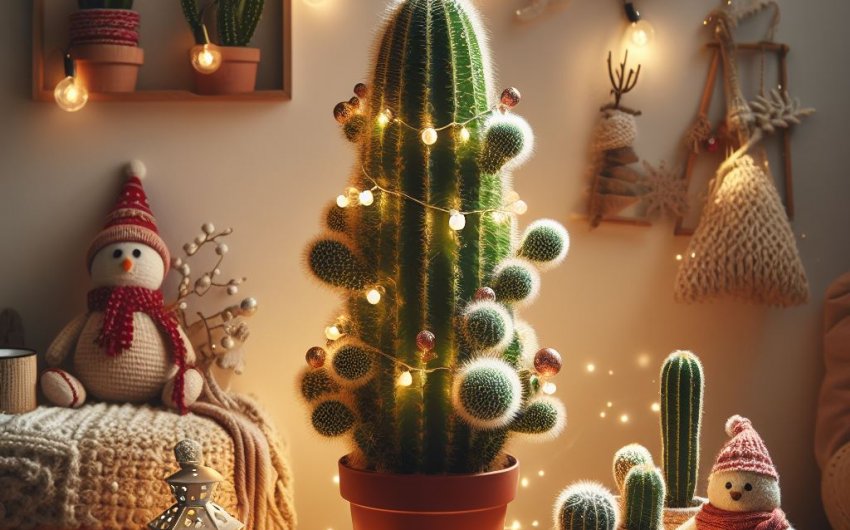
Crafting a mini cactus Christmas tree for small spaces is a fun DIY project that offers a unique, sustainable, and charming holiday decoration. To create one, choose a compact, upright cactus or succulent, use a festive planter, and adorn it with lightweight, battery-operated LED fairy lights and tiny, non-damaging ornaments, embracing a desert or minimalist theme.
Why create a mini cactus Christmas tree for small spaces?
A mini cactus Christmas tree is the perfect DIY solution for bringing unique holiday cheer into small living spaces, offering a sustainable and stylish alternative to traditional festive decor. Whether you live in an apartment, dorm room, or simply prefer a minimalist aesthetic, crafting a tiny, spiky tree provides all the festive charm without the bulk, mess, or environmental impact of a full-sized evergreen.
What are the benefits of a mini cactus Christmas tree for small spaces?
Opting for a mini cactus as your holiday centerpiece comes with a surprising array of advantages, especially when space is a premium.
- Space-Saving: This is the most obvious benefit. A potted cactus easily fits on a windowsill, desk, bookshelf, or small table, bringing festive decor to even the tiniest urban dwellings.
- Unique Aesthetic: It offers a wonderfully unconventional and charming look that stands out. It's a conversation starter that brings a touch of desert elegance and modern minimalism to the holidays.
- Sustainable and Reusable: A living cactus can be decorated year after year, dramatically reducing waste associated with single-use cut trees. It's an eco-friendly choice that aligns with sustainable living.
- Low Maintenance (Year-Round): Cacti are famously drought-tolerant and require minimal care, even during the holiday season. No daily watering or needle drops to contend with.
- Allergy-Friendly: For individuals sensitive to pine sap or evergreen pollen, a cactus offers a hypoallergenic alternative.
- Cost-Effective: While there's an initial investment in the cactus and decorations, you save money year after year by reusing the same plant.
- DIY Creativity: It's a fun and easy DIY project that allows for personalized decoration, celebrating a unique blend of rugged desert charm and festive sparkle.
- Brightens Winter: Even in the depths of winter, a living green cactus reminds you of life and can be a delightful addition to your indoor garden.
What characteristics make a cactus "mini" and "tree-like"?
Selecting the right cactus or succulent is key to the success of your mini Christmas tree project.
- Compact Size: Look for cacti that are naturally small, slow-growing, or have a mature height of generally under 12-18 inches (30-45 cm).
- Upright, Columnar, or Branching Form: The ideal candidate will have a vertical, tree-like silhouette. This includes:
- Single-column cacti: Small, upright cylindrical forms.
- Miniature branching succulents: Like certain small jade varieties.
- Cluster-forming succulents: That can be arranged to look like a small shrub.
- Manageable Spines (Preferable): While thick gloves are a must for any cactus, varieties with fewer, smaller, or less rigid spines are much easier and safer to decorate. Spineless succulents are even better.
- Sturdy Structure: The plant should have a robust enough form to support lightweight ornaments and fairy lights without being damaged.
- Potting Stability: Ensure the plant is in a stable pot that won't easily tip.
By choosing a compact, tree-like cactus or succulent, you create a charming, space-saving, and sustainable centerpiece that truly embodies the spirit of a mini desert Christmas.
How do I select the perfect cactus or succulent for my mini Christmas tree?
Choosing the ideal plant for your mini cactus Christmas tree is the most important decision for a successful project. You need a plant that not only has a tree-like form but also thrives in indoor conditions and is safe and easy enough to decorate.
What are the best compact cactus varieties for this project?
Look for cacti with a distinct upright or clumping, tree-like form that stay relatively small.
- Pencil Cactus (Euphorbia tirucalli):
- Why it's great: Not a true cactus but a succulent, it has numerous slender, branching, cylindrical stems that perfectly mimic a small, minimalist tree. It's virtually spineless, making it very safe and easy to decorate.
- Care: Needs bright light, well-draining soil, infrequent watering. Sap can be an irritant.
- A popular choice is Pencil Cactus plant.
- Fairy Castle Cactus (Acanthocereus tetragonus f. monstrosus):
- Why it's great: This slow-growing columnar cactus produces numerous irregular, columnar stems that resemble a miniature castle or a cluster of tiny tree trunks. It has small spines but its overall form is charming.
- Care: Bright light, well-draining soil, infrequent watering.
- "Ladyfinger Cactus" (Mammillaria elongata):
- Why it's great: Forms dense clumps of small, finger-like columns, often creating a multi-stemmed bush that can be decorated. Its spines are often soft or less aggressive.
- Care: Bright light, well-draining soil, infrequent watering.
- Small Columnar Cacti (Cleistocactus strausii, young Pilocereus, Espostoa melanostele):
- Why they're great: Many young columnar cacti offer a classic tree-like silhouette. Look for varieties that have softer spines or fuzzier textures.
- Care: Full sun, well-draining soil, infrequent watering.
- *Holiday Cactus (Schlumbergera spp.) (Bonus non-cactus):*
- Why it's great: While technically an epiphytic cactus, its cascading, flat segments burst with vibrant winter blooms, making it naturally festive without decoration. It's a "Christmas cactus" in its own right!
- Care: Bright, indirect light, consistent moisture (more than desert cacti).
What large succulents are ideal for a "Christmas Tree" look?
Some large, upright succulents can also serve as fantastic "Christmas trees," often with the added benefit of being spineless or having very soft spines.
- Jade Plant (Crassula ovata and cultivars like 'Gollum'):
- Why it's great: Develops a sturdy, woody trunk and branches over time, creating a classic tree silhouette. 'Gollum' jade has unique, tubular leaves for an even more whimsical look. Generally spineless.
- Care: Bright, indirect light with some direct sun, infrequent watering when dry, well-draining succulent mix.
- Aloe (Aloe arborescens, 'Christmas Carol' Aloe):
- Why it's great: Mature Aloe arborescens can form a tree-like shrub. Smaller aloes, especially those with red-tipped leaves, can be decorated effectively.
- Care: Bright light, well-draining succulent mix, infrequent watering.
How do I choose a healthy plant from the nursery?
Inspect your chosen cactus or succulent carefully to ensure it's a robust specimen.
- Vibrant, Consistent Color: The plant should have a healthy, consistent color appropriate for its species. Avoid yellowing, browning, or pale/washed-out sections (unless it's natural variegation).
- Firmness: The plant should feel firm and plump, not soft, mushy, or shriveled.
- No Pests: Carefully inspect all parts of the plant – tops and undersides of leaves, stems, in between spines, and the soil surface – for any signs of pests (white cottony masses, tiny spots, webbing, visible insects). A magnifying glass for plant inspection can be useful.
- No Spots or Lesions: Avoid any plants with black, brown, or mushy spots, which can indicate rot or disease.
- Good Root System: Gently try to lift the plant from its pot. The roots should be white or light-colored and fill the pot somewhat, but not be tightly circling and matted at the bottom (indicating it's severely root-bound).
- Dry Soil: Ideally, the plant should be in dry soil at the nursery, a sign of proper care.
By making a thoughtful and informed choice about your cactus or succulent, you lay the strongest foundation for creating a healthy, long-lasting, and beautiful mini Christmas tree that perfectly suits your small space.
How do I prepare my chosen cactus for safe decoration?
Preparing your cactus for its festive transformation is crucial. This step involves ensuring its health, protecting yourself from its spines, and taking measures to prevent any harm to the plant during decoration. Proper preparation ensures a smooth, safe, and enjoyable DIY experience.
1. Ensure the cactus is healthy and stable.
A healthy base is vital for a successful display.
- Health Check:
- DO: Make sure your cactus is healthy, hydrated, and free from pests or disease before decorating. Decorating a stressed plant adds unnecessary burden.
- DON'T: Decorate a cactus that is already struggling.
- Pot Stability:
- DO: Ensure your cactus is planted in a sturdy, heavy pot that won't easily tip over once decorations are added. If it's in a lightweight nursery pot, place it inside a heavier decorative planter.
- DO: Consider placing decorative pebbles or sand around the base in the pot. This not only looks good but adds stability and covers the soil.
- A common option is decorative river pebbles.
- Watering Pre-Decoration:
- DO: Water your cactus a few days before you plan to decorate, giving it ample time to absorb water and the soil to dry out.
- Why: You want the cactus to be well-hydrated, but avoid watering during or immediately after decorating to prevent excess moisture around new attachments.
2. Gather essential safety gear.
Protect yourself from those spines!
- Thick, Puncture-Resistant Gloves (Non-Negotiable):
- DO: Invest in heavy-duty leather gardening gloves or specialized cactus handling gloves. Even for seemingly "soft" spines, protection is crucial.
- Why: Standard fabric gloves are insufficient and will not prevent pricks.
- Long-Handled Tongs:
- DO: Keep a pair of long-handled tongs or sturdy tweezers handy.
- Why: Useful for gently maneuvering the cactus, positioning ornaments, or picking up any fallen spines without direct hand contact.
- Old Towel/Newspaper:
- DO: Have a thick towel or a stack of newspaper on hand.
- Why: You can use these to gently brace or stabilize the cactus if needed, or to clean up any stray spines.
- Good Lighting:
- DO: Ensure you are working in a well-lit area so you can clearly see what you're doing and avoid accidental contact with spines.
- First Aid Kit (Just in Case):
- DO: Have rubbing alcohol, adhesive tape, and tweezers nearby for removing any stray glochids or spines.
3. Clean the cactus surface.
A clean cactus looks better and photosynthesizes efficiently.
- DO: Gently brush off any accumulated dust or debris from the cactus surface with a soft paintbrush, a soft-bristled brush, or a very light blast of air from a can.
- DON'T: Use water to spray down the cactus, especially not with soap, which can leave residue or promote rot in crevices.
4. Plan your decoration strategy.
A little planning goes a long way in preventing damage.
- Visualize Placement:
- DO: Before attaching anything, mentally (or physically with a few placeholder ornaments) map out where you want your lights and ornaments to go.
- Why: Helps with even weight distribution and overall aesthetic.
- Prioritize Cactus Health:
- DO: Remind yourself that the cactus's health is the top priority.
- DON'T: Force ornaments into spines or tight crevices. Avoid anything that could pierce, break, or abrade the cactus tissue.
- Why: Damaged spines or skin can be entry points for pathogens, leading to rot.
- Balance Weight:
- DO: Distribute the weight of lights and ornaments evenly across the cactus's structure.
- DON'T: Overload one branch or side, which could cause breakage.
By meticulously following these preparation steps, from donning protective gear to planning your decorating strategy, you ensure a safe and enjoyable DIY experience, resulting in a beautifully decorated cactus Christmas tree that remains healthy throughout the holiday season.
What are the best lights and ornaments for a mini cactus Christmas tree?
Decorating a mini cactus Christmas tree successfully hinges on selecting the right lights and ornaments. The key is to prioritize lightweight, low-heat, and non-damaging options that respect the cactus's unique structure and ensure its health while creating a dazzling festive desert vibe.
What are the best lighting options for a cactus Christmas tree?
Lighting sets the ambiance, but cactus safety is paramount.
- Battery-Operated LED Fairy Lights:
- DO: Opt for small, lightweight, battery-operated LED fairy lights (often called "rice lights" or "micro LED string lights").
- Why:
- Lightweight: Crucial for minimizing weight on delicate branches or columns.
- Battery-Operated: Eliminates the need for external power cords, reducing clutter, trip hazards, and allowing flexible placement anywhere.
- LED (Cool): LEDs generate very little heat. This is essential, as heat can stress or damage sensitive cactus tissue.
- Small Wires: The fine wires are easy to gently drape and less likely to cause damage.
- A common option is LED fairy lights battery operated.
- Placement:
- DO: Gently drape the lights loosely over the cactus, weaving them between branches or around columns.
- DON'T: Tightly wrap wires around spines or stems, which could constrict growth, leave marks, or cause damage. Allow for natural expansion.
- Color/Theme:
- DO: Choose warm white for a classic, subtle glow, or color-changing LEDs for a more whimsical effect. The choice contributes to your festive desert vibe.
What are the safest ways to attach ornaments to a cactus?
Minimizing direct contact and weight is key for non-damaging attachment.
- Miniature Clips (Clothesline-style):
- DO: Use tiny, lightweight clothesline clips or specialty miniature ornament clips.
- Why: These gently clip onto a single spine, an areole (the cushion from which spines grow), or the edge of a flat pad without piercing or stressing the plant tissue. They are easy to attach and remove.
- Loose Loops of String/Yarn:
- DO: Use very thin, lightweight string, clear fishing line, or fine yarn tied in loose loops around branches, pads, or sturdy spines.
- Why: Allows ornaments to hang without direct spine damage.
- DON'T: Tie tightly, which could constrict growth or leave marks.
- Balancing/Resting Ornaments:
- DO: For very lightweight ornaments, gently balance or rest them on stable branches, between ribs, or on top of pads.
- Why: Utilizes the cactus's natural structure without needing attachments.
- Magnet Attachments (for flat-sided cacti):
- DO: For cacti with relatively flat surfaces (like certain Opuntia, if you dare), tiny magnets glued to the back of lightweight ornaments can provide non-damaging attachment.
- Why: Attaches without piercing.
- Caution: Ensure the magnets are strong enough for the ornament and won't fall.
What types of lightweight ornaments work best for cacti?
Prioritize materials that are light, won't damage the plant, and complement your theme.
- Miniature Ornaments:
- DO: Focus on tiny, lightweight ornaments made from plastic, felt, fabric, paper, or very thin wood.
- Examples: Miniature bells, small plastic or felt balls, tiny bows, paper stars, felt cutouts, small pine cones (lightly wired).
- A common option is miniature lightweight Christmas ornaments.
- Natural Elements:
- DO: Incorporate lightweight natural decorations like dried berries (small, tied), tiny seed pods, cinnamon sticks, or very small, preserved flowers.
- Why: Complements the desert vibe beautifully.
- DIY Ornaments:
- DO: Get creative and make your own ornaments from craft foam, felt, paper, lightweight polymer clay, or even painted pasta.
- Benefits: Allows for complete personalization and ensures lightweight design.
- Avoid: Heavy glass ornaments, metal ornaments, anything with sharp edges, or ornaments that require piercing the cactus.
- Size and Weight Rule:
- DO: Always choose the smallest, lightest ornaments you can find to minimize stress on the cactus.
- DON'T: Overload the cactus with too many or too heavy ornaments. Distribute weight evenly across the entire plant.
By thoughtfully selecting lightweight, low-heat lights and non-damaging ornaments, and using safe attachment methods, you can beautifully adorn your mini cactus Christmas tree without compromising its health, creating a captivating and sustainable festive desert vibe for your small space.
How do I create a festive desert aesthetic for my mini cactus Christmas tree?
Transforming your mini cactus into a Christmas tree with a festive desert aesthetic involves more than just hanging ornaments. It's about consciously choosing a color palette, incorporating natural elements, and selecting unique ornaments that evoke the rugged beauty and magic of arid landscapes, blended with holiday charm.
What color palette captures the desert Christmas vibe?
The right colors will instantly set the desired mood, celebrating both festive joy and desert tranquility.
- Warm Earth Tones:
- DO: Incorporate rich, warm colors found in the desert. Think terracotta, sand, adobe red, rust, burnt orange, and deep brown. These reflect the natural hues of desert landscapes and rock formations.
- Why: Provides a grounded, authentic backdrop that complements the green of the cactus.
- Natural Greens:
- DO: The cactus itself provides a beautiful base green. Supplement with muted olive green or sage green elements, or small amounts of dried green botanicals.
- Vibrant Jewel Accents:
- DO: Add pops of bright, jewel-toned colors reminiscent of desert blooms, sunsets, or Native American art. Consider turquoise, coral, fuchsia, sunny yellow, or deep purple.
- Why: These vibrant accents provide festive sparkle and contrast against the earthy base.
- Metallic Glow:
- DO: Use gold, copper, or bronze metallics for a festive glow. These reflect light beautifully and evoke the warmth of a desert sunset or glimmering desert minerals.
- DON'T: Overdo it with stark silver or white if you want a warm desert feel, unless aiming for a starry night theme.
- Avoid: Bright, primary, or neon colors that might clash with the natural, rustic desert aesthetic.
What natural elements enhance the desert Christmas theme?
Bringing in textures and objects found in arid landscapes adds authenticity and depth to your design.
- Pebbles, Sand, and Gravel:
- DO: Cover the soil in the pot with a layer of smooth river pebbles, fine desert sand, or decorative gravel.
- Why: This creates a clean, decorative "desert floor" around the base of your mini tree and adds stability to the pot.
- A common option is decorative river pebbles.
- Dried Botanicals:
- DO: Incorporate small dried desert flowers, seed pods (e.g., mesquite pods, acacia pods), cotton bolls, or even tiny pieces of light-colored driftwood.
- Why: Adds authentic desert texture, form, and a rustic touch.
- Cinnamon Sticks and Star Anise:
- DO: Gently tie small bundles of cinnamon sticks or star anise.
- Why: These add a warm, spicy fragrance that evokes holiday comfort while still being a natural, earthy element.
- Mini Pine Cones:
- DO: Use very small, lightweight pine cones. You can leave them natural or gently bleach them for a sun-faded, desert-worn look.
- Why: Classic holiday texture that doesn't clash with the natural theme.
- Feathers:
- DO: Incorporate natural, ethically sourced feathers for an ethereal, light touch, reminiscent of desert birds.
What unique ornaments complete the desert Christmas look?
Crafting or selecting ornaments that specifically tie into the desert theme elevates the design, making it truly personal.
- Southwestern-Inspired Shapes:
- DO: Look for or create ornaments in shapes like coyotes, roadrunners, sun designs, chili peppers (dried or miniature replicas), saguaro outlines, thunderbirds, or desert flora.
- DO: Use small ornaments with patterns inspired by Native American pottery, weaving, or kachina designs.
- Rustic/Handmade Ornaments:
- DO: Opt for ornaments made from natural wood slices, felt cutouts, macrame, woven straw, or lightweight clay. These reinforce a handcrafted, earthy aesthetic.
- Cactus-Themed Miniatures:
- DO: Include tiny ornaments shaped like other cacti or succulents for a whimsical touch.
- Miniature Lanterns or LED Candles:
- DO: Small, battery-operated LED lanterns or candles can be nestled among the branches or around the base for a warm glow, mimicking desert luminarias.
- Subtle Sparkle:
- DO: Use glitter sparingly, or choose ornaments with a natural sheen (e.g., mica flakes, subtle metallic paint) that catch the light like desert sand.
- DON'T: Use excessive, chunky glitter that might harm the cactus.
Step-by-step guide to decorating for a festive desert vibe:
- Place Lights First: Gently drape your battery-operated LED fairy lights over the cactus, ensuring they are loosely woven and don't restrict growth.
- Add Larger, Focal Ornaments (Spaced Evenly): Place your chosen larger, desert-themed or vibrant jewel-toned ornaments first, distributing them evenly for balance. Use clips or loose ties.
- Fill with Smaller Accents and Natural Elements: Fill in gaps with smaller ornaments, dried botanicals, mini pine cones, and other textures.
- Base Decoration: Cover the soil with sand, pebbles, or decorative gravel. You can also place tiny wrapped gifts or miniature desert-themed figures around the base.
- Topper (Optional): Add a simple, lightweight topper if desired (e.g., a paper star, a small felt sun, or a mini wire coyote).
By consciously selecting colors, incorporating authentic desert elements, and choosing uniquely themed ornaments, you can transform your mini cactus into a stunning and festive Christmas tree that truly evokes a magical desert vibe for your small space, making your holidays uniquely charming.
How do I maintain my mini cactus Christmas tree through the holidays?
Maintaining a decorated mini cactus Christmas tree requires specific care to ensure both the plant's health and the longevity of your festive display. Unlike a cut evergreen, your cactus is a living organism with unique needs that must be respected throughout the holiday season to keep it thriving long after the decorations come down.
What are daily checks for cactus health while decorated?
Vigilance is key to ensuring your cactus remains healthy despite its temporary new role.
- Light Exposure:
- DO: Ensure your cactus continues to receive its optimal amount of bright, direct sunlight (for most desert cacti). If you've moved it indoors to a dimmer spot, it's crucial to provide supplemental LED grow lights for 12-16 hours a day.
- Why: Lack of light will stress the cactus, causing leggy growth, etiolation (stretching and weakening), or a dull appearance.
- Temperature:
- DO: Maintain moderate indoor temperatures, ideally between 60-75°F (15-24°C).
- DON'T: Place the cactus near cold drafts from windows or doors, or direct blasts of heat from radiators, vents, or fireplaces. These rapid temperature fluctuations or dry heat can severely stress the plant.
- Humidity:
- DO: Cacti generally prefer dry air. Ensure good air circulation around the decorated plant.
- DON'T: Mist a decorated cactus or place it near a humidifier. Excess moisture can promote fungal issues around the spines and lead to rot.
- Physical Stress:
- DO: Regularly check that no ornaments are digging into the cactus tissue, constricting growth, or putting undue pressure on individual branches or columns.
- Why: Damage can create entry points for pathogens, leading to rot.
- DO: Remove any ornaments that appear to be causing stress.
How do I water a decorated cactus safely in winter?
Watering is crucial, but requires careful adaptation for a decorated cactus in its winter dormancy/slowed growth period.
- Infrequent Watering (Still Key):
- DO: Cacti naturally require very infrequent watering, especially in winter when they are dormant or semi-dormant. Water thoroughly only when the soil is completely dry to the touch.
- Why: Overwatering is the biggest killer of cacti, and decorations can further impede drying.
- Bottom Watering (Highly Recommended):
- DO: To avoid getting ornaments, lights, or the cactus body wet, bottom water the decorated cactus. Place the entire pot in a basin of shallow water (1-2 inches deep) for 15-30 minutes, allowing the soil to soak up water from the drainage holes.
- DON'T: Top water, as this can get ornaments wet, create a humid environment around the cactus body, and potentially lead to rot or discoloration around the spines.
- Drain Thoroughly:
- DO: After bottom watering, remove the pot from the basin and allow it to drain completely for an hour or two.
- DON'T: Let the pot sit in standing water.
- Monitor Soil Moisture:
- DO: Use a soil moisture meter to accurately determine when the soil is completely dry before watering again. For many desert cacti in winter, this could be once every 3-6 weeks, or even longer.
How do I address pest control while the cactus is decorated?
Pest monitoring is still important, as dry indoor air can encourage spider mites.
- Regular Inspection:
- DO: Continue to visually inspect the cactus for signs of pests (especially mealybugs, which like to hide in crevices, and spider mites).
- DON'T: Assume decorations will deter pests.
- Targeted Treatment:
- DO: If you find pests, carefully remove any ornaments in the affected area.
- DO: For mealybugs, dab individual pests with a cotton swab dipped in rubbing alcohol. This spot treatment can often be done even with some decorations in place for minor issues.
- DON'T: Spray broad-spectrum insecticides on a decorated cactus. If a major infestation occurs, you may need to remove all decorations to treat thoroughly and avoid spraying ornaments.
How do I safely un-decorate my cactus after the holidays?
Removing decorations carefully prevents damage to the cactus.
- DO: Remove ornaments gently, ensuring no spines are broken or plant tissue is torn.
- DO: Carefully un-drape lights, again avoiding any snagging, pulling, or breakage of delicate stems.
- DO: Inspect the cactus for any signs of stress, damage, or hidden pests. Address any issues promptly.
- DO: Return the cactus to its normal, year-round care routine and its optimal location, adjusting light and watering as it transitions out of the decorated phase.
By meticulously following these maintenance guidelines, you can ensure your decorated mini cactus Christmas tree remains healthy and vibrant throughout the holiday season, providing a unique and sustainable centerpiece that can be cherished for many years to come.