
5 Unique Cactus Varieties Perfect for Your Christmas Tree Project
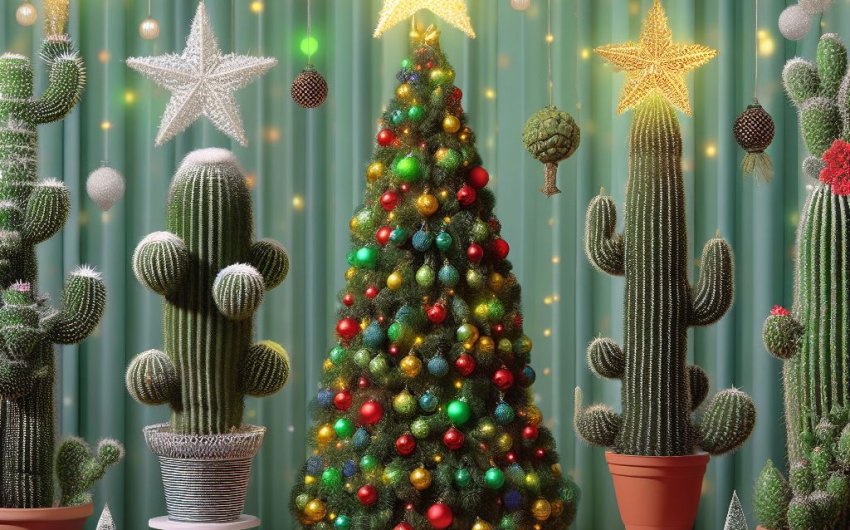
5 unique cactus varieties perfect for your Christmas tree project offer a fun, sustainable, and distinctly Southwestern twist to holiday decorating. Ideal choices include tall, columnar cacti, branching euphorbias, or large, sculptural succulents that provide an upright, tree-like silhouette, allowing for creative, non-damaging ornamentation.
Why choose a cactus for your Christmas tree project?
Choosing a cactus for your Christmas tree project is a fantastic way to embrace sustainability, express creativity, and add a uniquely Southwestern or desert vibe to your holiday decorations. Moving beyond traditional evergreens, a cactus offers a refreshing, eco-conscious alternative that stands out with its sculptural form and unconventional charm, proving that festive spirit can bloom in unexpected places.
What are the advantages of a cactus Christmas tree?
A cactus Christmas tree offers numerous compelling benefits, making it an increasingly popular choice.
- Unique and Eye-Catching: It's an instant conversation starter that brings an unexpected, modern, and artistic flair to holiday decor. It offers a fresh aesthetic alternative to traditional pine or fir.
- Sustainable and Reusable: Unlike a cut evergreen, a living cactus can be decorated year after year. This reduces waste and promotes a more eco-friendly approach to the holidays, aligning with sustainable living practices.
- Low Maintenance (Year-Round): Cacti are renowned for their drought tolerance and resilience. While holiday decorations require some care, the plant itself is low-fuss during the off-season.
- Regional Relevance: For those in desert climates, a cactus Christmas tree feels authentic and culturally relevant, celebrating local flora and landscape.
- Allergy-Friendly: For individuals with allergies to pine sap or pollen from evergreens, a cactus offers a hypoallergenic alternative.
- Space-Saving (Potentially): Smaller potted columnar cacti or large, upright succulents can fit well into compact urban homes or apartments where a traditional tree might be too large.
- Creative Decor Opportunities: It inspires unique decoration themes (desert, Southwestern, minimalist, vibrant jewel tones) that differ from conventional holiday palettes.
What to look for in a "Christmas Tree" cactus?
Not all cacti are suitable for decoration. Look for specific features that make them ideal candidates.
- Upright, Columnar, or Branching Form: The best cacti mimic a tree's silhouette. Tall, single columns or those with sturdy, upright branches are ideal.
- Manageable Spines: While you need thick gloves, cacti with fewer, larger, or less densely packed spines are easier and safer to decorate. Avoid species with tiny, barbed glochids (like Opuntia/prickly pear) which are notoriously irritating.
- Sturdy Structure: The cactus should have a robust, stable body capable of supporting lightweight ornaments without being damaged.
- Potting Stability: Ensure the cactus is planted in a heavy, stable pot that won't easily tip over once decorated.
- Health: Choose a healthy, thriving cactus. A stressed plant will be more susceptible to damage from decorations.
By understanding the unique benefits and selecting cacti with the right form and manageable spines, you're well on your way to creating a stunning and sustainable cactus Christmas tree that embodies a festive desert vibe.
1. Peruvian Apple Cactus (Cereus peruvianus)
The Peruvian Apple Cactus, often sold as Cereus repandus or Cereus uruguayanus, is an excellent choice for a living cactus Christmas tree due to its fast-growing, columnar habit and impressive size. Its sturdy, ribbed columns lend themselves well to decoration, offering a classic, architectural silhouette.
Why is the Peruvian Apple Cactus a great choice?
This cactus offers a blend of classic cactus appeal and manageable characteristics.
- Tree-like Form: It grows into a tall, upright, and often branching columnar cactus, naturally creating a tree-like silhouette that is perfect for a Christmas tree.
- Fast Growing: Compared to many other columnar cacti, Cereus peruvianus is relatively fast-growing, meaning you can achieve a good size for decoration sooner.
- Pronounced Ribs and Manageable Spines: Its columns have distinct ribs, and while it does have spines, they are typically fewer and less densely packed than some other cacti, making decoration slightly safer with thick gloves.
- Sturdy Structure: The mature columns are robust enough to support lightweight ornaments and fairy lights without damage.
- Outdoor/Indoor Versatility: Can be grown outdoors in warm climates (USDA Zone 9-11) or as a large potted specimen indoors in colder regions.
- Flowers and Edible Fruit: Mature plants produce large, night-blooming white flowers and can produce edible, red-skinned fruit (the "Peruvian apple"), adding another layer of interest.
Care Tips for a Peruvian Apple Cactus Christmas Tree:
- Light: Requires full sun (at least 6-8 hours daily) for best growth. Indoors, place in your brightest, south-facing window. Consider supplemental grow lights if natural light is insufficient.
- Watering: Water thoroughly only when the soil is completely dry to the touch, especially in winter. Overwatering is fatal. For a decorated tree, consider bottom watering to avoid wetting the cactus body.
- Soil: Use a well-draining succulent/cactus potting mix.
- Temperature: Prefers warm temperatures (above 50°F / 10°C). Protect from frost.
- Decorating Tip: Its ribbed structure makes it easy to drape lights along the columns. Use clips or loose ties for ornaments that can attach to individual spines or the edges of ribs.
2. Pencil Cactus (Euphorbia tirucalli)
The Pencil Cactus, while technically a succulent (Euphorbia tirucalli) and not a true cactus, is a highly popular choice for a "cactus Christmas tree" due to its distinctive, branching, stick-like form. Its almost spineless branches make it one of the safest and easiest options to decorate, creating a modern and intriguing holiday display.
Why is the Pencil Cactus a great choice?
This unique succulent offers exceptional ease of decoration and a striking minimalist aesthetic.
- Tree-like, Branching Form: It grows into a dense, upright shrub or small tree with numerous slender, cylindrical, branching stems (which resemble pencils). This natural architecture lends itself beautifully to a tree-like display.
- Virtually Spineless: This is its biggest advantage. It lacks the sharp spines of true cacti, making it significantly safer and easier to handle and decorate without injury.
- Modern Aesthetic: Its minimalist, sculptural form is perfect for contemporary or minimalist holiday decor.
- Fast Growing: Can grow quite quickly, allowing it to reach a good decorative size within a few years.
- Versatile Decoration: Its many branches provide ample points for hanging small, lightweight ornaments.
- Good for Indoors: Thrives as an indoor plant in a bright, sunny spot.
Care Tips for a Pencil Cactus Christmas Tree:
- Light: Requires full sun to bright indirect light. Place in a south-facing window for best growth and slight reddish tints on stems.
- Watering: Water thoroughly only when the soil is completely dry. It is very drought tolerant.
- Soil: Use a well-draining succulent/cactus potting mix.
- Temperature: Prefers warm temperatures (above 50°F / 10°C). Protect from frost.
- Caution (Sap): Its milky white sap can be an irritant to skin and eyes. Wear gloves when pruning or handling if stems break.
- Decorating Tip: Its many branches are perfect for draping battery-operated LED fairy lights. Small, lightweight clip-on ornaments or tiny loops of string are ideal.
3. Totem Pole Cactus (Lophocereus schottii f. monstrosus)
The Totem Pole Cactus is a fascinating, spineless variety of Lophocereus schottii known for its unique, knobby, convoluted columns. Its striking and somewhat whimsical form makes it a standout choice for a truly unconventional and artistic cactus Christmas tree, offering a distinct sculptural quality.
Why is the Totem Pole Cactus a great choice?
This cactus offers a truly unique and safe decorating experience.
- Spineless: This is its primary advantage for decoration. It is completely or nearly spineless, making it very safe and easy to handle and adorn.
- Unique, Sculptural Form: Its columns are not smooth but covered in undulating, warty, or knobby growths, giving it a distinctive "totem pole" appearance. This provides natural texture and character.
- Architectural Appeal: Its unusual, almost surreal form makes it a living art piece that stands out as a holiday centerpiece.
- Slow Growing: It grows slowly, meaning it maintains its size and form for a long time without needing frequent pruning.
- Branching Habit (Eventually): Over time, it can branch, further enhancing its tree-like silhouette.
Care Tips for a Totem Pole Cactus Christmas Tree:
- Light: Requires full sun for best growth and to maintain its unique texture. Place in your brightest, south-facing window.
- Watering: Water thoroughly only when the soil is completely dry. It is very drought tolerant.
- Soil: Use a well-draining succulent/cactus potting mix.
- Temperature: Prefers warm temperatures (above 50°F / 10°C). Protect from frost.
- Decorating Tip: The spineless surface makes it easy to gently drape battery-operated LED fairy lights. Very lightweight ornaments can be hung with thin string or even gently placed on top of its knobby growths, provided they are very secure and won't roll off. Small clips can attach to the edges of the columns.
4. Large Paddle Cactus (Opuntia spp. with caution)
While generally requiring extra caution due to its glochids, some large, tree-like varieties of Opuntia (prickly pear) can be considered for a cactus Christmas tree project, especially if you prioritize a true desert aesthetic and are prepared for careful handling. Their flat, broad pads offer a unique surface for decoration.
Why is a Large Paddle Cactus an interesting choice (with caveats)?
Opuntia can create a distinct desert look, but comes with significant challenges.
- Distinct Desert Aesthetic: Its broad, flat pads (cladodes) create a very characteristic Southwestern desert look, especially if it has a trunk-like base.
- Branching Form: Many Opuntia species naturally grow into a branching, tree-like structure.
- Flowers and Edible Fruit: Mature plants can produce beautiful flowers and edible prickly pears (tunas), adding another layer of interest.
- Hardiness: Some Opuntia species are surprisingly cold-hardy, allowing them to be grown outdoors in cooler climates.
Caution and Care Tips for a Large Paddle Cactus Christmas Tree:
- Glochids are the Challenge: This is the main caveat. Opuntia have not only spines but also tiny, hair-like, barbed bristles called glochids, which detach easily and are notoriously irritating to skin and eyes. They are extremely difficult to remove.
- Safety Gear is Paramount:
- DO: You must wear extremely thick, leather, puncture-proof gloves and potentially even arm protection and eye protection.
- DO: Use tongs or heavy tools for all handling.
- DON'T: Touch the cactus with bare hands.
- Light: Requires full sun.
- Watering: Water thoroughly when soil is completely dry. Very drought tolerant.
- Soil: Well-draining succulent/cactus mix.
- Decorating Tip:
- Minimize Direct Contact: The best approach is to use battery-operated LED fairy lights that can be gently draped without excessive handling.
- Clip-on Ornaments: Use clip-on ornaments that can attach to the edges of the pads without pushing into the surface.
- Lightweight Only: Use extremely lightweight ornaments.
- Long-Handled Tools: Use long-handled tools or tongs to position ornaments.
- Consider "Faux" Pads: Some creative decorators might use artificial Opuntia pads as part of a display to achieve the look without the glochid risk.
5. Dragon Fruit Cactus (Hylocereus spp.)
The Dragon Fruit Cactus, primarily Hylocereus undatus (now often Selenicereus undatus), is a vining or climbing cactus known for its striking, angular, three-ribbed stems. While not a traditional "tree" in its growth, its unique branching structure and ability to be trained upright make it an intriguing and often spineless candidate for a modern, minimalist cactus Christmas tree.
Why is the Dragon Fruit Cactus a great choice?
This unusual cactus offers a unique form and often spineless safety.
- Often Spineless/Low Spines: Many varieties of Dragon Fruit Cactus have very few or soft, inconspicuous spines along their ribs, making them relatively safe and easy to handle and decorate.
- Unique Vining/Branching Form: Its triangular, fleshy stems branch and intertwine, creating a dense, architectural, and often sculptural form that can be trained upright on a sturdy trellis or stake to resemble a modern, abstract tree.
- Rapid Growth: It's a relatively fast-growing cactus, allowing it to reach a good decorative size quickly.
- Exotic Flowers and Fruit: Mature plants produce large, stunning, night-blooming white flowers and, of course, the popular, vibrant dragon fruit (pitaya).
- Good for Containers: Thrives in large containers, making it suitable for indoor display.
Care Tips for a Dragon Fruit Cactus Christmas Tree:
- Light: Requires full sun to bright indirect light. Place in your brightest window.
- Watering: Unlike most desert cacti, Dragon Fruit Cactus is a tropical cactus and prefers more frequent watering. Water thoroughly when the top 1-2 inches of soil are dry. It likes consistent moisture but still needs good drainage.
- Soil: Use a well-draining, slightly richer potting mix than typical desert cacti (e.g., succulent mix with some added compost).
- Temperature: Prefers warm temperatures (above 50°F / 10°C). Protect from frost.
- Support: DO: Provide a sturdy central post or trellis for it to climb. Its vining stems need support to grow upright.
- Decorating Tip: Its flat, angular ribs provide many surfaces for gentle draping of battery-operated LED fairy lights. Small, lightweight clip-on ornaments can easily attach to the ribs. The lack of harsh spines makes handling much safer.
By choosing from these 5 unique cactus varieties and respecting their specific care and safety needs, you can create a truly unforgettable and sustainable cactus Christmas tree that adds a touch of festive desert magic to your holiday home.