
Creating a Festive Desert Vibe: How to Decorate a Cactus Christmas Tree
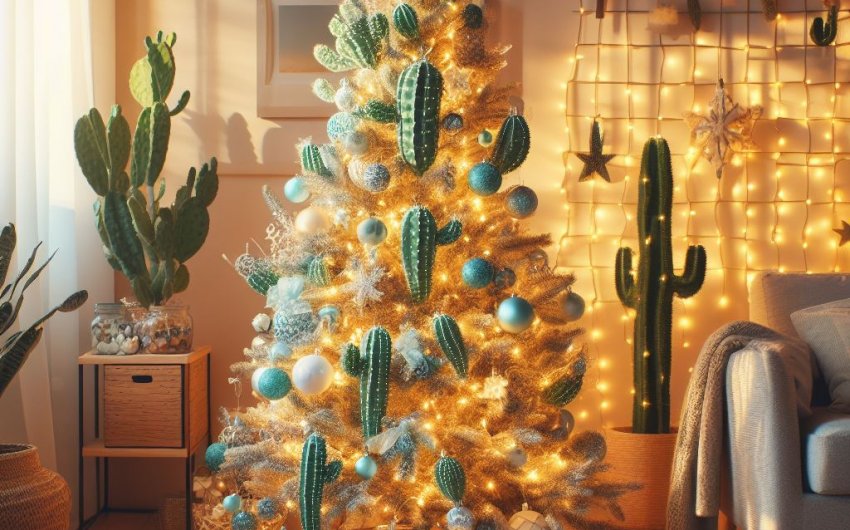
To decorate a cactus Christmas tree and create a festive desert vibe, prioritize lightweight, non-damaging ornaments that can be gently hung or clipped onto spines, and opt for warm white or color-changing LED fairy lights that are battery-operated. Enhance the desert theme with earthy tones, natural elements, and unique Southwestern-inspired decorations, ensuring the cactus's health is always protected.
Why is a cactus Christmas tree a unique and sustainable holiday decoration?
A cactus Christmas tree offers a wonderfully unique and sustainable alternative to traditional evergreens, perfect for creating a festive desert vibe during the holiday season. It stands out with its unconventional charm, making a bold statement in any home, especially in warmer climates or for those seeking an eco-conscious approach to holiday decor. Beyond its novelty, it champions reusability and minimizes waste, aligning beautifully with modern sustainable living.
What makes a cactus Christmas tree so special?
Choosing a cactus as your holiday centerpiece brings several distinct advantages and a refreshing departure from tradition.
- Unique Aesthetic: A cactus Christmas tree instantly grabs attention. Its sculptural form, often with a rugged or minimalist appeal, offers a sophisticated and unexpected backdrop for holiday decorations. It's a conversation starter that brings a touch of the arid landscape indoors.
- Sustainability:
- Reusable: Unlike cut evergreen trees, a living cactus can be decorated year after year, minimizing waste and contributing to a more eco-friendly holiday.
- Longevity: Many large cacti are long-lived, becoming a cherished part of your holiday traditions for decades.
- Reduces Demand for Cut Trees: Supports sustainable practices by opting out of the cut tree market.
- Regional Relevance: For those living in desert climates (like the Southwest U.S.), a cactus Christmas tree feels authentic and culturally relevant, embracing local flora.
- Space-Saving (Potentially): Smaller potted cacti or columnar varieties can be surprisingly space-efficient compared to a sprawling evergreen, fitting well into compact urban homes.
- Low Maintenance (Year-Round): Cacti are renowned for their low water needs and resilience. While holiday decorations require some care, the base plant itself is easy to maintain during the off-season.
- Allergy-Friendly: For individuals sensitive to pine sap or pollen from evergreens, a cactus offers a hypoallergenic alternative.
- Charming Desert Vibe: It allows for creative decor themes that celebrate Southwestern culture, natural elements, and a unique blend of ruggedness and festive sparkle.
What types of cacti are best suited to be a "Christmas tree"?
Not all cacti are ideal for decoration. Look for species with an upright, columnar, or branching form that can mimic a tree shape.
- Saguaro Cactus (Artificial/Decorated Stand-ins): While a true Saguaro is iconic, it's a slow-growing protected species. Artificial saguaros or large, multi-armed columnar cacti (like those found in botanical gardens) are often used as inspiration or stand-ins.
- Columnar Cacti:
- Pencil Cactus (Euphorbia tirucalli): Not a true cactus but a succulent often used for its tree-like, branching habit. Its fine, stick-like branches make it easy to decorate.
- Peruvian Apple Cactus (Cereus peruvianus): A fast-growing columnar cactus that develops branches over time, creating a tree-like silhouette.
- Totem Pole Cactus (Lophocereus schottii f. monstrosus): Unique, knobby, spineless columns.
- Opuntia (Prickly Pear) (Caution): While some have a tree-like structure, their flat pads and numerous glochids (tiny barbed spines) make them extremely challenging and potentially painful to decorate. Generally not recommended.
- Large Potted Succulents: While not cacti, large, upright jade plants (Crassula ovata) can also be decorated to create a similar, festive green holiday plant.
When choosing a living cactus, always prioritize its health and safety, opting for mature specimens that can handle light decoration without being harmed.
How do I prepare my cactus for decoration and ensure its safety?
Before transforming your cactus into a festive Christmas tree, careful preparation is essential. Prioritizing the cactus's health and safety while minimizing injury to yourself ensures a smooth and enjoyable decorating experience. Ignoring these steps can lead to a stressed plant, personal injury, or a quickly ruined holiday decoration.
What basic cactus care is needed before decorating?
A healthy cactus is a happy cactus, ready for its temporary holiday role.
- Ensure Plant Health:
- DO: Make sure your cactus is healthy and thriving before you decorate it. Avoid decorating a cactus that is already stressed, diseased, or infested with pests.
- Why: A stressed plant will be more susceptible to damage from decorations.
- Watering:
- DO: Water your cactus a few days before decorating, ensuring it's adequately hydrated. Then, allow the soil to dry out as usual.
- Why: You'll want to avoid watering during the decorating process or immediately afterward, as excess moisture combined with potentially constricted air circulation from decorations could be detrimental. You'll likely be watering less often while decorated indoors.
- Location Check:
- DO: Ensure your cactus is in its optimal light location. If you plan to move it indoors from a colder outdoor spot, do so gradually over a few weeks to avoid shock.
- Why: A cactus still needs its light, even when decorated.
What essential safety gear and tools do I need for decorating a spiky cactus?
Decorating a cactus requires specific precautions to protect both you and the plant.
- Thick, Puncture-Resistant Gloves:
- DO: Wear heavy-duty, thick leather gardening gloves or specialized cactus handling gloves. Standard fabric gloves will not suffice.
- Why: Essential to protect your hands from sharp spines (areoles) and glochids (tiny barbed spines, especially on Opuntia/prickly pear, which should generally be avoided for decorating).
- Tongs/Towel:
- DO: Use long-handled tongs or wrap a thick towel around the base of the cactus when positioning it or if you need to gently stabilize a branch.
- Why: Provides a safe way to maneuver the plant without direct hand contact with spines.
- Small Pliers/Tweezers:
- DO: Useful for gently attaching or adjusting ornaments, or removing any stray glochids that might stick to clothing or skin.
- Dustpan and Brush:
- DO: For cleaning up any fallen spines or detached plant material.
- Good Lighting:
- DO: Ensure you have ample light to clearly see what you're doing and avoid accidental contact.
How do I prepare the cactus for decorating to prevent harm?
Minimizing direct contact with spines and balancing the load protects the plant.
- Clean Cactus Surface:
- DO: Gently brush off any dust or debris from the cactus surface with a soft brush or a light blast of air.
- Why: Ensures decorations adhere better and the cactus can photosynthesize efficiently.
- Plan Ornament Placement:
- DO: Before you start, visualize where your ornaments and lights will go. Aim for even distribution of weight to avoid stressing individual branches.
- DON'T: Overload one section of the cactus.
- Consider Cactus Health:
- DO: Prioritize the cactus's health. Do not force ornaments into tight spaces or attach anything that could break off spines or damage the plant tissue.
- Why: Damaged spines are entry points for pathogens, and damaged tissue can lead to rot.
- Root Protection:
- DO: Ensure the pot is stable and that no decorations will constrain air circulation around the soil or drainage holes.
- Warning (Opuntia):
- DON'T: Decorate Opuntia (prickly pear) with their minute, highly irritating glochids unless you are very experienced and willing to deal with the pain. It's generally not recommended for this purpose.
By carefully preparing your cactus and taking essential safety precautions, you can transform your spiky friend into a festive centerpiece without causing harm to the plant or yourself, making the decorating process enjoyable and safe.
What lightweight and non-damaging ornaments are best for a cactus?
Decorating a cactus Christmas tree requires a fundamental shift in ornament selection. Traditional heavy, glass, or clamping ornaments are unsuitable due to the cactus's delicate skin and spines. The key is to choose lightweight, non-damaging decorations that respect the plant's structure and minimize stress.
What types of lights are best for a cactus Christmas tree?
Lighting sets the mood, but safety for the cactus is paramount.
- Battery-Operated LED Fairy Lights:
- DO: Opt for small, lightweight, battery-operated LED fairy lights (often called "rice lights" or "micro LED string lights").
- Why:
- Lightweight: Minimizes weight on fragile branches and spines.
- Battery-Operated: Eliminates the need for external power cords, reducing trip hazards and electrical risks, and allowing placement anywhere.
- LED (Cool): LEDs generate very little heat, which is crucial. Heat can damage cactus tissue.
- Small Wires: Easy to gently drape.
- DON'T: Use heavy, traditional incandescent Christmas lights, which generate heat and are too heavy. Avoid lights with bulky cords.
- Placement:
- DO: Gently drape the lights over the cactus, weaving them loosely between branches or around the columns.
- DON'T: Tightly wrap wires around spines or stems, which could constrict growth or cause damage.
- Color/Theme:
- DO: Choose warm white for a classic look, or color-changing LEDs for a festive, whimsical vibe.
What are the safest and most effective ways to attach ornaments?
Minimizing direct contact and weight is crucial for safe attachment.
- Miniature Clips (Clothesline-style):
- DO: Use tiny clothesline clips or specialty miniature ornament clips.
- Why: These gently clip onto a single spine or the edge of a flat pad without piercing or stressing the plant tissue. They are easy to attach and remove.
- Lightweight String/Yarn:
- DO: Use very thin, lightweight string, fishing line, or fine yarn tied in loose loops around branches or pads.
- Why: Allows ornaments to hang without direct spine damage.
- DON'T: Tie tightly, which could constrict growth.
- Twigs/Natural Elements:
- DO: Balance very lightweight ornaments on small, sturdy, existing branches or between pads.
- Why: Utilizes the cactus's natural structure.
- Soft Floral Wire (Carefully):
- DO: Use very fine, pliable floral wire for extremely lightweight ornaments, gently bending it into a hook shape to rest on a spine.
- DON'T: Wrap wire tightly or allow it to cut into the plant.
- Magnet Attachments (for flat-sided cacti):
- DO: For cacti with flat surfaces, use tiny magnets glued to the back of lightweight ornaments.
- Why: Provides non-damaging attachment.
- Caution: Ensure the magnets are strong enough for the ornament.
What types of lightweight ornaments work best?
Prioritize materials that are light and won't cause damage.
- Miniature Ornaments:
- DO: Focus on tiny, lightweight ornaments made from plastic, felt, fabric, paper, or very thin wood.
- Examples: Miniature bells, small plastic balls, tiny bows, felt cutouts, paper stars, small pine cones (lightly wired).
- A common option is miniature lightweight Christmas ornaments.
- Natural Elements:
- DO: Use lightweight natural decorations like dried berries (small, tied), tiny seed pods, or very small, preserved flowers.
- Why: Complements the desert vibe.
- DIY Ornaments:
- DO: Create your own ornaments from craft foam, felt, paper, or lightweight polymer clay.
- Benefits: Allows for personalization and ensures lightweight design.
- Avoid: Heavy glass ornaments, metal ornaments, anything with sharp edges, or ornaments that require piercing the cactus.
- Size and Weight:
- DO: Always choose the smallest, lightest ornaments you can find to minimize stress on the cactus.
- DON'T: Overload the cactus with too many or too heavy ornaments. Distribute weight evenly.
By thoughtfully selecting lightweight, non-damaging ornaments and using safe attachment methods, you can beautifully decorate your cactus Christmas tree without compromising its health, creating a festive desert vibe that is both unique and sustainable.
How do I create a festive desert theme for my cactus Christmas tree?
Creating a festive desert theme for your cactus Christmas tree transforms it into a unique holiday centerpiece, celebrating the beauty of arid landscapes with a touch of holiday magic. This involves drawing inspiration from Southwestern aesthetics, natural desert elements, and a palette of warm, earthy, and sometimes vibrant colors.
What color palette best captures a desert Christmas vibe?
The right colors set the mood, blending festive cheer with desert tranquility.
- Warm Earth Tones:
- DO: Incorporate colors like terracotta, sand, adobe red, burnt orange, and deep brown. These reflect the natural hues of the desert landscape.
- Natural Greens:
- DO: The cactus itself provides a beautiful base green. Supplement with muted olive green or sage green elements.
- Vibrant Accents:
- DO: Add pops of bright, jewel-toned accents, reminiscent of desert blooms or Native American pottery. Consider turquoise, coral, fuchsia, or sunny yellow.
- Metallic Sparkle:
- DO: Use gold, copper, or bronze metallics for a festive glow that mimics desert sunsets and adds warmth. Silver can also be used for a cooler, starry night effect.
- Avoid: Overly bright, neon, or primary colors that might clash with the natural desert aesthetic.
What natural elements enhance the desert theme?
Bringing in elements found in arid landscapes adds authenticity and texture.
- Pebbles and Sand:
- DO: Use smooth, polished river pebbles, small desert rocks, or a layer of fine sand around the base of the cactus in its pot.
- Why: Covers the soil, acts as a decorative "desert floor," and looks clean.
- A common option is decorative river pebbles.
- Dried Botanicals:
- DO: Incorporate small dried desert flowers, seed pods (e.g., mesquite, acacia), cotton bolls, or mini tumbleweeds (if you can find them ethically).
- Why: Adds authentic desert texture and form.
- Cinnamon Sticks and Star Anise:
- DO: These offer a warm, spicy fragrance that evokes holiday comfort while still being a natural element.
- Why: Adds a sensory layer to the festive vibe.
- Small Pine Cones (Bleached or Natural):
- DO: Use very small, lightweight pine cones. You can bleach them for a lighter, desert-worn look.
- Why: Adds texture and classic holiday charm without clashing.
- Feathers:
- DO: Incorporate natural, ethically sourced feathers for an ethereal touch, reminiscent of desert birds.
What unique ornaments complete the desert Christmas look?
Crafting or selecting ornaments that specifically tie into the desert theme elevates the design.
- Southwestern-Inspired:
- DO: Look for or create ornaments in shapes like coyotes, roadrunners, sun designs, chili peppers (dried or miniature replicas), saguaro outlines, or thunderbirds.
- DO: Use small ornaments with patterns inspired by Native American pottery or textiles.
- Rustic/Handmade:
- DO: Opt for ornaments made from natural wood, felt, macrame, or woven materials.
- Why: Reinforces the earthy, handcrafted aesthetic.
- Cactus-Themed Miniatures:
- DO: Find or make tiny ornaments shaped like other cacti or succulents.
- Miniature Lanterns or Candles (LED):
- DO: Small, battery-operated LED lanterns or candles can be nestled among the branches for a warm glow, mimicking desert luminarias.
- Subtle Sparkle:
- DO: Use glitter sparingly, or choose ornaments with a natural sheen (e.g., mica flakes, subtle gold paint) that catch the light like desert sand.
- DON'T: Use excessive, chunky glitter that might harm the cactus.
Step-by-step guide to decorating for a desert Christmas vibe:
- Place Lights First: Start by gently draping battery-operated LED fairy lights over the cactus, ensuring they are loosely woven and don't restrict growth.
- Add Larger, Focal Ornaments (Spaced Evenly): Place your chosen larger, desert-themed or colorful ornaments first, distributing them evenly for balance. Use clips or loose ties.
- Fill with Smaller Accents and Natural Elements: Fill in gaps with smaller ornaments, dried botanicals, pine cones, and other natural textures.
- Base Decoration: Cover the soil with sand, pebbles, or decorative gravel. You can also place tiny wrapped gifts or miniature desert-themed figures around the base.
- Final Touches: Add a simple, lightweight topper if desired (e.g., a paper star, a small felt sun).
By consciously selecting colors, incorporating natural desert elements, and choosing themed ornaments, you can transform your cactus into a stunning Christmas tree that truly evokes a festive desert vibe, bringing warmth, uniqueness, and a touch of arid beauty to your holiday celebrations.
How do I maintain a decorated cactus Christmas tree?
Maintaining a decorated cactus Christmas tree requires specific care to ensure both the plant's health and the longevity of your festive display. Unlike a cut evergreen, your cactus is a living organism with unique needs that must be respected throughout the holiday season.
What are daily checks for cactus health while decorated?
Vigilance ensures your cactus remains healthy despite its temporary new role.
- Light Exposure:
- DO: Ensure your cactus continues to receive its optimal amount of bright, direct sunlight (for most cacti). If moved indoors to a dimmer spot, consider using supplemental LED grow lights for 12-16 hours a day.
- Why: Lack of light will stress the cactus, causing leggy growth or a dull appearance.
- Temperature:
- DO: Maintain moderate indoor temperatures, ideally between 60-75°F (15-24°C).
- DON'T: Place the cactus near cold drafts from windows or direct blasts of heat from radiators/fireplaces, which can cause stress.
- Why: Extreme temperature fluctuations are detrimental to cacti.
- Humidity:
- DO: Cacti prefer dry air. Ensure good air circulation around the decorated plant.
- DON'T: Mist a decorated cactus or place it near a humidifier, as excess moisture can promote fungal issues around the spines and lead to rot.
- Physical Stress:
- DO: Regularly check that no ornaments are digging into the cactus tissue, restricting growth, or putting undue pressure on branches.
- Why: Damage can create entry points for pathogens.
How do I water a decorated cactus safely in winter?
Watering is crucial, but requires careful adaptation for a decorated cactus in winter.
- Infrequent Watering (Still Key):
- DO: Cacti naturally require very infrequent watering, especially in winter when they are dormant or semi-dormant. Water thoroughly only when the soil is completely dry.
- Why: Overwatering is the biggest killer of cacti.
- Bottom Watering (Recommended):
- DO: To avoid getting ornaments or the cactus body wet, bottom water the decorated cactus. Place the entire pot in a basin of shallow water (1-2 inches deep) for 15-30 minutes, allowing the soil to soak up water from the drainage holes.
- DON'T: Top water, as this can get ornaments wet, create a humid environment around the cactus body, and potentially lead to rot or discoloration around the spines.
- Drain Thoroughly:
- DO: After bottom watering, remove the pot from the basin and allow it to drain completely for an hour or two.
- DON'T: Let the pot sit in standing water.
- Monitor Soil Moisture:
- DO: Use a soil moisture meter to accurately determine when the soil is completely dry before watering again. This can be once every 3-6 weeks, or even longer, depending on your cactus and indoor conditions.
How do I address pest control while the cactus is decorated?
Pest monitoring is still important, even with decorations.
- Regular Inspection:
- DO: Continue to visually inspect the cactus for signs of pests (especially mealybugs, which like to hide in crevices).
- DON'T: Assume decorations will deter pests.
- Targeted Treatment:
- DO: If you find pests, carefully remove any ornaments in the affected area.
- DO: Dab mealybugs with a cotton swab dipped in rubbing alcohol. For light infestations, this spot treatment can be done even with some decorations in place.
- DON'T: Spray broad-spectrum insecticides on a decorated cactus. If a major infestation occurs, you may need to remove all decorations to treat thoroughly.
How do I safely un-decorate my cactus after the holidays?
Removing decorations carefully prevents damage.
- DO: Remove ornaments gently, ensuring no spines are broken or plant tissue is torn.
- DO: Carefully un-drape lights, again avoiding any snagging or pulling.
- DO: Inspect the cactus for any signs of stress, damage, or hidden pests.
- DO: Return the cactus to its normal, year-round care routine and location, adjusting light and watering as it transitions out of the decorated phase.
By meticulously following these maintenance guidelines, you can ensure your decorated cactus Christmas tree remains healthy and vibrant throughout the holiday season, providing a unique and sustainable centerpiece that can be cherished for many years to come.