
Cold-Weather Composting: A Step-by-Step Guide to Get It Right
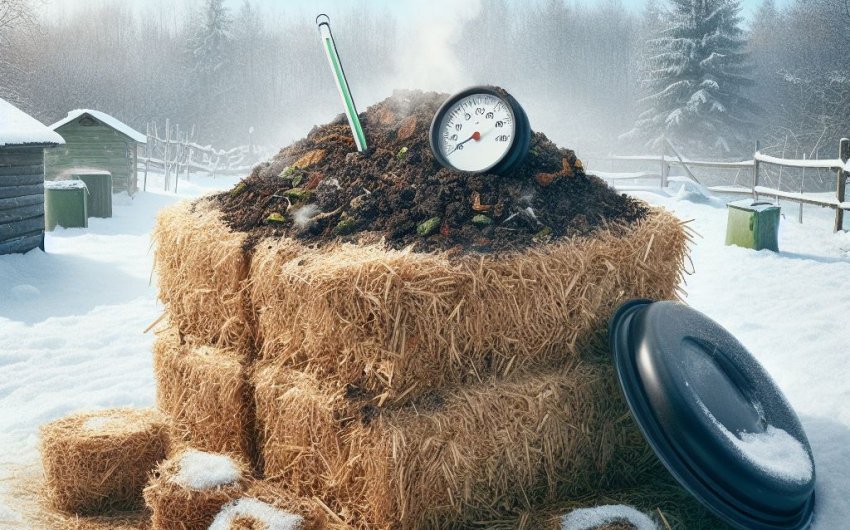
Cold-weather composting requires a step-by-step guide to get it right, focusing on maintaining microbial activity despite freezing temperatures. The key is to build a large, well-insulated pile before winter, chop materials finely, and continue adding kitchen scraps, understanding that decomposition will slow down or pause, but resume in spring.
Why is cold-weather composting different and challenging?
Composting is a year-round commitment for many sustainable gardeners, but cold-weather composting presents unique challenges that differ significantly from warm-season decomposition. Freezing temperatures drastically slow down or even halt the microbial activity that drives the composting process, leading to a perception that winter composting is difficult or impossible. Understanding these differences is the first step to successfully navigating the colder months and ensuring a continuous supply of valuable "black gold."
How do freezing temperatures affect decomposition?
Microbial activity is the engine of decomposition, and these tiny workers are highly sensitive to temperature.
- Slowed/Halted Microbial Activity: The primary impact. The bacteria and fungi responsible for breaking down organic matter become much less active, or go dormant, as temperatures drop below freezing (32°F / 0°C).
- Impact: Decomposition slows to a crawl or completely pauses. The pile will stop heating up.
- Frozen Water: Water within the compost pile freezes, locking up moisture and preventing it from being available to microbes. Frozen materials also become rigid and resistant to breakdown.
- Reduced Aeration: While decomposition is slower, a frozen pile can become quite dense, potentially leading to some anaerobic pockets.
- Fewer Organisms: Earthworms and other beneficial invertebrates burrow deeper into the soil (below the frost line) to escape the cold, or their activity significantly reduces.
What are the main challenges of cold-weather composting?
These impacts create specific hurdles for winter composters.
- Slow Decomposition Rate: The biggest challenge. Compost takes much longer to "cook" or may appear to stop altogether.
- Risk of Freezing Entire Pile: Smaller, uninsulated piles are more likely to freeze solid, halting decomposition completely until spring.
- Odor Potential (when thawing): If a pile is improperly managed (too wet, too many greens) and freezes, it can become anaerobic. When it thaws in spring, it may emit foul odors.
- Pest Attraction (when thawing): Un-decomposed food scraps from winter can become exposed and attractive to pests once the thaw begins.
- Access to Materials: Fresh "green" materials (like grass clippings) are scarce, making it harder to balance the C:N ratio for an active pile. "Brown" materials can also be frozen or wet.
- Turning Difficulty: A frozen pile is heavy and hard to turn, which makes aeration challenging.
What are the benefits of cold-weather composting?
Despite the challenges, winter composting offers distinct advantages and makes practical sense for sustainable living.
- Continuous Waste Diversion: You can continue to divert kitchen scraps from landfills year-round, regardless of the temperature.
- Reduced Spring Cleanup: By composting fall leaves and other yard waste over winter, you reduce the amount of material you need to manage in spring.
- "Holding Bin" for Scraps: Even if decomposition slows, a winter compost pile acts as an excellent "holding bin" for organic materials, keeping them contained until warmer temperatures reactivate the process.
- Early Spring Boost: A well-prepared winter pile will rapidly "kickstart" decomposition as soon as spring temperatures rise, yielding compost faster in the new season.
- Reduced Odors (Paradoxically): While thawing piles can smell, a frozen pile generally produces no odors during winter.
- Less Active Pests: Freezing temperatures deter many common compost pests.
Cold-weather composting requires adapting your expectations and techniques, but it's a valuable practice that ensures year-round waste diversion and a continuous supply of valuable compost for your garden.
How do I prepare my compost pile for winter?
Preparing your compost pile for winter is crucial for successful cold-weather composting. The goal is to build a robust, well-insulated pile that can either stay active (if conditions permit) or act as an efficient "holding bin" for materials until spring's thaw.
What are the key elements of a "winter-ready" compost pile?
Building a strategic pile before the deep freeze sets in is paramount.
- Build it Big:
- DO: Aim for a larger compost pile, at least 3x3x3 feet (0.9x0.9x0.9 meters), or even bigger, especially for hot composting.
- Why: A larger thermal mass helps the pile retain heat and resist freezing solid. Small piles will freeze much more quickly.
- Insulate It:
- DO: Surrounding your compost bin or pile with insulating materials.
- Examples: Bales of straw, old blankets, cardboard boxes, bags of dried leaves, or even snow once it falls.
- Why: Insulation traps the heat generated by decomposition (if active) and protects the pile from extreme cold, helping it stay active longer or preventing it from freezing too deeply.
- Good C:N Balance (Crucial Pre-Winter Build):
- DO: In late fall, before it gets too cold, build a "final" active pile with a balanced mix of "greens" and "browns" (2-3 parts browns to 1 part greens by volume).
- Why: A well-balanced, active pile going into winter will generate more initial heat, which helps it resist freezing.
- Moisture Check:
- DO: Ensure the pile is consistently damp, like a wrung-out sponge, before the final freeze.
- Why: Moisture is essential for microbial activity, even if it's slow. However, don't make it soggy.
What type of compost bin is best for cold weather?
Certain compost bin types perform better in freezing temperatures.
- Insulated Bins:
- DO: Purchase or build a commercially insulated compost bin or one specifically designed for cold weather.
- DIY Insulation: You can add insulation (styrofoam, straw bales) around an existing plastic or wire bin.
- Enclosed Bins:
- DO: Plastic static bins or compost tumblers offer better insulation and protection from external elements (wind, snow, rain) than open piles or wire bins. A compost tumbler can also be easily insulated.
- Why: Helps retain heat and keeps materials from being overly exposed to cold.
- Avoid Open Heaps (if possible):
- DON'T: Rely solely on small, open compost heaps unless you are in a very mild winter climate. They lose heat too quickly.
- Location:
- DO: Position your compost bin in a sheltered spot, out of direct winter winds. Placing it against a south-facing wall (in the Northern Hemisphere) can provide some passive solar heating.
How do I prepare materials before winter?
Pre-processing materials in fall maximizes winter efficiency.
- Shred/Chop Everything:
- DO: Shred or chop all "brown" materials (dried leaves, twigs, cardboard) and "green" materials (garden waste) into smaller pieces before winter.
- Why: Smaller pieces have a greater surface area for microbes to act on, making them more likely to break down (even slowly) in cold conditions, and ensuring quicker decomposition once spring arrives.
- Stockpile Browns:
- DO: Collect and store a good supply of dry "brown" materials (dried leaves, straw, shredded paper) in late fall.
- Why: These are scarce in winter and are essential for layering with fresh kitchen scraps to maintain balance and prevent odors.
By building a robust, well-insulated pile, using an appropriate bin, and pre-processing materials in fall, you lay the groundwork for a successful cold-weather composting operation, turning winter's chill into a productive holding pattern for your valuable organic waste.
How do I manage my compost pile during freezing temperatures?
Managing a compost pile during freezing temperatures requires a shift in expectations and techniques. While decomposition may slow or pause, the goal is to keep the pile contained, balanced, and ready to reactivate once spring arrives, avoiding common winter pitfalls like odors and pest attraction.
How do I continue adding kitchen scraps in winter?
Even if decomposition slows, you can still add food waste.
- Bury Fresh Scraps Deeply:
- DO: Whenever you add fresh food scraps ("greens"), make sure to bury them deeply (at least 6-8 inches) within the compost pile. Cover them thoroughly with existing compost or a layer of dry "brown" materials.
- Why: This helps to insulate the scraps, deters pests (especially flies and rodents, who are less active in frozen piles but might sniff out exposed food), and prevents foul odors when the pile eventually thaws.
- Balance with Browns:
- DO: Always add a generous layer of your stockpiled dry "brown" materials (shredded leaves, straw, shredded newspaper/cardboard) whenever you add fresh kitchen scraps.
- Why: This absorbs excess moisture from the food scraps, provides the necessary carbon to balance the nitrogen, and helps prevent anaerobic pockets and odors during thawing.
- Chop Scraps Finely:
- DO: Chop kitchen scraps into very small pieces before adding them.
- Why: Smaller pieces integrate better, freeze and thaw more easily, and will decompose faster once temperatures rise.
- Consider a Separate Storage System:
- DO: If you have limited browns or prefer not to open your main pile frequently, store kitchen scraps in a sealed container in your freezer or use a Bokashi bin.
- Why: This prevents odors and pest attraction until you can add them to the main compost pile in spring or during a thaw.
Should I turn my compost pile in winter?
Turning becomes more challenging and less critical in freezing conditions.
- Reduce Turning Frequency:
- DO: If your compost pile is frozen solid or temperatures are consistently below freezing, you generally do not need to turn it. Microbial activity is minimal or halted.
- Why: Turning a frozen pile is difficult, can be counterproductive (releasing what little heat it has), and isn't necessary if decomposition has stopped.
- Turn During Thaws:
- DO: If you have a mild winter, or during a mid-winter thaw when the pile is no longer frozen solid, take the opportunity to turn it once.
- Why: This reintroduces oxygen and mixes materials, which can reactivate some microbial activity and set the stage for a strong spring restart.
- Focus on Aeration for New Additions:
- DO: Even if not turning the whole pile, ensure new kitchen scraps are mixed with browns when added.
How do I manage moisture and temperature in winter?
- Moisture Check:
- DO: Ensure the pile is moist, like a wrung-out sponge, before it freezes solid. It should not be soggy.
- DON'T: Add excessive water to a frozen pile, as it will just sit there and create slush.
- Temperature:
- DO: Understand that the pile will likely stop heating up. This is normal.
- Why: The goal is containment and preparation for spring, not active hot composting throughout winter (unless you have a very large, well-insulated, actively managed pile in a mild climate).
What are common problems to avoid in winter composting?
- Foul Odors (when thawing):
- Avoid: Caused by too many exposed greens, too much moisture, and not enough browns.
- Fix: Ensure proper layering, bury scraps, and add more browns.
- Pest Attraction (when thawing):
- Avoid: Caused by exposed food scraps or inappropriate materials.
- Fix: Bury scraps, don't add meat/dairy/oils.
- Pile Freezes Solid and Stays That Way:
- Avoid: Due to a pile that's too small or poorly insulated.
- Fix: Build bigger and insulate better next year. It will eventually thaw and decompose.
By diligently managing material additions, balancing greens and browns, and adapting to the slower pace of winter, you can effectively compost even in freezing temperatures, ensuring a continuous cycle of waste diversion.
How do I reactivate my compost pile in spring and harvest "black gold"?
As winter's grip loosens and spring temperatures arrive, your compost pile will naturally begin to reactivate. Understanding how to properly kickstart the decomposition process and knowing when your "black gold" is ready to harvest are the final, rewarding steps in your cold-weather composting journey.
How do I reactivate my compost pile in spring?
Spring's warmth provides the perfect trigger for your dormant compost pile.
- Give it a Good Turn:
- DO: As soon as the pile thaws and the ground is workable, give your compost pile a thorough turning. Use a pitchfork or compost aerator tool.
- Why: This introduces fresh oxygen, mixes all the winter's additions, and redistributes dormant microorganisms, rapidly kickstarting the decomposition process.
- Check Moisture Levels:
- DO: Ensure the pile is consistently damp, like a wrung-out sponge.
- Why: Microbes need water to become active. If the pile dried out over winter, add water gradually while turning. If it became too soggy (common after thawing), add more dry "brown" materials and turn well.
- Add "Green" Material (Optional):
- DO: If your pile seems slow to heat up, or if you have an abundance of "brown" materials from winter additions, add a layer of fresh, nitrogen-rich "green" material (e.g., fresh grass clippings, coffee grounds, fresh food scraps).
- Why: This provides a quick energy boost for the awakened microbes, helping the pile heat up.
- Monitor for Heat:
- DO: Within a few days of turning and adjusting moisture, a healthy, active pile should start to heat up, signaling that decomposition is in full swing. Use a compost thermometer if you're aiming for hot composting.
When is my compost ready to harvest?
Knowing when your compost is "finished" is crucial for using it effectively in your garden.
- Appearance: Finished compost should be dark brown to black and crumbly, resembling rich, earthy soil.
- Texture: It should be loose and uniform, with no identifiable large pieces of original organic material (though a few small, un-decomposed twigs are fine).
- Smell: It should have a pleasant, earthy aroma, like forest soil after rain. There should be no foul or sour odors.
- Temperature: If you were aiming for hot composting, the pile should have cooled down to ambient temperature and stayed cool for several weeks.
- Timeframe: Depending on how active your pile was over winter and how well it reactivates in spring, finished compost can be ready anywhere from a few weeks to a few months after spring's restart.
- Sieve (Optional): For a finer product, especially for seed starting or top-dressing containers, you can sieve (sift) the compost through a coarse screen or hardware cloth. Any larger, uncomposted pieces can be returned to the active compost pile.
How do I harvest compost from my bin?
The method of harvesting depends on your compost system.
- Open Piles/Wire Bins: Simply use a shovel or pitchfork to take finished compost from the bottom or center of the pile. The outer layers are usually still decomposing and can be added back to a new pile.
- Static Bins (e.g., Earth Machine): Most have an access door at the bottom, allowing you to shovel out finished compost while fresh materials continue to decompose on top.
- Compost Tumblers: Once a batch is finished, simply rotate the tumbler to loosen the compost, then open the access door and empty it. If your tumbler has two chambers, one can be "cooking" while the other is being filled.
- Worm Bins (Vermicomposting): Use the migration method (feeding worms to one side) or the dump-and-sort method (gently sorting worms from castings).
What are the best uses for winter-composted "black gold"?
Your winter-made compost is an invaluable resource for your spring and summer garden.
- Soil Amendment for Garden Beds:
- DO: Spread a 1-3 inch layer of finished compost evenly over the surface of your garden beds in spring before planting. Gently rake it in or leave it on the surface.
- Benefits: Improves soil structure, boosts fertility, adds beneficial microbes, and helps retain moisture.
- New Plantings and Transplants:
- DO: Mix compost with the excavated soil for planting holes (e.g., 1 part compost to 2-3 parts native soil) when planting new trees, shrubs, perennials, or vegetables.
- Benefits: Gives new plants a nutrient-rich, well-structured, and biologically active start, reducing transplant shock.
- Container Gardening:
- DO: Mix finished compost into your standard potting mix at a ratio of 1 part compost to 3-4 parts potting mix when refreshing containers for spring planting.
- Benefits: Improves water retention, provides slow-release nutrients, and enhances microbial activity.
- Seed Starting (Component):
- DO: A small amount (e.g., 10-20% by volume) of fine, sieved compost can be added to a sterile seed-starting mix to provide gentle nutrients for emerging seedlings.
- Lawn Top-Dressing:
- DO: Spread a thin layer (1/4 to 1/2 inch) of fine, sieved compost over your lawn in spring. Rake it in to promote healthier grass and improve soil structure.
By skillfully reactivating your compost pile in spring and utilizing its finished product, you complete the cold-weather composting journey, transforming winter's stored organic waste into a powerful resource that nourishes your garden and exemplifies sustainable living year after year.