
Maximizing Growth: Choosing the Right Greenhouse Plants for Winter
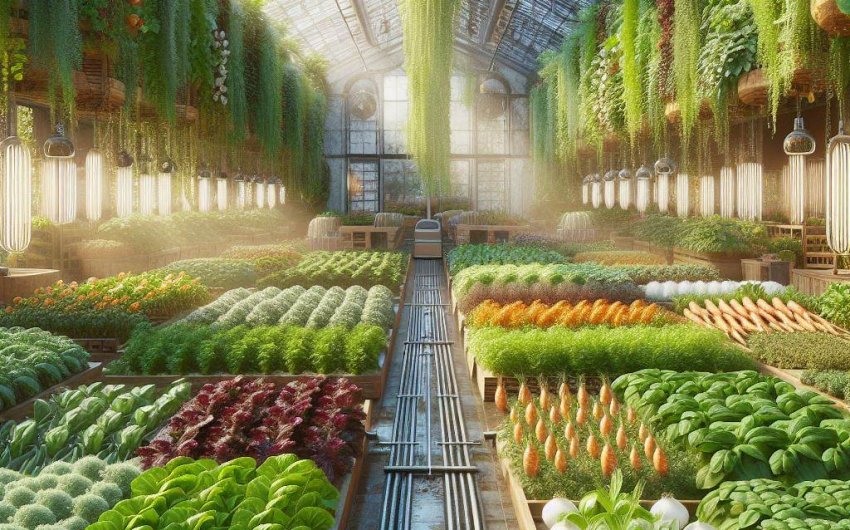
Maximizing growth by choosing the right greenhouse plants for winter involves selecting varieties that tolerate lower light, prefer cooler temperatures, and have a shorter daylight hour requirement. Focus on cool-season vegetables, certain herbs, or specific ornamental plants that can thrive in the naturally reduced light and often cooler conditions of an unheated or minimally heated winter greenhouse.
Why is strategic plant selection crucial for winter greenhouse success?
For any gardener dreaming of fresh produce or vibrant blooms during the bleak winter months, a greenhouse offers a powerful extension of the growing season. However, simply moving summer plants indoors won't guarantee success. Strategic plant selection is absolutely crucial for maximizing growth and achieving a productive winter greenhouse. Understanding the unique conditions within a greenhouse during winter is the first step in choosing plants that will truly thrive, rather than just survive.
What are the unique conditions of a winter greenhouse?
Even a greenhouse, designed to extend the growing season, faces specific environmental challenges during winter that differ significantly from summer.
- Reduced Light Levels:
- Shorter Days: The most impactful factor. The sun is out for fewer hours, drastically reducing the total amount of light plants receive.
- Lower Sun Angle: Light enters the greenhouse at a lower angle, leading to longer shadows and less direct light penetration.
- Weakened Intensity: Even on sunny winter days, the sun's intensity is much weaker than in summer.
- Impact: Photosynthesis slows significantly, limiting growth.
- Cooler (Often Fluctuating) Temperatures:
- Unheated Greenhouse: Temperatures will be consistently cooler, perhaps just a few degrees above freezing on cold nights, and warm considerably on sunny days. This creates wide temperature swings.
- Minimally Heated Greenhouse: You might maintain a minimum temperature (e.g., 40-50°F / 4-10°C), but it's still cooler than summer.
- Impact: Affects metabolic rates, can trigger dormancy in some plants, and influences optimal growth ranges.
- High Humidity (Often):
- Enclosed Space: The enclosed nature of a greenhouse, especially with watering, can lead to high humidity levels.
- Impact: Can be beneficial for some plants but also creates ideal conditions for fungal diseases if air circulation is poor.
- Pest Pressure (Different): While outdoor pests may be less of an issue, specific greenhouse pests (spider mites, whiteflies, aphids, fungus gnats) can thrive in the protected, warmer, and sometimes stagnant environment.
What are the dangers of choosing the wrong plants for a winter greenhouse?
Mismatching plants to winter greenhouse conditions leads to predictable problems.
- Stunted or Leggy Growth: Plants requiring high light will become weak, stretched, and pale due to insufficient energy.
- Lack of Flowering/Fruiting: Plants that need long days, intense sun, or warm temperatures to bloom or set fruit will simply fail to do so.
- Disease Outbreaks: Overcrowding, lack of airflow, and high humidity around susceptible plants can lead to rapid spread of fungal diseases like powdery mildew or botrytis.
- Pest Infestations: Stressed plants are more vulnerable, and pests can quickly take hold in a protected environment.
- Cold Damage/Death: Tender plants that cannot tolerate the minimum nighttime temperatures of your greenhouse will be damaged or killed.
- Wasted Resources: Energy (for heating/lighting) and water are wasted on plants that are struggling to thrive.
- Frustration: Investing time and effort into cultivating plants that ultimately fail to produce is disheartening.
By understanding the unique winter greenhouse environment and matching plants strategically, gardeners can transform a potentially challenging space into a productive and rewarding haven for healthy, thriving plants.
What factors should I consider when choosing winter greenhouse plants?
Choosing the right greenhouse plants for winter goes beyond just personal preference. It involves a systematic evaluation of your greenhouse's specific environment, the plant's needs, and your cultivation goals. Prioritizing these factors ensures you select plants that are most likely to thrive and provide a satisfying harvest or display.
1. Evaluate your greenhouse environment.
Your greenhouse's capabilities dictate what plants you can successfully grow.
- Heating Capabilities:
- Unheated Greenhouse (Cold Greenhouse): Will stay 5-10°F (3-6°C) warmer than outside, but will still dip to near freezing on cold nights. Suitable for very hardy cool-season crops.
- Minimally Heated Greenhouse (Cool Greenhouse): Maintained at a minimum of 40-50°F (4-10°C). Allows for a wider range of cool-season and some subtropical plants.
- Heated Greenhouse (Warm Greenhouse): Maintained at 55-65°F (13-18°C) or higher. Allows for tropical plants and off-season warm-season vegetables.
- Why it Matters: Directly determines the minimum temperature your plants must tolerate.
- Available Light Levels:
- Natural Light: How many hours of direct sunlight does your greenhouse receive in winter? How much is filtered?
- Supplemental Lighting: Do you have grow lights? What type and intensity?
- Why it Matters: Crucial for photosynthesis. Even heated greenhouses may require supplemental lighting to compensate for short winter days.
- Space and Layout:
- DO: Consider the overall size of your greenhouse.
- DO: Plan for vertical space with shelves, hanging baskets, or trellises for vining plants.
- Why it Matters: Prevents overcrowding, which reduces light and air circulation.
- Humidity:
- DO: Be aware of natural humidity levels.
- Why it Matters: Enclosed spaces can get humid, requiring good ventilation for disease prevention.
2. Understand plant-specific requirements.
Match the plant to the greenhouse, not the other way around.
- Temperature Tolerance:
- DO: Choose plants that can happily survive and preferably grow at the minimum nighttime temperatures of your specific greenhouse.
- Why it Matters: Cold-sensitive plants will stunt, suffer damage, or die.
- Daylight Hour Requirements:
- DO: Select plants that are "day-neutral" or "short-day" if you're not using extensive supplemental lighting. Many summer vegetables are "long-day" plants, requiring many hours of daylight to fruit, which is hard to achieve naturally in winter.
- Why it Matters: Dictates whether a plant will flower and fruit.
- Light Intensity Needs:
- DO: Choose plants that tolerate lower light intensity or those that can benefit most from the supplemental lighting you provide.
- Why it Matters: Prevents leggy, pale, unproductive plants.
- Growth Habit and Size:
- DO: Opt for compact, dwarf, or bush varieties, especially for fruiting vegetables.
- DO: For vining plants, plan for vertical growth with trellises or strings.
- Why it Matters: Maximizes space and prevents overcrowding.
- Pest and Disease Susceptibility:
- DO: Select varieties known for disease resistance, especially to common greenhouse issues like powdery mildew, botrytis, and spider mites.
- Why it Matters: A single infected plant can quickly spread issues in an enclosed environment.
3. Define your cultivation goals.
What do you want your winter greenhouse to achieve?
- Edible Harvests:
- DO: Focus on leafy greens, root vegetables, or specific cool-season herbs.
- Why it Matters: Maximizes practical yield.
- Overwintering Tender Plants:
- DO: Use the greenhouse to safely store plants that are not hardy in your zone (e.g., tender perennials, tropical plants, potted citrus).
- Why it Matters: Preserves valuable plants for next season.
- Seed Starting/Propagation:
- DO: Use the greenhouse to get a head start on spring seedlings.
- Why it Matters: Extends your outdoor growing season.
- Ornamental Display:
- DO: Choose flowering plants that bloom in winter.
- Why it Matters: Adds beauty and cheer during dark months.
By systematically evaluating your greenhouse, understanding plant needs, and clarifying your goals, you can strategically choose the perfect winter greenhouse plants for maximum growth and enjoyment.
What are the best cool-season vegetables for winter greenhouses?
For unheated or minimally heated winter greenhouses, cool-season vegetables are your best bet. These plants are naturally adapted to lower light levels and cooler temperatures, allowing you to harvest fresh produce even when it's freezing outside. Prioritizing these crops maximizes your yield and reduces heating costs.
1. Leafy Greens: Fast-growing and light-tolerant.
Leafy greens are the superstars of the winter greenhouse, producing continuous harvests.
- Lettuce (Lactuca sativa):
- Recommended Varieties: Loose leaf varieties ('Black Seeded Simpson', 'Salad Bowl', 'Buttercrunch') are excellent. Avoid crisphead types.
- Conditions: Tolerates low light, prefers cool temperatures (45-65°F / 7-18°C).
- Harvest: Cut outer leaves for continuous harvest, or whole heads.
- Spinach (Spinacia oleracea):
- Recommended Varieties: 'Tyee', 'Bloomsdale Long Standing'.
- Conditions: Very cold-hardy, tolerates low light, prefers cool temperatures (40-60°F / 4-15°C).
- Harvest: Cut outer leaves or whole plants.
- Kale (Brassica oleracea var. sabellica):
- Recommended Varieties: 'Lacinato' (Dinosaur), 'Red Russian', 'Blue Curled'.
- Conditions: Extremely cold-hardy, tolerates some freezing, prefers cool temperatures.
- Harvest: Cut outer leaves. Flavor often improves after a light frost.
- Swiss Chard (Beta vulgaris subsp. cicla):
- Recommended Varieties: 'Bright Lights', 'Fordhook Giant'.
- Conditions: Tolerates cool to mild temperatures, relatively low light.
- Harvest: Cut outer leaves.
- Arugula (Eruca vesicaria):
- Recommended Varieties: 'Rocket'.
- Conditions: Grows quickly in cool temperatures, can bolt in heat. Tolerates lower light.
- Harvest: Cut outer leaves or whole plants.
- Mustard Greens (Brassica juncea):
- Recommended Varieties: 'Osaka Purple', 'Green Wave'.
- Conditions: Cold-hardy, quick growing, tolerates lower light. Adds a spicy kick.
- Harvest: Cut outer leaves or whole plants.
2. Root Vegetables: Small and delicious.
Root vegetables are great for winter harvests, as their edible part is protected underground.
- Radishes (Raphanus sativus):
- Recommended Varieties: 'Cherry Belle', 'French Breakfast', 'Sparkler'.
- Conditions: Extremely fast-growing (20-30 days), prefers cool temperatures (40-65°F / 4-18°C). Tolerates lower light.
- Harvest: Pull when roots reach desired size.
- Carrots (Daucus carota subsp. sativus):
- Recommended Varieties: Smaller, round, or short varieties like 'Danvers Half Long', 'Thumbelina', 'Paris Market'.
- Conditions: Prefers cool soil, tolerates lower light. Growth is slower in winter.
- Harvest: Pull when roots reach desired size.
- Beets (Beta vulgaris):
- Recommended Varieties: 'Detroit Dark Red', 'Cylindra'.
- Conditions: Tolerates cool temperatures and lower light. Can harvest both roots and greens.
- Harvest: Pull roots when small (for tenderness) or cut greens as needed.
3. Brassicas (Smaller Varieties):
- Broccoli Raab / Rapini (Brassica rapa subsp. rapa):
- Conditions: Cool-season crop, tolerates lower light, relatively fast.
- Harvest: Harvest tender shoots and small florets.
- Kohlrabi (Brassica oleracea var. gongylodes):
- Recommended Varieties: 'Early White Vienna', 'Purple Vienna'.
- Conditions: Prefers cool temperatures.
- Harvest: Harvest "bulbs" when small (2-3 inches).
Key Tips for Cool-Season Vegetables in a Winter Greenhouse:
- Succession Planting: Sow small batches of seeds every 2-3 weeks to ensure a continuous harvest throughout winter.
- Pure Water: Use rainwater or distilled water, especially for sensitive crops.
- Fertilize Lightly: These plants still need nutrients, but less than in summer. Use a diluted liquid organic fertilizer every 2-4 weeks.
- Monitoring: Even in cool greenhouses, monitor for pests (aphids, whiteflies) and diseases (powdery mildew in stagnant air).
- Air Circulation: Ensure good ventilation to prevent humidity-related fungal issues.
By focusing on these resilient, fast-growing cool-season vegetables, you can enjoy a surprisingly abundant and fresh harvest from your winter greenhouse, transforming cold months into a continuous growing season.
What are the best herbs and other plants for winter greenhouses?
Beyond cool-season vegetables, a winter greenhouse can be a haven for various herbs, some specialized fruiting crops, and ornamental plants. Choosing these based on their cold tolerance, light requirements, and growth habits allows you to diversify your winter harvest and create a beautiful, aromatic space.
1. Hardy and Semi-Hardy Herbs: For fresh flavor.
Many culinary herbs can thrive or be overwintered in a cool or unheated greenhouse.
- Cilantro (Coriandrum sativum):
- Conditions: Grows well in cool temperatures and lower light. Tend to bolt (go to seed) quickly in heat.
- Harvest: Cut outer leaves or whole plants. Succession plant every few weeks.
- Parsley (Petroselinum crispum):
- Conditions: Tolerates cooler temperatures and partial light. Needs consistent moisture.
- Harvest: Cut outer leaves.
- *Mint (Mentha spp.):*
- Conditions: Very hardy, will often just slow down or go dormant in cool conditions, but recovers quickly. Tolerates a wide range of light.
- Harvest: Cut stems as needed. Grow in a separate pot as it spreads aggressively.
- Chives (Allium schoenoprasum):
- Conditions: Extremely hardy, will often go dormant in winter but will resprout. Tolerates lower light.
- Harvest: Snip green leaves as needed.
- Thyme (Thymus vulgaris):
- Conditions: Hardy, tolerates cool temperatures, needs good light and well-draining soil.
- Harvest: Snip sprigs as needed.
- Rosemary (Salvia rosmarinus):
- Conditions: Needs abundant light and good air circulation. Tolerates cool temperatures but generally not hard freezes. Best in a cool (40-50°F / 4-10°C) greenhouse.
- Harvest: Snip sprigs as needed.
- Microgreens and Sprouts:
- Conditions: Require very little light and space, grow extremely fast.
- Harvest: Cut when first true leaves appear (microgreens) or sprouted (sprouts).
- Benefits: Excellent for continuous, quick harvests of nutrient-dense greens.
2. Specialized Fruiting Crops (with heat/light):
Some fruiting crops can be grown in a heated or very sunny winter greenhouse.
- *Dwarf Citrus Trees (Citrus spp.):*
- Conditions: Require bright light and prefer a cool (40-60°F / 4-15°C) but frost-free environment for winter dormancy. Some varieties can tolerate cooler temperatures.
- Harvest: Harvest ripe fruit in winter.
- Benefits: Beautiful, fragrant flowers, fresh fruit.
- Strawberries (Fragaria x ananassa):
- Conditions: Everbearing or day-neutral varieties can produce fruit in a cool greenhouse. Need good light.
- Harvest: Pick ripe berries as they appear.
- Benefits: Fresh, off-season berries.
- Compact Peppers (Capsicum annuum - small varieties):
- Conditions: Requires a heated greenhouse (above 55°F / 13°C) and supplemental lighting.
- Harvest: Small, fresh peppers.
3. Ornamental Plants: Adding winter cheer.
A winter greenhouse doesn't have to be purely utilitarian; ornamental plants add beauty and fragrance.
- Overwintering Tender Perennials/Tropicals:
- Conditions: Use the greenhouse to safely store tender perennials (e.g., geraniums, fuchsias, impatiens, tropical hibiscus) that are not hardy in your zone. Reduce watering and cease fertilization for most.
- Benefits: Preserves valuable plants for next season.
- Winter-Blooming Flowers:
- Cyclamen (Cyclamen persicum):
- Conditions: Prefers cool temperatures (45-65°F / 7-18°C) and bright, indirect light.
- Benefits: Beautiful, vibrant winter blooms.
- Paperwhite Narcissus (Narcissus papyraceus):
- Conditions: Forced bulbs.
- Benefits: Fragrant, early winter flowers.
- *Pansies/Violas (Viola spp.):*
- Conditions: Extremely cold-hardy, will bloom in cool, sunny greenhouse conditions.
- Benefits: Cheerful color.
- Cyclamen (Cyclamen persicum):
- Foliage Plants:
- Small Ferns: Many smaller ferns love the humidity of a greenhouse.
- Ivy: Trailing varieties add texture.
Key Tips for Herbs and Ornamentals in a Winter Greenhouse:
- Ventilation: Even cool greenhouses need good ventilation on warmer, sunny days to prevent excessive humidity and fungal issues.
- Pest Control: Monitor constantly, especially for spider mites (in dry conditions) and aphids/whiteflies.
- Humidity: Many of these plants appreciate the natural humidity of a greenhouse.
- Dormancy Management: Understand whether your specific plant needs a true cold dormancy or just a period of slowed growth.
By diversifying your winter greenhouse with these herbs and ornamental plants, you can enjoy a continuous supply of fresh flavors, vibrant colors, and preserved tender plants, making your greenhouse a true sanctuary during the colder months.
How do I optimize growth and health for winter greenhouse plants?
Optimizing growth and health for winter greenhouse plants involves meticulous management of the unique environmental factors within the enclosed space. From light and temperature control to precise watering and integrated pest management, these strategies ensure your plants thrive despite the challenging winter conditions.
1. Maximize Light Levels.
Light is the biggest limiting factor in winter.
- Clean Greenhouse Panels:
- DO: Thoroughly clean greenhouse panels (glass or polycarbonate) to remove dirt, grime, and algae.
- Why: Even a thin layer of dirt can significantly reduce light transmission.
- Supplemental Grow Lights:
- DO: Invest in full-spectrum LED grow lights for 12-16 hours a day, especially for fruiting vegetables and plants needing higher light. A grow light with a timer is essential.
- Why: Natural winter light is usually insufficient for vigorous growth.
- Reflective Surfaces:
- DO: Paint interior walls white or hang reflective Mylar sheets to maximize light reflection onto plants.
- Spacing:
- DO: Space plants generously to prevent self-shading.
- DON'T: Overcrowd plants.
2. Manage Temperature and Air Circulation.
Maintaining optimal and stable temperatures, along with good airflow, is crucial.
- Heating (if applicable):
- DO: If you have a heated greenhouse, maintain a consistent minimum temperature appropriate for your plants (e.g., 40-50°F / 4-10°C for cool-season, 55-65°F / 13-18°C for warm-season).
- DON'T: Let temperatures fluctuate wildly, as this stresses plants.
- Insulation: Use bubble wrap insulation on interior greenhouse walls for energy efficiency.
- Ventilation:
- DO: Even in winter, ventilate your greenhouse on warmer, sunny days by opening vents or doors briefly.
- Why: Prevents excessive humidity buildup (reducing fungal disease risk), provides fresh air, and helps regulate temperature.
- DO: Use small fans (solar-powered, if available) to ensure gentle air movement.
- Humidity Control:
- DO: If humidity is excessively high (leading to fungal issues), improve ventilation.
- DO: If it's too dry for specific plants (e.g., ferns), mist carefully (early morning only) or group plants together.
3. Implement Proper Watering and Fertilization.
Adjusting these routines for winter is vital.
- Watering:
- DO: Water in the early morning to allow foliage to dry quickly.
- DO: Water deeply but less frequently than in summer. Allow the top inch or two of soil to dry out between waterings.
- DO: Use a soil moisture meter for accuracy.
- Why: Plants use less water in winter. Overwatering is a major cause of root rot.
- DON'T: Water in the evening.
- Fertilization:
- DO: Cease or drastically reduce fertilization for most plants in winter, especially if growth has slowed.
- DO: For actively growing, heavy feeders (e.g., leafy greens under grow lights), use a very diluted liquid organic fertilizer (1/4 strength) every 2-4 weeks.
- Why: Plants cannot utilize excess nutrients during slowed growth, leading to salt buildup and root burn.
- DON'T: Use strong granular fertilizers.
4. Practice Integrated Pest and Disease Management (IPM).
Pests and diseases thrive in enclosed environments, requiring vigilance.
- Monitoring (Crucial):
- DO: Inspect plants frequently (daily or every few days) for early signs of pests (spider mites, aphids, whiteflies, fungus gnats) or diseases (powdery mildew, botrytis).
- Why: Problems spread rapidly in greenhouses.
- Sanitation:
- DO: Promptly remove and destroy (do not compost) any diseased plant material or fallen leaves. Keep the greenhouse tidy.
- DO: Sterilize tools.
- Biological Controls:
- DO: Encourage beneficial insects (ladybugs) or purchase beneficial insects (predatory mites for spider mites) for natural pest control.
- Targeted Organic Treatments:
- DO: Use insecticidal soap or neem oil for common pests. Use potassium bicarbonate or sulfur for powdery mildew.
- DON'T: Use broad-spectrum chemical pesticides, which kill beneficials and can accumulate in an enclosed space.
- Air Circulation:
- DO: Ensure good airflow to deter fungal diseases and some pests.
By meticulously managing light, temperature, humidity, watering, fertilization, and pests, you can optimize growth and health for your winter greenhouse plants, ensuring a rewarding and productive extended growing season.