
Caring for Citrus Trees in Pots: Essential Tips
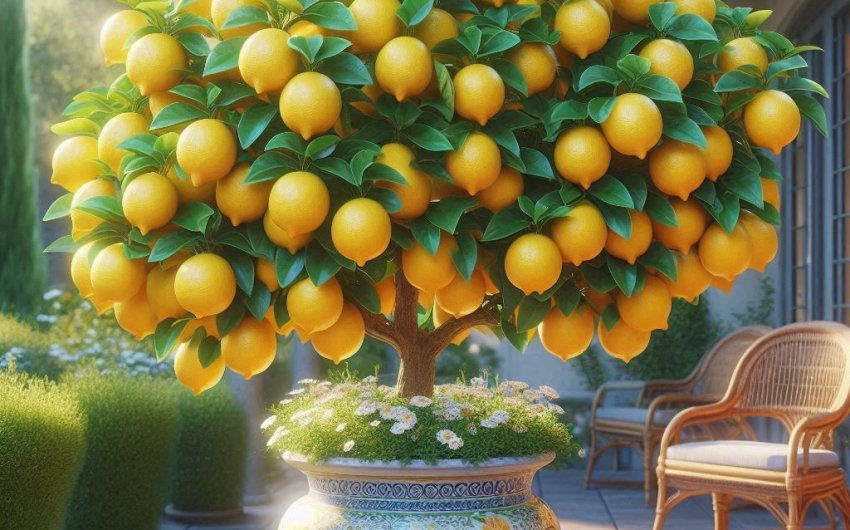
Caring for citrus trees in pots involves providing ample sunlight, consistent moisture with excellent drainage, and specialized citrus fertilizer. These essential tips are crucial for maintaining healthy, productive trees, especially when grown as ornamental and fruiting potted plants outside their native tropical or subtropical climates.
Why Grow Citrus Trees in Pots?
Growing citrus trees in pots has become an increasingly popular practice for gardeners, especially those living outside the warm, frost-free regions where citrus typically thrives. This method offers a multitude of advantages that make cultivating these fragrant and fruitful trees a delightful and practical endeavor, even in less-than-ideal climates.
1. Climate Control and Winter Protection:
This is the most significant reason for growing citrus in pots.
- Frost Protection: Citrus trees are highly susceptible to frost damage. Potted citrus trees can be easily moved indoors to a protected environment (like a garage, sunroom, or greenhouse) when temperatures drop below freezing. This allows gardeners in USDA Zones 8 and colder to enjoy fresh citrus fruits that would otherwise be impossible to grow.
- Optimal Temperature Zones: Even within warm climates, pots allow you to position trees to avoid scorching afternoon sun in extreme heat or to maximize sun exposure during cooler months.
2. Space Efficiency:
Many citrus trees can grow into large shrubs or small trees when planted in the ground.
- Small Yards & Patios: Pots are perfect for limited spaces such as balconies, patios, rooftops, or small urban backyards. You can enjoy the beauty and bounty of a citrus tree without needing a large landscape.
- Ornamental Value: A well-groomed potted citrus tree with its glossy evergreen foliage, fragrant blossoms, and colorful fruit makes a beautiful, architectural statement on a patio or by an entryway.
3. Soil Control:
Citrus trees have specific soil needs: they prefer well-draining, slightly acidic soil.
- Custom Mix: Pots allow you to create the perfect custom potting mix from scratch, ensuring optimal drainage, aeration, and nutrient levels regardless of your native soil type. This is particularly beneficial if your native soil is heavy clay (which leads to root rot) or very alkaline (which can cause nutrient deficiencies).
- Disease Prevention: Using fresh, sterile potting mix can prevent soil-borne diseases and nematodes that might be present in garden soil.
4. Easier Pest and Disease Management:
While not entirely immune, containerized citrus trees can be easier to monitor and manage for certain pests and diseases.
- Localized Treatment: It's often easier to spot treat a specific potted plant for spider mites or scale than a large in-ground tree.
- Isolation: If a potted citrus tree develops a contagious pest or disease, it can be easily isolated from other plants.
5. Aesthetic Flexibility:
Potted citrus trees offer design versatility.
- Decor: They can be used as temporary decor pieces, moved to different areas of the patio for events, or serve as seasonal focal points.
- Accent Plants: Their evergreen nature and vibrant fruit make them ideal accent plants year-round.
6. Quicker Fruiting and Manageable Harvest:
- Dwarf Varieties: Many citrus varieties suitable for pots are naturally dwarf or grown on dwarfing rootstock, meaning they start producing fruit at a younger age and remain a manageable size for easy harvesting.
- Accessible Fruit: Fruit on a potted citrus tree is always within easy reach, eliminating the need for ladders.
7. Portability for Seasonal Changes:
Even in climates where citrus trees might survive mild winters outdoors, moving them indoors during extreme cold snaps can significantly reduce stress and damage, ensuring continued health and productivity.
For all these reasons, caring for citrus trees in pots is a rewarding endeavor that allows a wider range of gardeners to enjoy the lush foliage, fragrant blossoms, and delicious fruits of these beautiful plants. These essential tips will help your potted citrus trees thrive.
What is the Best Container Size and Type for Citrus Trees?
Choosing the best container size and type is absolutely fundamental for caring for citrus trees in pots. Citrus trees are long-lived and require ample space for their root systems to develop, which directly impacts the tree's health, vigor, and fruit production.
Container Size: Start Big, Go Bigger
- Initial Size (Young Plant): When you first acquire a young citrus tree, it will likely come in a 1-gallon or 3-gallon nursery pot. You should transplant it into a slightly larger pot immediately, but don't jump to its final size too quickly. A good starting pot size for a new 1-3 gallon plant is an 8-10 gallon container (approximately 14-16 inches in diameter and depth).
- Mature Size (Long-Term Home): As your citrus tree grows, it will need progressively larger pots. The ideal long-term size for a mature dwarf citrus tree is typically 15-25 gallons (approximately 18-24 inches in diameter and depth). Some larger dwarf varieties or those you want to grow as mini-trees might even benefit from 30-gallon or half-whiskey barrel sized containers.
- Why Large is Important:
- Root System Development: Citrus trees need extensive root systems to support their top growth and heavy fruit production. Larger pots provide the necessary space.
- Moisture Retention: Smaller pots dry out extremely quickly, especially in hot weather, leading to constant plant stress. Larger soil volume retains moisture more consistently, reducing watering frequency.
- Nutrient Availability: More soil means more space for nutrients, providing a more stable feeding environment.
- Stability: Citrus trees can become top-heavy, especially when laden with fruit. A larger, heavier pot provides essential stability, preventing tipping in wind.
Container Type: Drainage is Non-Negotiable
Regardless of the material, your chosen container must have ample drainage holes at the bottom. Citrus trees are highly susceptible to root rot if their roots sit in standing water.
- Terracotta Pots:
- Pros: Porous nature promotes excellent airflow to roots and helps prevent overwatering by wicking away excess moisture. Very attractive, classic look.
- Cons: Heavy and fragile. They dry out very quickly, especially in hot, dry climates, meaning you will need to water more frequently. Can be expensive for large sizes.
- Plastic Pots (Heavy-Duty Nursery Pots):
- Pros: Lightweight (when empty), affordable, durable, and retain moisture well (less frequent watering than terracotta).
- Cons: Can overheat in direct sun if they are black (choose lighter colors or place them inside a larger, decorative pot). Requires sufficient drainage holes drilled if repurposing (often, large nursery pots come with good drainage already). Less aesthetically pleasing on their own.
- Recommendation: Look for heavy-duty plastic nursery pots designed for trees, not flimsy decorative ones.
- Fabric Grow Bags:
- Pros: Excellent drainage and aeration. Promotes "air pruning" for a dense, healthy root system. Very lightweight and easy to move (many come with handles). Can keep roots cooler in intense heat.
- Cons: Can dry out even faster than terracotta in hot, windy conditions, requiring very frequent watering. Appearance may not suit all aesthetics.
- Recommendation: VIVOSUN Fabric Grow Bags.
- Half Whiskey Barrels:
- Pros: Large volume, excellent drainage (if holes are drilled), sturdy, and very aesthetically pleasing, offering a rustic look.
- Cons: Very heavy once filled, making them difficult to move without a plant caddy. Can be expensive. Ensure they are untreated or food-safe if repurposed (as wood can leach chemicals).
Practical Considerations:
- Weight: Large pots filled with soil and a mature citrus tree are incredibly heavy. Plan their final outdoor and indoor locations before filling. Consider a sturdy plant caddy with wheels for mobility. Heavy Duty Plant Caddy with Wheels.
- Drainage Holes: Reiterate – absolutely essential. If a pot doesn't have them, drill several large ones (1/2 inch to 1 inch diameter).
- Repotting: Plan to repot your citrus tree into a larger pot every 2-3 years initially, then every 3-5 years as it matures, or until it reaches its final container size. Root pruning and refreshing soil may be needed then.
By selecting an appropriately large container with excellent drainage, you'll provide the perfect foundation for healthy citrus trees in pots and ensure they thrive for many years to come.
What is the Best Potting Mix and Planting Method for Container Citrus?
The potting mix and planting method are arguably the most critical components for successfully caring for citrus trees in pots. These trees have very specific needs regarding drainage, aeration, and nutrient availability, and the right combination will prevent common problems and promote a healthy, productive tree.
Best Potting Mix: Well-Draining and Slightly Acidic
Citrus trees in pots require a potting mix that offers an exquisite balance: it must drain rapidly to prevent root rot, yet retain enough moisture and nutrients to support vigorous growth and fruit production. It also needs to be slightly acidic. Standard garden soil is a definite no-go as it compacts in containers.
- Key Characteristics:
- Excellent Drainage: Paramount. Roots cannot tolerate soggy conditions.
- Good Aeration: Roots need oxygen. A fluffy, airy mix is vital.
- Moisture Retention: Despite fast drainage, the mix needs to hold enough water for the plant's needs between waterings.
- Slightly Acidic pH: Citrus trees prefer a pH range of 6.0 to 7.0, ideally around 6.0-6.5. This pH helps them absorb nutrients efficiently.
- Ideal Composition (DIY Mix):
- 50-60% High-Quality Peat-Based Potting Mix: (Or coco coir as a sustainable alternative). This provides moisture retention and a slightly acidic base. Ensure it's not a heavy garden soil. Espoma Organic Potting Mix.
- 20-30% Perlite and/or Pumice: These are crucial for aeration and drainage. Perlite is lightweight; pumice adds weight and is good for stability. Perlite for Plants.
- 10-20% Pine Bark Fines or Small Orchid Bark: (Fine-grade, not chunky nuggets). This provides excellent long-term aeration, slowly breaks down, and helps maintain a slightly acidic pH as it decomposes. It mimics the well-drained, organic forest floor conditions some citrus prefer.
- (Optional) Organic Compost/Aged Manure: A small percentage (e.g., 5-10%) can be added for initial nutrient boost, but be cautious not to make the mix too heavy or moisture-retentive.
- Commercial Citrus-Specific Mixes: Some companies offer pre-blended mixes specifically for citrus trees or palms. These are often a good, convenient option. FoxFarm Ocean Forest Potting Soil can work if amended with more perlite/bark.
- Avoid:
- Heavy garden soil or topsoil.
- "Moisture-retaining" potting mixes with water-absorbing crystals.
- Fine sand, which compacts easily.
Planting Method (Step-by-Step for New Trees):
Prepare the Container:
- Ensure your chosen large pot has ample drainage holes. If repurposing a plastic tub, drill additional 1/2-inch to 1-inch holes generously across the bottom.
- Place a screen or a few shards of broken pottery over the drainage holes to prevent soil from washing out, but avoid a thick layer of gravel, which can create a perched water table.
- If using a very heavy pot, position it on a plant caddy with wheels or in its permanent outdoor location before filling.
Add Initial Potting Mix:
- Fill the bottom of the pot with enough potting mix so that when you place your citrus tree in, the top of its root ball will be about 2-3 inches below the rim of the pot. This space is essential for watering and prevents soil overflow.
Prepare the Tree:
- Carefully remove the citrus tree from its nursery pot. Turn it on its side, tap the bottom, and gently slide it out.
- Inspect the root ball. If roots are circling tightly, gently loosen them at the bottom with your fingers to encourage them to grow outwards into the new soil. Do not over-disturb the root ball too much, as citrus can be sensitive.
Position the Tree:
- Place the citrus tree in the center of the new pot. The base of the tree (where the trunk meets the roots) should be at the same level as it was in its original pot, or slightly above the new soil line. Do not bury the root flare or trunk, as this can lead to rot.
Fill with Potting Mix:
- Carefully backfill around the root ball with your chosen potting mix, gently tamping it down to remove large air pockets. Avoid compacting the soil too tightly. Leave 1-2 inches of space between the soil surface and the rim of the pot.
Water Thoroughly:
- Water the newly planted citrus tree deeply and slowly until water drains freely from the bottom of the pot. This settles the soil around the roots and eliminates any remaining air pockets.
- Check for settling; you may need to add a bit more mix after the first watering.
Mulch (Optional but Recommended):
- Apply a thin layer (1-2 inches) of organic mulch (like pine bark nuggets or shredded leaves) on top of the soil, keeping it a few inches away from the trunk. This helps retain moisture, regulate soil temperature, and suppress weeds.
By meticulously choosing and preparing your potting mix and following proper planting methods, you'll lay the strongest foundation for caring for citrus trees in pots and ensuring they thrive with lush foliage and abundant fruit.
How to Water and Fertilize Citrus Trees in Pots?
Proper watering and fertilizing are arguably the most crucial aspects of caring for citrus trees in pots. Because they are in confined spaces, containerized citrus trees have very different and often more demanding needs than those planted in the ground. Getting these two elements right is fundamental to preventing common problems and ensuring a healthy, productive tree.
Watering Citrus Trees in Pots: The Art of Consistency and Drainage
Citrus trees are thirsty plants, especially when actively growing and fruiting, but they are also highly susceptible to root rot if they sit in soggy soil. The balance between consistent moisture and excellent drainage is key.
- Frequency:
- There is no fixed schedule. Watering frequency depends on the pot size, type of potting mix, tree size, weather (temperature, humidity, wind), and time of year.
- During the active growing season (spring through summer, and when indoors during winter), you will likely need to water frequently – perhaps daily or every other day during hot, dry, or windy periods.
- In cooler weather, or during dormancy (if the tree is held in a very cool, dark indoor space), watering frequency can be significantly reduced.
- How to Check (The Golden Rule): Always check the soil moisture before watering.
- Finger Test: Stick your finger 2-3 inches deep into the potting mix. If it feels dry at that depth, it's time to water.
- Moisture Meter: A moisture meter (XLUX Soil Moisture Meter) provides a more accurate reading deeper in the pot.
- Lift the Pot: For smaller pots, you can learn to judge by weight. A dry pot will feel much lighter than a watered one.
- How to Water:
- Water Deeply and Thoroughly: Apply water slowly and evenly over the entire soil surface until it drains freely and abundantly from the bottom drainage holes. This ensures the entire root ball is saturated.
- Avoid Standing Water: Never let the pot sit in a saucer of standing water. Always empty the saucer a few minutes after watering to prevent root rot. This is a common killer of potted citrus trees.
- Morning Watering (Ideal): Watering in the morning allows any excess moisture on the foliage to dry before nightfall, which helps prevent fungal diseases.
- Signs of Improper Watering:
- Underwatering: Leaves will wilt, curl, look dull, and may drop. Soil will be bone dry.
- Overwatering: Leaves may yellow (especially lower leaves), appear bloated, drop rapidly, and the soil will remain perpetually soggy. Root rot symptoms like mushy stems may appear.
Fertilizing Citrus Trees in Pots: Consistent Feeding is Essential
Citrus trees in pots are heavy feeders because their root systems are confined and quickly deplete the nutrients in the potting mix. Regular and specialized fertilization is absolutely essential for healthy growth, abundant flowering, and good fruit production.
- Type of Fertilizer:
- Use a specialized citrus fertilizer. These are formulated with the correct balance of macronutrients (Nitrogen-Phosphorus-Potassium, NPK) and crucial micronutrients like iron, zinc, manganese, and magnesium, which citrus trees commonly need (especially iron to prevent chlorosis/yellowing leaves).
- Look for an NPK ratio around 5-1-3 or similar, with added micronutrients.
- Recommendation: Citrus Tree Fertilizer Spikes for slow release or Jobe's Organics Fruit & Citrus Fertilizer Spikes. For liquid feed: Dyna-Gro Foliage-Pro or a specific citrus liquid feed.
- When to Fertilize:
- Active Growing Season: Fertilize frequently during the active growing season (spring through summer). Many growers fertilize with diluted liquid feed every 2-4 weeks. Slow-release granular products are applied less frequently, as per label.
- Reduce/Stop in Winter (if dormant): If you move your citrus tree indoors to a cool, low-light, dormant environment for winter, reduce or stop fertilizing. If it's indoors in a warm, bright spot and still actively growing, continue light fertilization.
- How to Fertilize:
- Liquid Feed: Always dilute liquid fertilizers according to package directions. For potted citrus, often use at half strength to avoid burn. Apply during a regular watering session.
- Granular/Spikes: Apply evenly over the soil surface or insert spikes as directed, keeping away from the trunk. Water thoroughly after application to activate.
- Signs of Nutrient Deficiency (Common in Pots):
- Yellowing Leaves (Chlorosis): Often indicates iron, zinc, or manganese deficiency, especially if the veins remain green. A common sign in potted citrus.
- Pale or Stunted Growth: General nutrient deficiency.
- Avoid: Over-fertilization, which can lead to salt buildup in the soil, root burn, and stunted growth. Yellowing or brown leaf tips can be a sign.
By mastering the balance of watering and fertilizing, you provide the essential tips for caring for citrus trees in pots, ensuring they remain healthy, produce abundant blooms, and yield delicious fruit year after year.
How to Prune and Train Citrus Trees in Pots?
Pruning and training are essential tips for caring for citrus trees in pots. While these trees naturally have an attractive shape, strategic pruning helps maintain a manageable size, encourages better air circulation, and promotes more fruit production, especially in the confined environment of a pot.
Why Prune Citrus in Pots?
- Size Control: Keeps the citrus tree compact and proportionate to its pot, making it easier to move indoors and manage in small spaces.
- Shape and Structure: Encourages a strong, balanced framework that can support the weight of fruit.
- Air Circulation: Opens up the canopy, reducing humidity and improving airflow, which helps prevent fungal diseases and pest infestations.
- Fruit Production: Directs the tree's energy into fruiting wood rather than excessive vegetative growth. Light pruning can stimulate more branching and therefore more flowering/fruiting sites.
- Health: Removes dead, diseased, or damaged branches, improving overall tree vigor.
When to Prune:
The best time for major pruning is late winter to early spring, just before new growth flushes appear or after the main fruit harvest.
- Avoid: Pruning heavily in late summer or fall, as this encourages new growth that won't have time to harden off before winter, making it vulnerable to cold damage.
Basic Pruning Techniques:
- Remove Dead, Damaged, or Diseased Branches:
- Always the First Step: Use sharp, sterilized pruning shears. Make clean cuts back to healthy wood. This improves plant health and prevents disease spread. Fiskars Bypass Pruning Shears.
- Remove Suckers and Watersprouts:
- Suckers: These are vigorous shoots that grow from below the graft union (the swollen knob usually visible on the lower trunk). They come from the rootstock and will not produce desirable fruit. Remove them immediately and cleanly, cutting them flush with the trunk or rootstock.
- Watersprouts: These are fast-growing, upright, non-fruiting shoots that emerge from the main branches, often with larger leaves. Remove them, or if you want to promote a new scaffold branch, you can prune them back and train them.
- Thin the Canopy for Airflow:
- Goal: Create an open structure that allows light and air to penetrate the center of the tree.
- Technique: Remove any inward-growing branches, crossing branches, or branches that are rubbing against each other. Aim for an even distribution of branches.
- Shape and Size Control:
- Overall Size: Cut back branches to maintain the desired height and spread. Make cuts just above an outward-facing bud or a lateral branch.
- Pruning for Fruit: Citrus trees typically fruit on new wood (the growth from the current or previous year). Light pruning can encourage this new growth. However, don't remove all the new growth.
- Balance: Aim for a balanced, aesthetically pleasing shape that fits your space.
Training for Optimal Shape and Fruit:
- Young Trees: For very young trees, encourage a central leader (main stem) or a multi-stemmed bush shape, depending on your preference.
- Scaffold Branches: Select 3-5 strong, well-spaced branches to form the main "scaffold" of the tree. Remove weaker branches.
- Open Center: Train the branches outwards to create an open center, allowing light to reach all parts of the canopy.
- Graft Union: Always ensure the graft union (where the fruiting variety is joined to the rootstock) remains above the soil line and is clearly visible.
Dealing with Fruit Load:
- Thinning (Optional but Recommended): Young or newly established citrus trees may set too much fruit, which can stress the tree and lead to smaller, less flavorful fruit. Consider thinning the fruit by removing some of the smaller, weaker ones, leaving adequate spacing. This allows the tree to put energy into developing larger, better-quality fruit.
- Support: If branches are heavily laden with fruit, provide support (e.g., stakes, gentle ties) to prevent breakage.
By diligently following these pruning and training essential tips, you will effectively manage the growth of your citrus trees in pots, promoting their health, longevity, and consistent production of delicious fruit.
Protecting Citrus Trees in Pots Over Winter
Protecting citrus trees in pots over winter is arguably the most critical aspect of caring for citrus trees in pots for anyone living outside USDA Zones 9-11. These tropical and subtropical plants are highly susceptible to frost damage, and even a light freeze can be fatal. Proper winterization ensures your beloved citrus tree survives the cold months to thrive again in spring.
Why Container Citrus Are Vulnerable:
- Root Exposure: In the ground, soil acts as a natural insulator, protecting roots from freezing temperatures. In a pot, the roots are much more exposed to ambient air temperatures, making them far more susceptible to freeze-thaw cycles and direct root damage.
- Winter Desiccation: When the soil in a pot freezes solid, roots cannot take up water. Even if the plant is technically "dormant," it can suffer from dehydration if it remains frozen for too long, leading to foliage browning and dieback.
When to Bring Citrus Indoors:
- Temperature Threshold: The general rule is to bring citrus trees indoors when outdoor temperatures consistently drop to 40-45°F (4-7°C) at night, or if a hard frost (below 32°F / 0°C) is predicted.
- Acclimatization (Gradual Transition): Avoid shocking the plant with a sudden move from bright outdoor light to a darker indoor environment.
- Weeks Before: If possible, gradually introduce the tree to lower light conditions by moving it to a shadier outdoor spot for a week or two before the final indoor move.
- Check for Pests: Before bringing any potted citrus tree indoors, thoroughly inspect it for pests (spider mites, scale, mealybugs) and treat them to prevent an indoor infestation. Neem Oil for Plants is a good organic option.
Ideal Indoor Winter Environment:
The goal is to provide conditions that mimic their dormant or semi-dormant natural state without causing stress.
- Light:
- Brightest Available: Provide the brightest possible light. A south-facing window is ideal. Lack of light is a major cause of leaf drop indoors.
- Supplemental Lighting: If natural light is insufficient (common in northern climates), use grow lights (fluorescent shop lights or LED grow lights) to supplement for 12-16 hours a day. Barrina T5 Grow Lights.
- Temperature:
- Cooler is Better (for dormancy): Ideally, an indoor temperature of 55-65°F (13-18°C) is best for most citrus to rest without dropping leaves. Too warm can lead to leggy growth and increased pest susceptibility due to low indoor humidity.
- Avoid Drafts: Keep away from heating vents or cold drafts.
- Humidity:
- High Humidity is Ideal: Indoor heating systems drastically lower humidity, which can stress citrus trees and encourage spider mites.
- Solutions: Use a humidifier near the plant, place the pot on a pebble tray filled with water (ensure the pot is on pebbles, not in water), or mist leaves daily (ensure good air circulation to prevent fungal issues).
- Watering:
- Reduce Frequency: Water much less frequently than outdoors. Allow the top 2-3 inches of soil to dry out completely before watering again. Overwatering indoors is a common cause of root rot.
- Thorough Watering: When you do water, water deeply until it drains from the bottom.
- Fertilizing:
- Stop or Reduce: If the plant is in a cool, low-light, truly dormant state, stop fertilizing. If it's in a bright, warm spot and still actively growing, reduce fertilizer frequency to about once every 4-6 weeks with a diluted citrus-specific fertilizer.
Dealing with Winter Challenges:
- Leaf Drop: Common, especially if the light and humidity levels indoors are very different from outdoors, or due to over/underwatering. Don't panic; new leaves will emerge in spring.
- Pests: Inspect regularly (at least weekly) for spider mites (look for tiny webs, speckled leaves), scale (tiny bumps), and mealybugs (cottony masses). Treat promptly with insecticidal soap or neem oil. Low humidity increases pest risk.
When to Move Citrus Back Outdoors in Spring:
- Gradual Acclimatization: When spring temperatures consistently stay above 40-45°F (4-7°C) at night, you can begin the reverse process.
- Hardening Off: Gradually expose the citrus tree to outdoor conditions over 1-2 weeks, starting in a shaded spot and slowly moving it into brighter light to prevent leaf scorch.
By carefully planning and executing these essential tips for winter protection, you'll ensure your citrus trees in pots remain healthy and productive, bringing the taste of the tropics to your home year after year.
Common Problems and Troubleshooting for Citrus Trees in Pots
Even with the essential tips for caring for citrus trees in pots, you might encounter some common problems. Knowing how to identify the signs and effectively troubleshoot them will help keep your citrus tree healthy and productive. Most issues stem from imbalances in light, water, or nutrients.
1. Yellowing Leaves (Chlorosis)
- Symptoms: Leaves turn pale green or yellow, often with green veins (interveinal chlorosis). New growth may be most affected.
- What Went Wrong:
- Nutrient Deficiency (Most Common): Often indicates a lack of iron, zinc, or manganese. These are common deficiencies in potted citrus because nutrients can be leached out or become unavailable at incorrect pH.
- Improper pH: Soil pH that is too high (alkaline) locks up these micronutrients, even if they are present in the soil.
- Overwatering/Poor Drainage: Can lead to root damage, preventing nutrient uptake.
- Solution:
- Fertilize: Use a specialized citrus fertilizer that includes iron, zinc, and manganese. Apply regularly during the growing season. Citrus Tree Fertilizer Spikes.
- Check pH: If a soil test reveals alkaline soil, apply a soil acidifier specifically designed for plants (like elemental sulfur or chelated iron).
- Improve Drainage: Ensure your potting mix is very well-draining and the pot has ample holes. Correct watering habits.
- Foliar Spray: For a quick fix, use a chelated iron foliar spray on the leaves.
2. Leaf Drop (Massive Defoliation)
- Symptoms: Leaves rapidly yellow and fall off in large numbers.
- What Went Wrong:
- Sudden Environmental Change: Most common cause! Moving a citrus tree from outdoor sun to a dark indoor spot, or from one extreme temperature to another, causes shock.
- Overwatering: Leads to root rot, causing leaves to drop. The soil will be soggy.
- Underwatering: Severe drought can also cause leaves to drop. The soil will be bone dry.
- Low Humidity: Especially common indoors in winter with dry indoor air.
- Pests: Severe infestations of spider mites or scale can lead to heavy leaf drop.
- Solution: Identify and correct the sudden change or watering issue. Provide consistent light and humidity. Inspect for pests. Don't panic; citrus trees are resilient and usually recover once conditions are stable, though it may take time.
3. Brown, Crispy Leaf Tips or Edges
- Symptoms: Leaf edges or tips turn brown and crispy.
- What Went Wrong:
- Underwatering: The most common cause. The plant isn't getting enough moisture.
- Salt Buildup: Accumulation of salts from fertilizer or hard tap water.
- Low Humidity: Dry air can lead to crispy tips, especially indoors.
- Sunburn: Less common, but can happen if moved from shade to intense sun too quickly.
- Solution: Water more consistently. If salt buildup is suspected, flush the pot thoroughly with plain water (let water drain repeatedly). Increase humidity (pebble tray, humidifier). Acclimatize to sun.
4. Lack of Flowering or Fruiting
- Symptoms: Tree is growing but producing few or no flowers, or flowers fall off before setting fruit.
- What Went Wrong:
- Not Enough Sunlight: Needs 6-8+ hours of direct sun for good flowering.
- Too Much Nitrogen: An imbalance favoring leafy growth over flowering/fruiting.
- Immature Tree: Very young trees may not be old enough to produce.
- Temperature Stress: Too hot or too cold, or sudden temperature fluctuations.
- Pollination Issues: Indoors, lack of pollinators may prevent fruit set even if flowers appear.
- Solution: Ensure full sun. Use a balanced or fruit-specific citrus fertilizer (lower nitrogen, higher phosphorus/potassium). Provide ideal temperatures. Indoors, hand-pollinate flowers with a small paintbrush or cotton swab.
5. Pests (Spider Mites, Scale, Mealybugs)
- Symptoms:
- Spider Mites: Tiny red/brown dots, fine webbing, speckled or bronzed leaves.
- Scale: Small, immobile bumps (brown, black, or white) on stems and leaves.
- Mealybugs: White, cottony masses in leaf axils or on stems.
- What Went Wrong: Pests found your plant, often brought in from outdoors or favored by dry indoor conditions.
- Solution:
- Isolate: Immediately isolate the affected citrus tree.
- Manual Removal: For light infestations, wipe off pests with a cotton swab dipped in rubbing alcohol.
- Spray: Use insecticidal soap or neem oil spray (diluted according to directions). Apply thoroughly, ensuring good coverage, especially undersides of leaves. Repeat every 7-10 days. Neem Oil for Plants.
- Prevention: Inspect plants regularly, especially before bringing indoors. Increase humidity, as spider mites thrive in dry conditions.
By understanding these common problems and applying these troubleshooting techniques, you'll be well-equipped with the essential tips for caring for citrus trees in pots and maintaining their health and productivity for years to come.