
Setting Up Drip Irrigation: Efficient Watering for Vegetable Gardens
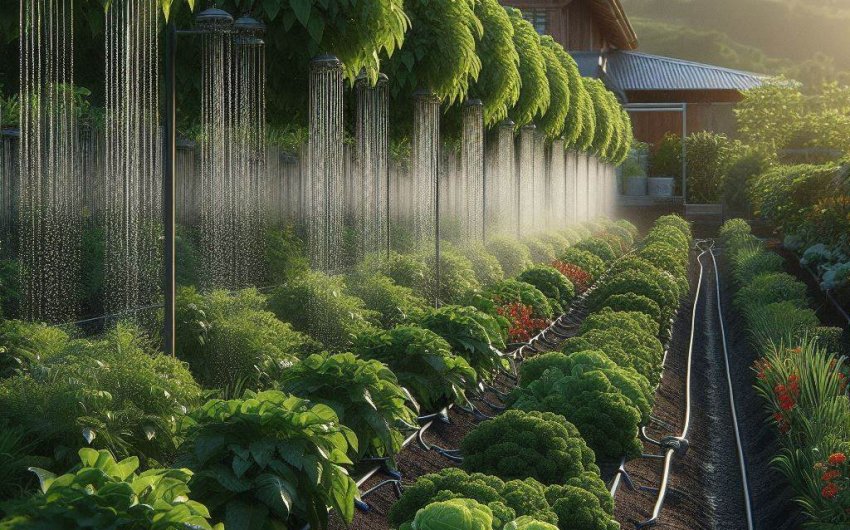
Watering a vegetable garden efficiently is key to producing healthy plants and conserving resources. One of the best methods for targeted, consistent watering is drip irrigation. Drip irrigation slowly delivers water directly to plant roots, minimizing waste and keeping the garden moist without oversaturating it. This method not only saves water but also reduces the likelihood of diseases associated with wet leaves and soil erosion.
This guide will walk you through the process of setting up a drip irrigation system for your vegetable garden, from planning the layout to choosing the right components and assembling your system.
Why Choose Drip Irrigation?
Drip irrigation is an eco-friendly watering method that helps reduce water waste by delivering it directly to plant roots. Here are some of the primary benefits:
- Water Conservation: Compared to traditional watering methods, drip irrigation reduces water use by up to 50%.
- Healthier Plants: Watering at the root zone promotes deep root growth, reduces leaf diseases, and keeps plant foliage dry.
- Consistent Moisture: Drip irrigation provides a steady water supply, which is ideal for vegetables that require consistent moisture, such as tomatoes and cucumbers.
- Reduced Weeds: Targeted watering means less moisture on the soil surface, discouraging weeds from sprouting.
For an efficient system, you can start with a Drip Irrigation Kit ($20 - $50) that includes basic components for a vegetable garden setup.
Planning Your Drip Irrigation Layout
Before you purchase any materials, plan the layout of your system based on your garden's shape, size, and plant arrangement.
1. Measure Your Garden Area
Start by measuring the area you want to irrigate. Knowing the dimensions helps you determine how much tubing and how many emitters you need. If you have a raised bed or a container garden, you’ll need a shorter setup, while larger in-ground beds require longer tubing.
- Tip: Use a measuring tape to mark out areas where each plant or row will need water, or try a Garden Measuring Tape ($5 - $15) for an accurate layout.
2. Choose Your Water Source
Decide where your water source is located. A spigot or garden hose is the most common water source for drip irrigation. Your mainline tubing will connect to the water source and run through your garden. If your water source is far from your vegetable garden, measure the distance to ensure you have enough tubing.
Consider a Hose Extension ($10 - $25) if your water source is too far from the garden.
3. Plan Plant Spacing and Placement
Plan your system based on plant placement. If you’re watering rows of vegetables, space your emitters along the rows for even coverage. For individual plants, like tomatoes or peppers, plan to install emitters at each plant base.
If your garden has plants with different water needs, consider grouping plants with similar requirements together. This makes it easier to adjust the watering schedule and amount as needed.
Key Components for Drip Irrigation
Understanding the main components of a drip irrigation system will help you set up a functional and reliable system. Here’s what you need to get started:
1. Mainline Tubing
The mainline tubing is the backbone of your drip irrigation system, delivering water from the source to your garden. This tubing should be flexible, durable, and UV-resistant to withstand outdoor conditions.
For vegetable gardens, use 1/2-inch tubing for the mainline, which is ideal for water flow. You can find durable options by looking for Drip Irrigation Tubing ($10 - $20).
2. Emitters
Emitters, also known as drippers, control the water flow to each plant. Emitters release water slowly, allowing it to seep directly into the soil. Different plants require different flow rates, so choose emitters with appropriate flow rates for your vegetables. Most vegetable gardens work well with emitters that release 1 gallon per hour (GPH).
For adjustable emitters, try Drip Emitters ($5 - $15), which allow you to control the water output.
3. Connectors and Fittings
Connectors and fittings link different parts of the system. These include elbow fittings, T-fittings, and end caps, which allow you to customize the layout of your tubing. Ensure you have enough fittings to cover the entire system layout and connect the tubing in your desired pattern.
Find versatile options in Irrigation Fitting Sets ($8 - $15) for a complete setup.
4. Pressure Regulator
Most household water sources have a pressure level that is too high for drip irrigation. A pressure regulator lowers the water pressure to a level suitable for your system, preventing damage to the tubing and emitters.
For consistent water flow, invest in a Drip Irrigation Pressure Regulator ($10 - $15) to protect your system.
5. Filter
A filter prevents debris from clogging the emitters, ensuring the system runs smoothly. Filters are especially important if you’re using water from a rain barrel or other sources that may contain particles.
Find a Drip Irrigation Filter ($8 - $12) to keep your system free of blockages.
6. Timer
A timer automates the watering schedule, allowing you to set specific times for the system to run. This is a convenient feature for those who have busy schedules or travel often. Timers can be connected to your water source, enabling the system to water your garden even when you’re away.
Automate your watering with a Programmable Water Timer ($15 - $35).
Step-by-Step Guide to Setting Up Your Drip Irrigation System
With your components ready, it’s time to set up the drip irrigation system in your vegetable garden. Follow these simple steps to ensure a successful setup:
Step 1: Connect the Pressure Regulator and Filter to the Water Source
Attach the pressure regulator to your water source to lower the water pressure, preventing the tubing from bursting. Next, connect the filter to the pressure regulator to keep particles out of your system.
Secure these components to your spigot or hose, then test the connection to ensure there are no leaks.
Step 2: Lay Out the Mainline Tubing
Unroll the mainline tubing and lay it across your garden, following the rows of plants or individual plants as planned. Cut the tubing as needed to fit your garden layout, and use connectors to create turns or branch off into other rows.
A Tubing Cutter ($5 - $10) can help you make clean cuts and simplify the setup.
Step 3: Install Emitters Near Plant Roots
Punch small holes in the tubing where each plant is located, and insert an emitter into each hole. Position the emitters close to the roots, as this is where the water will seep into the soil. Make sure each emitter is securely attached to the tubing.
For precision, use a Hole Punch Tool ($5 - $10) to create clean holes in the tubing.
Step 4: Secure the Tubing with Stakes
Secure the tubing to the ground with stakes to keep it in place. This prevents the tubing from shifting and ensures water is delivered precisely where it’s needed. Place stakes every few feet along the tubing to keep it stable, especially around turns and connectors.
Use Garden Stakes ($5 - $12) to hold your tubing in place for an organized system.
Step 5: Attach the End Caps
Seal off the ends of the tubing with end caps to keep water from leaking out of the system. Ensure the end caps are tightly fitted to maintain pressure and avoid any water wastage.
Explore options for Drip Irrigation End Caps ($5 - $10) to secure your tubing.
Step 6: Set the Timer (Optional)
If you’re using a timer, set it to the recommended watering schedule for your vegetables. For most gardens, 20-30 minutes a day is sufficient, but adjust the schedule based on weather conditions and plant needs. The timer can be connected to the water source, ensuring a hands-free watering routine.
Use a Programmable Timer ($15 - $30) for easy, automated watering.
Maintaining Your Drip Irrigation System
Once your drip irrigation system is in place, regular maintenance will ensure it stays efficient and effective throughout the growing season.
1. Check for Clogs
Emitters can become clogged over time due to mineral deposits or debris. Check each emitter regularly to ensure it’s delivering water at the correct rate. If an emitter is clogged, soak it in vinegar to dissolve deposits, or replace it if needed.
Stock up on Replacement Emitters ($5 - $15) in case any emitters need to be swapped out.
2. Inspect for Leaks
Leaks can reduce water pressure, causing the system to function improperly. Inspect the tubing, connectors, and fittings regularly to ensure there are no holes or gaps. Replace any damaged parts promptly.
Look into a Leak Repair Kit ($8 - $15) to quickly fix any issues that arise.
3. Adjust for Seasonal Changes
As the weather changes, you may need to adjust the watering schedule. During hot, dry spells, increase the frequency. In cooler, rainy seasons, reduce watering to avoid over-saturating the soil. Having a timer makes it easy to adjust based on seasonal conditions.
Keep track of watering needs with a Garden Notebook ($8 - $12) for each plant’s specific requirements.
Benefits of Drip Irrigation for Vegetable Gardens
Drip irrigation is particularly beneficial for vegetable gardens, as many vegetable plants have specific water needs. Here’s how drip irrigation can enhance your garden:
- Better Crop Quality: Plants receive consistent moisture, leading to higher-quality vegetables.
- Reduced Risk of Disease: Watering at the root level reduces leaf wetness, lowering the risk of fungal diseases.
- Greater Water Efficiency: Water goes directly to the roots, minimizing evaporation and waste.
- Less Weeding: Targeted watering means fewer weeds, as non-vegetable areas remain dry.
Setting up drip irrigation may take some initial effort, but the rewards in plant health, water savings, and convenience make it a worthwhile investment. With a well-designed system, you’ll enjoy a healthier, more productive vegetable garden for seasons to come.