
How to Grow a Herb Garden in a Small Space
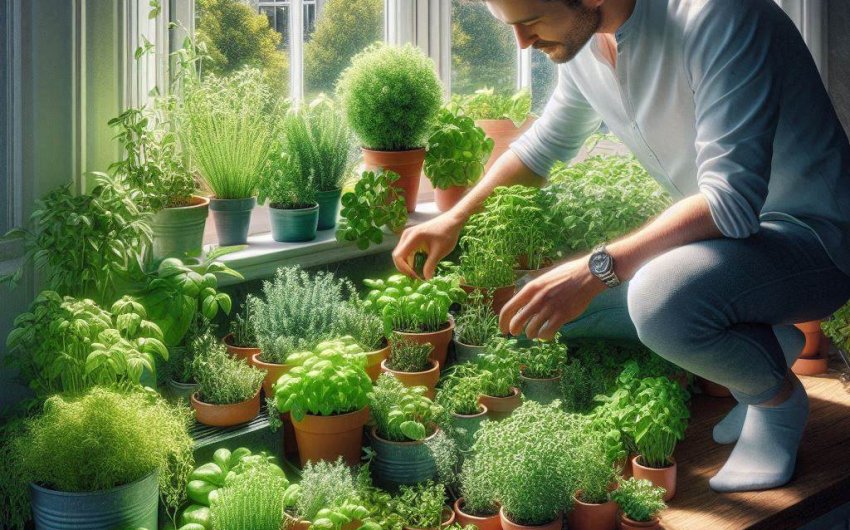
Growing a herb garden doesn’t require a large yard or garden bed. With a little creativity, you can cultivate a thriving herb garden even in the smallest of spaces. Whether you have a balcony, a sunny windowsill, or a corner in your kitchen, a small-space herb garden can provide fresh, aromatic herbs year-round.
This guide will take you through the steps of planning, planting, and caring for a compact herb garden that suits any small space.
Benefits of Growing a Herb Garden
Growing your own herbs is not only convenient but also rewarding. Here are a few reasons why starting a small herb garden is a great idea:
- Fresh Herbs at Your Fingertips: There’s nothing like picking fresh basil, mint, or thyme right when you need it.
- Better Flavor: Fresh herbs are often more flavorful than dried ones.
- Cost-Effective: Buying herbs can get expensive, so growing your own saves money.
- Aesthetically Pleasing: Herb gardens add beauty to any space, with lush green foliage and fragrant aromas.
With just a few basic supplies, you can create a mini herb garden and enjoy all these benefits.
Choosing the Right Location
The location of your herb garden is key to its success. Most herbs need a good amount of sunlight to thrive, so finding the right spot is essential.
1. Look for Natural Light
Herbs grow best in full sun, so look for a spot that gets at least 6-8 hours of direct sunlight each day. A south-facing window or balcony is ideal for most herbs. If natural light is limited, consider using Grow Lights ($20 - $40) to provide the necessary light.
2. Use Vertical Space
If floor or counter space is limited, think vertically. A wall-mounted planter or hanging pots allow you to maximize space and add visual interest to your herb garden. Vertical gardens also make it easier to reach each plant without taking up much room.
Try a Vertical Garden Planter ($30 - $60) to create a vertical herb display.
3. Choose Indoor vs. Outdoor
Decide if you want your herbs indoors or outdoors. Indoor herb gardens are convenient and allow year-round growth, while outdoor herb gardens are ideal if you have a small balcony or patio. Choose herbs suited to your climate if you plan to grow them outside.
Selecting Herbs for a Small Space
Some herbs are better suited for small-space gardening than others. Here are a few popular herbs that grow well in compact spaces:
1. Basil
Basil is a versatile herb that grows well indoors and outdoors. It loves sunlight and warm temperatures, making it perfect for a sunny windowsill. Basil grows quickly, so regular pruning encourages fuller growth.
Find seeds for this kitchen staple in Basil Seeds ($5 - $10).
2. Mint
Mint is a hardy herb that can thrive in partial sunlight, making it a great choice for indoor herb gardens. Mint spreads quickly, so it’s best grown in its own container to prevent it from overtaking other herbs.
Explore varieties of mint in Mint Seeds ($5 - $8).
3. Rosemary
Rosemary adds a woody, fragrant touch to any herb garden. It requires plenty of sunlight and does well in containers. Rosemary grows slowly but can become a beautiful, fragrant addition to any small space.
Look for rosemary seeds or plants in Rosemary Seeds ($6 - $12).
4. Thyme
Thyme is a compact herb that grows well in containers and needs minimal space. It’s a sun-loving herb that thrives in full sunlight, and its small size makes it perfect for tight spaces.
Find thyme seeds to get started with Thyme Seeds ($5 - $10).
5. Parsley
Parsley is another great choice for small herb gardens. It prefers partial sun to full sun and can be grown in a container or even a small pot on a windowsill. Parsley grows well indoors and is easy to maintain.
Get parsley seeds with Parsley Seeds ($5 - $8).
Selecting the Right Containers
Choosing the right container is essential for growing healthy herbs. Here are a few container options that work well for small herb gardens:
1. Terracotta Pots
Terracotta pots are a classic choice for growing herbs. They are porous, allowing air and moisture to reach the soil, which helps prevent root rot. Make sure to use a pot with drainage holes to avoid water buildup.
Browse for Terracotta Pots ($10 - $25) in various sizes to suit your space.
2. Self-Watering Containers
Self-watering containers are a convenient option if you’re busy and need a low-maintenance solution. These pots hold a reservoir of water at the bottom, so the plants absorb water as needed.
Try a Self-Watering Planter ($15 - $30) to keep your herbs hydrated with minimal effort.
3. Hanging Planters
Hanging planters are excellent for small spaces, especially if you’re working with vertical space. They come in various styles, from macrame to wall-mounted pockets, allowing you to customize the look of your herb garden.
Find stylish options in Hanging Planters ($10 - $25) for a unique display.
4. Window Boxes
Window boxes are ideal if you have a sunny windowsill or balcony rail. They allow you to grow multiple herbs together, creating a mini herb garden in one container.
Browse options for Window Boxes ($15 - $35) to suit your space.
Choosing the Right Soil
Herbs thrive in well-draining, nutrient-rich soil. The right soil helps prevent issues like root rot and encourages healthy growth.
1. Use Potting Soil
Regular garden soil is often too dense for containers, so use potting soil instead. Potting soil is designed for container plants and typically contains additives like perlite or vermiculite for better drainage.
Find a high-quality Potting Soil ($10 - $20) to ensure your herbs grow well.
2. Add Compost
Adding a small amount of compost to your soil mix can enrich it with nutrients, helping your herbs grow strong and flavorful. Compost also improves soil texture and water retention.
Look for Organic Compost ($15 - $30) to boost soil quality naturally.
3. Check for Drainage
Ensure your containers have drainage holes to prevent water from pooling at the bottom. Good drainage is crucial for herbs, as they don’t like soggy soil. If you’re using pots without holes, add a layer of small rocks at the bottom to create space for excess water.
Explore Drainage Trays ($5 - $15) to catch excess water and keep surfaces clean.
Planting and Caring for Your Herbs
With your location, containers, and soil ready, it’s time to start planting. Here’s how to plant and care for your herbs in a small space:
1. Plant the Seeds or Seedlings
You can start with seeds or young plants. If using seeds, follow the instructions on the packet for spacing and depth. Most herbs can be planted 1/4 inch deep and spaced about 4-6 inches apart. If using seedlings, gently transplant them into the containers.
For an easy start, consider a Herb Seed Starter Kit ($10 - $25) to get all your favorite herbs in one pack.
2. Watering Tips
Herbs prefer soil that is consistently moist but not waterlogged. Check the soil by inserting your finger about an inch deep; if it feels dry, it’s time to water. In hot weather, herbs in small containers may need more frequent watering.
Use a Watering Can ($8 - $15) with a narrow spout for controlled watering.
3. Fertilize Regularly
Fertilize your herbs every 4-6 weeks to keep them healthy and encourage growth. Use a balanced liquid fertilizer diluted to half strength, as too much fertilizer can reduce the flavor of some herbs.
For easy feeding, try a Liquid Herb Fertilizer ($10 - $20) specially formulated for edible plants.
4. Prune and Harvest
Regularly prune your herbs to promote bushy growth and prevent them from becoming leggy. Harvest leaves as needed, but avoid taking more than one-third of the plant at a time. Frequent harvesting encourages herbs to produce more leaves.
For precise cuts, use a pair of Herb Scissors ($5 - $15) designed for cutting small stems.
Managing Pests and Problems
Even in small spaces, herbs can attract pests. Here are a few tips to keep your herb garden pest-free:
1. Inspect for Pests
Regularly inspect your plants for common pests like aphids, spider mites, and whiteflies. These pests can be treated with organic solutions such as neem oil or insecticidal soap.
Find Insecticidal Soap ($8 - $15) to treat pest problems safely.
2. Use Companion Planting
Some herbs act as natural repellents to pests. For example, planting basil near tomatoes can repel aphids and flies. Mint also deters ants and other small pests. Companion planting can enhance pest control in your small herb garden.
3. Watch for Overwatering
Overwatering is one of the most common issues with container herbs. Avoid keeping the soil soggy, as excess moisture can lead to root rot and attract pests. Check the soil moisture regularly and adjust watering based on your herbs’ needs.
Consider a Soil Moisture Meter ($10 - $20) to help you monitor moisture levels.
Enjoying and Using Your Fresh Herbs
With your herb garden established, enjoy the rewards of fresh herbs in your kitchen. Here are a few ways to use and preserve your harvest:
1. Cooking with Fresh Herbs
Use herbs fresh to add flavor to your favorite dishes. Basil is great for pasta and salads, rosemary adds depth to roasted vegetables, and thyme is perfect for soups. The possibilities are endless, and using fresh herbs can transform your meals.
2. Drying and Preserving
If your herbs produce more than you can use, consider drying them for later use. Hang small bundles of herbs in a dry, dark place, or use a Dehydrator ($30 - $50) to dry them quickly. Once dried, store herbs in airtight containers.
3. Freezing for Later Use
Some herbs, like basil and parsley, freeze well. Chop the herbs, place them in ice cube trays, and cover with water or olive oil before freezing. These herb cubes can be added directly to soups and sauces.
Explore Ice Cube Trays with Lids ($5 - $15) to freeze herbs conveniently.
By following these steps, you can create a beautiful and productive herb garden that fits perfectly into any small space. With the right setup and a little care, you’ll enjoy fresh, flavorful herbs year-round, no matter where you live.