
How Do I Care for a Peace Lily?
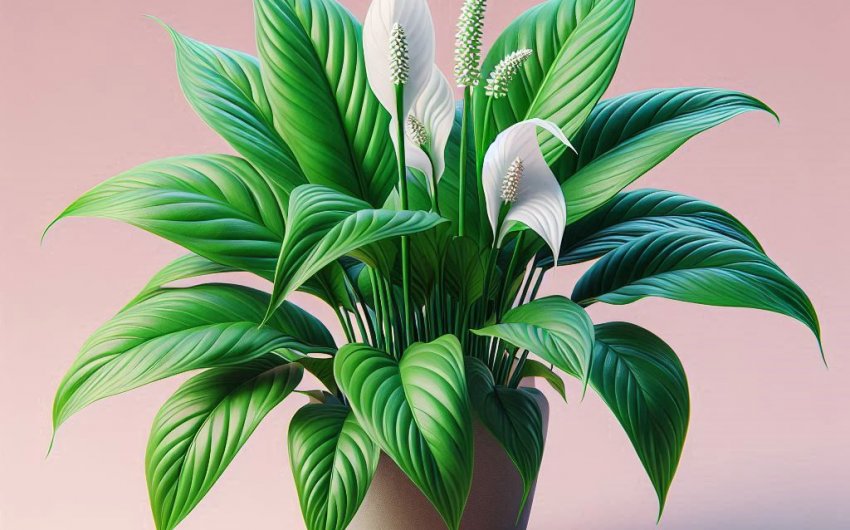
The elegant white blooms and lush green foliage of the Spathiphyllum, commonly known as the Peace Lily, make it a beloved choice for indoor plant enthusiasts, renowned for its air-purifying qualities and graceful presence. While often considered easy to care for, these tropical beauties thrive with specific conditions that mimic their native rainforest environment. Understanding how to care for a Peace Lily effectively involves balancing light, water, humidity, and nutrients to ensure its vibrant health and encourage its iconic spathes to bloom consistently. This comprehensive guide will walk you through every aspect of keeping your Peace Lily flourishing, from its ideal placement to troubleshooting common issues.
What are the best light conditions for a Peace Lily?
Light is a crucial factor for the health and blooming of your Peace Lily. These plants are native to the understory of tropical rainforests, meaning they naturally grow beneath the canopy of larger trees. This tells us they thrive in lower light conditions compared to many other houseplants.
How much light is ideal?
- Low to Medium, Indirect Light: This is the sweet spot for a Peace Lily. They do best in bright, indirect light where they can see the sky but are never exposed to direct sunbeams.
- Good Locations:
- A north-facing window is often ideal, providing consistent, gentle light.
- A few feet back from an east or west-facing window where they receive diffused light.
- In a room with ample natural light, but away from the window itself.
- Bathrooms with windows often work well due to higher humidity.
What are signs of improper light?
- Too Much Light (Direct Sun):
- Scorched or Yellowing Leaves: Direct sun can burn the delicate leaves, causing them to turn yellow or develop brown, crispy spots.
- Faded Appearance: The lush green color might appear washed out or dull.
- Stunted Growth: The plant may struggle to grow and produce fewer flowers.
- Too Little Light:
- No Blooms or Green Blooms: The most common sign of insufficient light is a lack of the iconic white spathes, or if they do appear, they remain green instead of turning white.
- Leggy Growth: Stems might stretch out, and the plant appears sparse as it tries to reach for light.
- Overall Pale Color: Leaves might lose their deep green hue.
Can they survive in very low light?
Yes, Peace Lilies are well-known for their tolerance of low-light conditions, making them popular for offices or rooms with limited windows. However, in very low light, they are unlikely to produce flowers. They will still contribute to air purification and lush greenery, but for blooms, they need at least medium indirect light.
How often should you water a Peace Lily?
Watering is perhaps the most critical aspect of Peace Lily care. These plants are notorious for their dramatic wilting when thirsty, but they are equally sensitive to overwatering, which can quickly lead to root rot.
What is the ideal watering approach?
- Consistency is Key, but avoid Soggy Soil: Peace Lilies prefer consistently moist (but never waterlogged) soil during their active growing season (spring and summer).
- The "Wilt Test" (mostly): While many plants show subtle signs of thirst, a Peace Lily will famously droop its leaves dramatically when it needs water. This is often called the "Peace Lily droop." While it's a clear signal, don't let it happen too often, as repeated wilting can stress the plant.
- Feel the Soil: The best method is to stick your finger about an inch or two into the soil. If it feels dry, it's time to water. If it still feels moist, wait.
What is the proper watering technique?
- Water Thoroughly: Water deeply until water freely drains from the bottom of the pot. Ensure the entire root ball is saturated.
- Discard Excess Water: Never let the pot sit in standing water in a saucer for extended periods. This can lead to root rot. Empty the saucer within 15-30 minutes.
- Water Quality (Optional but helpful): Peace Lilies can be sensitive to chemicals like chlorine and fluoride often found in tap water, which can cause browning leaf tips. If you notice this, try using filtered water, distilled water, or collected rainwater. Letting tap water sit out for 24 hours can help dissipate chlorine, but not fluoride.
What are signs of improper watering?
- Overwatering (most common killer):
- Yellowing Leaves with Brown Tips: Can indicate root rot.
- Mushy Stems or Base: The base of the plant might become soft and discolored.
- Stunted Growth: Plant health declines overall.
- Fungus Gnats: Tiny flying insects are often a sign of consistently wet soil.
- Underwatering:
- Dramatic Drooping/Wilting: Leaves collapse and appear lifeless (they usually perk back up within hours of watering).
- Crispy Leaf Tips/Edges: While sometimes due to low humidity, severe underwatering can also cause this.
Finding the right balance for your environment is crucial. It's often better to slightly underwater than to overwater a Peace Lily.
What humidity and temperature do Peace Lilies need?
Given their rainforest origins, Peace Lilies are undeniably humidity lovers. Maintaining adequate humidity and consistent temperatures will greatly contribute to their lush appearance and blooming success.
Ideal Humidity Levels:
- High Humidity: Aim for 50-70% humidity. In most homes, especially during dry winter months when heating systems are running, humidity levels are much lower than ideal for a Peace Lily. Low humidity is a common cause of browning leaf tips.
How to increase humidity:
- Humidifier: A room humidifier is the most effective way to consistently raise humidity levels around your plant. Consider a plant humidifier for specific plant zones.
- Pebble Tray: Place the plant pot on a pebble tray filled with water. As the water evaporates, it creates a humid microclimate around the plant. Ensure the bottom of the pot is not sitting directly in the water.
- Grouping Plants: Placing several plants together can increase localized humidity through transpiration (plants releasing moisture).
- Misting (Limited Effectiveness): While misting provides a temporary boost, it's not a long-term solution as the water evaporates quickly. If you do mist, use filtered water and ensure good air circulation to prevent fungal issues. Misting is more beneficial for cleansing leaves than for long-term humidity.
- Bathroom Placement: If you have a bathroom with a window that meets its light requirements, the naturally higher humidity from showers can be very beneficial.
Ideal Temperature Range:
- Warm and Consistent: Peace Lilies thrive in warm, consistent indoor temperatures, ideally between 65-80°F (18-27°C).
- Avoid Extremes:
- Cold Drafts: Keep your Peace Lily away from cold windows, air conditioning vents, or exterior doors, especially during colder months. Temperatures below 60°F (15°C) can cause chilling injury, leading to drooping or yellowing leaves.
- Heat Vents: Avoid placing them directly above or near heating vents, as the dry, hot air can rapidly dry out the foliage and reduce ambient humidity.
- Sudden Fluctuations: Try to maintain a relatively stable temperature throughout the day and night.
Providing the right humidity and temperature creates a comfortable environment for your Peace Lily, encouraging healthy foliage and more abundant blooms.
What kind of soil and pot are best for a Peace Lily?
The right potting mix and pot choice are fundamental to preventing the most common issues with Peace Lilies, primarily root rot due to poor drainage.
Soil Requirements for Peace Lilies:
Peace Lilies prefer a rich, well-draining potting mix that retains some moisture but never becomes waterlogged.
- Ideal Characteristics:
- Well-draining: Allows excess water to flow out freely.
- Moisture-retentive: Holds enough moisture to keep the roots hydrated between waterings.
- Aerated: Provides good air circulation to the roots.
- Components of a Good Mix:
- High-Quality Potting Soil: A good base is a general-purpose indoor potting soil that is peat-based or coco coir-based.
- Perlite or Coarse Sand: Essential for improving drainage and aeration. Mix in about 20-30% horticultural perlite or coarse horticultural sand.
- Orchid Bark (optional): A handful of small orchid bark chips can also enhance aeration and drainage.
A common DIY mix could be 2 parts good quality potting mix to 1 part perlite.
Pot Selection for Peace Lilies:
The choice of pot material and size are crucial.
- Drainage Holes are Essential: This cannot be stressed enough. Your pot must have drainage holes to allow excess water to escape. Without them, water will collect at the bottom, creating a swampy environment that leads to root rot. Never use a pot without drainage, even with a layer of pebbles at the bottom (this actually makes drainage worse).
- Material:
- Plastic or Glazed Ceramic Pots: These are generally good choices. They are non-porous and retain moisture longer than terracotta, which can be beneficial for a plant that prefers consistent moisture. Ensure they have good drainage holes. You can find attractive glazed ceramic pots with drainage or plastic plant pots.
- Terracotta Pots: While excellent for plants that prefer to dry out quickly (like succulents), terracotta's porous nature can lead to the soil drying out too fast for a Peace Lily's preference. If you use terracotta, you will likely need to water more frequently.
- Size:
- Don't Overpot: Peace Lilies prefer to be slightly root-bound. Only go up one pot size (about 1-2 inches larger in diameter) when repotting.
- Too large a pot: An oversized pot holds too much soil, and thus too much moisture, increasing the risk of root rot because the soil takes too long to dry out.
The right combination of well-draining yet moisture-retentive soil and a correctly sized pot with proper drainage will set your Peace Lily up for long-term success.
How and when should you fertilize a Peace Lily?
Fertilizing provides essential nutrients that encourage lush foliage and consistent blooming in your Peace Lily. However, these plants are not heavy feeders and can be sensitive to over-fertilization.
What type of fertilizer should you use?
- Balanced Liquid Fertilizer: Opt for a balanced houseplant fertilizer with an NPK ratio like 20-20-20, or one slightly higher in phosphorus (the middle number, for blooms), like 15-30-15.
- Dilution is Key: Always dilute the fertilizer to half or even quarter strength of what the package recommends. Peace Lilies are prone to fertilizer burn if given too much.
- Slow-Release Fertilizer (Alternative): A slow-release houseplant fertilizer can also be used, but again, use sparingly and follow instructions carefully.
When to fertilize?
- Active Growing Season Only: Fertilize only during the Peace Lily's active growing season, which is typically spring and summer. This is when the plant is actively producing new leaves and flowers.
- Frequency: Once a month or every other month is usually sufficient.
- Avoid Dormancy: Do not fertilize during the fall and winter months when the plant's growth naturally slows down. Fertilizing during dormancy can lead to a build-up of salts in the soil, which can burn the roots and cause leaf tip browning.
- Newly Repotted: Wait at least 4-6 weeks after repotting before fertilizing, as fresh soil contains some nutrients, and the plant needs time to recover from the repotting process.
What are signs of over-fertilization?
- Brown Tips and Edges of Leaves: This is a very common symptom, often appearing first on older leaves.
- White Crust on Soil Surface: A visible sign of salt buildup from excess fertilizer.
- Stunted Growth: Paradoxically, too much fertilizer can inhibit growth and overall plant health.
If you notice signs of over-fertilization, immediately stop fertilizing and flush the soil thoroughly with plenty of plain, filtered water to help wash away excess salts.
How and when should you repot a Peace Lily?
Repotting your Peace Lily is an essential part of its long-term care, providing fresh nutrients and room for its roots to grow, ultimately leading to a healthier, more vibrant plant.
When to repot?
Peace Lilies like to be a bit root-bound, but eventually, they will outgrow their pot.
- Frequency: You'll likely need to repot your Peace Lily every 1-2 years, or when it shows clear signs of needing more space.
- Signs of needing repotting:
- Roots growing out of drainage holes: The most obvious sign.
- Water runs straight through: If water quickly drains out the bottom without seeming to soak into the soil, it means there's more root than soil, preventing water absorption.
- Plant is top-heavy and unstable: It might easily tip over.
- Stunted growth or fewer blooms: The plant isn't thriving despite proper watering and light.
- Bulging pot: The plant's roots are pushing against the sides of the pot.
- Best Time: The ideal time to repot is during the spring or early summer, which is the Peace Lily's active growing season. This allows the plant to recover more quickly from the stress of repotting.
What size pot should you choose?
- Go up only one size: When repotting, choose a pot that is only 1-2 inches larger in diameter than the current pot. For example, if your plant is in a 6-inch pot, move it to an 8-inch pot.
- Avoid overly large pots: A pot that is too large will hold too much excess soil, which retains too much moisture. This significantly increases the risk of root rot, as the soil will take too long to dry out.
How to repot a Peace Lily (step-by-step):
- Gather Materials: New pot (with drainage holes), fresh Peace Lily soil mix, clean pruning shears or scissors, and a small trowel.
- Prepare the New Pot: Add a small layer of fresh potting mix to the bottom of the new pot.
- Gently Remove the Plant: Tip the old pot on its side and gently slide the plant out. You might need to gently squeeze a plastic pot or run a dull knife around the edges if it's stuck. Avoid pulling directly on the stems.
- Inspect and Untangle Roots: Gently shake off excess old soil. Inspect the roots for any signs of rot (mushy, black, or smelly roots). Use your clean shears to trim away any rotten or circling roots. You can gently loosen any tightly bound roots at the bottom to encourage outward growth.
- Divide (Optional): If your plant is very large and you want to create new plants, this is the time to divide it. Carefully pull or cut the root ball into smaller sections, ensuring each section has a good amount of healthy roots and foliage. You can then pot these divisions into their own smaller pots.
- Position the Plant: Place the Peace Lily (or its largest division) in the center of the new pot. Ensure the top of the root ball is at the same level as, or slightly below, the rim of the new pot, leaving about an inch of space for watering.
- Fill with Soil: Backfill around the root ball with fresh potting mix, gently tamping it down to remove large air pockets.
- Water Thoroughly: Water the newly repotted plant thoroughly until water drains from the bottom. This helps settle the soil. Discard excess water.
- Post-Repotting Care: Place the repotted plant back in its usual spot with bright, indirect light. It's normal for a Peace Lily to show a little stress (slight drooping) after repotting, but it should recover within a few days. Do not fertilize for at least 4-6 weeks after repotting.
Repotting correctly ensures your Peace Lily has the space and resources it needs to continue its vibrant growth and produce beautiful blooms.
How do you prune and clean a Peace Lily?
Pruning and cleaning are simple yet important aspects of Peace Lily care that contribute to its aesthetics, health, and ability to redirect energy towards new growth and blooms.
Why prune and clean?
- Aesthetics: Removes unsightly yellow, brown, or faded leaves and spent blooms, keeping the plant looking its best.
- Plant Health: Dead or dying foliage can become a breeding ground for pests or fungal issues. Removing it directs the plant's energy towards healthy new growth.
- Encourage Blooms: Removing spent flower spathes (deadheading) can encourage the plant to produce more new flowers.
How to prune Peace Lily leaves:
- Yellow or Brown Leaves: These are usually older leaves dying off naturally, or signs of improper watering, low humidity, or chemical sensitivity (browning tips).
- Method: Use clean, sharp pruning shears or scissors. Follow the yellowed or brown leaf stem down to the very base of the plant where it emerges from the soil. Cut the stem as close to the base as possible.
- Frequency: Prune as needed when you see discolored leaves.
- Leggy or Damaged Leaves: If a leaf is broken, severely damaged, or the plant is becoming too dense, you can remove select healthy leaves from the base.
How to prune Peace Lily flowers (deadheading):
- When to Deadhead: The white "flower" of a Peace Lily is actually a modified leaf called a spathe, with a central yellowish spadix that holds the true tiny flowers. As the spathe ages, it will gradually turn green, then brown and crispy. This is your cue to deadhead.
- Method: Follow the flower stalk down to the very base of the plant. Use your clean, sharp shears or scissors to cut the stalk as close to the soil line as possible.
- Why Deadhead: Removing the spent flower allows the plant to redirect its energy from producing seeds (which happens as the spathe browns) into creating new leaves and more blooms.
How to clean Peace Lily leaves:
Peace Lily leaves can accumulate dust, which hinders their ability to photosynthesize effectively.
- Method: Gently wipe down the leaves with a soft, damp cloth. You can use plain water or a very dilute solution of neem oil (which also provides some pest deterrence).
- Frequency: Clean leaves every few weeks or whenever you notice a layer of dust.
- Avoid Leaf Shine Products: Do not use commercial leaf shine products, as they can clog the leaf pores and harm the plant.
Regular pruning and cleaning will keep your Peace Lily looking vibrant, encourage healthy new growth, and maximize its blooming potential, making it a true centerpiece in your indoor garden.