
How Often Should I Water My Snake Plant?
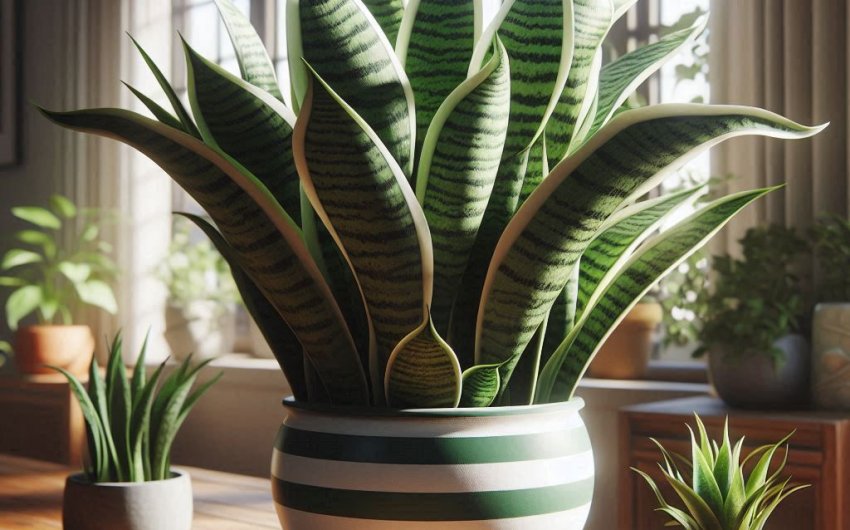
Understanding how often should I water my snake plant is arguably the most critical aspect of caring for this incredibly popular and resilient houseplant. Often celebrated for its low maintenance and air-purifying qualities, the snake plant (Sansevieria trifasciata, now Dracaena trifasciata) is notoriously susceptible to overwatering, which can quickly lead to root rot and irreversible damage. Mastering the art of proper hydration for your Sansevieria means letting the soil dry out thoroughly between waterings, creating conditions that mimic its native arid environments and ensuring its long-term health and striking beauty.
Why is correct watering crucial for snake plants?
The snake plant (Sansevieria trifasciata) is renowned for being one of the most low-maintenance houseplants, often touted as "unkillable." However, if there's one way to send this hardy plant to an early grave, it's improper watering, specifically overwatering. Understanding why proper watering is so crucial for Sansevieria is key to its long-term health.
What are the unique characteristics of snake plants?
To grasp their watering needs, it helps to know a bit about their natural habitat and physical characteristics:
- Succulent-like: While not true succulents, snake plants store water in their thick, fleshy leaves. This adaptation allows them to survive extended periods without water.
- Rhizomatous Root System: They grow from rhizomes, which are underground stems that store food and water. These rhizomes also make them somewhat prone to rot if kept too wet.
- Native Habitat: Snake plants are native to arid, rocky regions of West Africa. In these environments, they experience long dry spells followed by heavy, infrequent rains. Their physiology is designed for drought, not constant moisture.
What happens if I overwater my snake plant?
Overwatering is the number one killer of snake plants. It quickly leads to root problems because their roots are not adapted to sitting in soggy conditions.
- Root Rot: When soil remains consistently wet, oxygen is excluded from the root zone. Without oxygen, roots cannot "breathe" and begin to suffocate and decay. Fungi and bacteria that thrive in anaerobic (oxygen-free) conditions then proliferate, leading to root rot.
- Impaired Water and Nutrient Uptake: Even though the soil is wet, rotting roots cannot effectively absorb water or nutrients. This leads to the plant effectively dehydrating and starving, resulting in yellowing, mushy leaves.
- Symptoms of Overwatering:
- Mushy, yellowing leaves: Leaves turn pale yellow, then become soft and mushy at the base or along the blade. They may feel watery.
- Brown or black spots: Water-soaked, brown, or black spots may appear on the leaves.
- Foul odor: The soil or roots may emit a putrid, rotten smell.
- Wilting despite wet soil: The plant looks droopy, but the soil is still wet. This indicates root damage.
- Fungus gnats: Small, dark flying insects that hover around consistently wet soil, often a sign of overwatering.
- Irreversible Damage: Root rot can spread quickly. Once a significant portion of the roots is affected, it can be very difficult to save the plant. Prevention is far easier than cure.
What happens if I underwater my snake plant?
While overwatering is more detrimental, consistent underwatering can also harm your snake plant, though the damage is usually less severe and easier to remedy.
- Symptoms of Underwatering:
- Crispy leaf tips: The tips or edges of the leaves turn brown and become dry and crispy.
- Curling leaves: Leaves may start to curl inward or roll to conserve moisture.
- Wrinkled or shriveled leaves: The thick leaves may begin to look thinner, wrinkled, or shriveled, especially along the length of the blade.
- Slowed or stunted growth: The plant's overall growth will slow down dramatically or stop.
- Recovery: A parched snake plant will usually perk up significantly within a day or two of a thorough watering, as long as the roots haven't been damaged by prolonged severe drought.
The most critical takeaway is that when in doubt, it's always better to underwater a snake plant than to overwater it. Their succulent-like nature allows them to bounce back from dryness with much more ease than from the suffocating effects of constant moisture.
How do I determine when to water my snake plant?
The key to successfully watering your snake plant is to let the soil dry out thoroughly between waterings. This means not watering on a strict schedule, but rather based on the plant's actual needs, which can vary greatly.
What is the "finger test" for snake plants?
The simplest and most effective way to determine if your snake plant needs water is the finger test.
- Insert Finger Deeply: Stick your finger about 2-3 inches deep into the potting mix. For larger pots, you might need to go even deeper, to the bottom half of the pot.
- Feel for Moisture:
- If it feels completely dry at that depth: It's likely time to water.
- If it feels even slightly damp or cool: Wait. Check again in a few days.
- Consistency: Do this test every few days or once a week until you get a feel for your plant's drying pattern.
What about other moisture indicators?
- Pot Weight: Over time, you'll learn to judge the weight of your potted snake plant. A dry pot will feel significantly lighter than a recently watered one. This can be very helpful for larger pots.
- Moisture Meter: A plant moisture meter can provide a more accurate numerical reading of soil moisture. Insert the probe into the soil, and generally, you want the meter to read on the "dry" side before watering.
- Visual Soil Cues:
- Soil pulling away from the pot: This is a clear sign the soil is bone dry.
- Light-colored soil: Dry potting mix often appears lighter in color.
How often does a snake plant typically need water?
There is no universal schedule, as frequency depends on several factors:
- Season:
- Spring & Summer (Growing Season): During warmer months when the plant is actively growing, it will need water more frequently, perhaps every 2-4 weeks.
- Fall & Winter (Dormancy): In cooler, darker months, a snake plant's growth slows dramatically. It will need significantly less water, perhaps every 4-8 weeks, or even less. Overwatering in winter is particularly dangerous.
- Light Levels:
- Brighter Light: A snake plant in brighter light (which it prefers) will use water more quickly and need more frequent watering than one in low light.
- Low Light: In very low light, a snake plant can go for very long periods without water, as it's barely photosynthesizing.
- Pot Size & Material:
- Smaller Pots: Dry out faster than larger pots.
- Terra Cotta Pots: Porous terra cotta allows moisture to evaporate from its sides, causing the soil to dry out faster than plastic or glazed ceramic pots. This can be beneficial for snake plants, as it promotes quicker drying.
- Plastic/Glazed Pots: Retain moisture longer.
- Humidity & Temperature: Higher temperatures and lower humidity will lead to faster drying times.
The general rule remains: Err on the side of underwatering. It's far easier to revive a thirsty snake plant than to recover one suffering from root rot due to too much moisture.
What is the correct way to water a snake plant?
Once you've determined that your snake plant needs water, the method of delivery is just as important as the timing. Proper watering ensures that the entire root ball is hydrated without leaving the plant sitting in excess moisture.
How much water should I give my snake plant?
When you do water, water thoroughly until you see water draining from the bottom of the pot.
- Saturate the Soil: Pour water slowly and evenly over the entire surface of the potting mix. Keep watering until you see a steady stream of water coming out of the drainage holes.
- Discard Excess Water: This is a crucial step. Do NOT let your snake plant sit in standing water in its saucer or decorative outer pot. After about 15-30 minutes, empty any collected water. Prolonged exposure to standing water is a direct cause of root rot.
What kind of water should I use?
Most snake plants are not particularly fussy about water type.
- Tap Water: Regular tap water is usually fine.
- Filtered Water (Optional): If your tap water is heavily chlorinated or has a high mineral content (which can leave white crusty deposits on the soil surface), you might consider using filtered water or letting tap water sit out for 24 hours to allow chlorine to dissipate. However, this is rarely critical for the health of a snake plant.
How do I prevent overwatering and root rot?
These practices are essential safeguards against the number one killer of snake plants.
- Use a Pot with Drainage Holes: This is non-negotiable. A pot without drainage holes is a death sentence for a snake plant due to guaranteed waterlogging. If you have a decorative pot without holes, use it as a cachepot (an outer decorative pot) and place the snake plant in a slightly smaller nursery pot with drainage holes inside it.
- Use Well-Draining Potting Mix: A standard houseplant potting mix that is labeled "well-draining" is usually sufficient. To enhance drainage even further, you can amend it with:
- Perlite (adds aeration)
- Coarse sand (horticultural grade)
- Pumice (improves drainage and aeration) A good mix for snake plants might be 2 parts regular potting mix to 1 part perlite or coarse sand.
- Avoid Overly Large Pots: Planting a small snake plant in a much too large pot can lead to overwatering. A large volume of soil will retain moisture for much longer than the roots can absorb, increasing the risk of root rot. Repot into a pot that is only 1-2 inches larger in diameter when upgrading.
- No Gravel Layer at the Bottom: Do not put a layer of gravel or rocks at the bottom of the pot. This actually hinders drainage by creating a "perched water table" where water accumulates just above the gravel layer, keeping the soil soggy. This old myth is harmful.
By consistently applying these watering and potting techniques, you optimize the environment for your snake plant, ensuring it receives adequate hydration without succumbing to the dangers of excess moisture. This careful approach is key to understanding how often should I water my snake plant.
What other factors influence my snake plant's watering needs?
Beyond the basics of when and how to water, several other environmental and care factors can significantly influence how frequently your snake plant will need hydration. Being aware of these variables allows you to fine-tune your routine for optimal health.
How does light impact watering frequency?
Light is one of the most significant determinants of how quickly your snake plant uses water.
- Bright, Indirect Light: While often tolerant of low light, snake plants thrive in bright, indirect light. In such conditions, they photosynthesize more actively, grow faster, and consequently use more water. A plant in a bright location will dry out more quickly and need more frequent watering than one in a dim spot.
- Low Light: In very low light conditions, a snake plant's metabolic processes slow down dramatically. It will use very little water, and the soil will take a long time to dry out. Overwatering in low light is an extremely common cause of demise.
- Direct Sunlight: Although they can tolerate some direct sun, particularly morning sun, prolonged harsh direct sunlight can stress the plant, causing it to use water faster or even scorch, impacting overall health and perceived water needs.
How do temperature and humidity play a role?
- Temperature:
- Warmer Temperatures: In warmer rooms (e.g., during summer or near a heat source), water evaporates from the soil more quickly, and the plant's metabolic rate is higher, leading to faster water consumption. You will need to water more frequently.
- Cooler Temperatures: In cooler rooms (e.g., during winter), water evaporates slowly, and the plant's growth slows, requiring less frequent watering.
- Ideal Range: Snake plants prefer consistent temperatures between 65-85°F (18-29°C).
- Humidity:
- Low Humidity: In very dry environments (common indoors with heating/AC), water evaporates from the soil and transpires from the leaves more quickly. This means the soil will dry faster, and the plant might need more frequent watering.
- High Humidity: In more humid environments, water evaporates slower, and the plant will need less frequent watering. However, excessive humidity combined with soggy soil can promote fungal issues. Pothos generally don't require high humidity.
How does the potting mix influence watering?
- Drainage and Aeration: A well-draining potting mix is crucial. If your mix contains too much heavy soil, clay, or peat that compacts, it will retain too much moisture, leading to overwatering issues even with careful timing. Amending with perlite or coarse sand improves drainage.
- Organic Matter: While beneficial, excessive organic matter can sometimes hold too much moisture for a snake plant's liking. A balanced mix is key.
What about pot size and material?
- Pot Size: A smaller plant in a very large pot will take much longer to dry out, increasing the risk of overwatering. Ensure your pot size is appropriate for the plant's current root ball.
- Pot Material: As discussed, terra cotta pots are porous and allow moisture to evaporate through their sides, causing the soil to dry faster. Plastic or glazed ceramic pots retain moisture longer. If you tend to overwater, a terra cotta pot can be a good choice for a snake plant.
By considering all these factors collectively, you can develop a nuanced understanding of your individual snake plant's watering needs, preventing both under and overhydration, and ensuring its long-term health and striking appearance. This comprehensive approach is central to figuring out precisely how often should I water my snake plant.