
Lucky Charm: Caring for Jade Houseplants
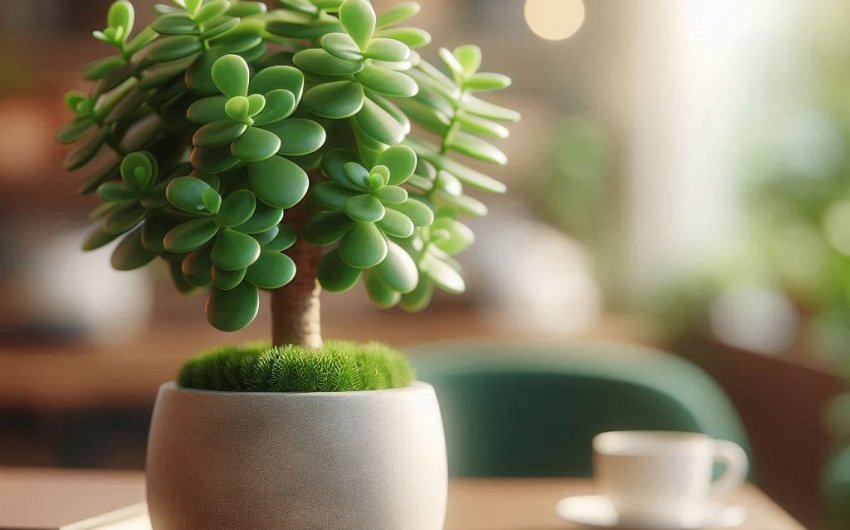
Caring for jade houseplants is a rewarding experience, as these popular succulents are not only beautiful with their thick, glossy leaves but are also widely considered symbols of good luck and prosperity. With their tree-like appearance, jade plants can grow into impressive specimens over time, making them a long-lasting and cherished addition to any indoor space. Understanding their specific needs for light, water, and soil is key to helping them thrive and potentially even bloom.
What Are the Basic Needs of Jade Houseplants?
Like all plants, jade houseplants have fundamental requirements to stay healthy and grow. Getting these basics right is the first step to successful jade plant care.
How Much Light Does a Jade Plant Need?
Light is arguably the most crucial factor for a healthy, thriving jade plant. They are sun-loving succulents and will not do well in low-light conditions.
Bright, Indirect Light is Ideal: The best placement for a jade plant is a spot that receives bright, indirect light for most of the day, with a few hours of direct morning sun.
- South- or West-Facing Window: These are often ideal locations. A south-facing window typically provides the most consistent bright light throughout the day. A west-facing window can offer strong afternoon sun. If the direct sun through these windows is very intense (especially in summer), you might want to place the plant a few feet back or use a sheer curtain to diffuse the light slightly.
- East-Facing Window: An east-facing window provides good morning sun, which is less intense and ideal for encouraging growth without scorching the leaves. This is a very good spot for jade plants.
- North-Facing Window: A north-facing window typically provides too little light for a jade plant to thrive. It will likely become leggy and weak.
Signs of Insufficient Light:
- Leggy Growth: Stems become stretched out and thin, with widely spaced leaves. This is the plant reaching for more light.
- Small, Pale Leaves: Leaves will be smaller than normal and might lose their vibrant green color, becoming pale or yellowish.
- Lack of Red Edging: Many jade varieties develop beautiful red or purple edges on their leaves when exposed to sufficient sunlight. If your plant isn't showing this coloration, it likely needs more light.
- Weak Stems: Stems may become floppy and unable to support the weight of the leaves.
Signs of Too Much Direct Sun (Sunburn):
Advertisement- Red or Brown Spots: If exposed to sudden, intense direct sunlight without acclimation, leaves can develop burnt spots that turn red, then brown or black.
- Scorched Appearance: The entire plant might look bleached or scorched.
- Dropping Leaves: Severely stressed plants might drop leaves.
- Acclimation is Key: If moving your jade plant from a lower light to a higher light situation, do so gradually over a week or two to prevent sunburn.
Supplemental Lighting: If you don't have enough natural light indoors, especially during winter months or in darker homes, a grow light can be very beneficial. A full-spectrum LED light placed a foot or so above the plant for (10-14) hours a day can mimic natural sunlight.
Remember, a jade plant might survive in lower light, but it won't flourish or develop its classic compact, tree-like form and vibrant coloration. Bright light is key to a happy jade.
How Often Should I Water My Jade Plant?
Watering is where most people go wrong with jade plants. As succulents, they store water in their leaves and stems and are much more tolerant of drought than overwatering. Overwatering is the number one killer of jade plants.
The "Soggy Soil" Rule: Never let your jade plant sit in soggy soil. Excess moisture leads to root rot, which is fatal.
Check the Soil First: The best way to know when to water is to feel the soil.
- Top Inch Test: Stick your finger about (1-2) inches deep into the potting mix. If it feels completely dry at that depth, it's generally time to water.
- Dry to the Touch: Wait until the soil is thoroughly dry, not just on the surface, before watering again. For smaller pots, you might even wait until the pot feels significantly lighter.
- Moisture Meter: A soil moisture meter can provide an accurate reading of moisture levels deeper in the pot.
Watering Technique ("Soak and Dry"):
- Thorough Soaking: When you do water, water deeply and thoroughly. Pour water slowly over the entire soil surface until it starts to drain out of the bottom of the pot.
- Drainage: Ensure all excess water drains away. Never let the pot sit in standing water in a saucer. Empty the saucer after (15-30) minutes.
- No Schedule: Avoid watering on a strict schedule (e.g., "every Sunday"). Your plant's water needs will vary based on light, temperature, humidity, and time of year. Always check the soil.
Seasonal Adjustments:
- Summer (Growing Season): During warmer months when the plant is actively growing, it will need more frequent watering, perhaps every (2-4) weeks, depending on your conditions.
- Winter (Dormancy): In winter, when light levels are lower and temperatures cooler, jade plants enter a period of slower growth or dormancy. Their water needs decrease dramatically. You might only need to water once a month or even less frequently. Err on the side of underwatering during winter.
Signs of Underwatering (Less Common, But Happens):
- Wrinkled, Shriveled Leaves: The normally plump leaves will look deflated, thin, or wrinkled as the plant uses its stored water.
- Leaf Drop: In severe cases, the plant may drop some leaves.
- Recovery: A thoroughly underwatered jade plant will usually perk up dramatically after a good watering.
Signs of Overwatering (The Killer):
- Yellowing Leaves: Leaves turning yellow, often feeling soft or mushy.
- Mushy or Black Stems: The stems might become soft, mushy, or turn black, indicating root rot spreading up the plant.
- Leaves Falling Off Easily: Leaves might fall off at the slightest touch.
- Foul Smell from Soil: A rotten smell indicates decaying roots.
- Immediate Action: If you see signs of overwatering, stop watering immediately. Allow the soil to dry out completely. In severe cases, you may need to repot the plant in fresh, dry soil and trim off any rotted roots.
Learning to gauge your jade plant's water needs is the most important skill for keeping it healthy. When in doubt, it's better to wait an extra few days before watering.
What is the Best Soil and Pot for Jade Plants?
Choosing the right soil and pot is almost as critical as watering for a jade plant. They need excellent drainage to prevent their roots from sitting in excess moisture.
Soil (Potting Mix):
- The Golden Rule: Excellent Drainage: This is non-negotiable. Regular potting soil retains too much moisture for succulents and will lead to root rot.
- Best Options:
- Cactus and Succulent Mix: The easiest solution. A commercially available cactus and succulent potting mix is formulated to drain quickly and dry out efficiently.
- DIY Succulent Mix: You can create your own by mixing regular potting soil with gritty amendments to improve drainage. A good ratio is (1) part potting soil, (1) part perlite or pumice, and (1) part coarse sand (like horticultural sand, not play sand). Bonsai jack succulent soil is a popular option.
- Gritty Amendments: Materials like perlite, pumice, coarse sand, or akadama (for bonsai) increase aeration and drainage.
- Avoid Peat-Heavy Mixes: While some potting mixes contain peat, a high percentage of peat can hold too much water for jade plants.
Pot Type:
- Drainage Holes (Absolutely Essential!): Regardless of the material, your pot MUST have drainage holes at the bottom. A pot without drainage is a death sentence for a jade plant.
- Terracotta/Unglazed Clay Pots: These are often the best choice for succulents, including jade plants.
- Pros: Porous material allows air and moisture to pass through the pot walls, promoting faster drying of the soil. This helps prevent overwatering and root rot.
- Cons: Can be heavier than plastic. Moisture will evaporate from the sides, so you might need to water slightly more often than in plastic pots. A small terracotta pot is perfect for a young jade.
- Ceramic/Glazed Pots:
- Pros: Come in a huge variety of colors and styles. Can be very decorative.
- Cons: Not porous, so they retain more moisture than terracotta. Requires more careful watering to avoid overwatering. Still must have drainage holes.
- Plastic Pots:
- Pros: Lightweight and inexpensive.
- Cons: Retains the most moisture, making them the riskiest choice for beginners prone to overwatering. Requires very careful monitoring of soil moisture. Still needs drainage holes.
Pot Size:
- Don't Overpot: Jade plants prefer to be slightly root-bound. Don't put a small jade plant in a huge pot. A large volume of soil will hold too much moisture for the small root system, leading to rot.
- Incremental Repotting: When repotting, only go up one pot size (e.g., from a 4-inch to a 6-inch pot). Repotting is typically needed every (2-3) years, or when the plant becomes top-heavy.
- Heavy Base (for larger plants): As jade plants grow and develop thick stems, they can become top-heavy. A sturdy, heavy pot (like terracotta or ceramic) will provide better stability than a lightweight plastic one. A heavy ceramic plant pot is often a good match.
The right soil and pot are foundational for a healthy jade plant, ensuring proper drainage and aeration to prevent the dreaded root rot.
How Do I Encourage My Jade Plant to Thrive?
Beyond the basics of light, water, and soil, there are several advanced care tips that can help your jade plant not just survive, but truly flourish, becoming a magnificent specimen over the years.
What Role Does Temperature and Humidity Play?
While jade plants are quite adaptable, understanding their preferred temperature and humidity ranges can help you create an even more optimal environment for their growth.
Temperature:
- Ideal Range: Jade plants thrive in average indoor temperatures, generally between (65-75^\circ\text{F}) ((18-24^\circ\text{C})) during the day.
- Nighttime Drop: They appreciate a slight drop in temperature at night, down to around (50-55^\circ\text{F}) ((10-13^\circ\text{C})). This temperature fluctuation can actually encourage blooming in mature plants.
- Cold Tolerance: Jade plants are not frost-tolerant. Temperatures below (40^\circ\text{F}) ((4^\circ\text{C})) can cause damage. If you move your jade outdoors for summer, be sure to bring it back inside before nighttime temperatures consistently drop below this threshold.
- Avoid Extremes: Protect them from sudden drafts of cold air from open windows or doors in winter, and avoid placing them directly next to heating vents that can dry them out too quickly.
Humidity:
- Low Humidity is Fine: As succulents native to dry climates, jade plants prefer and thrive in low to average indoor humidity. They do not require high humidity and can even be harmed by it if combined with poor air circulation, as it can encourage fungal diseases.
- Avoid Misting: Do not mist your jade plant. Misting can lead to water spots on the leaves, especially if your water is hard, and can encourage fungal issues. The leaves are designed to store water and do not absorb it well from misting.
- Good Air Circulation: Ensure good air circulation around your plant. Avoid placing it in very cramped spaces where air might be stagnant. This also helps prevent fungal problems.
In summary, standard room temperatures are generally fine for jade houseplants. A slight cool-down at night is beneficial. High humidity is not necessary and can be detrimental.
How and When Should I Fertilize a Jade Plant?
Fertilizing a jade plant is not as critical as proper watering and light, but it can provide a boost during its active growing season. Remember, less is often more when it comes to succulents.
When to Fertilize:
- Growing Season Only: Only fertilize your jade plant during its active growing season, which is typically spring and summer.
- Dormancy: Do NOT fertilize in fall or winter when the plant's growth slows down or it's dormant. Fertilizing during dormancy can stress the roots and cause damage.
- New Plants/Repotting: Avoid fertilizing newly repotted plants for at least (4-6) weeks, as the fresh potting mix will contain sufficient nutrients, and the plant needs time to recover from repotting shock.
Type of Fertilizer:
- Balanced or Low Nitrogen: Use a balanced liquid fertilizer (like 10-10-10 or 20-20-20 diluted) or one slightly lower in nitrogen and higher in phosphorus and potassium. A fertilizer specifically for succulents and cacti is ideal, as these are formulated with succulents in mind.
- Dilution: Always dilute the fertilizer to half or even a quarter of the strength recommended on the package instructions. Jade plants are not heavy feeders and can be easily over-fertilized, which can lead to salt buildup and root burn.
Frequency:
- Sparingly: Fertilize sparingly, perhaps once every (2-4) weeks during the growing season. Some gardeners only fertilize once or twice a year.
- Apply to Moist Soil: Always apply fertilizer to soil that is already moist, never to dry soil, as this can burn the roots.
Signs of Over-Fertilization:
- White Crust on Soil: A buildup of white crust on the soil surface is a sign of excess salt from over-fertilization.
- Yellowing or Browning Leaves: Leaves might turn yellow or develop crispy brown tips.
- Stunted Growth: Paradoxically, over-fertilization can inhibit growth.
If you see signs of over-fertilization, flush the soil thoroughly with plain water to wash out excess salts, and reduce or stop fertilizing. For most jade plants, consistent bright light and proper watering are far more important than heavy fertilization.
How and When Should I Prune a Jade Plant?
Pruning a jade plant is not just for aesthetics; it's a vital part of its care that encourages bushier growth, maintains a desired shape, and promotes a strong, tree-like structure. It also helps with the plant's overall health.
Why Prune?
- Encourages Bushy Growth: When you cut off the tip of a branch, the plant responds by sending out two new branches from just below the cut. This turns a leggy stem into a fuller, bushier section.
- Maintains Shape and Size: As jade plants can grow quite large, pruning helps to control their size and maintain a desirable shape, whether you want a miniature tree or a more rounded bush.
- Strengthens Stems: Removing weak or leggy growth encourages the plant to put energy into developing thicker, stronger stems, which are essential for supporting its increasing weight.
- Removes Damaged Growth: Pruning allows you to remove any dead, diseased, or damaged branches, improving the plant's health and appearance.
- Aesthetics/Bonsai-like Shape: Many people prune jade plants to create a miniature tree or bonsai-like appearance, shaping it over time.
When to Prune:
- Active Growing Season: The best time to prune your jade plant is during its active growing season, typically late spring or early summer. This allows the plant to quickly heal from the cuts and send out new growth.
- Avoid Winter: Avoid heavy pruning in fall or winter when the plant's growth slows down, as cuts will heal more slowly.
- As Needed: Light pruning (e.g., snipping off a single leggy stem) can be done at any time of year if necessary.
How to Prune:
- Clean Tools: Always use clean, sharp pruning shears or a sharp knife. This prevents damage to the plant and reduces the risk of introducing disease.
- Locate a Node: Look for a "node" (a small bump or scar) on the stem where leaves have grown or are growing. This is where new growth will emerge.
- Make the Cut: Make a clean cut just above a set of leaves or a node. You can cut back a stem to encourage branching, or remove entire branches to thin out the plant or remove unwanted growth.
- Consider Overall Shape: Step back and look at your plant's overall shape. Imagine how new growth will fill it out. Prune to encourage symmetry or a specific form.
- Let Wounds Heal: After pruning, allow the cut ends to "callus" or dry out for a few days before watering the plant. This helps prevent rot.
- Use Cuttings: Pruned jade branches are excellent for propagation! Simply let the cut end dry for a few days until it calluses, then stick it in well-draining succulent soil to root.
Regular, thoughtful pruning will help your jade plant grow into a beautiful, strong, and well-proportioned specimen.
How and When Should I Repot a Jade Plant?
Repotting a jade plant is an important part of its long-term care, but it's not something you need to do very often. They prefer to be slightly root-bound, and too-frequent repotting can stress them.
When to Repot:
- Root-Bound: The main reason to repot is when your jade plant becomes noticeably root-bound. Signs include roots growing out of the drainage holes, water sitting on the soil surface for too long (because roots are too dense to allow drainage), or the plant becoming top-heavy and unstable.
- Every 2-3 Years: For young, actively growing jade plants, repotting might be needed every (2-3) years.
- Every 3-5+ Years (Mature Plants): Mature, larger jade plants (especially if you're keeping their size constrained) can go much longer between repotting, sometimes (3-5) years or even more. They are less sensitive to being root-bound than many other houseplants.
- Foul-Smelling Soil: If the soil smells sour or rotten, even if the plant doesn't seem root-bound, it could indicate issues with the soil breaking down or previous overwatering. In this case, repotting with fresh soil is a good idea.
Best Time to Repot:
- Spring/Early Summer: The ideal time to repot is in spring or early summer, just as the plant enters its active growing period. This allows it to recover from the stress of repotting quickly and establish itself in its new home.
- Avoid Winter: Avoid repotting in fall or winter, when the plant is dormant, as it will be less able to cope with the shock.
How to Repot:
- Choose the Right Pot Size: Only go up one pot size. For example, if your jade plant is in a 6-inch pot, move it to an 8-inch pot. A pot that is too large will hold too much moisture, increasing the risk of root rot. Choose a pot with excellent drainage holes. A heavy planter pot can help with stability for larger plants.
- Prepare Soil: Use fresh, well-draining cactus and succulent potting mix.
- Careful Removal: Gently tip the old pot on its side and slide the jade plant out. If it's stuck, you might need to run a knife around the inner edge of the pot.
- Inspect Roots: Gently shake off some of the old soil. Inspect the roots. Healthy roots are firm and white or light-colored. Trim away any mushy, black, or rotten roots with clean, sharp shears. You can also lightly prune long, circling roots to encourage new growth.
- Add Fresh Soil: Place a small layer of fresh potting mix at the bottom of the new pot.
- Position Plant: Center the jade plant in the new pot, ensuring the base of the main stem (the "crown") is at the same level as it was in the old pot, or slightly above the soil line. Do not bury the stem deeper than it was.
- Backfill: Fill around the root ball with fresh potting mix, gently tamping it down to remove large air pockets. Leave about an inch of space from the top of the pot.
- No Immediate Watering: Do NOT water immediately after repotting. Wait for (5-7) days (or even longer if the roots were disturbed significantly) to allow any damaged roots to heal and callus. Watering too soon can lead to rot. After this waiting period, water thoroughly.
Repotting correctly ensures your jade plant has fresh nutrients and proper drainage, allowing it to continue its journey to becoming a magnificent, long-lived houseplant.
By providing consistent bright light, practicing smart "soak and dry" watering, using excellent draining soil, and applying thoughtful pruning and repotting techniques, your jade houseplants will not only thrive but also continue to be that beloved symbol of luck and beauty in your home for many years to come.