
Popular Houseplant Names: A Quick Reference Guide
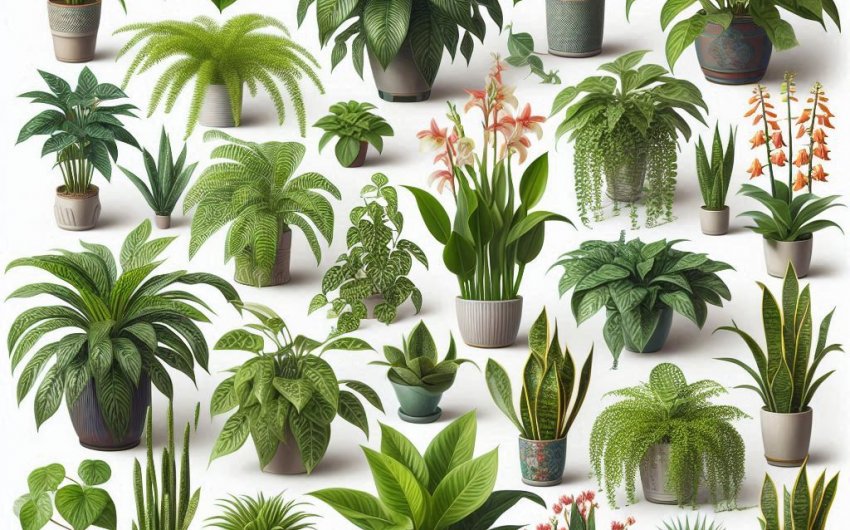
Delving into the diverse world of indoor flora can be both exciting and a little overwhelming, especially when encountering numerous distinct types. This quick reference guide aims to simplify your journey by providing an overview of popular houseplant names, helping you identify and understand some of the most commonly encountered botanical companions that thrive indoors. Whether you're a novice green thumb or a seasoned plant enthusiast, this compilation will serve as a handy tool for recognizing and appreciating the varied forms of greenery that enhance our living spaces.
What Are the Easiest Houseplants for Beginners?
For those just starting their journey with indoor plants, selecting varieties known for their resilience and low-maintenance needs is key. These easy houseplants can forgive occasional neglect and still thrive, making them perfect for building confidence and learning the basics of plant care without too much fuss. They often tolerate a range of light conditions and don't demand precise watering schedules.
Snake Plant (Sansevieria trifasciata)
The Snake Plant, also known as Mother-in-Law's Tongue, is incredibly forgiving and one of the most durable houseplants available. Its striking, upright, sword-like leaves come in various patterns, often with yellow or silver bands. Snake Plants can tolerate low light conditions and infrequent watering, making them ideal for busy individuals or those new to plant care. They are also known for their air-purifying qualities. Ensure you don't overwater, as this is their main weakness.
ZZ Plant (Zamioculcas zamiifolia)
The ZZ Plant is another highly resilient houseplant, famous for its shiny, dark green leaves that emerge from thick, water-storing rhizomes (underground stems). It can handle very low light levels and can go weeks without water, making it almost indestructible for the forgetful plant parent. Its drought tolerance comes from its ability to store water in its thick leaf stems and rhizomes. The ZZ Plant is a great choice for adding a touch of glossy green to any room with minimal effort.
Pothos (Epipremnum aureum)
Pothos, often called Devil's Ivy, is a vining plant with heart-shaped leaves that come in many variegated forms, such as 'Marble Queen' or 'Neon'. It's exceptionally easy to care for, tolerating a wide range of light conditions from low to bright indirect light, though brighter light encourages more variegation. Pothos is a fast grower and can be trailed from hanging baskets or allowed to climb. It's quite vocal about its watering needs, with drooping leaves signaling thirst. A good potting mix for Pothos like FoxFarm Ocean Forest Potting Soil can help it thrive.
Spider Plant (Chlorophytum comosum)
Spider Plants are classic houseplants, recognized by their arching, grass-like leaves and the "spiderettes" or plantlets that dangle from the mother plant, giving them their name. They are very easy to grow and propagate, making them great for sharing with friends. Spider Plants prefer bright, indirect light but can tolerate lower light. They are also excellent air purifiers. Brown tips on the leaves can indicate a sensitivity to fluoride in tap water; using distilled or rainwater can help.
Peace Lily (Spathiphyllum wallisii)
The Peace Lily is cherished for its elegant white "flowers" (which are actually modified leaves called spathes) and glossy dark green foliage. It's a low-maintenance plant that communicates its needs clearly, drooping dramatically when thirsty and perking up quickly after watering. Peace Lilies prefer low to medium indirect light and consistently moist soil. They are also fantastic at purifying indoor air. An effective plant fertilizer for Peace Lily such as Miracle-Gro Indoor Plant Food can encourage more blooms.
Which Houseplants Offer Unique Foliage or Patterns?
Beyond green, many houseplants captivate with their stunning and diverse foliage. These varieties often feature intricate patterns, vibrant colors, or interesting textures, making them focal points in any interior design. Their leaves become the main attraction, showcasing nature's artistry without the need for flowers.
Calathea Varieties (Calathea spp.)
Calathea plants are renowned for their strikingly patterned leaves, often featuring shades of green, pink, red, and purple, with intricate markings that resemble brushstrokes. They are also known as "prayer plants" because their leaves fold up at night and unfurl in the morning. Calatheas thrive in high humidity and indirect light, making them a bit more demanding than some other houseplants but rewarding for their beauty. Common varieties include Calathea Orbifolia, Calathea Makoyana (Peacock Plant), and Calathea Medallion.
Prayer Plant (Maranta leuconeura)
Similar to Calatheas, the Prayer Plant is another beautiful option with leaves that fold up at night. Its foliage displays vibrant patterns, typically with green leaves, red veins, and lighter green blotches. Prayer Plants are relatively easy to care for if kept in high humidity and bright, indirect light. They are perfect for hanging baskets where their unique leaf movement can be observed. A good humidifier for houseplants like the LEVOIT Humidifiers for Home can help keep these plants happy.
Rex Begonia (Begonia rex-cultorum)
Rex Begonias are celebrated for their incredibly diverse and colorful foliage, often displaying swirls of silver, pink, red, purple, and black. Their leaves can also have interesting textures, from smooth to bumpy or hairy. While they do produce small flowers, their primary appeal is their ornamental leaves. Rex Begonias prefer high humidity, consistent moisture, and bright, indirect light. They are excellent for adding a dramatic touch of color to a collection.
Coleus (Plectranthus scutellarioides)
Though often grown outdoors, many Coleus varieties make stunning houseplants, especially those bred for vibrant foliage. Their leaves come in an astonishing array of colors—from bright lime green and yellow to deep burgundy, pink, and orange—often with contrasting margins or centers. Coleus plants are relatively fast-growing and prefer bright, indirect light to maintain their intense coloration. They appreciate consistent moisture and can be pruned to encourage bushier growth.
Croton (Codiaeum variegatum)
The Croton plant is famous for its exceptionally bold and colorful leaves, which can display shades of red, orange, yellow, green, and black all on one plant. The intensity of the colors depends heavily on the amount of light it receives; brighter light leads to more vibrant hues. Crotons need bright, indirect light, high humidity, and consistent watering to thrive. They can be a bit finicky but are highly rewarding for their spectacular appearance.
What Are Popular Flowering Houseplants?
While many houseplants are grown for their foliage, some varieties bring vibrant blooms indoors, adding a splash of color and sometimes fragrance to your living space. These flowering houseplants require specific conditions to encourage blooming but offer a beautiful display when successful.
African Violet (Saintpaulia spp.)
African Violets are one of the most popular flowering houseplants, known for their charming clusters of velvety flowers that come in shades of purple, pink, white, and blue. They are compact plants that thrive in bright, indirect light and consistent moisture from the bottom (to avoid wetting the leaves). Proper fertilization with a specific African Violet fertilizer like African Violet Plant Food can encourage continuous blooms. Avoid getting water on their fuzzy leaves to prevent spotting.
Orchid (Phalaenopsis spp.)
The Phalaenopsis Orchid, or Moth Orchid, is arguably the most popular orchid type for beginners due to its relatively easy care and long-lasting, elegant blooms. Their flowers come in a wide range of colors and patterns and can last for several weeks or even months. Moth Orchids prefer bright, indirect light, high humidity, and specialized orchid bark mix for proper aeration and drainage. They are typically watered by soaking their roots.
Christmas Cactus (Schlumbergera spp.)
The Christmas Cactus is a popular succulent that produces beautiful, tubular flowers in shades of pink, red, white, or orange, typically blooming around the winter holidays. Unlike desert cacti, it's an epiphytic plant that grows on trees in its natural habitat, so it prefers bright, indirect light and consistent moisture during its growing season. To encourage blooming, it requires specific light and temperature conditions (cool temperatures and shorter days) in the fall.
Kalanchoe (Kalanchoe blossfeldiana)
Kalanchoe plants are succulents known for their cheerful clusters of small, brightly colored flowers that bloom for an extended period, often in winter. They come in shades of red, orange, yellow, pink, and white. Kalanchoes are relatively low-maintenance, preferring bright light and well-draining soil, similar to other succulents. Allow the soil to dry out between waterings to prevent root rot.
Amaryllis (Hippeastrum spp.)
Amaryllis bulbs produce spectacular, large, trumpet-shaped flowers, often grown as a holiday plant. They come in vibrant reds, whites, pinks, and striped varieties. After blooming, the plant can be kept and encouraged to re-bloom in subsequent years with proper care, including a period of dormancy. Amaryllis requires bright light during growth and a well-draining potting mix. A suitable bulb food for Amaryllis such as Espoma Organic Bulb-tone can support future blooms.
What Are Good Houseplants for Low Light Conditions?
Not all indoor spaces are bathed in bright sunshine. Fortunately, many low-light houseplants can thrive in dimmer environments, making them perfect for rooms with north-facing windows, offices, or corners away from direct light. These resilient plants prove that you don't need abundant light to enjoy the beauty of greenery indoors.
Cast Iron Plant (Aspidistra elatior)
The Cast Iron Plant lives up to its name, being incredibly tough and tolerant of very low light, neglect, and varying temperatures. It has long, dark green, glossy leaves that grow directly from the soil. This plant is perfect for forgotten corners or dimly lit hallways where other plants might struggle. It requires infrequent watering, allowing the soil to dry out between applications.
Chinese Evergreen (Aglaonema spp.)
Chinese Evergreens are beautiful and versatile plants known for their striking foliage, which comes in various shades of green, silver, pink, and red patterns. They are very adaptable and thrive in low to medium indirect light conditions. They also tolerate some neglect and are relatively forgiving of inconsistent watering. Their wide range of leaf patterns makes them a popular choice for adding visual interest to low-light areas.
Lucky Bamboo (Dracaena sanderiana)
Lucky Bamboo, though not actually bamboo, is a type of Dracaena that is commonly grown in water, often in decorative arrangements. It is incredibly easy to care for and can tolerate very low light conditions, thriving in indirect light. Simply keep the water level consistent and change it every few weeks to prevent stagnation. It's often associated with good fortune and makes a unique, minimalist addition to any space.
Parlor Palm (Chamaedorea elegans)
The Parlor Palm is a classic choice for low-light situations, adding an elegant, tropical touch to interiors. It's a slow-growing, compact palm that can tolerate medium to low indirect light. It's also known for being non-toxic to pets, making it a safe choice for homes with animals. Keep the soil consistently moist but not soggy, and avoid direct sunlight which can scorch its delicate fronds.
Money Plant (Epipremnum aureum) - Pothos (Revisit with focus on low light)
While already mentioned for its ease of care, it's worth re-emphasizing that Pothos, often called Money Plant in many regions, excels in low-light conditions. Although its variegation might be less pronounced in dim settings, the plant will still grow and thrive. This adaptability, combined with its vining habit, makes it a top choice for adding greenery to shadier spots, trailing from shelves or climbing up support poles.
Which Houseplants Are Good for Purifying Air?
Many houseplants do more than just beautify a space; they also actively work to improve indoor air quality. Through a process called phytoremediation, these plants absorb common indoor air pollutants, making the air we breathe cleaner and healthier. Incorporating these specific air-purifying houseplants can significantly contribute to a fresher living environment.
Boston Fern (Nephrolepis exaltata 'Bostoniensis')
The Boston Fern is a classic air purifier, highly effective at removing formaldehyde and xylene from the air. It's known for its lush, arching, feathery fronds that add a vibrant green texture to any room. Boston Ferns thrive in high humidity and bright, indirect light, requiring consistently moist soil. They are an excellent choice for bathrooms or kitchens where humidity levels are naturally higher.
Areca Palm (Dypsis lutescens)
The Areca Palm is not only an elegant addition to any room but also one of the most effective plants for purifying the air. It excels at removing toxins like formaldehyde, benzene, and carbon monoxide. This palm grows into a beautiful, feathery clump and prefers bright, indirect light and consistent moisture. Its impressive size, as it matures, also means it can process a larger volume of air.
Dracaena varieties (Dracaena spp.)
Many Dracaena varieties are excellent air purifiers, capable of filtering out a range of airborne toxins, including formaldehyde, benzene, trichloroethylene, and xylene. Popular types include the Dragon Tree (Dracaena marginata) with its slender, spiky leaves, and the Corn Plant (Dracaena fragrans) with wider, often variegated leaves. They are generally low-maintenance, preferring medium to bright indirect light and allowing the soil to dry out slightly between waterings.
English Ivy (Hedera helix)
English Ivy is a beautiful vining plant that is highly effective at removing airborne particles, including mold and formaldehyde. It can be grown in hanging baskets, allowed to trail, or trained to climb. English Ivy prefers medium to bright indirect light and consistently moist soil. While generally robust, it can be susceptible to spider mites if humidity is too low, so a regular misting with a plant mister can be beneficial.
Ficus Varieties (Ficus spp.)
Several Ficus species are recognized for their air-purifying capabilities. The Weeping Fig (Ficus benjamina) is known for removing toxins like formaldehyde, benzene, and trichloroethylene. The Rubber Plant (Ficus elastica) is also effective at removing air pollutants and is particularly good at removing formaldehyde. Both prefer bright, indirect light and consistent watering, though they can be sensitive to changes in their environment.
What Are Pet-Friendly Houseplants?
For homes with furry friends, choosing pet-friendly houseplants is essential to ensure the safety of your cats and dogs. Many common houseplants can be toxic if ingested, causing various symptoms from mild digestive upset to more severe issues. Opting for non-toxic varieties allows you to enjoy greenery without worry.
Christmas Cactus (Schlumbergera spp.) - Pet-friendly Revisit
As mentioned earlier, the Christmas Cactus is not only a beautiful flowering plant but also safe for pets. Its segmented stems and vibrant blooms add charm to your home without posing a risk to curious pets who might nibble on plants. This makes it a great choice for pet owners looking for a touch of seasonal color.
African Violet (Saintpaulia spp.) - Pet-friendly Revisit
Another delightful flowering plant that is non-toxic to pets is the African Violet. Its compact size, fuzzy leaves, and beautiful flowers make it a popular choice for windowsills. Pet owners can enjoy its continuous blooms with peace of mind, knowing that accidental ingestion won't harm their beloved animals.
Boston Fern (Nephrolepis exaltata 'Bostoniensis') - Pet-friendly Revisit
The Boston Fern is not only an excellent air purifier but also completely safe for pets. Its lush, green fronds make it a lovely addition to hanging baskets or pedestals, providing natural beauty without any toxic worries. Its non-toxic nature makes it a popular choice for homes with cats and dogs.
Spider Plant (Chlorophytum comosum) - Pet-friendly Revisit
The Spider Plant continues to be a favorite among pet owners. Its non-toxic nature, ease of care, and air-purifying qualities make it an all-around great choice for any home. Its dangling "spiderettes" might attract playful pets, but you can rest assured that a nibble won't cause them harm.
Prayer Plant (Maranta leuconeura) - Pet-friendly Revisit
The Prayer Plant is a vibrant and pet-safe option known for its striking foliage and unique leaf movement. Its beautiful patterns add visual interest, and its non-toxic status means you don't have to worry if your pets get a little too curious. It's a wonderful choice for adding safe color to your indoor garden.
Areca Palm (Dypsis lutescens) - Pet-friendly Revisit
The Areca Palm stands out as a large, pet-safe plant that brings a tropical feel to your home while actively purifying the air. Its elegant fronds are non-toxic to cats and dogs, making it a safe and beautiful addition to living rooms or larger spaces where pets roam freely.
What Are Popular Succulent Houseplants?
Succulents are celebrated for their ability to store water in their leaves, stems, or roots, allowing them to thrive in arid conditions and tolerate infrequent watering. Their unique forms, textures, and often vibrant colors make them incredibly popular houseplants, especially for those who prefer low-maintenance options or enjoy a desert aesthetic.
Echeveria (Echeveria spp.)
Echeverias are among the most recognizable succulents, forming beautiful rosettes of fleshy leaves that come in a wide array of colors, from greens and grays to vibrant pinks, reds, and purples. They are relatively easy to care for, preferring bright direct sunlight and very infrequent watering, allowing the soil to dry out completely between waterings. Their symmetrical forms make them excellent choices for decorative arrangements.
Jade Plant (Crassula ovata)
The Jade Plant, often considered a symbol of good luck, is a classic succulent with thick, oval-shaped, glossy green leaves and sturdy, tree-like stems. It's a very long-lived plant that can grow quite large over time, taking on the appearance of a miniature tree. Jade Plants prefer bright light and well-draining soil, thriving with infrequent but thorough watering. A specialized succulent and cactus potting mix like Espoma Organic Cactus Mix works best.
Aloe Vera (Aloe barbadensis miller)
Aloe Vera is a well-known succulent prized not only for its striking, spiky leaves but also for its medicinal properties. The gel inside its leaves is commonly used for soothing burns and skin irritations. Aloe Vera plants are easy to care for, needing bright, indirect light and infrequent watering, allowing the soil to dry out completely between waterings. They make a functional and attractive addition to a sunny windowsill.
Haworthia (Haworthia spp.)
Haworthia succulents are small, compact plants that resemble miniature Aloes or Agaves. They are characterized by their thick, triangular, or star-shaped leaves, often with unique patterns, textures, or translucent "windows" at the tips. Haworthias are perfect for small spaces and relatively low-light conditions compared to many other succulents, though they still appreciate bright, indirect light. They are very forgiving of infrequent watering.
Senecio Rowleyanus (String of Pearls)
The String of Pearls plant is a unique and popular succulent known for its trailing stems adorned with spherical, pea-like leaves. It's a fantastic choice for hanging baskets, creating a cascading effect. String of Pearls requires bright, indirect light and very careful watering, as it is highly susceptible to root rot if overwatered. Allow the soil to dry out completely before watering sparingly.
What Are Trailing and Vining Houseplants?
Trailing and vining houseplants are perfect for adding vertical interest to your indoor spaces. Whether cascading from hanging baskets, adorning shelves, or climbing up trellises, these plants bring a dynamic element to your décor. Their graceful habits and often fast growth make them some of the most popular choices for adding lushness and life to any room.
Hoya Varieties (Hoya spp.)
Hoya plants, also known as Wax Plants, are beloved for their thick, waxy leaves and often fragrant, star-shaped flowers that appear in clusters. Many Hoya varieties have a beautiful vining habit, making them ideal for hanging baskets or training to climb. They prefer bright, indirect light and relatively infrequent watering, thriving when slightly pot-bound. Popular types include Hoya Carnosa and Hoya Kerrii (Sweetheart Hoya).
Philodendron Varieties (Philodendron spp.)
The Philodendron genus offers a vast array of beautiful vining and climbing plants, from the classic Heartleaf Philodendron (Philodendron hederaceum) with its glossy, heart-shaped leaves, to the larger-leafed varieties. They are known for their ease of care and adaptability, tolerating various light conditions from low to bright indirect. Philodendrons are fast growers and can quickly fill a space with lush foliage, making them a staple for indoor plant enthusiasts.
Syngonium (Syngonium podophyllum)
Syngonium, or Arrowhead Plant, is a versatile vining plant that gets its name from the arrow-shaped form of its leaves, which change shape as the plant matures. It comes in a beautiful range of colors and variegations, including green, pink, and white. Syngonium can be kept bushy by regular pruning or allowed to vine from hanging baskets. It prefers medium to bright indirect light and consistently moist soil.
Tradescantia Varieties (Tradescantia spp.)
Tradescantia plants, often called Wandering Jew or Inch Plant, are popular for their fast-growing, colorful foliage and trailing habit. They feature leaves with vibrant stripes of green, purple, silver, and pink, making them eye-catching additions to hanging baskets. Tradescantias are very easy to propagate from cuttings and prefer bright, indirect light to maintain their intense coloration. They enjoy consistent moisture but should not be left in soggy soil.
Grape Ivy (Cissus rhombifolia)
Grape Ivy is a robust and elegant vining plant that resembles grapevines with its deeply lobed, shiny green leaves. It's a fast grower that can trail beautifully from shelves or climb with support. Grape Ivy is quite tolerant of various light conditions, from low to bright indirect, and prefers consistently moist soil. It's a great choice for adding a touch of classic greenery with a natural, flowing feel.
Navigating the extensive world of indoor gardening becomes far simpler with a clear understanding of popular houseplant names. This quick reference serves as a starting point, helping you identify, choose, and care for the diverse array of green companions that can transform your living spaces.