
Yellow Leaves on Houseplants: Causes and Solutions
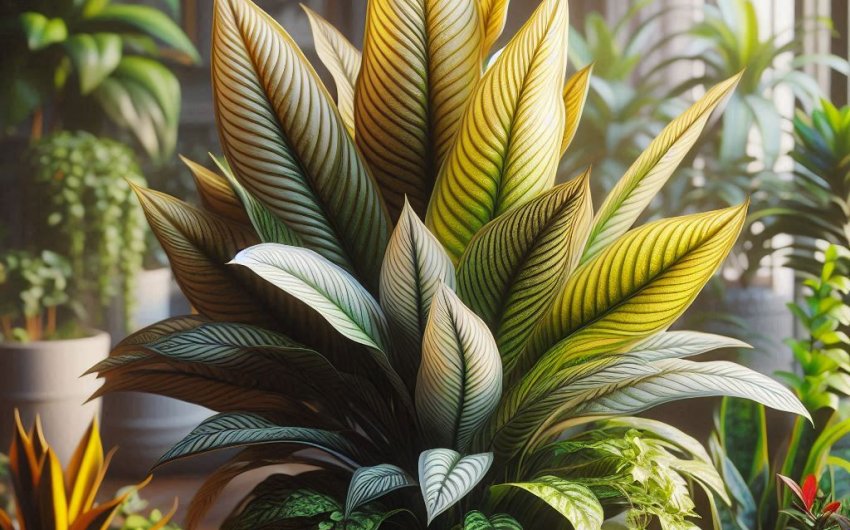
Noticing yellow leaves on houseplants can be a worrying sign for any plant parent. While a single yellowing leaf might just be a natural part of your plant's life cycle, widespread discoloration often points to an underlying issue that needs your attention. Understanding why your plant's foliage is turning shades of yellow is the first step toward bringing it back to vibrant health. This guide will walk you through the common culprits and provide clear, actionable solutions to rescue your beloved indoor greenery.
Why Are Your Houseplant Leaves Turning Yellow?
The most frequent reason for yellow leaves on houseplants comes down to environmental factors. Plants, like us, have specific needs, and when those needs aren't met, they show signs of stress. Think of yellowing leaves as your plant's way of telling you something is wrong. Pinpointing the exact cause often involves a bit of detective work, but knowing the usual suspects makes the process much easier.
Is Overwatering the Main Culprit for Yellow Leaves?
Overwatering is arguably the most common cause of yellow leaves on houseplants. When a plant gets too much water, its roots can't breathe. They become waterlogged, leading to root rot. Once the roots start to rot, they can't take up water and nutrients effectively, causing the leaves to turn yellow and eventually die.
How to tell if it's overwatering:
- Leaves turn yellow and soft or mushy, often starting from the lower leaves.
- The soil stays wet for a long time after watering.
- There might be a sour or rotten smell from the soil.
- The plant looks generally droopy and unwell.
Solution for Overwatering:
- Stop watering immediately. Let the soil dry out completely.
- Check the soil moisture regularly. Stick your finger about two inches deep into the soil. If it feels moist, wait. Use a soil moisture meter for a more accurate reading.
- Improve drainage. Make sure your pot has drainage holes. If it doesn't, repot your plant into a pot with drainage holes. You can also add a layer of perlite or orchid bark to your potting mix to improve aeration.
- If root rot is severe, you might need to repot. Gently remove the plant from its pot, inspect the roots, and trim any mushy, black, or smelly ones. Repot in fresh, well-draining soil.
Can Underwatering Cause Leaves to Turn Yellow?
While less common than overwatering, underwatering can also lead to yellowing leaves. When a plant doesn't get enough water, it can't transport nutrients to all its leaves. It will start to sacrifice older leaves to conserve resources for newer growth.
How to tell if it's underwatering:
- Leaves turn yellow and crispy or dry, often starting from the lower leaves.
- The soil is bone dry and might pull away from the edges of the pot.
- The plant looks wilted or limp, but the leaves aren't mushy.
- The pot feels very light when you lift it.
Solution for Underwatering:
- Water thoroughly. Give your plant a good soak until water drains out of the bottom of the pot.
- Bottom watering can be very effective for very dry plants. Place the potted plant in a shallow tray or sink filled with water. Let it sit for 15-30 minutes, or until the top of the soil feels moist.
- Establish a regular watering schedule. Pay attention to your plant's specific needs. Some plants prefer to dry out between waterings, while others like consistently moist soil.
Is Light an Important Factor for Green Leaves?
Just like water, light is crucial for a plant's health. Too much or too little light can cause yellow leaves on houseplants. Plants use light for photosynthesis, the process that makes their food. Without enough light, they can't produce enough energy, and their leaves turn yellow. On the other hand, too much direct light can scorch leaves, causing them to bleach and turn yellow or even white.
How to tell if it's a light issue:
- Too little light: Leaves turn yellow, especially on the shaded side of the plant or lower leaves. New growth might be leggy or stretched.
- Too much light: Leaves might look bleached, scorched, or develop yellow patches. This is often seen on plants placed too close to a bright window.
Solution for Light Issues:
- Research your plant's light needs. Different plants have different preferences. Some love bright, indirect light, while others thrive in low-light conditions.
- Move your plant. If it's getting too little light, move it to a brighter spot. If it's getting too much direct sun, move it away from the window or use a sheer curtain to filter the light.
- Rotate your plant regularly to ensure all sides get even light exposure.
- Consider using a grow light if natural light is insufficient, especially during winter months.
Can Nutrient Deficiencies Cause Leaves to Turn Yellow?
Nutrient deficiencies can definitely lead to yellow leaves on houseplants. Plants need a balanced diet of essential nutrients to grow and stay healthy. If they're missing something important, it will show in their foliage.
Common nutrient deficiencies:
- Nitrogen deficiency: This is very common. Older leaves, usually at the bottom of the plant, will turn a uniform pale yellow. Nitrogen helps with overall green growth.
- Iron deficiency: New leaves or the tips of new growth might turn yellow, while the veins remain green. This is called chlorosis.
- Magnesium deficiency: Similar to iron, but often affects older leaves first, with yellowing between green veins.
- Potassium deficiency: Edges of leaves might turn yellow or brown.
Solution for Nutrient Deficiencies:
- Fertilize regularly. Use a balanced houseplant fertilizer during the growing season (spring and summer). Always follow the instructions on the fertilizer package.
- Avoid over-fertilizing. Too much fertilizer can burn roots and also cause yellowing. It's often better to under-fertilize than over-fertilize.
- Consider a soil test if you suspect a serious deficiency and can't pinpoint it.
- Repotting into fresh potting mix annually or biannually also helps replenish nutrients.
How Does Temperature Affect Leaf Color?
Temperature stress can also cause yellow leaves on houseplants. Most houseplants prefer stable, moderate temperatures. Sudden drops or spikes in temperature, or exposure to cold drafts or hot air, can shock the plant and cause its leaves to yellow and drop.
How to tell if it's temperature stress:
- Yellowing often occurs on leaves closest to a cold window, air vent, or drafty door.
- Leaves might also wilt or appear generally stressed.
- Sudden temperature changes are usually the cause.
Solution for Temperature Stress:
- Maintain stable temperatures. Keep your houseplants in an area with consistent temperatures, ideally between 65-75°F (18-24°C) for most tropical varieties.
- Avoid drafts. Keep plants away from open windows, air conditioning vents, heating vents, or exterior doors that are frequently opened.
- Protect from extreme cold. Don't place plants directly against cold window panes in winter.
Can Pests Be Causing Yellow Leaves?
Pests can be sneaky culprits behind yellow leaves on houseplants. Small insects feed on plant sap, draining its vitality and causing discoloration. If left unchecked, infestations can severely weaken a plant.
Common houseplant pests that cause yellowing:
- Spider mites: Tiny red or brown mites that create fine webbing on leaves and stems. Leaves often develop tiny yellow or white speckles before turning entirely yellow. Use a magnifying glass to spot them.
- Aphids: Small, soft-bodied insects, often green, black, or white, found on new growth or undersides of leaves. They excrete sticky honeydew.
- Mealybugs: White, cottony masses found in leaf axils (where the leaf meets the stem) or along stems.
- Scale insects: Small, brown, dome-shaped bumps on stems and leaves. They are immobile and look like part of the plant.
Solution for Pests:
- Inspect regularly. Check your plants for pests often, especially the undersides of leaves and new growth.
- Isolate infected plants to prevent spread.
- Wipe leaves clean. For minor infestations, wipe affected leaves with a damp cloth or cotton swab dipped in rubbing alcohol.
- Use insecticidal soap. A natural insecticidal soap can effectively control many soft-bodied pests. Follow product instructions carefully.
- Neem oil: A neem oil spray is another organic option for pest control and also acts as a fungicide.
- For severe infestations, you might need stronger measures or consider discarding the plant to protect others.
Is It Possible for Potting Mix Issues to Lead to Yellow Leaves?
The potting mix itself can be a major factor in yellow leaves on houseplants. Over time, potting mix can break down, become compacted, or lose its ability to drain well. Poor quality or old soil can suffocate roots and prevent proper nutrient uptake.
How to tell if it's a potting mix issue:
- Water sits on top of the soil or drains very slowly.
- The soil smells stale or sour.
- The plant appears generally unhealthy despite proper watering and light.
- You see roots growing out of the drainage holes or circling the pot (root-bound).
Solution for Potting Mix Issues:
- Repot your plant. Every 1-2 years, or when your plant outgrows its pot, repot it into fresh, appropriate potting mix.
- Choose the right mix. Different plants have different soil needs. Some prefer airy orchid mix, while others like well-draining cactus soil. For most houseplants, a general-purpose indoor potting mix with added perlite or coco coir works well to improve drainage and aeration.
- Ensure good drainage. Always use pots with drainage holes. Consider adding a layer of drainage pebbles at the bottom of the pot, although this is debated, ensuring excellent drainage from the potting mix itself is more critical.
What About Humidity and Yellowing Leaves?
Many popular houseplants come from tropical regions and thrive in high humidity. When the air around them is too dry, it can stress the plant, leading to yellowing leaves, especially crispy edges or tips.
How to tell if it's a humidity issue:
- Leaves have brown, crispy tips or edges, which might be followed by general yellowing.
- The plant generally looks less vibrant or struggles in a very dry indoor environment, especially during winter when heaters are on.
Solution for Humidity Issues:
- Mist your plants regularly. Use a fine mist sprayer with distilled water.
- Use a pebble tray. Place your plant pot on a tray filled with pebbles and water. Make sure the bottom of the pot doesn't sit directly in the water. As the water evaporates, it increases humidity around the plant.
- Group plants together. Plants release moisture into the air, so grouping them can create a microclimate of higher humidity.
- Use a humidifier. For serious humidity lovers, a room humidifier is the most effective solution, especially in dry climates or during winter.
Can Aging and Stress From Repotting Cause Leaves to Turn Yellow?
Sometimes, yellow leaves on houseplants are simply a natural part of a plant's life cycle or a reaction to stress.
- Natural aging: As plants grow, older leaves, typically at the bottom of the plant, will naturally yellow and fall off. This is normal and nothing to worry about if it's just a few old leaves.
- Transplant shock: Repotting can be stressful for a plant. It might drop some leaves or have some yellowing as it adjusts to its new environment.
Solution for Aging and Stress:
- For natural aging: Simply remove the yellowed leaves by snipping them off with clean pruning shears. This helps the plant redirect energy to new growth.
- For transplant shock: Be patient. Provide consistent care (proper watering, light, and humidity) and avoid any additional stress for a few weeks after repotting. The plant should recover as it settles in.
How Can You Prevent Yellow Leaves on Houseplants?
Preventing yellow leaves on houseplants is mostly about providing consistent, appropriate care tailored to your specific plant's needs. It's much easier to prevent issues than to fix them once they've started.
What Are Good Watering Habits?
- Check the soil, don't just water on a schedule. Feel the soil before you water. For most houseplants, the top inch or two of soil should be dry before you water again.
- Water thoroughly. When you do water, water until it drains out of the bottom of the pot. This ensures all the roots get moisture.
- Empty drainage trays. Don't let your plant sit in standing water, as this can lead to root rot.
- Know your plant's preference. Some plants like consistently moist soil (e.g., ferns), while others prefer to dry out almost completely between waterings (e.g., succulents, cacti).
How Can You Ensure Proper Lighting?
- Research your plant's light needs. This is the most crucial step. A plant that needs bright, indirect light will suffer in a low-light corner or direct sun.
- Observe your plant. Pay attention to how it reacts in its current spot. Is it stretching towards the light? Are its leaves getting scorched?
- Rotate your plants regularly to encourage even growth and light exposure.
- Clean leaves periodically. Dust on leaves can block light absorption. Gently wipe leaves with a damp cloth.
What's the Best Way to Fertilize Your Houseplants?
- Fertilize during the growing season only. Most houseplants actively grow in spring and summer. They need less or no fertilizer during their dormant period (fall and winter).
- Use a balanced fertilizer. A liquid houseplant fertilizer that is diluted to half strength is often a good general choice.
- Follow dilution instructions. Over-fertilizing can be more damaging than under-fertilizing.
- Repotting provides nutrients. Fresh potting mix contains nutrients, so you might not need to fertilize immediately after repotting.
Why is Good Potting Mix Important?
- Use high-quality potting mix. Not all potting mixes are created equal. Choose a well-draining potting mix suitable for indoor plants.
- Consider amendments. You can customize your potting mix by adding perlite for aeration, vermiculite for moisture retention, or orchid bark for drainage, depending on your plant's needs.
- Repot when necessary. As roots grow and soil compacts, repotting into fresh soil provides new nutrients and better aeration.
How Can You Protect Against Pests?
- Inspect new plants. Before bringing any new plant home, thoroughly inspect it for pests. Isolate new plants for a few weeks to ensure they are pest-free.
- Regular checks. Make checking for pests part of your routine. The earlier you catch an infestation, the easier it is to control.
- Clean leaves. Regularly wiping down leaves not only removes dust but also can dislodge small pests before they become a problem.
- Maintain plant health. Healthy plants are more resistant to pest infestations.
What Role Does Environment Play in Plant Health?
- Monitor temperature and humidity. Try to keep temperatures stable and avoid sudden changes. If your plants are tropical, consider ways to boost humidity.
- Avoid drafts. Place plants away from heating and cooling vents, and drafty windows or doors.
- Provide good air circulation. Stagnant air can encourage fungal issues. Ensure there's some airflow around your plants.
By understanding these common causes and implementing the suggested solutions and preventative measures, you'll be well-equipped to tackle yellow leaves on houseplants and keep your indoor jungle thriving. Remember, consistency and observation are your best tools in becoming a successful plant parent.