
Low-Light Houseplants: Thriving in Shade
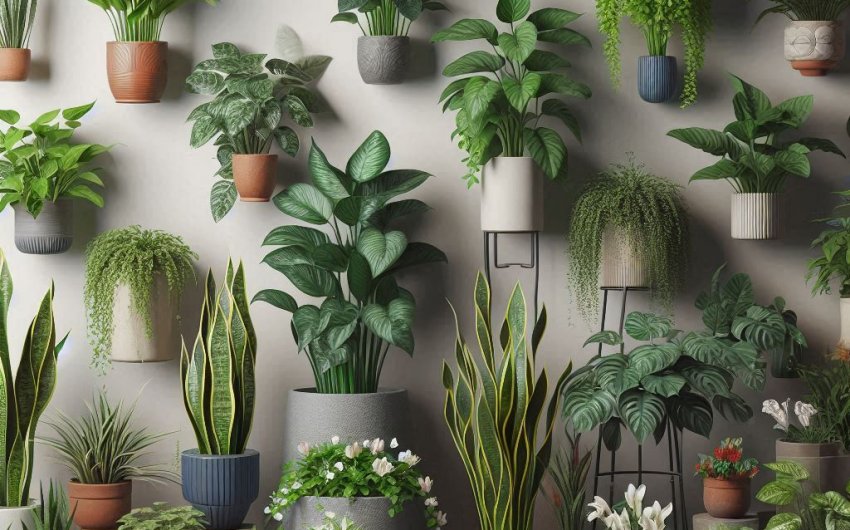
Bringing green life indoors, especially in dimly lit corners, can transform any living space, and low-light houseplants are the perfect solution for areas where natural sunlight is scarce. These resilient plants are remarkably adaptable, capable of not just surviving but genuinely thriving in shade, adding a touch of natural beauty and improving indoor air quality even in the least sunny rooms. Whether you have north-facing windows, a cozy apartment, or simply want to brighten a shadowed nook, there’s a diverse range of verdant options ready to flourish without constant bright light.
What defines a low-light houseplant and why do they thrive in shade?
Understanding what makes a plant "low-light" is key to successfully growing them indoors, especially when natural sunlight is limited. These plants aren't just surviving; many are perfectly designed by nature to thrive in shade.
What does "low-light" actually mean for houseplants?
When we talk about "low-light" plants, it doesn't mean "no light." All plants need some light for photosynthesis, the process by which they convert light energy into food. However, "low-light" means the plant can perform photosynthesis efficiently with significantly less light intensity than typical sun-loving plants.
Think of light levels in a house:
- Bright, Direct Light: Found right in front of an unobstructed south- or west-facing window, where the sun's rays hit the plant directly for several hours a day. This is too much for low-light plants.
- Bright, Indirect Light: Near a south or west window but set back a few feet, or near a large east-facing window. The light is bright but never hits the plant directly. This is good for many medium-light plants.
- Medium Light: Several feet away from a bright window, or near a north-facing window. This is where many "low-light" plants will actually thrive and show their best growth.
- Low Light: A corner of a room far from any window, a hallway, or a bathroom with a small window. This is the minimum light for "low-light" plants to survive. They might not grow much, but they'll generally stay healthy.
Low-light plants are often native to the understory of tropical forests, where they are accustomed to filtered light that pierces through a dense canopy of taller trees. They don't get direct sun, but rather receive dappled or indirect light.
What are the adaptations of plants that thrive in shade?
Plants that naturally thrive in shade have evolved several clever adaptations to maximize the use of limited light:
- More Chlorophyll: Chlorophyll is the green pigment in plants that captures light energy. Shade-loving plants often have a higher concentration of chlorophyll in their leaves, allowing them to absorb more of the available light. This is why many low-light plants have very deep green foliage.
- Larger Leaf Surface Area: Having bigger leaves provides more surface area to capture scarce light photons. Many low-light plants, like the Peace Lily or Cast Iron Plant, have noticeably broad leaves.
- Thinner Leaves: Thinner leaves allow light to penetrate more deeply into the leaf tissue, reaching more chlorophyll-containing cells.
- Darker Pigmentation: The deeper green color indicates more chlorophyll. Sometimes, these plants might also have reddish or purplish undersides to their leaves (like some Prayer Plants), which are thought to act like mirrors, reflecting unused green light back up into the leaf to be absorbed by chlorophyll.
- Efficient Light Capture: Their chloroplasts (the organelles within cells where photosynthesis occurs) are often arranged to maximize light absorption. They might orient their leaves to be perpendicular to the light source to catch as much light as possible.
- Slower Growth Rate: Because light is limited, the rate of photosynthesis is slower, which translates to a slower overall growth rate. This is why low-light plants generally don't need frequent repotting or as much fertilizer.
- Reduced Water Needs: Many low-light plants also have adaptations for handling periods of drought in their natural habitat, such as rhizomes or tubers that store water and nutrients. This often translates to needing less frequent watering indoors, which further benefits growers in low-light conditions since the soil dries out more slowly.
Understanding these adaptations helps us appreciate why these plants are so resilient and well-suited for less-than-ideal lighting conditions in our homes. They are truly built to make the most of what little light they receive.
What are the best low-light houseplants for beginners?
If you're new to the world of indoor gardening or just want reliable green companions for dim spaces, several low-light houseplants are exceptionally forgiving and easy to care for. These plants are tough, adaptable, and will genuinely thrive in shade without requiring much fuss.
ZZ Plant (Zamioculcas zamiifolia): Often lauded as one of the most indestructible houseplants, the ZZ Plant is incredibly tolerant of low light and infrequent watering. Its thick, waxy, dark green leaves emerge on upright stems, giving it a somewhat architectural look. It stores water in its thick rhizomes (underground stems), making it highly drought-tolerant. You can practically forget about it for weeks, and it will still look fantastic. Just give it a drink when the soil is completely dry. A popular variety is the 'Raven' ZZ Plant, which has striking dark purple-black foliage. You can find a ZZ Plant at most garden centers.
Snake Plant (Sansevieria trifasciata): Also known as Mother-in-Law's Tongue, the Snake Plant is another champion of neglect. It can handle very low light, though it will thrive with brighter indirect light. Its upright, sword-like leaves come in various patterns, including dark green with yellow margins ('Laurentii') or mottled silver-green ('Moonshine'). Like the ZZ Plant, it's extremely drought-tolerant and sensitive to overwatering, so err on the side of underwatering. The Snake Plant 'Laurentii' is a common and very hardy choice.
Peace Lily (Spathiphyllum): For those who want both foliage and flowers in low light, the Peace Lily is a superb choice. It produces elegant white "flowers" (which are actually modified leaves called bracts) that rise above its glossy, dark green leaves. While it prefers medium to low indirect light, it's very communicative: if it's thirsty, its leaves will dramatically droop, telling you exactly when to water. Once watered, it usually perks right back up. Too much direct sun can scorch its leaves. You can find a beautiful Peace Lily plant for your home.
Pothos (Epipremnum aureum): Often called "Devil's Ivy" because it's so hard to kill, the Pothos is a classic cascading or vining plant. It's incredibly adaptable to various light conditions, including low light, though its variegation (colored patterns on leaves) might be less pronounced in dimmer settings. Common varieties include 'Golden' (green with yellow variegation), 'Marble Queen' (green with white variegation), and 'Neon' (bright chartreuse). Pothos is forgiving of inconsistent watering and can tolerate drying out between waterings. Its trailing habit makes it perfect for hanging baskets or shelves. A starter Pothos plant is easily found.
Philodendron (Heartleaf) (Philodendron hederaceum): Similar to Pothos in its vining nature and ease of care, the Heartleaf Philodendron has smaller, heart-shaped, glossy green leaves. It's very tolerant of low light conditions and is another excellent choice for hanging baskets or letting its vines trail down from a shelf. It also signals its thirst by drooping slightly. This classic Heartleaf Philodendron is a timeless favorite.
Cast Iron Plant (Aspidistra elatior): True to its name, the Cast Iron Plant is incredibly tough and can tolerate very low light, drought, and even temperature fluctuations. It grows slowly, producing dark green, glossy, upright leaves on long stems. This plant is perfect for those truly challenging, dim corners where other plants might fail. It prefers to be on the drier side and hates soggy feet. Find a resilient Cast Iron Plant for those challenging spots.
Spider Plant (Chlorophytum comosum): While it prefers brighter indirect light to produce lots of "spiderettes" (baby plants), the Spider Plant can still tolerate lower light conditions quite well. Its arching, variegated leaves add a classic touch to any room. It's also known for being an excellent air purifier and is non-toxic to pets, making it a great all-around choice. A healthy Spider Plant can quickly fill a space.
These plants are fantastic starting points for building an indoor jungle, proving that you don't need abundant sunlight to enjoy the beauty and benefits of low-light houseplants that truly thrive in shade.
How should I care for low-light houseplants to ensure they thrive?
While low-light houseplants are famously forgiving, providing them with the right care ensures they don't just survive but truly thrive in shade. Their needs are often simpler than sun-loving plants, but consistency in a few key areas makes all the difference.
What are the ideal watering practices for low-light plants?
This is perhaps the most critical aspect of caring for low-light plants. Because they receive less light, they photosynthesize more slowly and, consequently, use less water. The soil in low-light conditions also takes much longer to dry out.
- Check Soil Moisture: Never water on a schedule. Instead, always check the soil moisture first. Stick your finger 1-2 inches deep into the soil. For most low-light plants, you should wait until the top few inches of soil are dry to the touch before watering again. For some, like the ZZ Plant and Snake Plant, wait until the soil is almost completely dry throughout the pot.
- Water Thoroughly: When you do water, water deeply until you see water draining from the bottom of the pot. This ensures that all the roots get a drink.
- Empty Saucer: Always empty any excess water from the saucer underneath the pot. Letting the plant sit in standing water will lead to root rot, which is the most common killer of houseplants, especially those in low light.
- Less Frequent in Winter: During the fall and winter months, when light levels are even lower and many plants go through a period of slower growth or dormancy, reduce your watering frequency significantly.
What kind of soil and pots are best?
- Well-Draining Potting Mix: Use a high-quality indoor potting mix that offers good drainage. Some people like to amend their potting mix with a bit of perlite or coco coir to improve aeration and drainage, especially for plants prone to root rot.
- Drainage Holes are Essential: No matter how well you water, a pot without drainage holes is a recipe for disaster. Always choose pots with holes to allow excess water to escape. If you love a decorative pot without holes, use it as a cachepot (a decorative outer pot) and keep your plant in a nursery pot with drainage inside.
Do low-light plants need fertilizer?
- Less is More: Because low-light plants grow more slowly, they don't need as much fertilizer as their sun-loving counterparts. Over-fertilizing can lead to root burn or leggy growth.
- During Growing Season Only: Fertilize only during the active growing season (typically spring and summer) when the plant is actively putting out new growth. Avoid fertilizing during fall and winter.
- Diluted Strength: Use a balanced liquid houseplant fertilizer at half or quarter the recommended strength, or even less frequently than the label suggests (e.g., once every 2-4 months instead of every 2-4 weeks).
What about humidity and temperature?
- Average Room Humidity: Most low-light houseplants are tropical in origin and appreciate average to slightly higher humidity. However, they are generally tolerant of typical indoor humidity levels. If your home is very dry, especially in winter with heating systems running, consider a humidity tray (a shallow tray with pebbles and water under the pot) or a small room humidifier.
- Consistent Temperatures: Most low-light plants prefer consistent room temperatures (65-80°F or 18-27°C) and should be kept away from cold drafts from windows or heating/AC vents. Sudden temperature swings can stress them.
Do low-light plants need pruning?
- Minimal Pruning: Low-light plants generally require less pruning than fast-growing, high-light plants.
- Remove Dead or Yellowing Leaves: Prune any yellowing, brown, or dead leaves to keep the plant looking tidy and direct the plant's energy to healthy growth.
- Shape and Size Control: If your vining plants (like Pothos or Philodendron) become too leggy or long, you can prune them back to encourage bushier growth. The cuttings can often be rooted in water to make new plants!
How often should I repot them?
- Infrequent Repotting: Due to their slower growth rate, low-light plants typically need to be repotted less often than other houseplants, perhaps every 1-3 years or even longer.
- Signs It's Time to Repot: Repot when you see roots growing out of the drainage holes, the plant is becoming top-heavy, or its growth slows dramatically and doesn't improve with fertilizer.
- Choose the Right Size: When repotting, only go up one pot size (e.g., from a 6-inch to an 8-inch pot). Too large a pot will hold too much moisture, increasing the risk of root rot.
By following these simple care guidelines, your low-light houseplants will not only survive but truly transform your dim spaces into vibrant, green sanctuaries, proving that they genuinely know thriving in shade.
What creative ways can I display low-light houseplants?
Beyond simply placing them on a shelf, there are many creative ways to display low-light houseplants that enhance your home's decor while ensuring they truly thrive in shade. Thoughtful placement and innovative display methods can elevate their visual impact and contribute to a more vibrant indoor environment.
How can I use them in challenging, dim spaces?
- North-Facing Windows: These are ideal spots for most low-light plants, as they provide consistent, gentle indirect light. Arrange a collection of different textured and sized plants on a windowsill or nearby table.
- Bathrooms without Direct Sun: The consistent humidity in bathrooms makes them perfect for many low-light, tropical plants. Place a Peace Lily on the counter or a Snake Plant in a corner. Ensure there's enough ambient light from overhead fixtures if no window is present.
- Hallways and Stairwells: These often overlooked areas can be transformed with plants. Use tall, slender plants like a ZZ Plant or a Snake Plant in a decorative floor planter to add height and interest.
- Shelves and Bookcases: Utilize vertical space by placing smaller low-light plants like Pothos or Heartleaf Philodendron on shelves, allowing their vines to cascade down. Mix them with books and decorative objects for a layered look.
- Corners of Rooms: Even far from a window, a strategic grouping of a few resilient low-light plants, perhaps with a subtle grow light bulb (more on this later), can brighten up an otherwise dull corner. A large Cast Iron Plant can be a stunning focal point.
What are some unique display ideas?
- Hanging Baskets: Vining low-light plants like Pothos, Heartleaf Philodendron, and Spider Plants are perfect for hanging planters. Hang them from ceilings, curtain rods, or wall hooks to add a cascading green element and save floor space.
- Plant Stands: Multi-tiered plant stands allow you to group several plants together at different heights, creating a mini indoor garden. This is great for showcasing a collection and helps to create a microclimate with slightly increased humidity.
- Terrariums (Open or Closed): For very small spaces or for plants that love high humidity (like some smaller ferns or mosses that also do well in low light), a terrarium can be a self-contained ecosystem. Ensure the plants chosen are truly suitable for terrarium conditions. While many low-light plants are too large, some miniature versions might work.
- Grouping for Impact: Instead of scattering plants, group several low-light plants together in a cluster. This creates a fuller, more impactful green statement and can also help increase local humidity for the plants. Mix different leaf shapes, sizes, and textures for visual interest.
- Decorative Pots: The right pot can make a huge difference. Choose ceramic pots in colors and styles that complement your interior decor. A simple white pot can make a vibrant green plant pop, while an earthy terracotta pot adds a natural, rustic feel. Remember to always ensure proper drainage.
- Bookcase Integration: Interweave plants among your book collection on shelves. The green foliage adds life and breaks up the monotony of spines, creating a cozy and inviting atmosphere.
- Bathroom Sanctuary: Turn your bathroom into a spa-like retreat by adding moisture-loving low-light plants like Peace Lilies, Ferns, or Prayer Plants. They will thrive in the steamy environment.
What about supplemental lighting for very dim spots?
While these plants tolerate low light, they will always do better with some light. For truly dark corners or if you want to encourage more vigorous growth or flowering (like with a Peace Lily), supplemental lighting can be a game-changer.
- Grow Light Bulbs: You don't necessarily need a fancy, expensive grow light setup. Simple LED grow light bulbs can be screwed into regular lamps or fixtures. Place them a few feet above your plants and run them for 8-12 hours a day, especially during darker winter months.
- Light Timers: To ensure consistency, use an outlet timer to control your grow lights automatically.
- Undershelf Lighting: For plants on shelves or bookcases, stick-on LED light strips can be a discreet way to provide supplemental light without being obvious.
By combining the natural resilience of low-light houseplants with creative display strategies and a dash of supplemental lighting where needed, you can effortlessly transform any dim interior space into a verdant oasis, demonstrating how well these remarkable plants truly know thriving in shade.