
Keeping Your Houseplants Healthy: Essential Care Tips
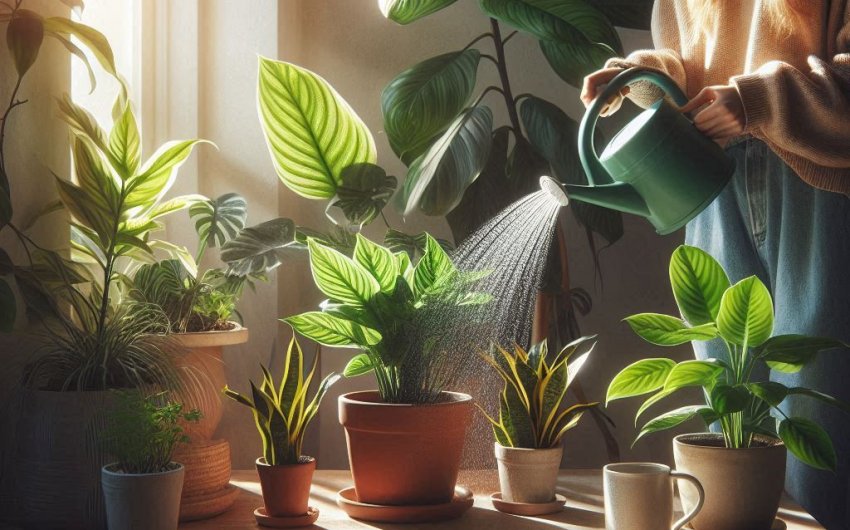
You've brought the vibrant beauty of nature indoors, transforming your living space into a refreshing oasis with a collection of houseplants. From lush tropical foliage to delicate flowering specimens, these green companions add life, color, and a sense of calm to any room. However, keeping them not just alive, but truly healthy, requires a bit of understanding about their needs in an indoor environment.
Keeping your houseplants healthy is a rewarding endeavor that goes beyond simple watering. It involves understanding fundamental principles of light, moisture, nutrition, and environmental factors. Mastering these essential care tips empowers you to nurture your indoor garden, ensuring your plants thrive, flourish, and continue to bring joy and vibrancy to your home for years to come.
Why is Houseplant Care So Important?
A houseplant is more than just a decorative item; it's a living being that relies entirely on you for its survival and well-being. Houseplant care is crucial not just for the plant's sake, but for maximizing the numerous benefits these green companions bring to your home and life.
Understanding the depth of impact your care has highlights why being a mindful houseplant parent is so important.
Enhances Indoor Air Quality
One of the most significant and scientifically supported benefits of houseplants is their ability to enhance indoor air quality. While not a complete replacement for ventilation, they play a tangible role in improving the air we breathe in our homes.
- NASA Clean Air Study: Pioneering research by NASA in the late 1980s famously highlighted how certain common houseplants can remove airborne toxins from indoor environments.
- Targeted Pollutants: Houseplants absorb Volatile Organic Compounds (VOCs) like:
- Formaldehyde: Found in building materials, furniture, cleaning products, and fabrics.
- Benzene: Emitted from plastics, synthetic fibers, detergents, and tobacco smoke.
- Xylene and Toluene: Found in paints, glues, and varnishes.
- Trichloroethylene: Found in cleaning products, adhesives, and paints.
- How They Work: Plants absorb these VOCs through their leaves, and the toxins are then transported to the root zone. Here, microorganisms in the potting mix convert the harmful chemicals into less harmful substances that the plant can then use as food.
- Oxygen Production: Through photosynthesis, houseplants also absorb carbon dioxide and release oxygen, contributing to fresher indoor air.
- Humidity Boost: Plants release moisture through transpiration, which can increase humidity in dry indoor environments, beneficial for human respiratory health and for other plants.
- Benefits for Well-being: Cleaner air contributes to better respiratory health, reduced headaches, and improved overall comfort in your living space.
By keeping your houseplants healthy, you enable them to perform their natural air-purifying qualities, making your home a cleaner and safer place.
Boosts Mood and Reduces Stress
Beyond the air they clean, houseplants have a profound and scientifically recognized ability to boost mood and reduce stress, creating a more calming and positive living environment.
- Biophilia: Humans have an innate tendency to connect with nature, a concept called biophilia. Bringing plants indoors taps into this connection, fostering a sense of peace and well-being.
- Calming Presence: The sight of greenery and the act of caring for a living thing can have a naturally soothing effect, reducing feelings of anxiety and promoting relaxation.
- Improved Focus and Productivity: Studies have shown that the presence of houseplants in workspaces or homes can improve concentration, memory retention, and overall productivity, reducing mental fatigue.
- Therapeutic Activity: The routine of houseplant care – watering, pruning, observing new growth – can be a mindful, meditative practice that diverts attention from stressors and promotes mental clarity.
- Sense of Accomplishment: Nurturing a plant from struggle to thriving health provides a tangible sense of accomplishment and satisfaction.
- Aesthetic Appeal: The natural beauty of houseplants enhances indoor aesthetics, creating a more inviting, vibrant, and visually appealing living space.
Keeping your houseplants healthy provides a continuous source of visual pleasure and engages you in a therapeutic activity that actively boosts mood and reduces stress, contributing to a more harmonious home environment.
Creates a More Welcoming Home Environment
A home adorned with healthy houseplants instantly feels more inviting, vibrant, and alive. They contribute significantly to creating a more welcoming home environment, making spaces feel softer, fresher, and more comfortable.
- Softens Harsh Edges: Plants naturally soften the hard lines and angles of furniture and architecture, creating a more organic and comfortable aesthetic.
- Adds Color and Life: Even in neutral decor schemes, houseplants introduce natural pops of green and sometimes colorful blooms, infusing the space with life and freshness.
- Connects Indoors with Outdoors: They bridge the gap between your interior living space and the natural world outside, creating a sense of continuity and natural flow.
- Improves Acoustics: Plants, particularly those with dense foliage, can help absorb sound, reducing echoes and making a room feel quieter and more intimate.
- Reflects Care and Warmth: A home with healthy, well-cared-for plants conveys a sense of warmth, care, and attention to detail, making guests feel more comfortable and at ease.
- Invites Relaxation: The calming and refreshing presence of houseplants makes a room feel like a more relaxing sanctuary, encouraging lounging and unwinding.
By diligently practicing houseplant care, you curate living decor that actively creates a more welcoming home environment, enhancing comfort, beauty, and a sense of vitality for all who enter.
Educational Opportunity
For individuals and families, houseplant care offers a unique and accessible educational opportunity, fostering a deeper understanding of botany, ecology, and responsibility.
- Learning About Plant Needs: Through observation and problem-solving, you learn about fundamental plant biology – photosynthesis, transpiration, nutrient uptake, and how environmental factors (light, water, humidity) impact growth.
- Understanding Ecosystems (Miniature Scale): A houseplant and its potting mix form a miniature ecosystem. You learn about the roles of soil microbes, the importance of drainage, and the delicate balance required for a living system.
- Patience and Observation: Plant growth is often slow, teaching patience. Observing subtle changes in leaves, growth patterns, or soil moisture hones observational skills.
- Problem-Solving Skills: When a plant struggles, you engage in diagnostic thinking: "Is it too much water? Not enough light? A pest?" This fosters practical problem-solving.
- Responsibility: Caring for a living thing instills a sense of responsibility and nurturing. This is especially valuable for children, teaching them empathy and the consequences of actions (or inactions).
- Environmental Awareness: Understanding how plants clean the air and contribute to their environment can deepen appreciation for broader ecological issues and sustainability.
Houseplant care is a hands-on, living lesson that offers a continuous educational opportunity, building practical skills, fostering curiosity, and promoting environmental awareness for all ages.
Essential Houseplant Care Tips
Keeping your houseplants healthy boils down to understanding a few essential care tips. These fundamental practices address the core needs of most indoor plants, providing the foundation for a thriving and vibrant indoor garden. Mastering these will set you up for success, preventing common problems and ensuring your plants flourish.
It’s about consistently meeting their requirements to allow them to perform their best.
1. Providing the Right Light (Most Crucial)
Providing the right light is arguably the most crucial essential care tip for houseplants. Light is the energy source for photosynthesis, and insufficient or excessive light will quickly lead to problems.
- Understanding Light Levels:
- Bright, Indirect Light (Ideal for Most): This is the sweet spot for the majority of houseplants (e.g., Pothos, Philodendrons, ZZ Plants, Peace Lilies, Fiddle Leaf Figs). It means a spot near a sunny window but out of direct, harsh sun (e.g., a few feet back from a south or west-facing window, or near an east-facing window that gets gentle morning sun).
- Direct Sun: For sun-loving plants like succulents, cacti, and some flowering plants (e.g., some herbs, Hibiscus), they need at least 6 hours of direct sunlight.
- Low Light: For truly low-light tolerant plants (e.g., Snake Plant, ZZ Plant, Cast Iron Plant), but even these prefer brighter spots to truly thrive.
- Signs of Incorrect Light:
- Too Little Light:
- Leggy Growth: Long, stretched-out stems with wide gaps between small, often pale leaves (plant "reaching" for light).
- Loss of Variegation: Variegated plants (with white or yellow patterns) may lose their markings and revert to solid green.
- Slow Growth/No Growth: Plant simply isn't thriving.
- Yellowing Leaves: Can indicate many things, but often associated with low light in a combined context.
- Too Much Direct Light (Sunburn):
- Scorched Spots: Brown, crispy spots or patches directly on leaves where the sun hits.
- Bleached Leaves: Leaves look faded, pale yellow, or white.
- Too Little Light:
- Placement Strategy:
- Observe Your Windows: Understand which direction your windows face and how direct sunlight changes throughout the day and seasons.
- Distance Matters: Light intensity drops off dramatically the further a plant is from a window.
- Rotate Plants: Turn your plants every week or two to ensure all sides receive even light exposure, promoting symmetrical growth.
- Supplemental Lighting: In very dark homes or during winter, consider a grow light for houseplants to provide necessary light spectrum.
Providing the right light ensures your houseplants have the fundamental energy for photosynthesis, leading to vibrant color and robust growth.
2. Watering Correctly (Allow Soil to Dry)
Watering correctly is where most beginners (and even experienced gardeners!) stumble. Overwatering is the number one killer of houseplants. The key is to allow the soil to dry out between waterings.
- The Golden Rule: Check Before You Water: Don't water on a schedule. Always check the soil moisture before watering.
- Finger Test: Stick your finger 2-3 inches deep into the potting mix. If it feels dry at that depth, it's time to water. If it still feels moist, wait.
- Lift the Pot: A dry pot will feel significantly lighter than a recently watered one.
- Moisture Meter: A soil moisture meter for houseplants can provide an accurate reading.
- Why Allowing Soil to Dry is Crucial:
- Root Oxygen: Plant roots need oxygen to breathe and absorb nutrients. Constantly soggy potting mix fills up the air pockets, suffocating the roots.
- Prevents Root Rot: Lack of oxygen leads to root rot – where roots decay due to anaerobic conditions and opportunistic fungi or bacteria. Rotting roots cannot absorb water, causing the plant to wilt even in wet soil.
- How to Water Thoroughly:
- Drench Until Drain: When you do water, water deeply and thoroughly until you see water draining out of the bottom of the pot. This ensures all the roots are hydrated.
- Empty Saucers: Never let your houseplant sit in standing water in its saucer for more than 30 minutes to an hour. Discard excess water.
- Bottom Watering (Optional): For very dry or root-bound plants, place the pot in a sink or tub with 2-3 inches of water and let it soak for 30 minutes to an hour until the topsoil feels moist. This ensures thorough rehydration.
- Adjust Seasonally: Plants need less water in cooler, darker winter months (when growth slows) and more water in warmer, brighter summer months (when they're actively growing and transpiring more).
Mastering correct watering by allowing the soil to dry out is the single most important factor for preventing overwatering and root rot, ensuring your houseplants thrive.
3. Proper Soil and Potting
Proper soil and potting choices provide the foundation for healthy roots, ensuring good drainage, aeration, and nutrient retention.
- Potting Mix:
- Not Garden Soil: Never use garden soil (soil from your yard) in pots. It's too dense, compacts easily, drains poorly, and can contain pests or disease pathogens.
- Well-Draining: Use a high-quality, well-draining potting mix specifically formulated for houseplants. It should be light, airy, and fluffy, allowing water to pass through freely while retaining some moisture.
- Ingredients: Good mixes typically contain peat moss or coco coir (for moisture retention), and perlite, vermiculite, or coarse sand (for drainage and aeration).
- Customization: For plants with specific needs (e.g., succulents/cacti need very fast drainage; orchids need orchid bark), use specialized mixes or amend a general mix with extra horticultural perlite or coarse sand.
- Pot Material:
- Terracotta/Unglazed Clay: Porous, allowing air and moisture to pass through the pot walls. This helps prevent overwatering, but means you might need to water more frequently. A classic terracotta plant pot is excellent.
- Plastic: Retains moisture longer. Good if you tend to underwater, but requires careful watering if you're prone to overwatering.
- Pot Size:
- Not Too Big: Avoid placing a small plant in a disproportionately large pot. Too much potting mix will stay wet for too long, leading to root rot.
- Repotting: Repot only when your plant becomes root-bound (roots are circling the bottom, coming out of drainage holes, or plant is drying out too fast). Generally, every 1-2 years. When repotting, choose a pot only 1-2 inches larger in diameter.
- Drainage Holes: Non-negotiable! Always ensure your pot has drainage holes at the bottom. This is the single most critical factor for preventing root rot.
The proper soil and potting environment creates the ideal conditions for healthy root development, which is the foundation of a thriving houseplant.
4. Humidity and Temperature Control
Humidity and temperature control are essential for houseplants, many of which originate from tropical environments and prefer stable conditions. Indoor environments, especially with heating and air conditioning, can fluctuate widely.
- Temperature:
- Ideal Range: Most houseplants thrive in average room temperatures, typically between 65-85°F (18-29°C).
- Avoid Extremes: Protect plants from sudden temperature drops (below 50-60°F or 10-15°C) and cold drafts, especially from open windows in winter. Keep them away from direct blasts of hot or cold air from vents.
- Humidity:
- Preference: Many popular houseplants (e.g., ferns, calatheas, peace lilies, philodendrons) prefer moderate to high humidity (around 50-70%). Dry indoor air, especially in winter with forced-air heating, is a common stressor.
- Signs of Low Humidity: Crispy brown leaf edges or tips, especially on newer leaves, and sometimes leaves curling or drooping.
- How to Increase Humidity:
- Pebble Tray: Place the potted plant on a shallow tray filled with pebbles and water. Ensure the pot's bottom is above the water level. As water evaporates, it increases humidity around the plant. A decorative plant pebble tray is useful.
- Grouping Plants: Clustering plants together naturally creates a small microclimate with higher humidity.
- Humidifier: For significant dry air issues, a room humidifier for plants provides consistent humidity for your entire collection.
- Misting: While often debated, occasional misting offers a temporary boost, but isn't a long-term solution. It can also encourage fungal issues if airflow is poor.
- Air Circulation: Ensure good air circulation around plants to prevent stagnant, humid air, which can encourage fungal diseases. Space plants out, and occasionally use a small fan on a low setting.
Humidity and temperature control create a stable and comfortable microclimate for your houseplants, reducing stress and promoting lush growth.
5. Fertilizing (The Right Nutrients)
Fertilizing provides your houseplants with the right nutrients to support their growth, especially since they're in a confined potting mix where nutrients get depleted. However, it's easy to over-fertilize.
- Frequency:
- During Growing Season: Fertilize typically every 2-4 weeks during the plant's active growing season (spring and summer).
- No Winter Fertilizing: Do not fertilize during fall and winter when most plants naturally slow their growth or go dormant.
- Type of Fertilizer:
- Balanced Liquid Fertilizer: Most houseplants benefit from a balanced liquid houseplant fertilizer (e.g., 20-20-20 or similar N-P-K ratio).
- Specialized Fertilizers: Some plants (e.g., African Violets, Orchids) may prefer specialized fertilizers tailored to their unique nutrient needs.
- Organic Options: Fish emulsion, liquid kelp, or compost tea can be used for natural feeding. A good liquid houseplant fertilizer will provide balanced nutrition.
- Dilution (Crucial!):
- Half-Strength or Quarter-Strength: Always dilute liquid fertilizers to at least half strength, or even quarter strength, of the recommended amount on the package. Houseplants are sensitive to over-fertilizing.
- Application:
- On Moist Soil: Always fertilize a plant that has recently been watered, not when the soil is completely dry. Applying fertilizer to dry roots can cause fertilizer burn.
- Evenly Distributed: Apply the diluted liquid fertilizer evenly around the potting mix.
- Signs of Over-Fertilizing: Crispy brown leaf tips or edges, stunted growth despite feeding, white crust of salts on the soil surface or pot rim.
- What to Do if Over-Fertilized: Flush the soil thoroughly by running plain water through the pot for several minutes to leach out excess salts.
Fertilizing provides the right nutrients for your houseplants, but careful application and a "less is more" approach prevent harm and ensure vibrant growth.
Troubleshooting Common Houseplant Problems
Even with the best care, houseplants can sometimes face issues. Knowing how to troubleshoot common houseplant problems allows you to quickly identify the cause and take corrective action, getting your green friends back to thriving health. Many problems are interconnected, and a single adjustment can often resolve multiple symptoms.
Becoming a good plant diagnostician helps you keep your indoor garden in top condition.
1. Yellowing Leaves
Yellowing leaves are one of the most frequent and alarming symptoms on houseplants, but the cause can vary widely. It's the most common sign of distress.
- Cause 1: Overwatering/Root Rot (Most Common!):
- Symptoms: Leaves turn yellow, often starting from the bottom of the plant. Stems may feel mushy or soft. Potting mix is constantly wet or soggy.
- Why: Roots suffocate from lack of oxygen and decay, preventing water/nutrient absorption.
- Solution: Allow soil to dry out completely between waterings. If severe, unpot, inspect/trim rotten roots, repot in fresh, well-draining soil with drainage holes.
- Cause 2: Underwatering:
- Symptoms: Leaves droop dramatically and become limp before turning yellow. Eventually, they yellow, then turn brown and crispy. Potting mix is bone dry.
- Why: Plant cells lack water pressure.
- Solution: Water thoroughly until water drains from the bottom. Plant should perk up within hours.
- Cause 3: Nutrient Deficiency:
- Symptoms: General yellowing, often older leaves first (nitrogen or magnesium). Can be uniform or interveinal chlorosis (yellow between green veins).
- Why: Lack of essential nutrients (often nitrogen).
- Solution: Fertilize with balanced liquid fertilizer at half strength during growing season. Ensure consistent watering for nutrient uptake.
- Cause 4: Too Much Direct Light (Sunburn):
- Symptoms: Leaves may appear bleached, pale yellow, or scorched with brown crispy spots in areas exposed to direct sun.
- Why: Intense light damages chlorophyll.
- Solution: Move plant to bright, indirect light.
- Cause 5: Natural Aging:
- Symptoms: Occasional yellowing of just a few older, lower leaves.
- Why: Normal plant process as energy redirects to new growth.
- Solution: Remove yellowed leaf.
Careful observation of where the yellowing occurs and the soil moisture level helps diagnose yellowing leaves.
2. Brown Crispy Edges or Spots
Brown, crispy edges or spots on houseplant leaves typically indicate dehydration or environmental stress.
- Cause 1: Low Humidity:
- Symptoms: Tips and edges of leaves turn brown and become crispy, often without the entire leaf yellowing first.
- Why: Plant is losing moisture to dry air (transpiration) faster than its roots can supply it. Common in winter with forced-air heating.
- Solution: Increase humidity (pebble tray, humidifier, grouping plants).
- Cause 2: Underwatering:
- Symptoms: Similar to low humidity, but usually the entire leaf will dramatically wilt first. Potting mix is bone dry.
- Why: Severe water deprivation.
- Solution: Water thoroughly and consistently.
- Cause 3: Fertilizer Burn:
- Symptoms: Tips and edges turn brown and crispy, often accompanied by white crust of salts on soil surface or pot rim.
- Why: Excess fertilizer salts draw water out of roots.
- Solution: Flush soil thoroughly with plain water. Reduce fertilizer strength/frequency.
- Cause 4: Too Much Direct Sun (Sunburn):
- Symptoms: Brown, crispy spots appear directly on leaf surfaces in areas exposed to intense sun.
- Why: Direct light scorches leaf tissue.
- Solution: Move plant to bright, indirect light.
- Cause 5: Tap Water Chemicals:
- Symptoms: Brown tips on some sensitive plants if consistently watered with highly chlorinated or fluoridated tap water.
- Why: Sensitivity to dissolved chemicals.
- Solution: Let tap water sit out overnight (to allow chlorine to off-gas), or use filtered water.
Diagnosing brown crispy edges or spots requires considering both watering habits and the surrounding environment.
3. Leggy Growth and Small Leaves
Leggy growth and small leaves are clear indicators that your houseplant is not receiving enough light.
- Symptoms: Stems become long and stretched out with wide gaps between leaves. New leaves are smaller than older ones and may lack vibrant color or variegation. The plant appears sparse rather than full.
- Why it Happens: The plant is "etiolating" – stretching desperately towards a light source to maximize its access to sunlight for photosynthesis. It prioritizes stem length over leaf development.
- Solution:
- Increase Light: Move the plant to a brighter location (e.g., closer to a suitable window or under a grow light). This is the most crucial step.
- Pruning: Prune back the leggy stems to encourage bushier growth from nodes lower down the stem. Cut just above a leaf node.
- Propagate Cuttings: You can often use the pruned leggy sections as cuttings to propagate new, bushier plants. Plant these back into the main pot to make the plant look fuller.
- Prevention: Always ensure your houseplant is placed in a spot that matches its lighting needs (e.g., Pothos prefers bright, indirect light; succulents need direct sun). Rotate plants regularly to encourage even growth.
Addressing leggy growth and small leaves directly through light adjustment and pruning will restore your houseplant's compact, bushy, and vibrant form.
4. Wilting or Drooping Leaves
Wilting or drooping leaves are a universal sign of distress, indicating a loss of turgor pressure. While most commonly a sign of thirst, it can also signal the opposite problem, root rot.
- Cause 1: Underwatering (Most Common):
- Symptoms: Leaves go limp and droopy, eventually yellowing or browning. Potting mix is bone dry. Plant perks up quickly after watering.
- Why: Insufficient water to maintain cell rigidity.
- Solution: Water thoroughly immediately.
- Cause 2: Overwatering/Root Rot:
- Symptoms: Leaves go limp and droopy, similar to underwatering, but the potting mix is constantly wet/soggy. Leaves may yellow and become mushy. A foul smell might be present. Plant will not perk up after more watering.
- Why: Roots are suffocating/rotting and cannot absorb water.
- Solution: Address root rot immediately (unpot, inspect/trim rotten roots, repot in fresh, well-draining soil, water sparingly until recovered).
- Cause 3: Heat Stress:
- Symptoms: Leaves wilt during the hottest part of the day, but may perk up in cooler evening/morning. Soil moisture is usually adequate.
- Why: Plant loses water via transpiration faster than roots can absorb.
- Solution: Provide temporary shade, move to a cooler spot, or increase humidity.
- Cause 4: Transplant Shock:
- Symptoms: Wilting shortly after repotting or moving.
- Why: Damaged roots are temporarily unable to absorb enough water.
- Solution: Provide consistent (but not excessive) watering, temporary shade, and increased humidity.
- Cause 5: Pests/Diseases:
- Symptoms: Wilting accompanied by visible pests, sticky honeydew, distorted growth, or specific lesions.
- Why: Sap-sucking pests deplete fluids, or diseases block water flow.
- Solution: Inspect and treat for pests or suspected disease.
Accurately diagnosing wilting is critical, always starting with checking the soil moisture.
5. Visible Pests (Mealybugs, Spider Mites, Fungus Gnats)
While often unseen until an infestation is significant, visible pests are a common houseplant problem that can lead to various symptoms including wilting, yellowing, or stunted growth.
- Common Pests:
- Mealybugs: White, cottony masses in leaf axils, on stems or undersides of leaves. Leave sticky honeydew.
- Spider Mites: Tiny, almost invisible. Cause fine stippling (tiny dots) on leaves, and often fine webbing, especially on undersides.
- Fungus Gnats: Small, dark flies hovering around potting mix. Larvae can feed on roots. Indicate consistently wet soil.
- Scale Insects: Small, immobile, often brown/black/tan bumps stuck to stems/leaves. Also produce honeydew.
- Symptoms: Sticky residue (honeydew), sooty mold, tiny holes, leaf discoloration, distorted growth, stunted growth, wilting.
- Treatment (Non-Chemical First):
- Isolate: Immediately move affected plant away from others.
- Wipe/Rinse: For light infestations, wipe leaves with a damp cloth or rinse under a shower.
- Alcohol Swabs: For mealybugs or scale, dab directly with cotton swab dipped in rubbing alcohol.
- Insecticidal Soap: Mix insecticidal soap spray according to directions. Spray all plant surfaces thoroughly. Repeat every 5-7 days.
- Neem Oil: Effective organic deterrent for many pests. Apply as directed.
- Address Fungus Gnats: Allow potting mix to dry out completely between waterings. Use yellow sticky traps.
- Prevention: Inspect new plants before bringing them home. Regularly check your plants. Maintain good airflow and proper watering (especially preventing overwatering).
Visible pests require diligent inspection and consistent treatment, ideally with eco-friendly methods, to protect your houseplants from damage and ensure their continued health.