
Dangerous Houseplants for Cats: Avoid These Toxic Plants
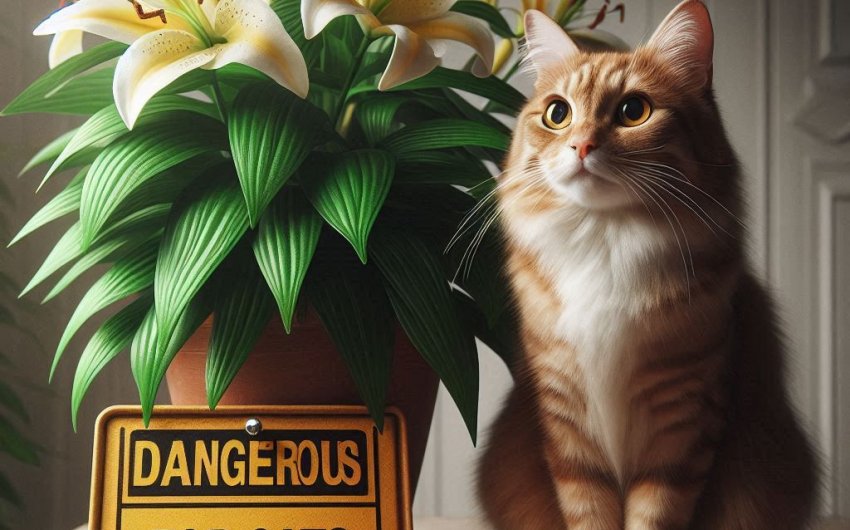
Ensuring your feline friends stay safe and healthy means knowing which dangerous houseplants for cats to avoid. Many common indoor plants, while beautiful to us, contain compounds that are toxic if ingested by curious kitties. Understanding which plants pose a risk and the signs of poisoning can prevent a serious emergency and keep your cherished pets out of harm's way.
Why Do Cats Chew on Houseplants?
Cats are naturally curious creatures, and chewing on plants is a surprisingly common behavior. Understanding why they do it can help you find solutions to keep them safe from toxic plants.
Instinctual Behavior:
- Roughage and Digestion: Some experts believe cats chew on plants to help with digestion, similar to how wild cats might eat grass. The fibrous material can help move things through their digestive system, or even act as a natural emetic (something that causes vomiting) to help them expel hairballs.
- Prey Drive Simulation: The rustling leaves and swaying stems of plants can mimic the movement of prey, activating a cat's natural hunting instincts. They might bat at the leaves before taking a bite.
- Sensory Stimulation: Cats explore their world through all their senses, including taste and texture. The feel of a leaf in their mouth, or the fresh scent of a plant, can be appealing.
Boredom or Stress:
- Lack of Stimulation: If a cat doesn't have enough toys, playtime, or environmental enrichment, they might turn to houseplants as a source of entertainment. A bored cat is often a mischievous cat. Providing plenty of cat toys can help.
- Anxiety Relief: Chewing can be a self-soothing behavior for anxious or stressed cats. Changes in routine, new pets, or loud noises can trigger stress.
Nutritional Deficiencies (Less Common):
- While not typically a primary reason for plant chewing in well-fed cats, some theories suggest that a lack of certain nutrients might drive them to seek out plants. However, most commercial cat foods are nutritionally complete.
- If you suspect a nutritional issue, consult your veterinarian.
Taste and Texture:
Advertisement- Some cats just seem to enjoy the taste or texture of certain plants. Just like people have preferences for food, cats might develop a preference for the feel of specific leaves or stems.
What Are the Most Common and Highly Toxic Houseplants for Cats?
Many popular houseplants, unfortunately, pose significant risks to cats due to various toxic compounds. Here's a list of some of the most dangerous and commonly encountered ones:
Lilies (Lilium and Hemerocallis species):
- Toxin: Unknown, but highly nephrotoxic (damages kidneys).
- Symptoms: Even small ingestions (pollen, a few petals, or a lick of water from a vase) can cause severe kidney failure, vomiting, lethargy, loss of appetite, and dehydration.
- Why dangerous: All parts of the plant are deadly. This includes Asiatic, Easter, Tiger, Stargazer, Daylilies, and others. If you have lilies in your home, it's an immediate emergency.
Sago Palm (Cycas revoluta):
- Toxin: Cycasin.
- Symptoms: Vomiting, diarrhea, depression, seizures, liver damage, and liver failure.
- Why dangerous: The seeds or "nuts" are the most toxic part, but all parts of the plant are dangerous. This plant is extremely toxic and can be fatal.
Oleander (Nerium oleander):
- Toxin: Cardiac glycosides.
- Symptoms: Vomiting, diarrhea, drooling, tremors, seizures, uncoordinated movements, and potentially fatal heart abnormalities.
- Why dangerous: All parts are toxic, even the water the cuttings are in. Often found outdoors, but sometimes brought inside for decoration.
Autumn Crocus (Colchicum autumnale):
- Toxin: Colchicine.
- Symptoms: Vomiting, severe diarrhea, bone marrow suppression, respiratory failure, and organ damage.
- Why dangerous: Extremely toxic and can cause multi-organ failure.
Azalea and Rhododendron (Rhododendron species):
- Toxin: Grayanotoxins.
- Symptoms: Vomiting, diarrhea, drooling, weakness, depression, hypotension (low blood pressure), cardiovascular collapse, and coma.
- Why dangerous: All parts are toxic. Even a small amount can cause serious problems.
Tulips and Hyacinths (Tulipa and Hyacinthus species):
- Toxin: Alkaloids (tulipalin in tulips).
- Symptoms: Vomiting, diarrhea, drooling, lethargy. The bulbs are the most concentrated source of toxins.
- Why dangerous: While not as deadly as lilies, ingestion of the bulbs can cause significant gastrointestinal upset.
Daffodils (Narcissus species):
- Toxin: Alkaloids (lycorine).
- Symptoms: Vomiting, diarrhea, drooling, abdominal pain, cardiac arrhythmias (irregular heartbeat), and convulsions. The bulbs are the most toxic part.
- Why dangerous: Can be very dangerous, especially if the bulb is ingested.
Dieffenbachia (Dumb Cane):
- Toxin: Insoluble calcium oxalates.
- Symptoms: Immediate intense burning and irritation of the mouth, tongue, and throat, drooling, vomiting, difficulty swallowing, and swelling of the airways.
- Why dangerous: While rarely fatal, the intense pain can be distressing, and severe swelling can obstruct breathing.
Philodendron and Pothos (Epipremnum aureum, various Philodendron species):
- Toxin: Insoluble calcium oxalates.
- Symptoms: Similar to Dieffenbachia – mouth irritation, drooling, vomiting.
- Why dangerous: Very common houseplants. The irritation is immediate, which often deters cats from eating large amounts.
Peace Lily (Spathiphyllum species):
- Toxin: Insoluble calcium oxalates.
- Symptoms: Mouth irritation, drooling, vomiting, difficulty swallowing. Note: While it has "lily" in the name, it contains oxalates, not the deadly kidney toxins found in true lilies (Lilium and Hemerocallis). Still dangerous, but typically not fatal.
Cyclamen (Cyclamen persicum):
- Toxin: Saponins.
- Symptoms: Vomiting, diarrhea, drooling. In large ingestions, heart rhythm abnormalities, seizures, and death. The tubers (roots) are the most toxic.
- Why dangerous: The roots are highly toxic if dug up and eaten.
Amaryllis (Hippeastrum species):
- Toxin: Lycorine and other alkaloids.
- Symptoms: Vomiting, diarrhea, depression, tremors, anorexia, and abdominal pain. The bulb is the most toxic part.
- Why dangerous: Can cause significant gastrointestinal distress and other serious symptoms.
Kalanchoe (Kalanchoe species):
- Toxin: Bufadienolides.
- Symptoms: Vomiting, diarrhea, and potentially serious heart rhythm problems.
- Why dangerous: Especially toxic to the heart if large amounts are ingested.
ZZ Plant (Zamioculcas zamiifolia):
- Toxin: Insoluble calcium oxalates.
- Symptoms: Oral irritation, pain, swelling, drooling, vomiting.
- Why dangerous: All parts are toxic, similar to Dieffenbachia and Philodendron.
Aloe Vera (Aloe barbadensis miller):
- Toxin: Anthraquinone glycosides.
- Symptoms: Vomiting, diarrhea, lethargy, anorexia.
- Why dangerous: While often touted for its medicinal properties for humans, it's a common cause of gastrointestinal upset in cats.
What Are the Less Toxic but Still Concerning Houseplants for Cats?
Even plants that aren't considered "deadly" can still cause significant discomfort or health issues for your cat. It's best to avoid them if your cat is a chewer.
Jade Plant (Crassula ovata):
- Toxin: Unknown.
- Symptoms: Vomiting, lethargy, depression, slow heart rate (rarely).
- Why concerning: Can cause mild to moderate gastrointestinal upset.
Christmas Cactus (Schlumbergera bridgesii or truncata):
- Toxin: Not well understood, generally considered low toxicity.
- Symptoms: Mild gastrointestinal upset (vomiting, diarrhea) due to the fibrous material, not typically chemical toxicity.
- Why concerning: While not chemically toxic, ingesting too much fibrous material can still lead to digestive issues.
Spider Plant (Chlorophytum comosum):
- Toxin: Mildly hallucinogenic compounds (similar to catnip in some cats). Not truly toxic in the chemical sense.
- Symptoms: Mild stomach upset (vomiting, diarrhea) if large amounts are ingested, mainly due to the fiber.
- Why concerning: While it's often listed as "safe," some cats are highly attracted to it and may chew enough to cause vomiting.
Ivy (Hedera helix, common ivy):
- Toxin: Triterpenoid saponins.
- Symptoms: Vomiting, diarrhea, abdominal pain, hypersalivation (excessive drooling). Berries are more toxic than leaves.
- Why concerning: Can cause moderate gastrointestinal signs.
Poinsettia (Euphorbia pulcherrima):
- Toxin: Diterpenoid euphorbol esters.
- Symptoms: Generally mild, causing mouth and stomach irritation, vomiting, and drooling. The sap can also irritate the skin.
- Why concerning: While widely believed to be deadly, its toxicity is often exaggerated. It's more likely to cause minor upset than severe illness.
Ficus species (e.g., Ficus elastica - Rubber Plant, Ficus lyrata - Fiddle-Leaf Fig):
- Toxin: Ficin (a proteolytic enzyme) and psoralen (a photoreactive compound).
- Symptoms: Oral irritation, drooling, vomiting, diarrhea. Skin irritation from the sap.
- Why concerning: Can cause significant gastrointestinal irritation and skin reactions.
Schefflera (Brassia actinophylla - Umbrella Tree):
- Toxin: Insoluble calcium oxalates.
- Symptoms: Oral irritation, drooling, vomiting, difficulty swallowing.
- Why concerning: Similar to Philodendron and Dieffenbachia, it causes immediate pain but rarely severe systemic effects.
Pathos or Devil's Ivy (Epipremnum aureum):
- Toxin: Insoluble calcium oxalates.
- Symptoms: Oral irritation, drooling, vomiting, difficulty swallowing.
- Why concerning: Extremely common, so risk of exposure is high. Causes discomfort but generally not life-threatening.
Dracaena species (e.g., Dracaena marginata - Dragon Tree, Dracaena fragrans - Corn Plant):
- Toxin: Saponins.
- Symptoms: Vomiting (sometimes with blood), diarrhea, weakness, depression, dilated pupils (cats are very sensitive to this specific symptom).
- Why concerning: Can cause more than just mild GI upset, especially pupil dilation unique to cats.
How Can I Identify if My Cat Has Ingested a Toxic Plant?
Recognizing the signs of poisoning early is crucial for getting your cat the help they need. Symptoms can vary greatly depending on the plant and the amount ingested.
Gastrointestinal Signs:
- Vomiting: One of the most common signs, ranging from mild to severe, and sometimes containing plant material or blood.
- Diarrhea: Can range from soft stools to watery, bloody diarrhea.
- Loss of Appetite (Anorexia): Your cat may refuse to eat or drink.
- Drooling (Hypersalivation): Especially with plants containing calcium oxalates (like Dieffenbachia), which cause immediate mouth irritation.
- Paw at Mouth/Face: Due to irritation or pain in the mouth.
- Abdominal Pain: Your cat may appear hunched, reluctant to move, or cry when touched.
Neurological Signs:
- Lethargy/Weakness: Unusual tiredness or lack of energy.
- Depression: Appears sad, withdrawn, or unresponsive.
- Tremors/Shaking: Involuntary muscle movements.
- Seizures: Uncontrolled electrical activity in the brain, leading to convulsions.
- Ataxia (Uncoordinated Movement): Stumbling, swaying, or difficulty walking.
- Dilated Pupils: Especially with certain toxins (e.g., Dracaena).
Cardiac Signs:
- Changes in Heart Rate: Can be slow (bradycardia) or fast (tachycardia), or irregular (arrhythmias).
- Weakness/Collapse: Due to impaired heart function.
Other General Signs:
- Increased Thirst or Urination: Can indicate kidney damage (e.g., lily toxicity).
- Difficulty Breathing: Labored breathing, rapid breathing, or gasping. This is a medical emergency.
- Swelling: Of the face, mouth, or tongue, particularly with plants causing oral irritation.
- Skin or Eye Irritation: Redness, itching, or swelling if the sap contacted the skin or eyes.
What to Do if You Suspect Poisoning:
- Act Immediately: Time is critical in poisoning cases.
- Remove the Plant: Take away any remaining plant material from your cat and the area.
- Identify the Plant: If possible, identify the plant your cat chewed on. Take a sample of the plant with you to the vet or take a clear photo. This is incredibly helpful for treatment.
- Call Your Veterinarian: Even if you're unsure, it's always best to call your vet or an animal poison control center right away. Do not wait for symptoms to worsen.
- ASPCA Animal Poison Control Center (APCC): 1-888-426-4435 (consultation fee may apply).
- Pet Poison Helpline: 1-855-764-7661 (consultation fee may apply).
- Do NOT Induce Vomiting Unless Directed: Some toxins can cause more harm coming back up.
- Do NOT Give Home Remedies: Without veterinary guidance, you could make the situation worse.
What Are Safe Houseplant Alternatives for Cat Owners?
Creating a cat-friendly home means choosing plants that pose no threat. Thankfully, there are many beautiful and safe options available.
True Catnip (Nepeta cataria):
- Why it's safe: Specifically bred for cats, it's non-toxic and many cats find it stimulating and enjoyable. You can even grow your own from catnip seeds.
- Benefit: Provides a safe outlet for chewing and play.
Cat Grass (various grasses like oat, wheat, rye, barley):
- Why it's safe: These are simply edible grasses that cats enjoy. You can buy cat grass kits or seeds.
- Benefit: Offers a safe alternative for cats who like to chew on plants, potentially redirecting them from your other houseplants.
Prayer Plant (Maranta leuconeura):
- Why it's safe: Non-toxic to cats and dogs. Known for its beautiful patterned leaves that fold up at night.
- Looks: Attractive foliage and low-maintenance.
Boston Fern (Nephrolepis exaltata 'Bostoniensis'):
- Why it's safe: Non-toxic. A classic, lush fern that adds greenery.
- Looks: Cascading fronds look great in hanging baskets.
Christmas Cactus (Schlumbergera bridgesii or truncata):
- Why it's safe: Generally considered non-toxic, though ingesting too much fibrous material could cause mild digestive upset.
- Looks: Produces vibrant blooms during winter, adding color.
African Violet (Saintpaulia species):
- Why it's safe: Non-toxic. Known for its charming, fuzzy leaves and beautiful, long-lasting flowers.
- Looks: Small, compact, and ideal for tabletops or windowsills.
Areca Palm (Dypsis lutescens):
- Why it's safe: Non-toxic. A popular choice for adding a tropical feel to a room.
- Looks: Tall, feathery fronds that can grow quite large.
Haworthia (Haworthia species):
- Why it's safe: Non-toxic. A small, succulent plant with unique, spiky leaves.
- Looks: Resembles a miniature aloe vera but is safe for cats.
Money Tree (Pachira aquatica):
- Why it's safe: Non-toxic. Often comes with braided trunks, symbolizing good luck.
- Looks: A striking, low-maintenance tree for larger spaces.
Orchids (Phalaenopsis species and others):
- Why it's safe: Most common orchid varieties are non-toxic to cats.
- Looks: Elegant, long-lasting blooms in a variety of colors.
Polka Dot Plant (Hypoestes phyllostachya):
- Why it's safe: Non-toxic. Features vibrant green leaves splashed with pink, white, or red.
- Looks: Adds a pop of color to any room.
Gloxinia (Sinningia speciosa):
- Why it's safe: Non-toxic. Known for its large, velvety, bell-shaped flowers in bright colors.
- Looks: A beautiful flowering plant, similar to an African Violet but with larger blooms.
How Can I Prevent My Cat from Chewing on Houseplants?
Prevention is always better than a cure when it comes to keeping your cat safe from dangerous houseplants. A multi-faceted approach works best.
Remove or Relocate Toxic Plants:
- The Safest Option: The most effective way to prevent poisoning is to simply not have toxic plants in your home. If you already own some, consider gifting them to a plant-loving friend without pets or relocating them to an area your cat absolutely cannot access (e.g., a room that is always closed off to the cat).
- High Shelves/Hanging Baskets: For plants that are mildly toxic or just messy, place them on high shelves that your cat cannot jump to. Hanging planters are also a good option, but ensure they are truly out of reach, as some cats are surprisingly agile climbers.
Provide Safe Alternatives:
- Cat Grass: Offer a designated "cat garden" with cat grass or catnip. This provides a safe, appealing outlet for their chewing instincts.
- Interactive Toys: Ensure your cat has plenty of engaging toys. Feather wands, puzzle feeders, and toys that mimic prey can keep them entertained and reduce boredom-induced chewing.
- Scratching Posts: A good cat scratching post provides an alternative to destructive behaviors.
Make Plants Unappealing:
- Bitter Sprays: Use a commercial bitter apple spray for pets on the leaves of your plants. Most cats find the taste extremely unpleasant and will avoid the plant after a few attempts. Reapply regularly, especially after watering.
- Citrus Peels: Cats generally dislike citrus scents. Placing fresh citrus peels (lemon, orange, lime) around the base of your plants can act as a deterrent.
- Spiky Mulch/Pebbles: Cover the soil around your plants with coarse gravel, river rocks, pinecones, or decorative aluminum foil. This makes the surface less appealing for digging or chewing.
Environmental Enrichment:
- Vertical Space: Cats love to climb. Provide cat trees, shelves, or window perches to give them safe vantage points and exercise.
- Scheduled Playtime: Dedicate at least 15-20 minutes daily to interactive play with your cat. This burns energy and strengthens your bond.
- Cat-Safe Spaces: Create a designated "cat zone" where they have their food, water, litter box, and toys, and feel secure.
Barriers and Physical Deterrents:
- Cages/Terrariums: For very determined chewers, consider placing plants inside decorative bird cages or enclosed terrariums.
- Furniture Arrangement: Position furniture in a way that blocks access to plants or creates a barrier.
- Double-Sided Tape: Cats dislike sticky surfaces. Apply double-sided sticky tape to the edges of plant pots or nearby surfaces.
Training and Redirection:
- Positive Reinforcement: When you see your cat approaching a plant, distract them with a toy or call them over for pets. Reward them for engaging with safe toys or cat grass.
- "No" Command: While cats don't always respond to commands like dogs, a firm "No!" and then redirecting them can sometimes be effective if consistent.
By being informed about dangerous houseplants for cats and taking proactive measures, you can create a safe, stimulating, and healthy environment for your beloved feline companion.