
Chinch Bugs: How to Protect Your Lawn from Damage
A lush, green lawn is the pride of many homeowners, but when it starts to turn brown and patchy, one of the most likely culprits could be chinch bugs. These tiny pests are notorious for damaging turfgrass, especially in the summer months, when they thrive in hot, dry conditions. Without early detection and proper management, chinch bugs can devastate your lawn, leaving you with unsightly brown patches that can be difficult to restore.
In this guide, we’ll explore everything you need to know about chinch bugs, including their biology, the damage they cause, how to identify them, and most importantly, how to protect your lawn from these destructive pests.
What Are Chinch Bugs?
Chinch bugs are small insects that belong to the family Blissidae. There are several species of chinch bugs, but the most common type affecting lawns in North America is the southern chinch bug (Blissus insularis). These pests are particularly problematic in St. Augustine grass, but they can also target other types of turfgrass, including zoysia, Kentucky bluegrass, and bentgrass.
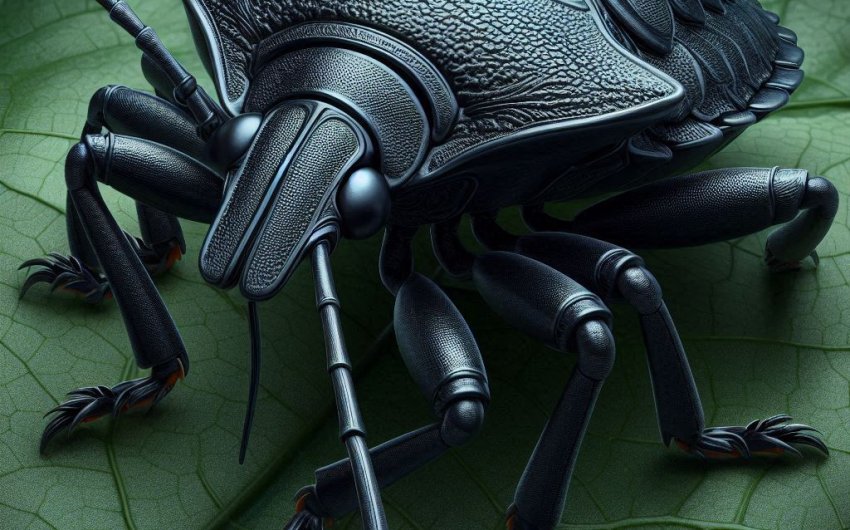
Chinch bugs are tiny, about 1/6 of an inch long, with black bodies and white wings that fold across their backs. Despite their small size, they can cause significant damage to your lawn by feeding on the sap of grass blades. As they feed, they inject toxins that disrupt the grass's ability to absorb water and nutrients, leading to browning and eventually killing the grass.
Use pest identification kits to help accurately identify chinch bugs in your lawn.
The Life Cycle of Chinch Bugs
Understanding the life cycle of chinch bugs is key to controlling their population and preventing damage to your lawn. Like many insects, chinch bugs go through several stages of development: egg, nymph, and adult.
1. Egg Stage
Female chinch bugs lay their eggs in the soil or in protected areas within the thatch layer of the grass. Depending on the temperature, the eggs hatch in about one to three weeks. Warmer conditions speed up the hatching process, which is why chinch bug infestations are more severe in the hot summer months.
The eggs are tiny and difficult to see without magnification, so homeowners typically don't notice the early stages of an infestation until the nymphs have hatched and begun feeding.
Purchase magnifying glasses to closely inspect your lawn for chinch bug eggs and early-stage infestations.
2. Nymph Stage
Once the eggs hatch, the young nymphs begin feeding on the sap of grass blades. The nymphs are initially red with a white band across their bodies, but they gradually darken as they grow. Over the course of several weeks, the nymphs molt five times, becoming larger and more destructive with each stage. During the nymph stage, chinch bugs cause the most damage to your lawn.
Use organic lawn treatments to control chinch bug nymphs before they reach adulthood and cause significant damage.
3. Adult Stage
Adult chinch bugs are black with white wings and are about the size of a grain of rice. While adults continue to feed on the grass, they also mate and lay eggs, ensuring the next generation of chinch bugs will continue the cycle of damage. Adult chinch bugs can live for several months, and during this time, they are capable of laying hundreds of eggs.
Find lawn pest control products to target both adult chinch bugs and prevent future infestations.
How Chinch Bugs Damage Your Lawn
The primary way that chinch bugs damage your lawn is by feeding on the sap of grass blades. As they feed, they inject toxins into the grass that interfere with the plant's ability to transport water and nutrients. This toxic effect leads to browning, wilting, and ultimately the death of the grass in affected areas.
1. Browning Patches
One of the first signs of a chinch bug infestation is the appearance of brown patches in your lawn. These patches often start small but can quickly spread as the chinch bug population grows. The damage caused by chinch bugs is often mistaken for drought stress because the grass appears to be drying out, even when it is receiving adequate water.
Use lawn moisture meters to determine if your lawn's browning is due to chinch bugs or drought stress.
2. Irregular Patches of Dead Grass
As the infestation progresses, the brown patches in your lawn may merge to form larger, irregular areas of dead grass. Unlike other lawn diseases, which tend to affect the grass evenly, chinch bug damage is often irregular and patchy. The affected grass may feel dry and brittle to the touch, and you may even notice chinch bugs crawling at the base of the grass blades.
Get lawn insect monitors to help detect chinch bug activity before significant damage occurs.
3. Damage in Sunny, Dry Areas
Chinch bugs prefer hot, dry conditions, so they are more likely to be found in the sunniest areas of your lawn. Lawns that are not well-watered or have poor soil health are particularly vulnerable to chinch bug infestations. While the pests may start in small, isolated areas, they can quickly spread to cover a large portion of the lawn if left unchecked.
Purchase lawn sprinklers to ensure even watering across your lawn and prevent chinch bug damage in dry areas.
4. Thinning Grass
Over time, chinch bugs can cause the grass to thin out, especially in areas where the population is high. As the grass blades die off, they leave behind bare patches where new grass struggles to grow. If left untreated, a chinch bug infestation can severely reduce the density and appearance of your lawn.
Use lawn seeders to overseed thinning areas of your lawn and encourage new grass growth.
How to Identify a Chinch Bug Infestation
Identifying a chinch bug infestation early is crucial for preventing widespread damage to your lawn. Here are a few ways to determine if chinch bugs are the cause of your lawn problems:
1. The Float Test
One of the easiest ways to check for chinch bugs is to perform the float test. Here’s how to do it:
- Cut the bottom off of a coffee can or another cylindrical container.
- Push the container into the soil in an area where the grass is browning.
- Fill the container with water and wait about 5-10 minutes.
- If chinch bugs are present, you will see them floating to the surface of the water.
Use garden trowels to dig into the soil and inspect for chinch bug infestations.
2. Inspect for Nymphs and Adults
To spot chinch bugs, get down close to the grass and part the blades in the areas that look stressed or damaged. Look for small red or black bugs with white wings, which are the adult chinch bugs. You may also spot red nymphs, which will be smaller and more active.
Get insect magnifiers to get a better view of chinch bugs and other small pests in your lawn.
3. Check for Grass Blade Damage
In addition to looking for the bugs themselves, you can also check the grass for signs of feeding damage. Chinch bugs feed by sucking the sap out of the grass blades, leaving them dry and brittle. You may notice discoloration at the base of the blades, along with stunted or dead patches.
Use lawn inspection tools to get a closer look at the grass and identify pest damage.
How to Prevent Chinch Bug Infestations
Prevention is key when it comes to managing chinch bugs and protecting your lawn from damage. By keeping your lawn healthy and following these preventative strategies, you can reduce the likelihood of a chinch bug infestation.
1. Maintain a Healthy Lawn
A well-maintained, healthy lawn is less likely to suffer from chinch bug infestations. Proper mowing, watering, and fertilization practices can help your grass develop strong roots and resist damage from pests.
- Mow regularly: Keep your grass at the recommended height for your turf type to encourage dense growth and prevent thatch buildup.
- Water deeply and infrequently: Watering deeply but less often encourages deeper root growth and helps prevent dry, stressed conditions that attract chinch bugs.
- Fertilize appropriately: Avoid over-fertilizing, as too much nitrogen can weaken your grass and make it more susceptible to pests.
Get lawn care tools to maintain your lawn's health and prevent pest infestations.
2. Reduce Thatch
Thatch is a layer of dead grass, roots, and debris that can accumulate between the grass blades and soil. While a thin layer of thatch is normal, too much thatch can provide a breeding ground for chinch bugs. Regular dethatching helps improve airflow, water penetration, and reduces the chances of pest buildup.
Use lawn dethatchers to remove excess thatch and improve the health of your lawn.
3. Water Regularly
Chinch bugs thrive in hot, dry conditions, so keeping your lawn well-watered can help prevent infestations. Water deeply to ensure that the soil is moist, but be careful not to overwater, as soggy conditions can lead to other lawn problems like fungus and disease.
Purchase automatic sprinkler systems to keep your lawn evenly watered and prevent chinch bug infestations.
4. Plant Resistant Grass Varieties
If you’ve had persistent issues with chinch bugs, consider planting a grass variety that is more resistant to these pests. Zoysia grass and Bermuda grass tend to be more resistant to chinch bugs than St. Augustine grass, which is highly susceptible to infestation.
Find grass seed varieties that are more resistant to chinch bugs and other pests.
5. Encourage Beneficial Insects
Beneficial insects like ladybugs and big-eyed bugs are natural predators of chinch bugs. Encouraging these insects in your garden can help keep the chinch bug population under control without the need for chemical treatments.
Use beneficial insect kits to introduce natural predators that help control chinch bug populations.
How to Control Chinch Bug Infestations
If you’ve already identified a chinch bug infestation in your lawn, it’s important to take action quickly to prevent further damage. Here are some effective methods for controlling chinch bugs:
1. Organic Insecticides
Organic insecticides, such as those containing neem oil or pyrethrin, can be effective at controlling chinch bugs without harming beneficial insects or the environment. These products are often derived from natural plant sources and can be applied as a foliar spray or soil drench to target the pests directly.
Purchase organic insecticides to safely control chinch bugs and protect your lawn.
2. Chemical Insecticides
For severe infestations, chemical insecticides may be necessary. Products containing bifenthrin, carbaryl, or imidacloprid are effective at killing chinch bugs. Be sure to follow the manufacturer's instructions carefully and apply the product in the early morning or late evening when chinch bugs are most active.
Find chemical insecticides to target chinch bugs and prevent further damage to your lawn.
3. Beneficial Nematodes
Beneficial nematodes are microscopic worms that can be applied to your lawn to control soil-dwelling pests like chinch bug nymphs. These nematodes infect and kill the chinch bugs, providing a natural, eco-friendly solution for pest control. Nematodes are safe for humans, pets, and beneficial insects, making them an excellent choice for organic lawn care.
Buy beneficial nematodes to control chinch bug infestations naturally and safely.
4. Remove Thatch and Debris
After treating your lawn for chinch bugs, it’s important to remove any dead grass, thatch, or debris to help the grass recover and prevent future infestations. Thatch removal also improves airflow and water penetration, helping to restore the health of your lawn.
Use lawn rakes to remove dead grass and debris after treating for chinch bugs.
5. Overseeding
In areas where chinch bugs have caused significant damage, overseeding can help restore the grass. Overseeding is the process of spreading new grass seed over your existing lawn to fill in bare patches and improve turf density. Choose a grass variety that is suited to your climate and resistant to chinch bugs.
Get lawn seed spreaders to evenly distribute grass seed and restore your lawn after chinch bug damage.