
Cabbage Maggot: How to Safeguard Your Crucifers
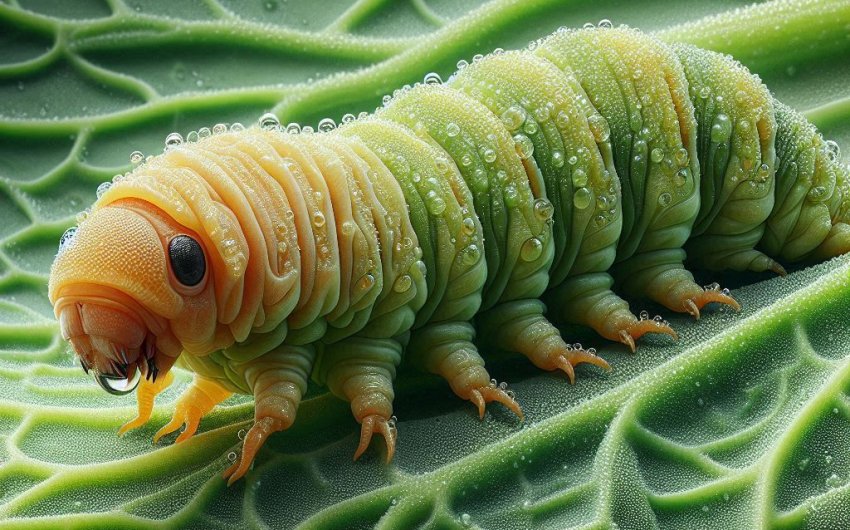
Cabbage maggots are small but devastating pests that can wreak havoc on your beloved cruciferous vegetables, including cabbage, broccoli, cauliflower, kale, and Brussels sprouts. These tiny insects may seem insignificant, but their ability to destroy a crop from beneath the soil makes them a major threat to gardeners and farmers alike.
In this guide, we'll explore everything you need to know about cabbage maggots, including their life cycle, the damage they cause, how to prevent infestations, and effective control strategies. Understanding these pests and taking action early can save your crucifer crops and help you maintain a healthy, productive garden.
What Are Cabbage Maggots?
The cabbage maggot (Delia radicum) is the larval stage of a small fly species in the same family as the common housefly. The adult cabbage maggot fly is about 6-7 mm long and resembles a gray housefly, but it’s not the adult flies that cause damage to your crops. It's their larvae—the cabbage maggots—that pose the real threat.
Cabbage maggots are small, white, legless larvae that feed on the roots of cruciferous vegetables. These larvae burrow into the soil and gnaw at the roots of plants, weakening them and causing wilting, stunted growth, and in severe cases, plant death.
Purchase pest identification kits to help identify cabbage maggots and other pests in your garden.
The Life Cycle of Cabbage Maggots
Understanding the life cycle of cabbage maggots is essential for effective control and prevention. These pests have a multi-stage life cycle that includes the egg, larva (maggot), pupa, and adult stages, with the larvae being the most destructive.
1. Egg Stage
The life cycle begins when adult cabbage maggot flies lay their eggs near the base of cruciferous plants, just above the soil surface. The eggs are tiny, white, and can be difficult to spot with the naked eye. Adult flies are most active in spring, particularly when temperatures range between 60°F and 70°F. The flies prefer cool, moist conditions, making early spring the peak time for egg-laying.
Within a few days, the eggs hatch into larvae, or cabbage maggots, which immediately begin feeding on the plant roots.
Get plant inspection tools to closely monitor your crucifer plants for early signs of pest activity.
2. Larva Stage (Cabbage Maggot)
After hatching, the cabbage maggots burrow into the soil and feed on the roots of your cruciferous plants. These larvae are small (around 5-8 mm long), white, and legless, with tapered ends. They feed on the roots for about 3-4 weeks, causing significant damage as they grow.
It’s during this stage that cabbage maggots cause the most harm to plants. Their feeding weakens the roots, making it difficult for the plant to take up water and nutrients. As a result, affected plants may show signs of wilting, yellowing, or stunted growth.
Use garden soil probes to inspect the soil around your plants and check for signs of cabbage maggots feeding on the roots.
3. Pupa Stage
Once the larvae have fed and grown to maturity, they move deeper into the soil to pupate. During the pupal stage, the maggots transform into adult flies. The pupal stage can last from a few weeks to several months, depending on environmental conditions. In cooler climates, they may overwinter as pupae and emerge as adults in the following spring.
Purchase soil testing kits to monitor your garden’s soil health and check for pest activity.
4. Adult Stage (Cabbage Maggot Fly)
After pupating, the adult cabbage maggot flies emerge from the soil to mate and lay eggs, restarting the cycle. These flies are small, resembling houseflies, and their primary activity is focused on reproducing and laying eggs near cruciferous plants.
Find pest control sprays to help manage adult cabbage maggot flies before they can lay eggs on your plants.
Damage Caused by Cabbage Maggots
The damage caused by cabbage maggots primarily occurs below ground, making it difficult to detect until the plant begins showing symptoms. The larvae feed on the roots, disrupting the plant’s ability to absorb water and nutrients. Here are some common signs of cabbage maggot damage:
1. Wilting Plants
One of the first signs of a cabbage maggot infestation is wilting, particularly in younger plants. As the maggots chew through the roots, the plant's ability to take up water is compromised, leading to drooping leaves and wilting. This can happen even when the soil is moist.
Use soil moisture meters to ensure your plants are receiving adequate water and identify potential problems early.
2. Stunted Growth
Plants infested with cabbage maggots often show stunted growth. The larvae's feeding on the roots can prevent the plant from receiving the nutrients it needs to grow properly. Affected plants may remain small or fail to develop healthy leaves and heads.
Get plant growth supplements to support your plants and help them recover from cabbage maggot damage.
3. Yellowing Leaves
As the cabbage maggots continue to damage the roots, the plant’s leaves may turn yellow. This is a sign that the plant is struggling to get the nutrients it needs to stay healthy. In severe cases, the plant may die if the root system is too damaged to sustain it.
Use plant nutrient sprays to boost the nutrient intake of your crucifers and combat yellowing leaves.
4. Root Damage
Upon closer inspection of an affected plant, you may notice damage to the roots, which often appear chewed or decayed. In some cases, the roots may have been completely eaten away, leaving little more than a stump. This level of damage is typically fatal for the plant.
Purchase root health monitors to assess the health of your plants' root systems and detect early signs of pest damage.
Preventing Cabbage Maggot Infestations
Prevention is always better than cure when it comes to dealing with cabbage maggots. By taking a few proactive steps, you can reduce the risk of infestations and protect your cruciferous plants from damage. Here are some of the most effective prevention strategies:
1. Crop Rotation
One of the best ways to prevent cabbage maggot infestations is to practice crop rotation. Cabbage maggots tend to target the same plants year after year, so rotating your crops can help break the life cycle of the pest. Avoid planting crucifers in the same location two years in a row to minimize the chances of cabbage maggot eggs and larvae overwintering in the soil.
Use crop rotation planners to plan your garden layout and prevent recurring pest infestations.
2. Floating Row Covers
Another effective method for preventing cabbage maggot infestations is to use floating row covers. These lightweight fabric covers create a physical barrier that prevents adult flies from laying eggs on the soil around your plants. Be sure to install the covers early in the season, before the flies emerge and begin laying eggs.
Purchase floating row covers to protect your cruciferous plants from pests like cabbage maggots.
3. Diatomaceous Earth
Sprinkling diatomaceous earth around the base of your plants can deter cabbage maggots. This natural powder consists of tiny fossilized remains of aquatic organisms and is sharp enough to damage the outer layer of insect larvae, causing them to dehydrate and die. Apply diatomaceous earth in a thin layer around your plants to keep the larvae from reaching the roots.
Get diatomaceous earth to create a natural barrier against cabbage maggots and other soil pests.
4. Mulching
Applying a thick layer of mulch around your plants can help deter adult cabbage maggot flies from laying eggs near the soil. The mulch creates a barrier that makes it harder for the flies to access the soil surface, reducing the chances of an infestation. Organic mulch also helps retain soil moisture and improve overall plant health.
Use organic mulch to protect your garden beds and prevent cabbage maggot infestations.
5. Companion Planting
Certain plants can help repel cabbage maggot flies when planted near cruciferous vegetables. Onions, garlic, chamomile, and sage are all known to deter these pests. Incorporating these companion plants into your garden can create a more pest-resistant environment for your cabbages and other crucifers.
Find companion planting seeds to create a pest-resistant garden layout.
Controlling Cabbage Maggot Infestations
If you've already noticed signs of cabbage maggot damage, it's important to take action quickly to prevent further losses. Here are some effective control methods for managing an active infestation:
1. Beneficial Nematodes
Beneficial nematodes are microscopic organisms that can be applied to the soil to control cabbage maggots. These nematodes enter the larvae's bodies and release bacteria that kill the maggots from the inside out. This is an environmentally friendly and effective way to control soil-dwelling pests like cabbage maggots without harming beneficial insects.
Buy beneficial nematodes to naturally control cabbage maggots and other soil pests.
2. Soil Solarization
Soil solarization involves covering the soil with a clear plastic sheet and allowing the sun’s heat to kill any pests and pathogens in the soil. This method can be particularly effective against cabbage maggot larvae and pupae that are overwintering in the soil. Solarization works best in hot, sunny climates and should be done for several weeks during the summer.
Purchase plastic sheeting to solarize your garden soil and kill cabbage maggot larvae.
3. Insecticidal Soap
For smaller infestations, insecticidal soap can be applied to the plants to kill any larvae that have emerged above the soil. While this method won't directly target larvae feeding on the roots, it can help reduce the overall population of pests in your garden. Be sure to follow the instructions on the label for safe and effective application.
Get insecticidal soap to treat cabbage maggot infestations naturally.
4. Remove Infected Plants
In severe infestations, it may be necessary to remove and destroy heavily damaged plants. This helps prevent the larvae from continuing to feed on the roots and reduces the risk of the maggots pupating and emerging as adult flies. Be sure to dispose of the infected plants away from your garden to prevent the spread of the pest.
Find garden waste bags to properly dispose of infested plants and prevent further pest problems.
Managing Cabbage Maggot Damage
Once you've taken steps to control the cabbage maggots, it's time to help your plants recover from the damage. Here are a few tips to restore the health of your cruciferous plants after an infestation:
1. Apply Fertilizer
Feeding your plants with a balanced fertilizer can help them recover from the stress caused by cabbage maggot damage. Focus on fertilizers that provide essential nutrients like nitrogen, phosphorus, and potassium to promote root growth and leaf development.
Get cruciferous plant fertilizers to help your crops recover and grow strong after pest damage.
2. Water Regularly
Since cabbage maggots damage the roots, affected plants may struggle to take up water. Water your plants regularly to ensure they stay hydrated while they recover. However, avoid overwatering, as this can create conditions that favor other pests and diseases.
Use drip irrigation systems to efficiently water your garden and support plant recovery.
3. Mulch to Retain Moisture
Applying mulch around your plants can help retain soil moisture and protect the roots from temperature fluctuations. Mulching also suppresses weeds, which can compete with your recovering plants for water and nutrients.
Purchase mulch to create a protective layer around your cruciferous plants.
4. Monitor for Recurrence
Continue to monitor your garden for signs of cabbage maggots or other pests. Early detection is key to preventing future infestations and ensuring your plants remain healthy throughout the growing season.
Find plant health monitors to track the progress of your plants and stay ahead of potential pest problems.