
Twig Girdlers: The Twisted Truth About This Pest
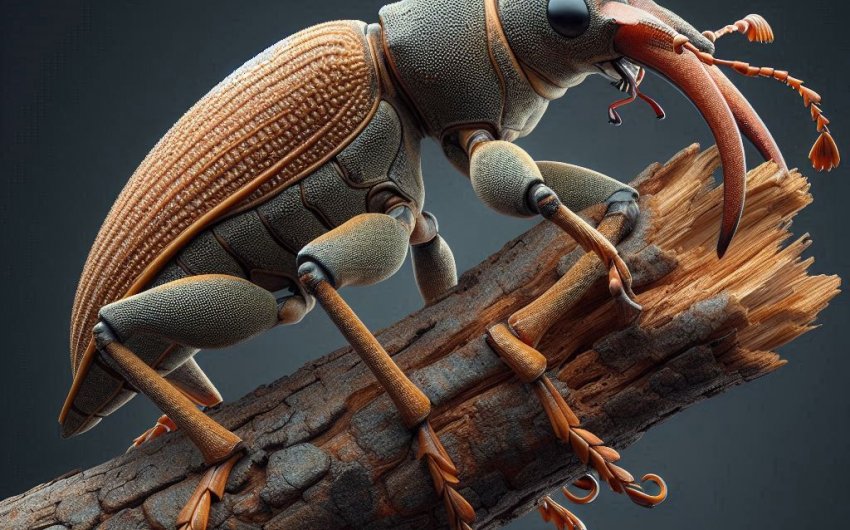
When it comes to maintaining healthy trees and shrubs in your garden or orchard, pests are always a concern. One particularly destructive insect that can wreak havoc on trees is the twig girdler. These pests, although small, can cause significant damage by severing branches and twigs, leaving them to fall to the ground. Understanding twig girdlers, their life cycle, the damage they cause, and how to control them is key to keeping your trees in top condition.
In this comprehensive guide, we'll delve into the twisted truth about twig girdlers, covering everything you need to know about identifying and managing this pest.
What Are Twig Girdlers?
Twig girdlers are a type of longhorn beetle, specifically belonging to the species Oncideres cingulata. These beetles are commonly found in North America and are notorious for girdling twigs and small branches of trees, causing them to die and break off. The adult twig girdler is about 12 to 16 mm long, with a cylindrical, brownish-gray body and long antennae that are characteristic of longhorn beetles.
While the adult twig girdlers are not directly harmful to the tree, their reproductive habits can result in severe damage. Female twig girdlers lay their eggs in the cut twigs, and the resulting larvae develop within the fallen branches, feeding on the woody material.
Purchase pest identification tools to help identify twig girdlers and other beetles in your garden.
The Life Cycle of Twig Girdlers
Understanding the life cycle of twig girdlers is essential for managing their population and preventing them from causing significant damage to your trees. Like many insects, twig girdlers go through several stages: egg, larva, pupa, and adult.
1. Egg Stage
The egg stage is where the damage begins. Female twig girdlers use their mandibles to girdle small twigs or branches, cutting through the bark and the underlying wood, but leaving the twig attached to the tree. Once the twig is girdled, the female lays a single egg in a small niche she creates in the cut portion of the twig. This egg is the beginning of a new generation of twig girdlers.
2. Larva Stage
Once the eggs hatch, the larvae begin feeding on the inside of the twig. They burrow into the wood, hollowing it out as they feed. The larvae remain within the severed twig throughout the winter, where they are protected from harsh environmental conditions. As the larvae grow, they consume more of the woody material, weakening the branch further.
Use wood borers control products to manage twig girdler larvae and prevent them from damaging trees.
3. Pupa Stage
In late spring or early summer, the larvae enter the pupa stage, during which they undergo metamorphosis. The pupal stage typically lasts several weeks, and during this time, the larvae transform into adult beetles. After emerging from the pupal stage, the adult twig girdlers chew their way out of the fallen twigs and begin searching for mates to repeat the cycle.
4. Adult Stage
Adult twig girdlers typically emerge from late summer to early fall. They feed on plant material such as bark and leaves but cause the most damage when they begin girdling twigs to lay their eggs. The adults live for only a few months, but during that time, they can girdle numerous twigs, laying eggs and ensuring the next generation will continue to thrive.
Find insect life cycle charts to better understand the development stages of twig girdlers and other pests.
Damage Caused by Twig Girdlers
The damage caused by twig girdlers primarily results from their girdling activity. While a few severed twigs may not seem like a significant problem, a large population of twig girdlers can lead to substantial damage, especially to young trees and shrubs.
1. Girdled Twigs and Branches
The most obvious sign of a twig girdler infestation is the presence of girdled twigs or branches scattered beneath your trees. These twigs have a distinctive clean cut, often with a smooth, circular groove where the beetle chewed through the bark. In some cases, the twigs may not fall immediately but will die and eventually break off from the tree due to the damage.
Use tree pruning tools to safely remove damaged twigs and branches caused by twig girdlers.
2. Reduced Tree Growth
When twig girdlers attack a tree, the loss of branches and twigs can reduce the tree's overall growth. The tree will have fewer leaves to produce energy through photosynthesis, which can weaken the tree and stunt its growth over time. This is particularly damaging to young trees that are still developing their structure.
Purchase tree growth supplements to help support your trees' recovery from twig girdler damage.
3. Increased Susceptibility to Disease and Other Pests
Trees that have been weakened by twig girdler damage are more susceptible to secondary infections from fungi, bacteria, and other pests. The wounds left behind by girdling can serve as entry points for diseases, which can spread throughout the tree and cause additional damage. Moreover, the hollowed-out twigs can attract other wood-boring insects.
Use tree wound sealers to protect damaged branches from infections and pests.
4. Reduced Fruit Production
In orchards, twig girdlers can be especially problematic for fruit-bearing trees. The loss of branches can lead to reduced flowering and fruit production, impacting the overall yield. This can be a significant concern for commercial growers and homeowners alike.
Get orchard management tools to maintain the health and productivity of your fruit trees.
How to Identify a Twig Girdler Infestation
Identifying a twig girdler infestation early is crucial for preventing widespread damage. Regular inspections of your trees and the surrounding area can help you catch the problem before it escalates.
1. Girdled Twigs on the Ground
The most obvious sign of a twig girdler infestation is the presence of girdled twigs or branches on the ground beneath the affected tree. These twigs have a characteristic clean cut, usually with a smooth, circular groove left behind by the adult beetle. The twigs may be scattered around the base of the tree or caught in the lower branches.
Find garden rakes to easily collect and remove fallen twigs from your garden or orchard.
2. Inspection of Twigs and Branches
Look closely at the twigs and small branches of your trees. If you notice any that have been girdled but have not yet fallen, it's a clear indication that twig girdlers are present. Check for a circular groove around the branch, which is the telltale sign of girdling activity. You may also spot adult beetles feeding on the leaves or bark during the late summer and early fall.
Get magnifying glasses to closely inspect tree twigs for signs of twig girdler activity.
3. Hollowed Twigs with Larvae Inside
If you're unsure whether the twigs you've found on the ground were severed by twig girdlers, you can cut open a few twigs to check for larvae inside. The larvae will be small, white, and grub-like, feeding on the woody material. Finding larvae inside the twigs confirms that twig girdlers are responsible for the damage.
Use gardening knives to safely open girdled twigs and check for larvae inside.
How to Control Twig Girdlers
While twig girdlers can cause significant damage, there are several effective methods for controlling their population and protecting your trees. By implementing these strategies, you can prevent further damage and reduce the impact of future infestations.
1. Collect and Destroy Girdled Twigs
One of the simplest and most effective ways to control twig girdlers is to collect and destroy the girdled twigs that fall to the ground. Since the larvae develop inside these twigs, removing and disposing of them will prevent the larvae from maturing and emerging as adult beetles. Make sure to collect the twigs regularly throughout the fall to reduce the beetle population in the following year.
Get yard waste bags to collect and dispose of girdled twigs effectively.
2. Prune Damaged Branches
Pruning is another effective method for managing twig girdlers. Remove any damaged or girdled branches that are still attached to the tree. This will not only improve the tree's appearance but also help reduce the beetle population. Be sure to dispose of the pruned branches properly to prevent the larvae from completing their development.
Use pruning shears to safely trim damaged branches and reduce twig girdler infestations.
3. Chemical Control
Insecticides can be used to control twig girdlers, particularly if the infestation is severe. The best time to apply insecticides is during the late summer or early fall when the adult beetles are active and laying eggs. Look for insecticides that are labeled for use against wood-boring beetles or longhorn beetles.
It's important to follow the manufacturer's instructions carefully and to target the insecticide application to the tree's canopy where the adults are feeding and girdling branches.
Purchase tree insecticides to control twig girdlers and protect your trees from further damage.
4. Beneficial Insects
Introducing beneficial insects into your garden or orchard can help keep twig girdler populations under control. Natural predators such as parasitic wasps, birds, and predatory beetles can feed on the larvae or adult beetles, reducing their numbers. Encouraging a diverse ecosystem in your garden will help attract these beneficial insects and create a natural balance that limits pest populations.
Find beneficial insect kits to introduce natural predators that control twig girdler larvae and other pests.
5. Encourage Healthy Tree Growth
A healthy tree is better able to withstand and recover from twig girdler damage. Ensure your trees are receiving the proper care, including regular watering, fertilization, and pruning. Strong, healthy trees are less likely to suffer severe damage from girdling and are more resilient against other pests and diseases.
Use tree fertilizers to promote healthy tree growth and improve resilience against pests like twig girdlers.
6. Regular Monitoring
Regularly inspect your trees for signs of twig girdlers throughout the late summer and fall. Early detection is key to preventing widespread damage. By staying vigilant and taking action as soon as you spot the first signs of girdling, you can minimize the impact of these pests on your trees.
Get tree health monitors to track the condition of your trees and detect pest problems early.
Preventing Twig Girdler Infestations
While controlling an existing twig girdler infestation is important, prevention is always the best approach. Here are some steps you can take to reduce the likelihood of twig girdlers attacking your trees in the first place:
1. Remove Fallen Twigs Regularly
By collecting and disposing of fallen twigs throughout the year, you can reduce the habitat for twig girdler larvae. Be diligent about cleaning up twigs, especially during the fall when the larvae are developing inside the twigs. This simple step can significantly reduce the beetle population in your garden.
Find leaf blowers to quickly gather fallen twigs and debris from your yard or garden.
2. Maintain Tree Health
As mentioned earlier, healthy trees are more resilient against twig girdler damage. Make sure your trees are receiving adequate water, nutrients, and pruning to promote strong growth. Avoid stressing the trees with over-pruning or excessive fertilization, as stressed trees are more vulnerable to pests and diseases.
3. Apply Preventive Insecticides
In areas where twig girdlers are a recurring problem, preventive insecticide applications may be necessary. Apply insecticides in late summer before the beetles begin laying eggs. This will help reduce the adult beetle population and minimize the number of eggs laid in the twigs.
Purchase preventive insecticides to protect your trees from potential twig girdler infestations.
4. Encourage Biodiversity
Promoting a diverse ecosystem in your garden or orchard can help keep pest populations in check. By planting a variety of plants and encouraging beneficial insects, birds, and other wildlife, you can create a natural balance that limits the number of twig girdlers and other pests.
Use companion planting guides to plan a diverse and pest-resistant garden ecosystem.