
How to Manage a Lawn Infested with Ants?
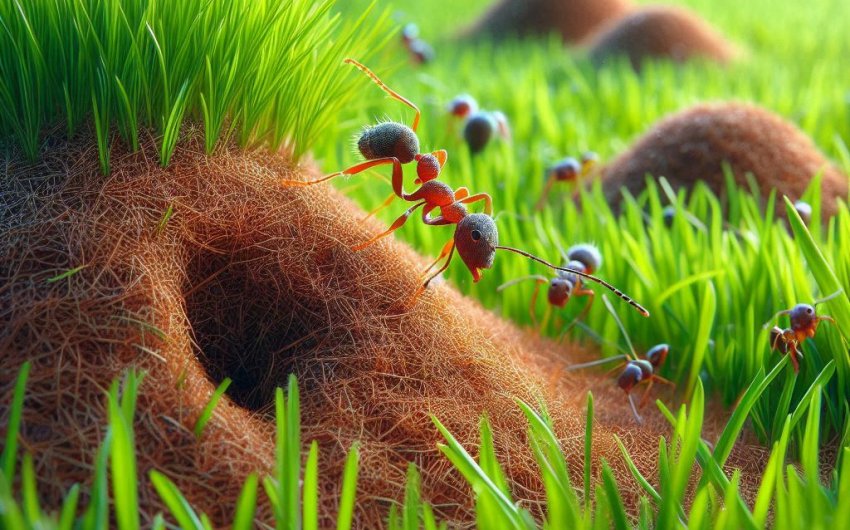
Ants are often considered a minor nuisance in the garden, but when your lawn becomes infested with them, they can cause significant problems. While ants don’t directly damage grass, their underground colonies disrupt the soil, leading to unsightly mounds, uneven growth, and issues for those who enjoy walking or playing on the grass. Managing an ant infestation requires a comprehensive approach that includes proper lawn care, preventative measures, and, when necessary, ant control solutions.
In this guide, we'll walk through how to effectively manage a lawn infested with ants, discussing the signs of an infestation, the best natural and chemical methods to eliminate them, and how to prevent future invasions.
Why Are Ants a Problem in Your Lawn?
Ants are a natural part of the ecosystem and can even be beneficial by aerating the soil and feeding on other pests like grubs. However, when their populations grow too large, they can cause issues that affect the health and appearance of your lawn. Here’s why ants in your lawn can be a problem:
- Ant mounds: Large colonies of ants create mounds that disrupt the smooth surface of your lawn, making mowing difficult and causing uneven patches of grass.
- Soil disturbance: Ants dig tunnels beneath the grass, loosening the soil and potentially damaging the root system of the grass. This can lead to brown patches or thinning areas in your lawn.
- Pest attraction: Some species of ants farm aphids and other small insects for their honeydew, leading to further pest problems in your garden or lawn.
- Biting ants: Certain species, like fire ants, can be aggressive and their bites are painful. These ants can make your lawn unsafe for children or pets.
If you notice ant mounds, disturbed soil, or thinning patches of grass, it's time to take action to manage the infestation before it worsens.
Identifying the Type of Ant Infestation
Before you can effectively manage the ants in your lawn, it’s important to identify the species you’re dealing with. Different types of ants may require different control methods, and some are more problematic than others.
Common Lawn Ant Species
Black Garden Ants (Lasius niger): These ants are small, harmless, and generally don’t pose a threat to your lawn. However, their colonies can grow large, causing unsightly mounds.
AdvertisementFire Ants (Solenopsis invicta): Fire ants are aggressive, and their bites can be painful. They build large mounds and can quickly take over a lawn if not controlled.
Pavement Ants (Tetramorium caespitum): These ants are often found near sidewalks or driveways, but they may expand into your lawn. They dig small mounds and can disrupt the grass around paved areas.
Field Ants (Formica spp.): These ants are commonly found in grassy areas. While not aggressive, they create large mounds that disturb the lawn and cause uneven patches.
Signs of an Ant Infestation
- Mounds of soil: Small piles of soil that appear on the surface of your lawn are a clear sign of ant activity below ground.
- Thin or bare patches: As ants tunnel through the soil, they can disturb the roots of the grass, leading to thin or dead patches of grass.
- Visible ants: If you notice a significant number of ants crawling on the grass, especially near mounds, you may have a larger colony present.
Best Practices for Managing an Ant-Infested Lawn
Managing an ant-infested lawn involves a combination of improving lawn health, removing food sources, and using targeted ant control methods. Below are some effective strategies for getting rid of ants while keeping your lawn healthy.
1. Improve Lawn Health
One of the best ways to prevent ants from taking over your lawn is to keep it as healthy as possible. A thick, well-maintained lawn is less attractive to ants and other pests.
Aeration and Soil Health
Ants are drawn to compacted soil, as it provides stability for their tunnels and colonies. Aerating your lawn helps relieve soil compaction, making it harder for ants to establish colonies. Use a lawn aerator to perforate the soil, allowing air, water, and nutrients to penetrate deep into the roots, which strengthens the grass.
Watering
While ants prefer dry, sandy soils, proper watering can help prevent an infestation. Keep your lawn well-hydrated without overwatering. A sprinkler system that provides consistent moisture encourages thick grass growth, which can help crowd out ants and reduce their food sources.
Fertilizing
Use an organic lawn fertilizer to maintain healthy grass. Well-fed grass will grow thicker, reducing bare patches where ants might settle. Fertilizing in the spring and fall provides the nutrients needed to keep your lawn robust and better able to resist pests.
2. Remove Ant Food Sources
Ants are attracted to food sources, including aphids, scale insects, and other pests that secrete honeydew, a sugary substance that ants love. Reducing these food sources will make your lawn less inviting to ants.
Natural Predators and Beneficial Insects
Encouraging beneficial insects like ladybugs or lacewings can help control aphids and other pests. Planting flowers that attract these insects or using a beneficial insect kit can help naturally reduce the aphid population and the ants that follow.
Organic Pest Control
If your lawn is suffering from pest problems that attract ants, consider using organic pest control products like neem oil or insecticidal soap to treat the problem without harming your grass or beneficial insects.
3. Natural Methods to Control Ants
If you prefer to avoid using chemical pesticides, there are several natural methods for controlling ants in your lawn. These options are safer for the environment, children, and pets.
Diatomaceous Earth
Diatomaceous earth is a natural substance made from fossilized algae. It works by damaging the exoskeletons of ants and other pests, causing them to dehydrate and die. To use it, sprinkle a thin layer of diatomaceous earth over ant mounds and along known ant trails.
Boiling Water
For a simple and immediate solution, pour boiling water directly onto ant mounds. This method is highly effective at killing ants on contact, though it may need to be repeated for larger colonies. Be careful when using this method around grass, as the hot water can damage or kill surrounding vegetation.
Vinegar
Mixing white vinegar with water (in a 1:1 ratio) can help disrupt ant trails and kill ants. Vinegar interferes with the ants’ scent trails, making it harder for them to navigate. Spray the mixture directly on ant mounds or along ant trails in your lawn.
Borax and Sugar Bait
Another effective method is to use a mixture of borax and sugar as bait. The sugar attracts the ants, and the borax acts as a slow-acting poison. Mix equal parts sugar and borax, add a bit of water to form a paste, and place it near ant mounds. The ants will carry the bait back to their colony, eventually killing off the entire nest.
4. Chemical Control Options
If natural methods are not sufficient to control the infestation, chemical ant control products may be necessary. Always follow the manufacturer’s instructions and take precautions to avoid harming non-target species like beneficial insects or pets.
Ant Baits
Ant bait stations are one of the most effective ways to eliminate ant colonies. These baits contain a slow-acting poison that ants take back to their nest, where it spreads throughout the colony, killing the queen and workers. Place the bait stations near ant mounds or along active trails.
Insecticide Granules
For larger infestations, insecticide granules can be spread over your lawn. The granules dissolve in water, releasing a chemical that kills ants and other insects in the soil. Be cautious when using insecticides, as they can impact beneficial insects and wildlife if overused.
Liquid Insecticides
Liquid insecticides are another option for spot-treating ant mounds. These insecticides can be applied directly to the mound, soaking deep into the soil to kill the ants at their source. Look for products labeled for outdoor use on lawns to avoid harming your grass.
5. Preventing Future Ant Infestations
Once you’ve successfully managed the ant infestation in your lawn, it’s important to take steps to prevent ants from returning. Implementing a few key practices can help keep your lawn ant-free in the long term.
Regular Lawn Maintenance
A well-maintained lawn is less likely to attract ants and other pests. Keep your lawn thick and healthy by regularly mowing, fertilizing, and aerating the soil. Mow your lawn to the recommended height for your grass type, and avoid cutting too short, which can stress the grass and make it more vulnerable to pests.
Thatch Removal
Excessive thatch, the layer of dead grass and roots that accumulates between the soil and the grass, can provide ants with the perfect environment to build their nests. Use a dethatching rake or mechanical dethatcher to remove the thatch layer and keep your lawn healthy.
Mulching and Edging
If your ants are primarily around the edges of your lawn, consider using mulch or edging to create a physical barrier. This can help keep ants from crossing into your lawn from garden beds, sidewalks, or other nearby areas.
For larger properties, particularly those that encompass a range of landscapes like lawns, gardens, and fields, adopting integrated pest management practices is important, much like those used in broader agricultural setups such as the 10-acre farm layout strategy.
Monitoring and Early Intervention
Regularly inspect your lawn for signs of ant activity. By catching infestations early, you can address the problem before the colony grows too large. Consider using a yard insect monitor to track the presence of pests in your lawn and take action as needed.
By following these lawn care practices and employing the appropriate ant control methods, you can effectively manage an ant-infested lawn and restore its health and appearance. Keep your lawn lush and pest-free with consistent maintenance and timely interventions.